
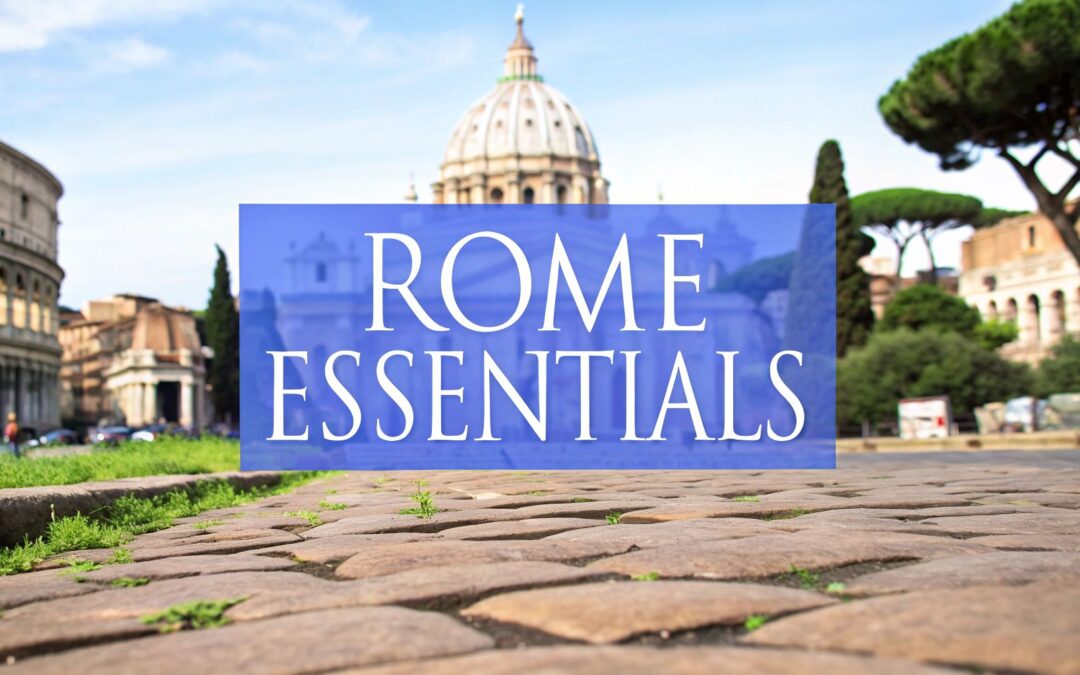
Rome, the Eternal City, offers a dizzying array of historical wonders and artistic masterpieces. For the discerning traveler, navigating this landscape requires more than just a map; it demands an expert-led strategy. As an award-winning luxury travel advisor, I design itineraries that transform a simple visit into an immersive experience, bypassing crowds and unlocking exclusive access. This guide distills the city's countless attractions into a curated list of what to see in Rome, selected with an eye for elegance, efficiency, and profound cultural engagement.
Key Takeaways
- Prioritize Access: A luxury Rome itinerary is defined by exclusive, pre-arranged access. Private, early-entry, or after-hours tours of sites like the Colosseum and Vatican City are essential to bypass crowds and experience these icons intimately.
- Strategic Pacing is Crucial: Avoid museum fatigue by blending major historical sites with leisure, culinary experiences, and relaxation. A well-designed itinerary balances iconic landmarks with the authentic charm of neighborhoods like Trastevere.
- Leverage Expert Guidance: Navigating Rome’s complex history and logistics requires professional insight. Working with a travel advisor ensures seamless transfers, perfectly timed reservations, and access to top-tier local guides who bring the city's stories to life.
- Timing is Everything: Experience landmarks like the Trevi Fountain and Spanish Steps during off-peak hours (early morning or late evening) for a more serene and photogenic visit.
As you begin to envision your perfect Roman adventure, remember that thoughtful planning is the key to an effortless experience. This resource is your first step in building a truly bespoke Italian holiday, one where every detail is meticulously managed by an expert. Let's delve into the essential sights that define this magnificent city.
1. The Colosseum: Beyond the Arena Floor
The Colosseum is an undeniable titan of history and one of the essential places to see in Rome. While most visitors experience its grandeur from the standard entry levels, a truly elevated visit requires access to its restricted, most evocative sections. Forgoing the general admission chaos for a curated experience is the key to appreciating this ancient wonder without the overwhelming crowds.
Unlocking Restricted Access
A general ticket grants you access to the first and second tiers, which are impressive but only tell part of the story. The real magic lies in the areas that require special reservations. A pre-arranged private or semi-private tour is the most effective way to unlock these spaces. As your travel advisor, I arrange for expert-led tours that include:
- The Underground (Hypogeum): This labyrinth of tunnels and chambers beneath the arena floor is where gladiators and wild animals were held before being lifted onto the stage via complex elevator systems. Walking these corridors offers a chilling and profound perspective on the spectacles that took place above.
- The Arena Floor: Standing in the center of the arena, where the gladiators once fought, provides a 360-degree view from the combatant's perspective, looking up at the immense tiered seating.
- The Upper Tiers (Third, Fourth, and Fifth): Recently reopened after decades, these highest levels offer breathtaking panoramic views of the Colosseum's interior, the Roman Forum, and Palatine Hill. This vantage point is unmatched for photography and for grasping the sheer scale of the amphitheater.
Advisor Insight: The best time for a private tour is either first thing in the morning, before the heat and crowds peak, or during the last entry slot of the day for softer light and a more serene atmosphere. Planning this well in advance is crucial, as exclusive access slots are limited and sell out months ahead.
2. Vatican City — St. Peter's Basilica & the Sistine Chapel
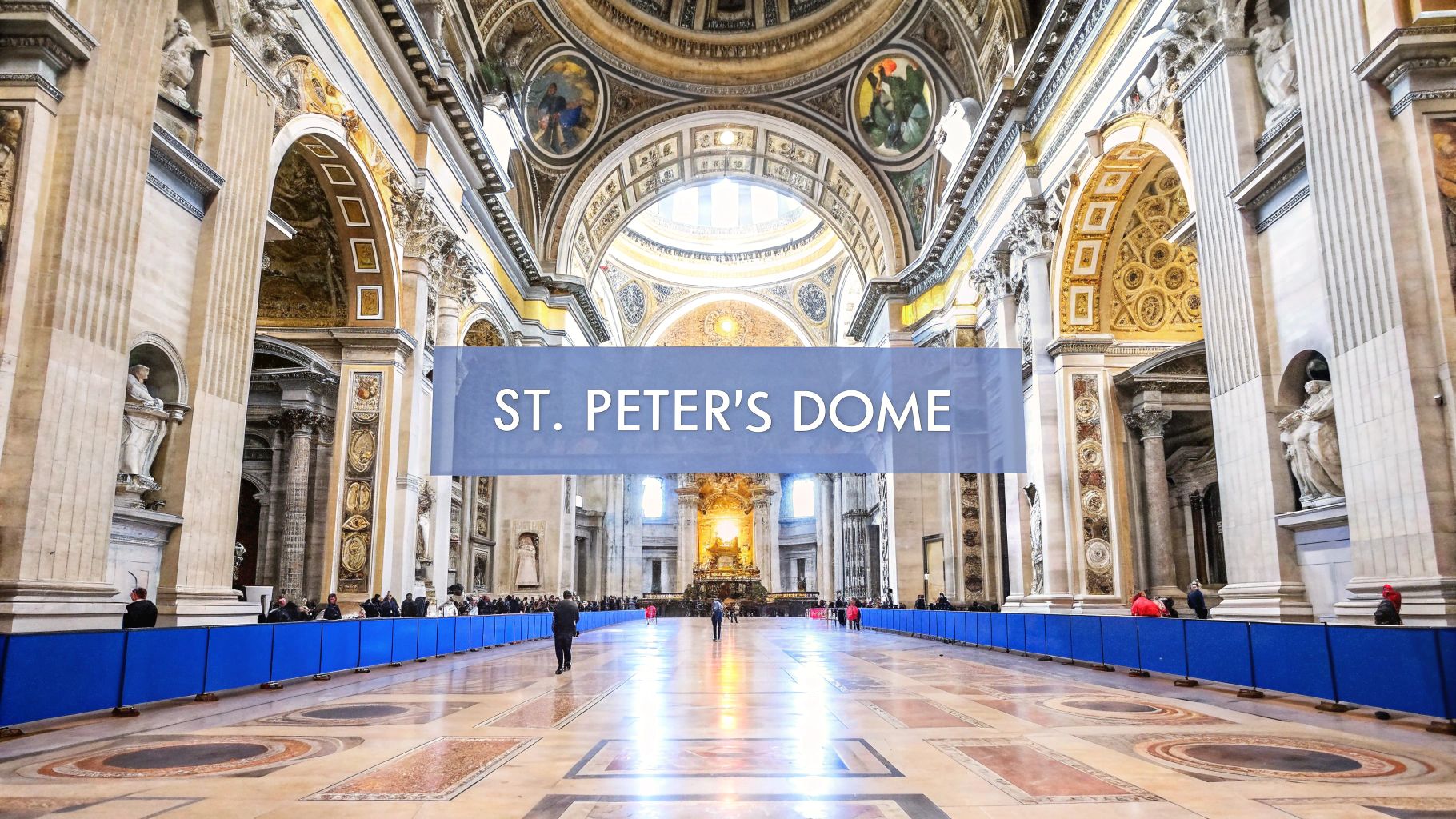
A sovereign state nestled within Rome, Vatican City is the powerful heart of the Catholic world and an essential place to see in Rome. Its monumental art and architecture can feel overwhelming, but a strategic approach transforms a chaotic visit into a deeply moving experience. Gaining privileged access to its hallowed halls before the general public descends is the key to truly appreciating its sacred beauty.
Unlocking Restricted Access
Standard entry to the Vatican Museums often involves hours-long queues, leading to a crowded and rushed viewing of its treasures. To bypass this, a meticulously planned private or early-access tour is non-negotiable for a luxury itinerary. As your travel advisor, I secure exclusive experiences that offer a serene and insightful visit. These specialized tours include:
- Early-Entry Sistine Chapel: Entering the Sistine Chapel before the official opening hours allows you to stand beneath Michelangelo's frescoes in near silence. This solitary moment, without the usual crush of crowds, lets you fully absorb the masterful details of The Last Judgment and the iconic ceiling.
- Expert Art Historian Guide: Navigating the vast Vatican Museums, which stretch for miles, requires expertise. I arrange for a specialized guide who can lead you directly to masterpieces like the Raphael Rooms and the Gallery of Maps while providing rich historical context that brings the art to life.
- Exclusive St. Peter's Basilica Access: Certain tours provide a dedicated, skip-the-line entrance directly from the Sistine Chapel to St. Peter's Basilica, avoiding the separate and often lengthy security line in the main square. This seamless transition allows for more time to marvel at Bernini's baldachin and Michelangelo's dome.
Advisor Insight: A pre-dawn, "key master's tour" is the ultimate Vatican experience, allowing you to enter with the staff who unlock the doors and turn on the lights. This requires booking many months in advance. For all exclusive tours, remember the strict dress code: shoulders and knees must be covered to enter sacred sites.
3. Roman Forum (Foro Romano)
The Roman Forum was the heart of the ancient city, a sprawling complex of temples, basilicas, and public spaces that served as the nucleus of Roman life for centuries. As one of the most significant archaeological sites to see in Rome, its multi-layered ruins can be bewildering without expert guidance. To truly connect with its history, one must move beyond a simple walk-through and engage with a narrative that brings the stones to life.
Unlocking Restricted Access
A standard ticket provides entry to the main thoroughfare, the Via Sacra, but the Forum’s deeper stories are found in its more exclusive, often-overlooked areas. The best way to decipher the layers of history is with a specialist who can provide context and access. As your travel advisor, I arrange for private tours led by accredited archaeologists who can illuminate the site's importance and navigate its complexities. These expert-led experiences often include:
- Curia Julia (Senate House): Step inside the remarkably preserved building where the Roman Senate convened. Understanding the political dramas that unfolded within these walls transforms it from an empty hall into a stage for history.
- House of the Vestal Virgins: Explore the remnants of the residence for Rome's most sacred priestesses. A guided visit reveals the daily lives, rituals, and immense influence of these powerful women.
- Temple of Romulus: This well-preserved 4th-century temple offers a rare glimpse into late Roman architecture, often accessible only with specialized tour permissions that avoid the main crowds.
Advisor Insight: I recommend starting your Forum tour first thing in the morning (around 8:30 AM) to avoid the intense midday sun and peak crowds. A private guide can create a logical path through the ruins, ensuring you see key highlights like the Arch of Titus and the Temple of Caesar without backtracking, culminating the visit on Palatine Hill for panoramic views.
4. Trevi Fountain (Fontana di Trevi)
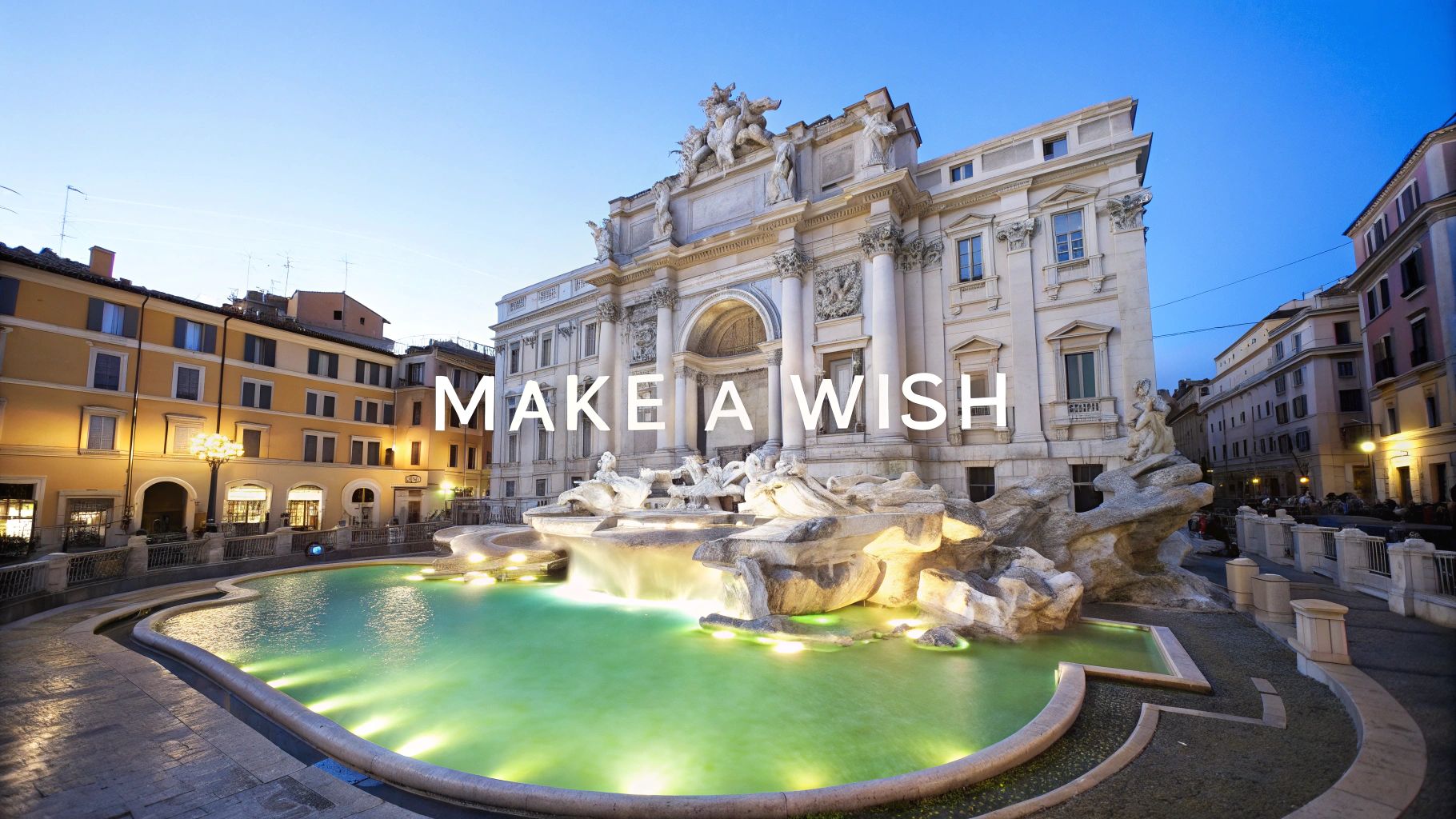
The Trevi Fountain is a dazzling masterpiece of Baroque art and an iconic landmark you absolutely have to see in Rome. While its grandeur is undeniable, a truly memorable experience requires navigating the intense crowds that flock to this romantic spot. Forgoing a spontaneous visit for a strategically planned one is the key to appreciating its intricate beauty without the overwhelming crush of people.
Maximizing the Magic
A quick snapshot from the edge of the crowd simply doesn't do justice to Nicola Salvi's creation. The real magic lies in seeing it when the light is perfect and the plaza is relatively calm. A private guide and strategic timing are the most effective ways to elevate this experience. As your travel advisor, I arrange for seamless logistics that include:
- Pre-Dawn Photography: Arriving between 7:00 and 8:00 AM allows you to capture stunning photographs in the soft morning light, virtually crowd-free. This is the ideal time to appreciate the fine details of Oceanus and his Tritons.
- Nighttime Illumination: Visiting after dinner, between 7:00 and 9:00 PM, reveals the fountain in a completely different, magical light. The sculptures are dramatically illuminated, creating an unforgettable and romantic atmosphere perfect for tossing your coin.
- Expert Commentary: A local guide can bring the fountain's complex allegorical sculptures to life, explaining the story behind the aqueduct it commemorates and the artistry of the High Baroque period, transforming it from a photo stop into a rich cultural lesson.
Advisor Insight: For an exceptional view, I reserve tables at nearby restaurants or arrange access to private terraces that overlook the fountain. This provides a serene, elevated perspective away from the chaos, allowing you to enjoy an aperitivo while taking in the magnificent scene. This must be booked far in advance.
5. The Pantheon: A Masterpiece of Roman Engineering
The Pantheon stands as a testament to architectural genius and is one of the most awe-inspiring places to see in Rome. While its famous oculus draws every visitor's eye upward, a truly memorable visit involves understanding its structural brilliance and experiencing its atmosphere away from the midday crowds. Simply walking in is impressive, but a curated approach transforms a quick stop into a profound encounter with ancient history.
Enhancing the Pantheon Experience
A standard visit can feel rushed, with crowds diminishing the temple's serene majesty. The key is to engage with the space intentionally, focusing on its architectural nuances and historical layers. As your travel advisor, I ensure your visit is timed perfectly and enriched with expert context that brings its nearly 2,000-year history to life. This includes:
- Architectural Deep Dive: A private guide specializing in Roman engineering can reveal how its massive, unreinforced concrete dome, the largest in the world, was constructed. They will point out the graded use of lighter aggregates and the coffered ceiling designed to reduce weight, details easily missed on your own.
- Optimal Timing: Visiting first thing in the morning (between 8:30 and 9:30 AM) allows you to experience the space in relative tranquility. You can observe the famous beam of light from the oculus moving across the interior with few obstructions.
- A Unique Perspective: A rainy day offers a surprisingly magical experience. Watching the rain fall through the oculus and disappear into the nearly invisible drainage holes in the marble floor is a subtle yet fascinating spectacle that showcases Roman ingenuity.
Advisor Insight: I recommend combining a morning visit to the Pantheon with a planned itinerary that includes the nearby Piazza Navona and Trevi Fountain before the crowds swell. For lunch, I can reserve a table at a piazza-facing restaurant, providing an elevated dining experience with an unforgettable view of the Pantheon's portico.
6. Capitoline Museums (Musei Capitolini)
Perched atop Capitoline Hill with a piazza designed by Michelangelo, the Capitoline Museums are an essential destination to see in Rome. As the world's oldest public museums, they offer a more intimate and curated experience than the city's larger institutions. This is where you can connect with ancient Roman history and Renaissance masterpieces without feeling overwhelmed by crowds.
Unlocking Restricted Access
A standard ticket provides entry to the two main palaces and the underground tunnel connecting them, but the true value of a visit here is in understanding the context of the collection. The key is to transform your visit from a simple walkthrough into a deep narrative experience. As your travel advisor, I arrange for private art historian-led tours that bring the stories behind the marble and canvas to life. A curated visit includes:
- Classical Roman Sculpture: Engage with iconic works like the original equestrian statue of Marcus Aurelius and the Capitoline She-Wolf, the legendary symbol of Rome. An expert guide will illuminate the political and cultural significance of the powerful portrait busts of Roman emperors.
- Renaissance Painting Galleries: Spend focused time in the Pinacoteca Capitolina, where masterpieces by Caravaggio, Titian, and Rubens are displayed. A private guide can tailor this portion to your artistic interests, ensuring you don't miss key highlights.
- The Tabularium: Walk through this ancient passage connecting the two museum palaces, which offers dramatic, framed views over the heart of the Roman Forum below, providing a unique photographic opportunity.
Advisor Insight: The best time to visit is mid-morning after the initial rush or late in the afternoon to avoid school groups. For a truly memorable moment, end your tour on the Terrazza Caffarelli at golden hour. The panoramic city views are breathtaking, offering the perfect backdrop for an aperitivo while reflecting on the art you’ve just experienced.
7. Spanish Steps (Scalinata di Trinità dei Monti)
As one of the most iconic landmarks to see in Rome, the Spanish Steps offer more than just a grand staircase; they are the heart of a vibrant, high-fashion district. This monumental cascade of 135 travertine steps, connecting the Piazza di Spagna with the Trinità dei Monti church above, serves as an open-air theater for Roman life. While it attracts significant crowds, experiencing it with a strategic approach transforms it from a hectic tourist spot into an elegant cultural immersion.
A Curated Approach to the Steps
A simple walk-by doesn’t do justice to the atmosphere of this historic meeting place. The key is to experience the steps and the surrounding area with intention, avoiding the midday crush when crowds and heat are at their peak. As your advisor, I design itineraries that incorporate this landmark seamlessly and luxuriously. This ensures you appreciate its beauty without the stress.
- Golden Hour Photography: Arrive just after sunrise (around 7 AM) or during the evening's golden hour. The soft, warm light creates a magical ambiance and provides the perfect conditions for stunning photographs without the usual throng of people.
- A Circuit of Icons: Combine a morning visit here with a short walk to the Trevi Fountain and the Pantheon. This classic circuit is best enjoyed early before the city fully awakens, allowing for a more intimate and peaceful experience.
- Elevated Views: Instead of joining the crowds on the steps, I can arrange for a reservation at a nearby rooftop bar or an elegant café overlooking the piazza. This offers a more exclusive and comfortable vantage point for people-watching and soaking in the scene.
- Seamless Shopping: The steps are adjacent to Via Condotti, Rome's premier luxury shopping street. I can schedule a private car and driver to be on standby, allowing you to explore the boutiques of Gucci, Prada, and Valentino at your leisure, with your purchases securely handled.
Advisor Insight: A common mistake is trying to see the Spanish Steps during peak afternoon hours, which can be overwhelming. A late-evening visit, after a fine dinner in the neighborhood, is equally enchanting as the illuminated steps take on a romantic and serene quality, offering a completely different but equally memorable perspective.
8. Palazzo Altemps: A Renaissance Palace for Ancient Art
For those seeking an intimate and breathtaking encounter with classical sculpture, Palazzo Altemps is one of the most essential places to see in Rome. Housed within a magnificent 15th-century palace, this museum offers a quiet, uncrowded alternative to the city's larger institutions. Here, ancient masterpieces are displayed not in sterile galleries but within opulent, frescoed rooms, creating a unique dialogue between Renaissance architecture and classical art.
Experiencing Art in an Intimate Setting
Unlike the sprawling Vatican Museums, Palazzo Altemps allows for quiet contemplation of some of antiquity's most important works. The experience is about the seamless integration of art and its environment, a far more personal way to connect with history. As your travel advisor, I arrange for private visits with art historians who can illuminate the stories behind these stunning pieces:
- The Ludovisi Throne: A seminal work of classical Greek art, this beautifully carved throne depicting the birth of Aphrodite is a highlight of the collection. Its mysterious origins and delicate beauty are best appreciated without a crowd.
- The Galatian Suicide: This dramatic Hellenistic sculpture group, depicting a Gaul killing himself and his wife to avoid capture by the enemy, is a powerful study of pathos and heroism. The palace setting amplifies its emotional weight.
- Renaissance Frescoes and Courtyard: Beyond the sculptures, the palace itself is a masterpiece. Take time to admire the stunningly preserved frescoes and the serene harmony of the central courtyard, a perfect example of Renaissance design.
Advisor Insight: For the best experience, I recommend a late afternoon visit, typically after 3:00 PM, when the morning and school-group crowds have dissipated. Combining a 90-minute tour of the Palazzo with a stroll to the nearby Santa Maria della Pace church to see Raphael’s Sibyls creates a perfect, art-focused afternoon circuit.
9. Trastevere: An Authentic Slice of Roman Life
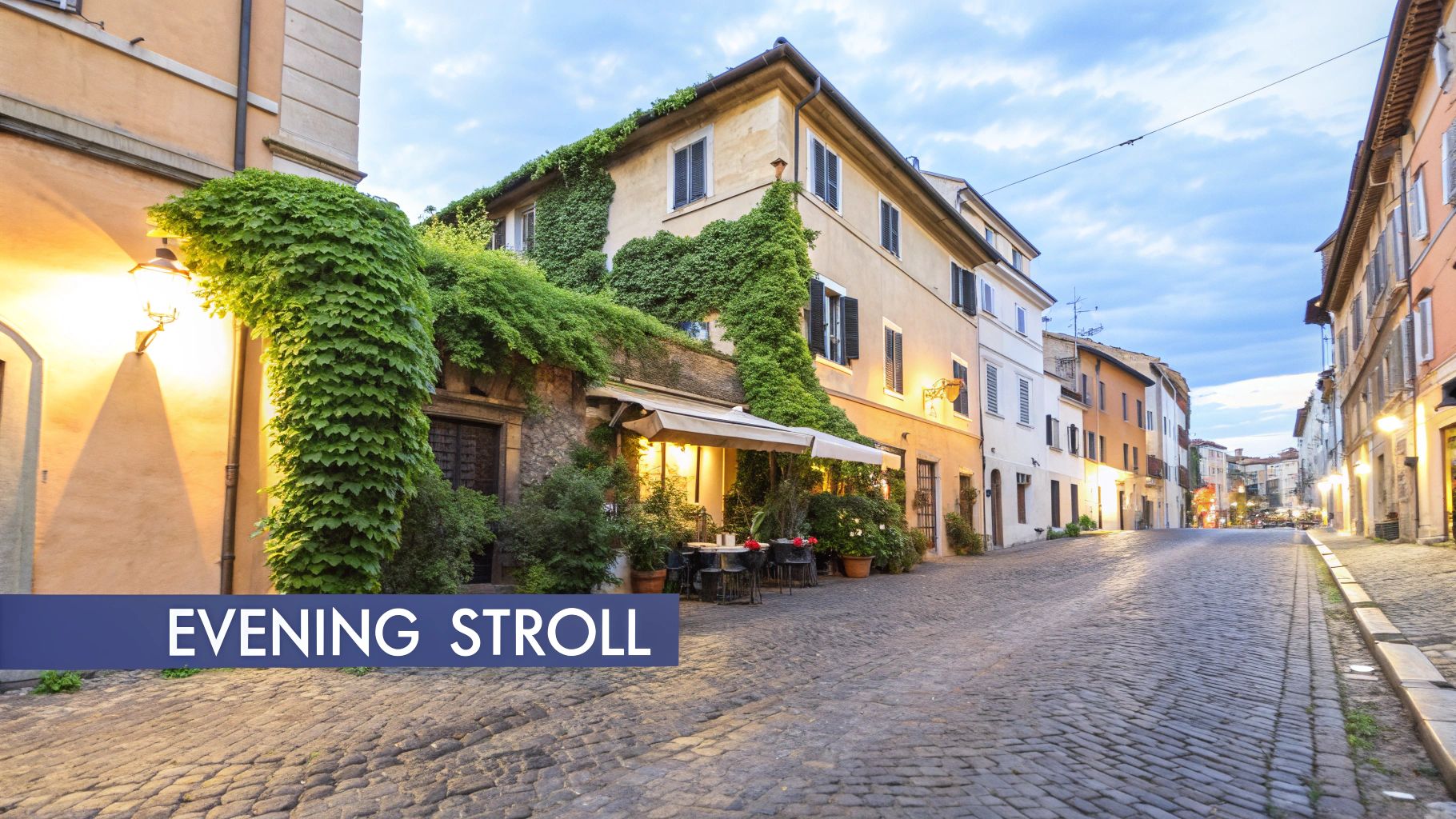
Trastevere, with its ivy-draped buildings and labyrinthine cobblestone lanes, is one of the most enchanting and essential places to see in Rome. While many visitors briefly pass through, a truly immersive experience means delving into its vibrant local culture, from hidden artisan workshops to lively, family-run trattorias. Forgoing the tourist-heavy main squares for a curated culinary and cultural exploration is the key to discovering the authentic soul of this medieval riverside district.
A Curated, Behind-the-Scenes Experience
A standard stroll through Trastevere reveals its photogenic charm, but this only scratches the surface. The real magic lies in guided, behind-the-scenes experiences that connect you with its culinary heart and artisanal heritage. As your travel advisor, I arrange exclusive private experiences that go beyond a simple walk-through. These curated tours often include:
- Private Food and Wine Tours: Forget generic tourist menus. An expert-led culinary tour introduces you to authentic Roman flavors at carefully selected delis, bakeries, and trattorias, complete with curated wine pairings from the Lazio region. This is how you taste the real Rome.
- Hands-On Cooking Classes: Immerse yourself directly in Italian culinary traditions with a private cooking class hosted by a local chef. Learn to prepare classic Roman dishes like cacio e pepe or saltimbocca using fresh, local ingredients before enjoying the meal you created.
- Artisan Workshop Visits: Discover the neighborhood’s creative spirit by exploring the side streets where generations-old artisan workshops are hidden. We can arrange visits to see craftsmen at work, from leatherworkers to ceramicists, for a unique cultural insight.
Advisor Insight: To experience Trastevere like a local, dine either early (around 6:30 PM) before the crowds arrive or later (after 9:00 PM) for a more relaxed atmosphere. For a spectacular photo opportunity, I recommend combining your visit with a trip to the nearby Gianicolo Hill for panoramic sunset views over the city before your evening reservation. While some travelers enjoy exploring Trastevere's charm, those seeking an elevated experience similar to the best coastal towns in Italy will appreciate a more structured, exclusive approach.
10. Galleria Borghese: Art Within an Aristocratic Villa
For an intimate encounter with Renaissance and Baroque masterpieces, the Galleria Borghese is one of the most essential places to see in Rome. Housed in a stunning 17th-century villa, this gallery offers a refined alternative to the city's larger, more crowded museums. The collection, curated by Cardinal Scipione Borghese, feels less like a public institution and more like a private viewing in an opulent home.
Securing Your Exclusive Viewing
Unlike other major Roman sites, the Galleria Borghese strictly limits entry to a set number of visitors in two-hour timed slots, preserving an unhurried and personal atmosphere. This exclusivity means advance planning is non-negotiable. As your travel advisor, I handle the logistics to ensure you experience this collection as intended: with space to breathe and time to absorb each piece. A curated tour includes:
- Priority Timed Entry: I secure your tickets months in advance, often for the coveted first slot of the morning, to bypass any uncertainty and guarantee your place. This is critical as spots sell out weeks, if not months, ahead.
- Expert Art Historian Guide: Rather than wandering with a generic audio guide, you will be accompanied by a private art historian who brings the collection to life. They will illuminate the stories behind Bernini’s dynamic sculptures, like Apollo and Daphne, and the dramatic intensity of Caravaggio’s paintings.
- A Perfectly Paced Itinerary: The two-hour limit is strictly enforced. A private guide ensures your time is used efficiently, focusing on the most significant works by Bernini, Caravaggio, Raphael, and Titian without feeling rushed.
Advisor Insight: I recommend pairing a morning visit to the gallery with a leisurely afternoon stroll or a picnic in the surrounding Villa Borghese gardens. Arrive at least 20-30 minutes before your scheduled entry time, as you must check all bags and coats before entering the gallery itself, which can take time.
Frequently Asked Questions About What to See in Rome
How many days are enough to see the main sights in Rome?
For a luxury traveler, I recommend a minimum of four to five full days. This allows for a comfortable pace, enabling you to experience major sites like the Colosseum and Vatican City with in-depth private tours without feeling rushed. It also provides time for curated culinary experiences, leisurely exploration of charming neighborhoods like Trastevere, and some relaxation.
What is the best time of year to visit Rome for a luxury trip?
The shoulder seasons—April to June and September to October—are ideal. The weather is pleasant, and the crowds are more manageable than in the peak summer months of July and August. This period allows for comfortable sightseeing and alfresco dining. For my clients, I often secure access to experiences that are enjoyable year-round, but these months offer the best overall ambiance.
Is a private guide in Rome really worth it?
Absolutely. A top-tier local guide transforms your experience from simple sightseeing into a compelling narrative. They provide historical context, navigate complex sites efficiently, and can often provide access that isn't available to the general public. For sites like the Roman Forum and Vatican Museums, their expertise is invaluable in making sense of the vast collections and ruins.
How do I avoid crowds at Rome's most popular attractions?
The key is strategic planning and exclusive access, which I arrange for all my clients. This includes pre-booked, timed-entry tickets for every site, early-access or after-hours private tours of the Vatican and Colosseum, and visiting landmarks like the Trevi Fountain and Spanish Steps very early in the morning. This proactive approach eliminates waiting in long lines and ensures a more serene experience.
Beyond the main sights, what is a unique luxury experience in Rome?
One of my favorite experiences to arrange is a private, after-hours tour of a noble family's palazzo, guided by a member of the family themselves. Another is a hands-on pasta-making class in a stunning private apartment overlooking a historic piazza. These exclusive activities provide an authentic connection to Roman culture that goes far beyond typical tourism.
About the Author
Hi, I’m Karrah, owner, founder, and lead travel advisor at Explore Effortlessly, a luxury award winning travel agency based in Miami. I specialize in designing bespoke, high touch itineraries to bucket list destinations around the world. Every trip I plan is carefully curated with intention, insight, and logistics handled seamlessly from start to finish. As the primary advisor, I work closely with each client to understand their travel style, priorities, and vision, then translate that into a thoughtful, elevated experience.
Let's Design Your Effortless Roman Itinerary
Rome is a city that defies simple checklists. While this guide offers a curated roadmap to its most iconic sites, the true magic is found in the seamless transitions—from a private tour of the Vatican to a reserved table at a coveted rooftop restaurant. Experiencing what there is to see in Rome is one thing; experiencing it with precision, insight, and effortless grace is the hallmark of a truly luxurious journey.
My role as your travel advisor is to handle every complex detail so you can immerse yourself fully in the beauty of the Eternal City.
- Strategic Pacing: We orchestrate your days to be enriching yet relaxing, avoiding museum fatigue.
- Exclusive Access: Leveraging my network, I secure private tours and experiences unavailable to the public.
- Seamless Logistics: From private drivers to pre-booked, skip-the-line tickets, every detail is managed.
Ready to experience Rome without the logistical complexities? Let's start a conversation about crafting your perfect Roman holiday.
Join my newsletter for more luxury travel insights: https://exploreeffortlessly.myflodesk.com/linkinbio