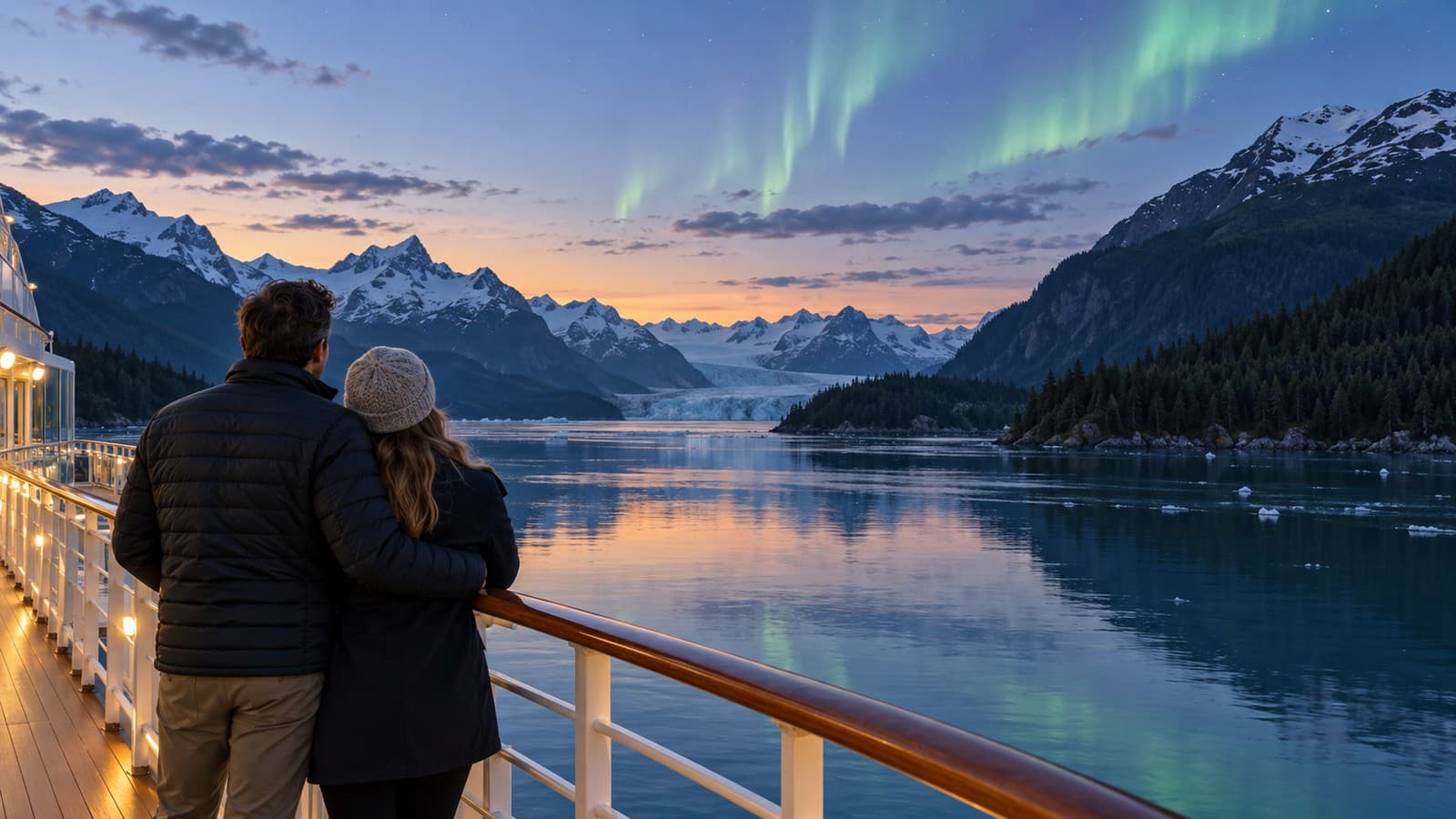
An Alaska northern lights cruise is possible, but a shipboard sighting is never dependable. For Alaska's coast and a meaningful aurora chance, I would choose a late-season cruise and add at least three nights near Fairbanks. The Inside Passage is beautiful in its own right; the Interior is where I would devote the time to watching the sky.
The tricky part is that the best conditions for cruising and the best conditions for seeing the lights barely overlap. A gorgeous glacier itinerary can be a poor aurora itinerary, and a late sailing does not make coastal clouds disappear. If you have limited vacation time, the order of the cruise, the route north, and the nights you protect for viewing matter more than an eye-catching promise about the lights.
Can You See the Northern Lights on an Alaska Cruise?
Yes, but it should be a welcome surprise rather than the reason you choose the ship. Travel Alaska's aurora viewing advice specifically says that some late-summer and fall Inside Passage passengers do see them, but cautions against counting on it. Southeast Alaska is a temperate rainforest, where clouds and precipitation can obscure the sky.
A northern lights forecast cannot change your ship's position or clear the clouds above the deck. I would first pick a voyage you would genuinely enjoy for its glaciers, ports, and time on the water. Then build a separate viewing window on land. For the coastal route decision itself, my guide to choosing an Alaska cruise route explains why the itinerary deserves more attention than the ship's headline amenities.
My planning rule: Never make a seven-night coastal cruise carry the entire weight of an aurora trip. Give the lights their own nights farther north.
When the Cruise and Aurora Seasons Overlap
Travel Alaska describes the main Alaska cruise season as May through September, with some sailings outside that window. Its aurora guidance places dark-enough viewing season from late August into April. That leaves late August and September as the practical overlap for a conventional cruise. It does not mean every night in that window will be dark, clear, and active enough for a sighting.
If the cruise is your first priority, I would compare late-August and September departures based on the actual route and the land extension you can attach. If the lights are the nonnegotiable highlight, a winter land trip around Fairbanks is the more honest recommendation. The best month for a cruise-plus-aurora trip is not necessarily the best month for aurora viewing alone.
Later dates give you more darkness, but they also ask you to accept a late-season coastal trip. The smart choice is the date when the sailing you want, your available land nights, and your tolerance for uncertain weather intersect. I would not trade away a genuinely strong glacier route for a marginal change in shipboard aurora odds.
Which Alaska Cruise Route Fits an Aurora Extension?
A northbound one-way route is the cleanest starting point when Fairbanks is on the plan. Travel Alaska notes that many seven-day cruises travel the Inside Passage and some continue across the Gulf of Alaska to end in Whittier or Seward. From there, the post-cruise portion can be built through Southcentral Alaska toward the Interior. Confirm the precise disembarkation port and ground or air connections before committing to dates.
A round-trip Seattle or Vancouver sailing can still be a lovely Alaska vacation. But if you then add Fairbanks, you are creating a separate travel leg after returning to the starting city. That can be worth it if the particular ship or itinerary is the priority, though I would budget additional transit time rather than describing it as a simple continuation.
| Trip shape | What works | What to watch |
|---|---|---|
| One-way coastal cruise, then Interior | Natural progression from ship to a multi-night land stay | Transfers between port, Anchorage, and Fairbanks need deliberate spacing |
| Round-trip Inside Passage cruise, then Fairbanks | Broader choice of ships and convenient same-port return | Separate onward journey adds time and cost |
| Fairbanks-focused land trip | More evenings devoted to the aurora | You give up the multi-day coastal cruise experience |
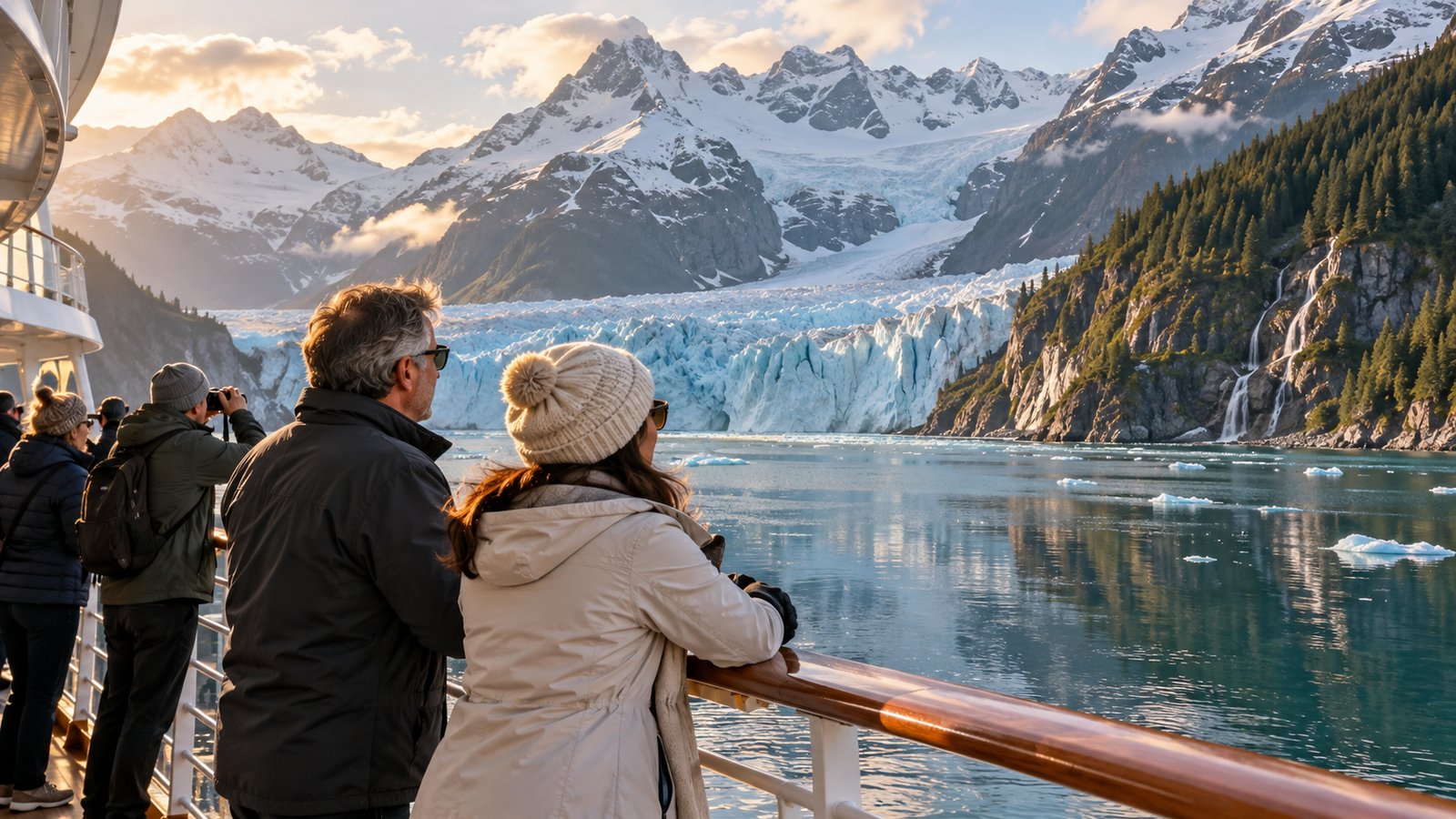
If Glacier Bay matters, check the exact sailing rather than assuming every Alaska itinerary includes it. The National Park Service's Glacier Bay cruise guidance says many Alaska cruises do not visit the park. I would value a real Glacier Bay day more than an extra generic port if seeing that landscape is a major goal.
How Many Nights Should You Spend in Fairbanks?
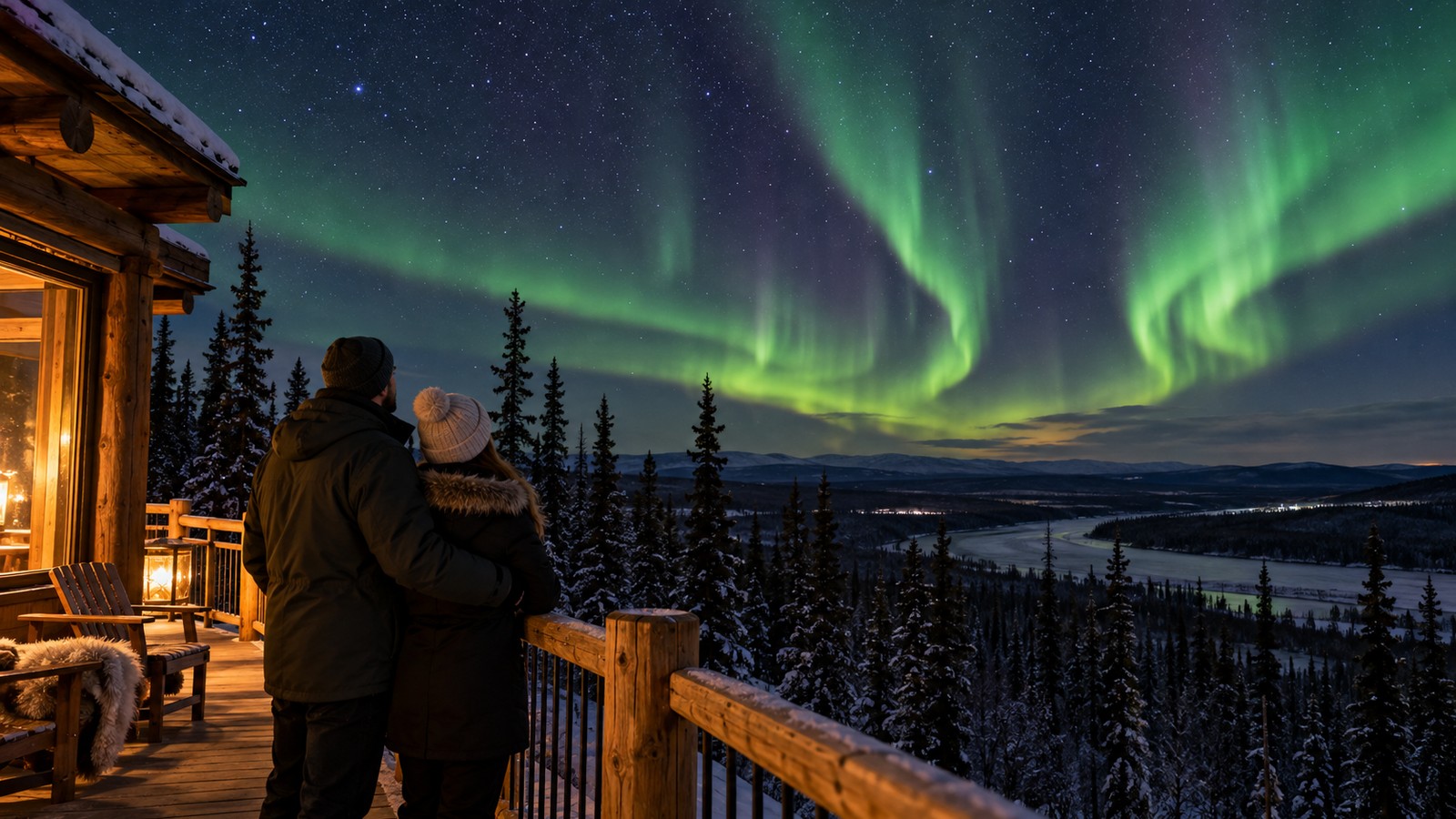
At least three nights is the useful floor, not a promise. Travel Alaska recommends at least three nights in the Interior or Arctic for travelers actively seeking the lights, while Explore Fairbanks explains the local viewing conditions and why a longer stay improves your opportunity. Clear skies, darkness, and auroral activity still have to come together.
I prefer to protect those nights instead of squeezing Fairbanks between a late arrival and an early departure. An evening lost to a missed connection is an evening you cannot get back. A relaxed daytime plan also matters when you may be awake late into the night; do not schedule your most demanding excursion for the morning after every planned sky watch.
Choose accommodation for the overall trip, not just a photograph of a glass ceiling. Ask how viewing works on the property, whether a dark outdoor space is accessible, and what transport is required to reach an alternate viewing location. Any amenity or alert service needs to be checked for your actual stay, not assumed from a category name.
Choosing the Ship for the Trip You Actually Want
There is no universal best Alaska cruise line for northern lights. Princess, Holland America, Norwegian, and smaller operators can all offer Alaska sailings, but their dates, port patterns, ship sizes, and cabin choices differ. None can schedule an aurora appearance. I would shortlist by the specific late-season sailing and the post-cruise logistics first, then decide what sort of onboard experience you enjoy.
Large ship or small ship?
A larger ship may suit you if you want a wider choice of cabin types and a fuller onboard program. A small ship may be worth the extra investment if closer-to-nature days, an intimate onboard atmosphere, and an activity-forward itinerary matter more. Compare actual inclusions and excursion styles rather than assuming one size is automatically more luxurious or better for aurora viewing.
Cabin placement is a comfort decision, not an aurora guarantee. A balcony can be wonderful for daytime scenery, but the best nighttime sightline may be elsewhere on the vessel, and weather can keep you inside. I would not pay a premium for a particular cabin solely because someone claims it secures a view of the lights.
- Itinerary first: Look for the glacier day, time in ports, and a usable finish for the land extension.
- Cabin second: Decide how much private outdoor space, room size, and location matter throughout the whole voyage.
- Inclusions third: Check dining, activities, excursions, and transfers in the actual proposal before comparing prices.
Why Skagway and a Short Cruise Are Not Aurora Plans
Skagway is a popular coastal stop, and a September night there could produce a sighting if conditions cooperate. But a daytime port call gives you no Skagway night to watch the sky. Even a late departure does not give you control over the clouds or the lights. I would choose a Skagway stop for the daytime experience, not as the centerpiece of an aurora strategy.
Likewise, a three- or four-night Alaska sailing can be a satisfying short escape, but it offers fewer nights and less itinerary room for a dedicated Interior stay. If your total time off is short, decide which matters more: a taste of coastal Alaska or a serious effort to see the aurora. Trying to claim both with one compressed itinerary usually creates a lot of transit for very little viewing time.
What to Watch in the Northern Lights Forecast
A forecast is most useful once you are in Alaska, not as a promise months before departure. The University of Alaska Fairbanks aurora forecastNOAA's short-term aurora map
I would check the local cloud forecast alongside the aurora outlook each evening, then decide whether to go to a darker viewing spot. A forecast for tonight is an operational tool for a traveler already on the ground. It is not a reason to rearrange a cruise itinerary at the last minute or to treat a high activity number as a guaranteed show.
The Pacing and Transfers I Would Protect
Start with the disembarkation point, not a glossy map of Alaska. Confirm the time you can actually leave the ship, the connection into Anchorage, and your route onward to Fairbanks. An overstuffed same-day transfer can eat into the first night that is supposed to be devoted to aurora viewing. I would rather keep a deliberate buffer than arrive exhausted and discover the only clear sky occurred while you were in transit.
Once in the Interior, protect a few evenings and let your daytime activities breathe. Build in a later morning after a viewing night. If an additional stop around Denali or Southcentral Alaska genuinely improves the trip, make room for it; if it simply turns every day into another transfer, I would cut it. A good route should feel like a vacation even if the sky stays quiet.
This is where a custom itinerary earns its keep. The ship, transfers, hotels, and viewing nights need to support one another. Explore Effortlessly can compare those pieces as a whole instead of treating the cruise fare as the entire planning decision.
What an Alaska Northern Lights Cruise Trip Costs
For an investment reference, published 2027 September fares for a seven-night small-ship Alaska cruise run roughly $5,700 to $9,900 per person for selected double-occupancy cabins across two current UnCruise sailings I checked. Those figures are for the cruise component, not a standard price for every Alaska ship or a complete aurora trip. A larger suite or different voyage can cost substantially more; a different cruise style can be priced differently.
The cost of a cruise plus several Fairbanks nights cannot be accurately estimated as one general total without the specific sailings, hotel, air connections, and ground transport. Your actual trip cost can vary significantly with the number of travelers, dates and season, trip length, route, cruise line and cabin category, hotel level, airfare, transfers, tours and experiences, dining inclusions, level of luxury, and current availability. The cruise figure is not a quote or a guaranteed price; confirm current inclusions and the full itinerary before making a decision.
I would weigh any upgrade against what it changes for you. More cabin space may improve a week onboard; an added Interior night may improve the purpose of an aurora-focused trip. Neither can buy a sighting. The right spending priority depends on whether the cruise or the lights are the heart of your journey.
Frequently Asked Questions
What is the best month for an Alaska cruise and northern lights trip?
September is the clearest practical overlap between the main cruise season and darker aurora-season nights. It is not a guarantee of shipboard sightings. If the aurora is the primary goal and cruising is optional, give more nights to a land-based Interior trip instead.
Can I see the northern lights from Skagway?
It is possible on a dark, clear night when auroral activity reaches the area, but many cruises are there only during the day. Do not mistake a Skagway port call for a night of dedicated viewing.
Are there Alaska cruises designed around the aurora?
Some specialized sailings may be marketed with an aurora theme, and offerings change by season. I would still inspect the departure dates, nighttime route, and what happens if the sky is cloudy. No sailing can make the natural phenomenon appear on demand.
Is Norwegian or another large cruise line the best choice?
No single brand is the answer. Compare the actual date, Glacier Bay or other glacier viewing, port time, cabin, and connection to your Interior stay. Pick the cruise for the experience it can reliably deliver, not for a hoped-for light show.
What if the lights do not appear?
You should still have a trip you are pleased to take. That is why I would protect a strong coastal itinerary, choose worthwhile land experiences, and give the sky multiple chances rather than selling one night as the whole point of the vacation.
Plan a Coastal Trip With Room for the Sky
If you want both Alaska's glaciers and a genuine chance to watch the northern lights, let us shape the trip around what each region does best. I can help you compare the right cruise route, time the transition inland, and decide how many nights to devote to the aurora without overselling the odds. For more on the land-first alternative, see my guide to northern lights tour planning; for a different style of close-to-the-water travel, explore how to choose a Douro river sailing.
For more thoughtful trip ideas, join the Explore Effortlessly newsletter.
About the Author
Hi, I'm Karrah Kazravan, owner and lead travel advisor at Explore Effortlessly, an award winning Miami agency serving clients nationwide. I design custom journeys for busy travelers who want confident recommendations and thoughtful coordination. I have traveled to more than 67 countries across all seven continents and am a Nexion Circle of Excellence Top 5% advisor, ASTA Verified Travel Advisor, Certified Travel Associate, and CLIA Accredited Cruise Counselor.