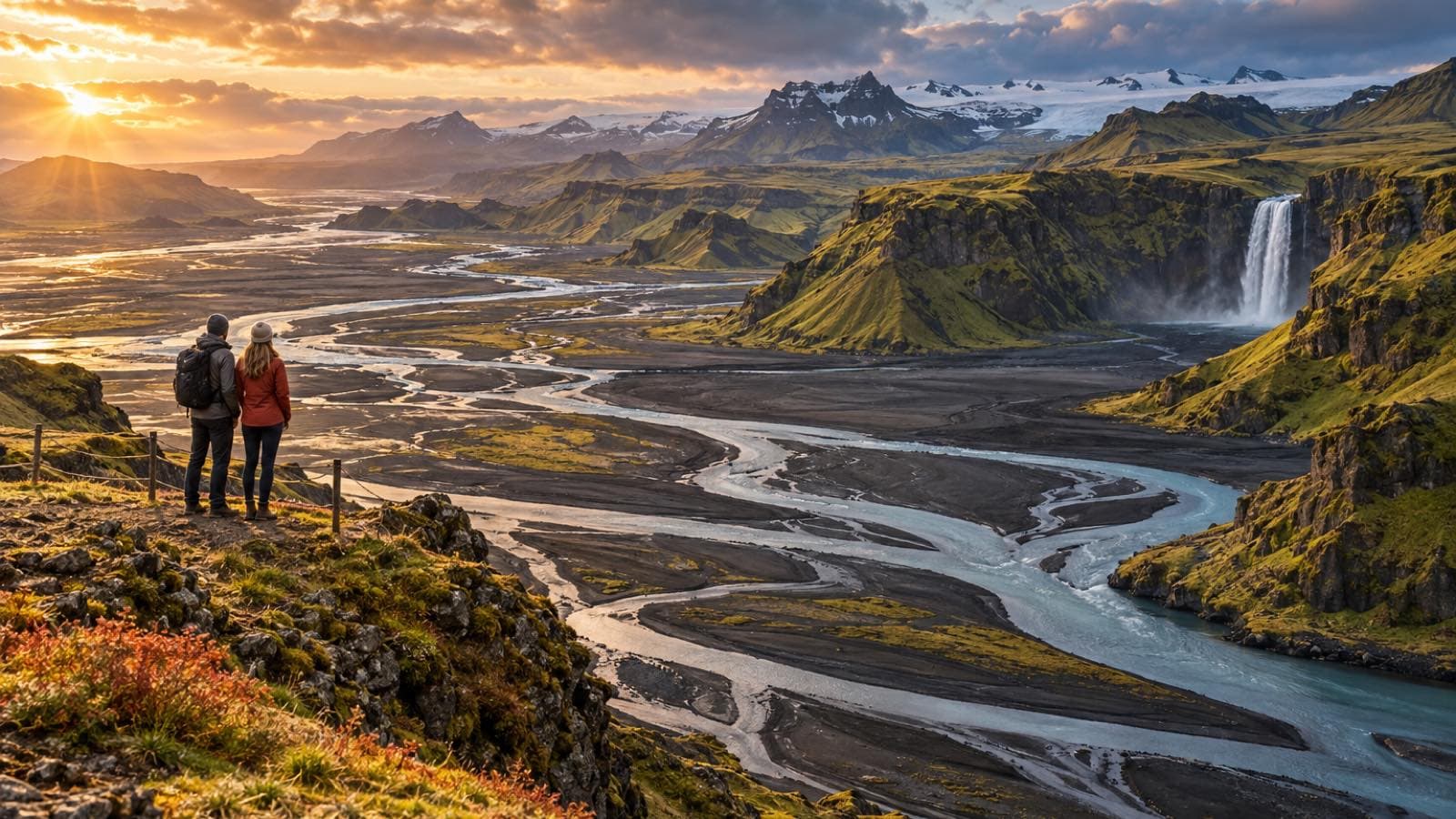
The best time to visit Iceland is June through August for long sightseeing days, or September for a balance of daylight and the first darker evenings. If the northern lights are your priority, choose an autumn-to-spring trip instead and leave several nights for changing cloud cover. No single month delivers summer roads and dependable aurora viewing at once. For a wider comparison before choosing a summer month, see my favorite luxury destinations for July.
That last trade-off is the one I wish more travelers made before choosing flights. An Iceland itinerary can look simple on a map and feel completely different once weather, daylight, driving and hotel changes enter the picture. A comfortable private journey built around Reykjavík and the South Coast calls for a different calendar than an ambitious interior expedition or a family trip with children.
I would first decide what you want to do on the ground, then choose the month. If your dream includes warm-weather ease without an aurora chase, our guide to timing the Greek islands offers a useful contrast: in Iceland, even summer demands layers and a weather plan.
Choose the season around the trip you actually want
Iceland's meteorological office describes the main summer tourist season as late May to early September, with nearly continuous light during the first part of that period. It also notes that Atlantic weather changes frequently and summer remains cool. Those are not small details if you picture leisurely hikes followed by a tightly timed transfer. Read the Icelandic Meteorological Office climate overview before treating any month as a weather guarantee.
For a first visit, I favor June or September, depending on your main goal. June gives you generous daylight and a calmer scheduling canvas. September allows darker evenings without committing to the deepest winter, but conditions and hours shift as the month progresses. If a particular highland road is essential, do not assume that it will open on the same date every year.
| Travel window | Best fit | Trade-off to accept |
|---|---|---|
| June to August | Long days, active touring and family pacing | Peak-season demand and little darkness for aurora viewing |
| September to October | Scenery, a more measured itinerary and possible dark-sky nights | Shortening days and variable road conditions |
| November to March | Winter atmosphere, city comforts and multiple aurora attempts | Limited daylight and greater disruption risk |
| April to May | A quieter transition and a focused regional trip | Unpredictable spring conditions and no assumed highland access |
January through March for a winter-centered journey
January and February
These months suit travelers who genuinely want winter, rather than a summer itinerary with snow added. Think a well-placed Reykjavík hotel, a small number of carefully chosen outings and open evenings for aurora possibilities. You can enjoy the city even if cloud or wind cancels a particular excursion. I would not make a fast lap around the island the test of a successful winter vacation.
The more comfortable upgrade is often time, not another stop. Add nights in one location and use a driver or locally guided outings if you do not want to navigate unfamiliar winter roads. Iceland's SafeTravel driving guidance warns that ice and weather changes can challenge visitors, and that winter conditions can appear in spring and autumn too.
March
March can work well if you want a winter feel but prefer a trip that is less centered on the darkest part of the year. I would still design each day around current daylight and forecasts rather than a rigid sequence of distant sights. Keep your hotel nights clustered and your final day free of a long cross-country drive.
An aurora excursion belongs in the plan as an opportunity, not a promise. Make the trip worth taking even if the sky stays quiet. That might mean a considered spa afternoon, strong dining choices and an intimate cultural day in Reykjavík, with nighttime outings when conditions cooperate.
April and May for a selective spring trip
April
April is a transition month. Visit Iceland places the aurora season through late April, but increasing daylight does not turn every night into a viewing chance. I prefer to frame an April trip around landscapes and city time, with the lights as an optional bonus, not the reason to spend the entire trip driving after dark.
Spring is not a shortcut to a full highland itinerary. The Icelandic Road and Coastal Administration says mountain-road opening dates vary considerably by location and year. Its mountain-road opening guidance makes the important point: snowmelt and the time roads need to dry both matter. Build a route that works without an interior crossing.
May
By May, I start thinking about a longer scenic day but still leave generous room for weather. For travelers with limited time, Reykjavík paired with a carefully paced South Coast stay gives the trip a clear shape without requiring every road on the island to cooperate. Choose one hotel change because it improves the experience, not because you want to collect locations.
If a premium guided experience or a distinctive room matters more than covering ground, put the investment there. Be equally candid about what you are giving up: a May date is not a reliable way to combine summer-like interior access with a dark-sky northern-lights trip.
June through August for daylight and active touring
June
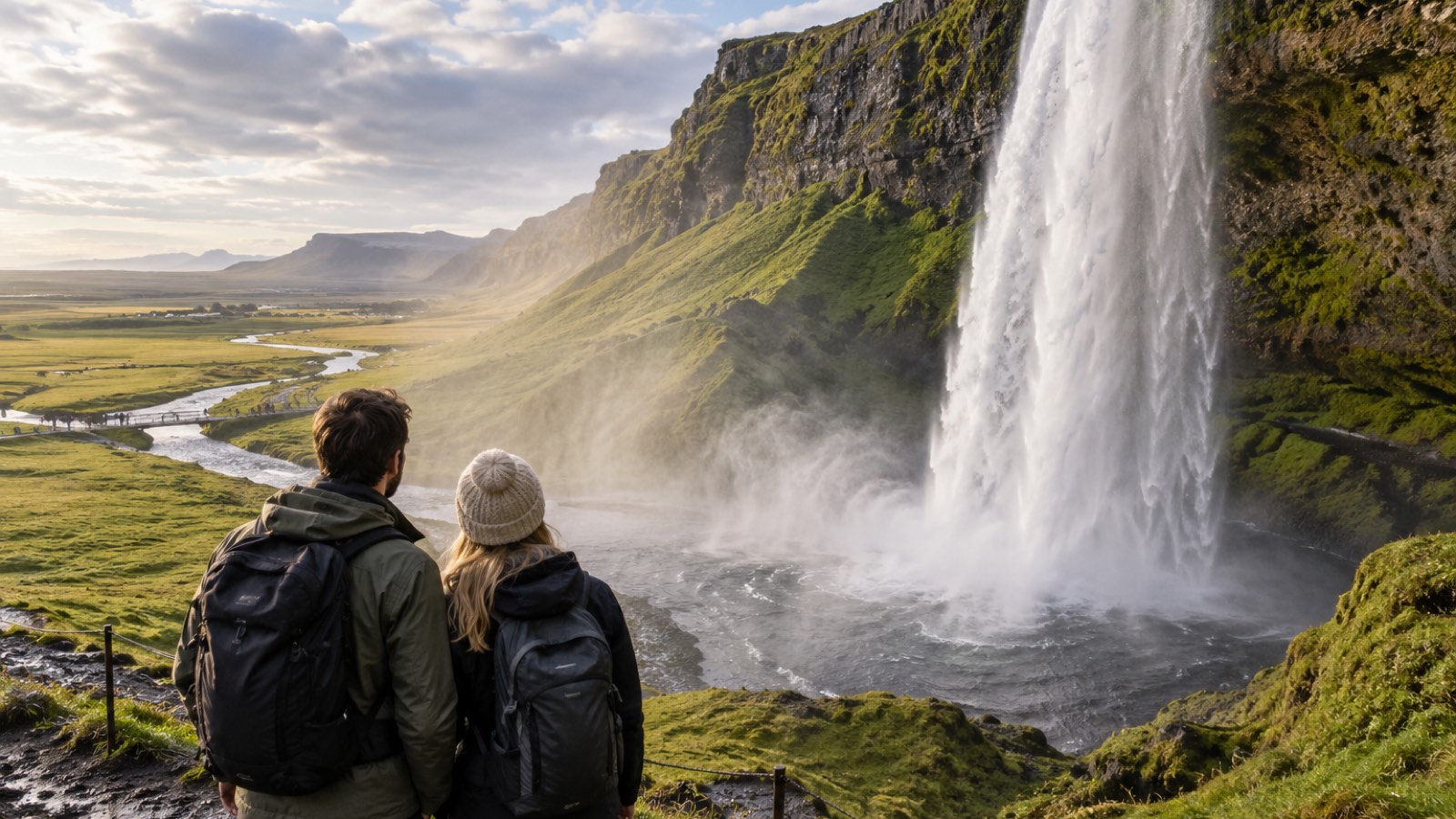
June is my first choice for travelers whose priorities are long days, scenic stops and enough slack to linger when the landscape deserves it. The meteorological office notes that the sun remains above the horizon for almost 24 hours during the first half of the summer visitor season. That makes late dining and leisurely touring possible, but it does not make the weather warm or every excursion available.
Do not build an aurora-focused June trip. Darkness is the missing ingredient. For a family, however, the long light can remove pressure from a sightseeing day: plan one major outing, a real meal break and time back at the hotel rather than a parade of photo stops.
July
July works for travelers who want an active itinerary and are comfortable committing early to specific rooms, guides and a sensible route. I would use the daylight to make the pace gentler, not to turn each day into an endurance event. The best upgrade may be a well-located room that reduces transfers between outings rather than another complicated excursion.
Peak-season demand is a reason to plan thoughtfully, not a reason to cram. Ask whether you want to change hotels frequently or arrive in time to enjoy the property you selected. If you are traveling with children, room configuration, meals and downtime should influence the sequence of stops as much as the attraction list.
August
August still suits scenery and active days, while later dates begin shifting toward darker evenings. If you want a very specific mix of hiking and night-sky chances, date selection within the month matters. I would not promise the lights simply because the calendar says late August. Visit Iceland says the season begins then, but you still need darkness, suitable cloud cover and an actual display.
Highland ambitions require a separate access check for the actual route and date. Even in summer, a favorable national-season description cannot substitute for a current road status. That is especially important when a driver, guide or specialized vehicle is part of the experience.
September and October for a thoughtful middle ground
September
September is my favorite answer when a couple asks for both substantial sightseeing and a genuine chance to watch the night sky. Days shorten across the month, so an early September departure and a late September departure are not interchangeable. Leave multiple evenings open instead of reserving a single supposedly perfect aurora night.
The official Visit Iceland aurora guidance puts the season from late August through late April and stresses dark skies and cloud cover. That makes September a possibility, not a guarantee. If highlands are nonnegotiable, confirm the specific road status and have an alternative route. For an itinerary without that constraint, a city and South Coast pairing offers more flexibility.
October
October is for travelers who prioritize atmosphere and are happy to let the itinerary respond to conditions. I would schedule fewer long drives, select accommodation for comfort on indoor evenings and avoid a trip built on a single weather-dependent highlight. Think of aurora viewing as an evening option layered onto a trip you would enjoy in daylight.
For a milestone vacation, this is where a private driver or more nights in fewer places can earn its keep. The benefit is not a magic route through bad weather. It is the ability to keep the day pleasant when you should not be pushing onward. If you can only travel during a narrow school break, July or August may be a better match than trying to force a delicate October plan.
November and December for city comforts and dark skies
November
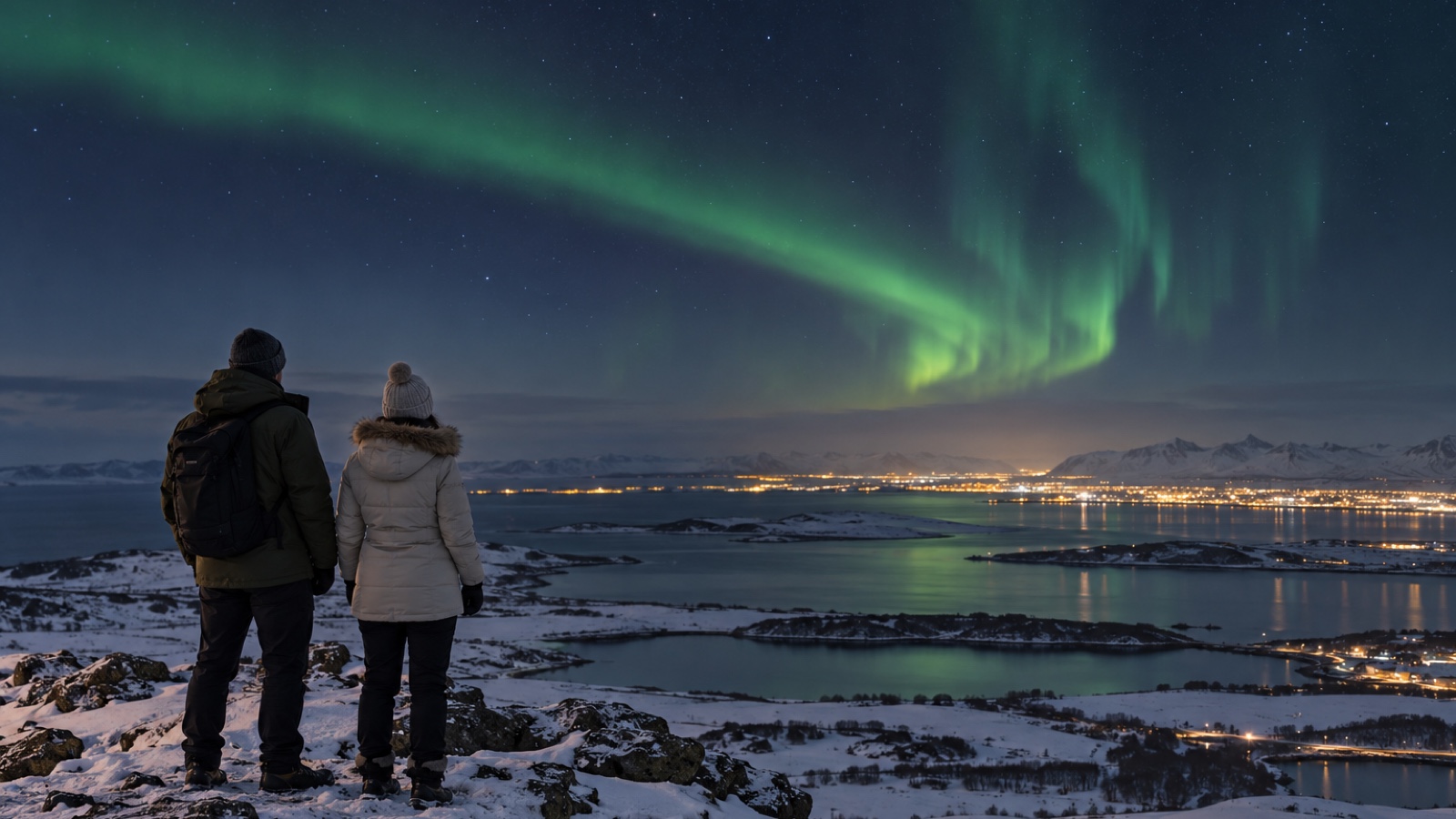
November is a reasonable choice when the northern lights and winter mood matter more than covering the whole country. It is a poor choice if your ideal trip depends on long daylight drives and relaxed access to every landscape. Anchor the stay in Reykjavík or a compact set of bases, plan for changing forecasts and let the evening sky dictate optional excursions.
The city is not merely a place to sleep between tours. Visit Reykjavík's activity overview lists indoor activities, geothermal pools and cultural options alongside excursions. That gives a winter trip a useful second plan when conditions do not favor a long outing.
December
December appeals to travelers who want a deliberate winter escape: time indoors, shorter sightseeing blocks and dark evenings. If you prefer a constant sequence of far-flung stops, I would steer you toward summer instead. Winter light is beautiful, but it is a limited resource for travel days.
Use the calendar to protect the trip rather than fill it. Avoid an airport transfer dependent on a distant drive at the end of a packed itinerary. Place a comfortable hotel stay where it supports both city time and flexible outings. No advisor or operator can guarantee clear skies or uninterrupted travel in Iceland.
Make the northern lights a bonus, not the entire plan
The most common timing mistake is asking one departure to deliver everything. In summer, daylight helps you see more of the country but works against dark-sky viewing. In winter, longer nights improve the opportunity to watch for aurora, yet short days and weather reduce the practical reach of an itinerary. September and parts of autumn can offer a compromise, but not certainty.
I would give an aurora-focused traveler several evenings in one or two bases, with daylight activities they genuinely want. A rural stay might reduce light pollution; a Reykjavík base might make restaurants and indoor alternatives easier. The better choice depends on how much comfort and nighttime flexibility you want, not on a promise of a sighting.
My planning rule: If the lights are the only reason you would enjoy the trip, rethink the destination or the expectations. Build a beautiful Iceland journey first, then make room for the sky.
Hot springs and the Blue Lagoon work in any season
Geothermal bathing is not a summer-only pleasure. The meteorological office even recommends packing a swimsuit in either season. What matters is where the soak belongs in your day. A pool near your Reykjavík hotel has different logistics from a dedicated stop on the Reykjanes peninsula, particularly when you are connecting from a flight or driving between regions.
For travelers weighing a signature spa against something quieter, the official Visit Iceland overview of Reykjavík-area geothermal experiences explains the geography of the Blue Lagoon, Sky Lagoon and Hvammsvík. The Blue Lagoon is not an attraction I would bolt onto an already crowded day. Its own seismic activity and access notice says conditions in the area can change; confirm the current access and status close to travel.
I would choose the spa for the role it plays in the trip. A quieter evening after a demanding travel day may be worth more than the most recognizable photograph. A well-placed hotel and a protected afternoon to actually use its facilities can be a better investment than adding a second excursion you will rush through.
Plan the route, rooms and family pace before flights
How many days do you need? For a Reykjavík-centered introduction with one nearby region, I would allow several unhurried days. If you want multiple regions, allow additional nights for each meaningful move. A full circuit is a different vacation, not just the same trip at a faster speed. The right length depends on the season and how much weather resilience you expect.
With children, June through August is often the easiest fit for long sightseeing windows. But extra daylight does not mean endless energy. Prioritize a room arrangement that lets everyone sleep comfortably, choose transfers that match your family and schedule a real pause between a big outing and dinner. For two adults celebrating an anniversary, a more intimate lodge stay and a private guided day may be a stronger use of time.
- Protect arrival day: Resist a long drive immediately after an overnight flight.
- Limit hotel changes: Move only when the new base improves access or the experience.
- Check road status: Use official conditions, not the shortest route shown by a map app.
- Keep an indoor option: Build one flexible day around the forecast, especially outside summer.
- Match the room to the trip: Location, layout and time to enjoy it matter more than collecting stops.
There is no universally worst month to visit Iceland. There is a wrong month for your desired trip. November is a poor match for a daylight-heavy driving loop; June is a poor match for a northern-lights promise. If you enjoy choosing travel dates around a specific experience, compare our Antarctica luxury cruise season guide and month-by-month Switzerland timing advice. The same discipline applies: decide what must be possible before choosing a calendar square.
Frequently Asked Questions
What month is best to go to Iceland?
June is my pick for generous daylight and an active first visit. September is my pick for travelers who want a more measured scenery trip with possible dark-sky evenings. If the northern lights dominate your wish list, choose an autumn-to-spring window and allow several nights, knowing sightings are never guaranteed.
Is there a reliably lower-cost month for Iceland?
No month guarantees a lower total trip cost. Airfare, accommodation, guide availability and the itinerary itself change the comparison. A winter date with fewer hotel nights can still be poor value if your priority activities need summer conditions. I would decide the experience first, then compare actual options for your dates rather than plan around a blanket seasonal price claim.
How many days are enough for an Iceland trip?
For Reykjavík and a nearby region, several unhurried days can make a satisfying first trip. Add nights when you add regions and transfers. I would rather build one excellent South Coast stay than squeeze a countrywide loop into a calendar that leaves no margin for weather or rest.
What should I know before going to Iceland?
Weather can change quickly, long daylight does not equal warmth, and mountain roads do not open to a fixed annual schedule. Give airport and interregional transfers a realistic buffer. Check official road and weather conditions near departure and during travel. Travelers are responsible for meeting current entry and travel requirements, which can change.
When should I visit Reykjavík and the Blue Lagoon?
Reykjavík works as a base in any season if you shape excursions to the daylight and forecast. The Blue Lagoon can be considered across seasons, but its access and operational status require a fresh check before the visit. Choose the spa day for how comfortably it fits the route, not because every Iceland trip supposedly needs the same stop.
Start with the experience, then choose your dates
Explore Effortlessly plans custom journeys for travelers who want the hotels, guides, transfers and pace to work together. I would begin with what you want to feel and see, then narrow the season and build an itinerary with sensible alternatives if Iceland changes the day's plans. That is far more useful than a generic list of twelve months.
If you want help choosing the right window and designing a trip around it, Start Planning My Trip.
For more travel ideas and practical planning notes, join the Explore Effortlessly newsletter.
About the Author
Hi, I'm Karrah Kazravan, owner and lead travel advisor at Explore Effortlessly, an award winning Miami agency serving clients nationwide. I design custom journeys for busy travelers who want confident recommendations and thoughtful coordination. I have traveled to more than 67 countries across all seven continents and am a Nexion Circle of Excellence Top 5% advisor, ASTA Verified Travel Advisor, Certified Travel Associate, and CLIA Accredited Cruise Counselor.