You've landed in Chengdu with limited time, a carefully chosen hotel, and the familiar pressure to “do the pandas” before moving on. That rushed approach misses the city's real appeal. Chengdu rewards an itinerary built around early conservation-focused wildlife access, private tea, serious Sichuan cuisine, living Buddhist traditions, historic craft, and carefully paced excursions beyond the city.
The right answer to what to do in Chengdu depends on access, seasonality, mobility, language support, and your appetite for immersion. Luxury convenience can place a knowledgeable guide, private vehicle, and well-positioned hotel at your disposal. It can't make a monastery feel like a resort, replace the patience required for a tea ceremony, or turn a mountain trail into a polished city attraction. That distinction is precisely what makes the destination compelling.
Chengdu received 306 million tourists in 2024 and generated RMB 373.266 billion in tourism revenue, while 108 performance venues hosted more than 5,800 music performances that produced RMB 1.693 billion in box office revenue. Those figures reflect a mature destination with the depth to support multi-day cultural, culinary, and entertainment itineraries.
Explore Effortlessly coordinates vetted local guides, drivers, hotels, and logistics through nationwide virtual consultations. These are the eight experiences I'd prioritize for a refined Chengdu journey.
1. Private Teahouse Experiences in Historic Chengdu Districts
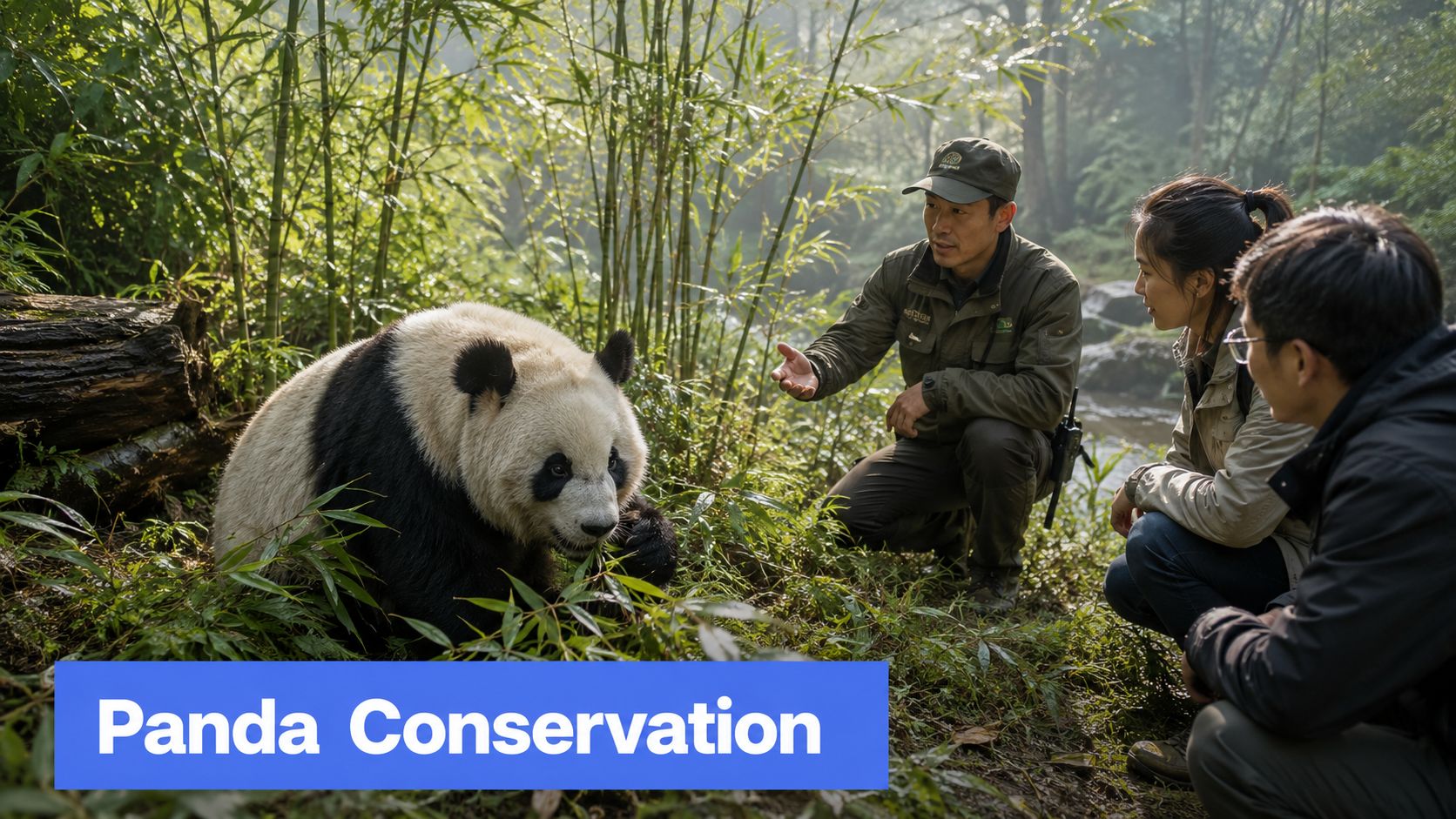
Begin in a historic teahouse before filling the day with formal sightseeing. Chengdu's tea culture rewards patience, and a privately arranged session gives you time to observe preparation, conversation, and local etiquette without turning the ceremony into a staged interlude.
For a contemplative setting, choose a teahouse near Wenshu Monastery. Kuanzhai Xiangzi District offers restored courtyards and stronger architectural character, while a hotel-arranged pairing provides the easiest access and most polished service. I recommend the first two for cultural texture, then a hotel setting when comfort, mobility, or language support takes priority.
A skilled tea master can introduce white tea and pu-erh, explain how origin shapes flavor, and adjust the tasting to your palate. Request an English-speaking specialist or a translator familiar with tea terminology, not only general sightseeing vocabulary. Confirm the arrangement privately in advance so the host can prepare the right pace and level of explanation.
Make the ceremony the centerpiece
Choose a weekday morning for a quieter room and more personal attention. Share your flavor preferences before arrival, then keep the following hours open. Tea loses its character when you are watching the clock for a museum transfer.
Ask what is being served during your visit rather than naming a specific tea. Seasonal selection matters, and the master can explain why. Calligraphy or an introduction to traditional furnishings can add context, but keep additions limited. One focused session has more value than a schedule crowded with decorative extras.
Practical rule: Do not schedule tea immediately before a long transfer. Give the experience room to unfold.
For a thoughtful souvenir, ask whether the tea master can prepare a personalized selection after the tasting. Pair it with a personalized gift set for health fans when appropriate. A small, well-chosen gift carries more meaning when the maker can explain its origin and preparation.
2. Private Panda Sanctuary Access With Conservation-Focused Guides
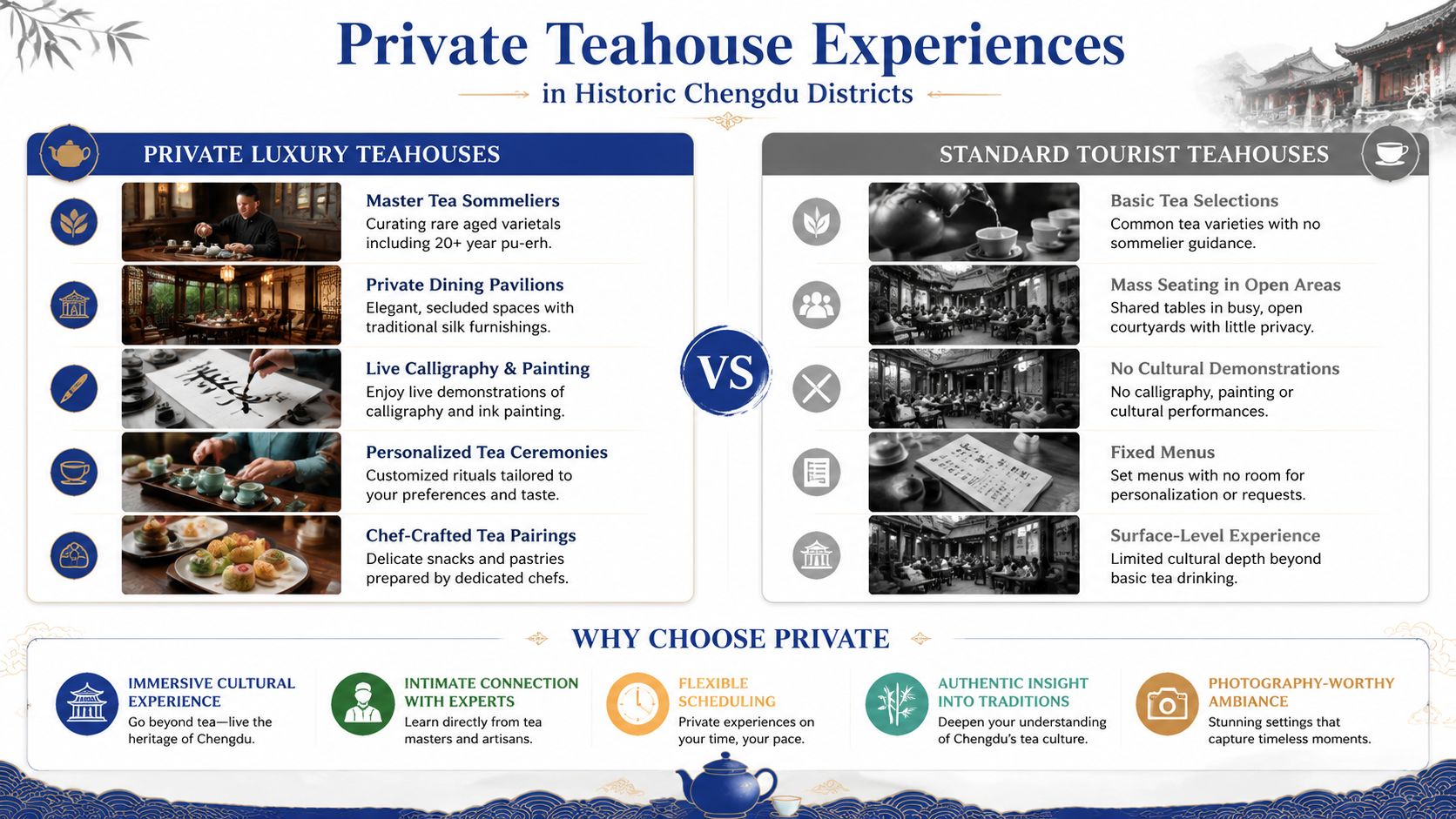
Panda viewing should begin with patience, distance, and a clear understanding of animal welfare. A private, conservation-focused visit replaces a quick photo stop with informed observation of feeding behavior, enrichment, breeding programs, and the work required to protect natural habitat. Arrange the guide around your interests, then leave enough time for the animals to set the pace.
The Chengdu-area panda region extends well beyond one urban attraction. UNESCO lists the Sichuan Giant Panda Sanctuaries at 924,500 hectares, with an additional 527,100-hectare buffer zone. The World Heritage listing places panda travel within a substantial protected habitat, so the experience should be planned as an encounter with a protected area, not a visit to a compact facility.
Choose access over staging
Request an early-morning or late-day visit when possible, and select a guide who can adjust the explanation to your group. Wildlife enthusiasts may prefer technical detail on behavior and research. Families need a visual, engaging introduction that keeps children interested without turning the animals into entertainment.
For a city stay, the Chengdu Research Base of Giant Panda Breeding is the practical first choice. With more time, consider Bifengxia Panda Base near Ya'an or an expedition-style visit connected with Wolong National Nature Reserve. These alternatives require more driving and offer less polished access, yet they provide a stronger sense of conservation work and rural conditions. That trade-off suits travelers who value proximity to fieldwork over convenience.
Wear layers and comfortable walking shoes. Expect uneven paths, changing temperatures, and time outdoors. The strongest photographs come from waiting and respecting distance, never from forced interaction.
A privately arranged China journey can coordinate the sanctuary visit with the driver, conservation guide, meal timing, and onward travel. Set up access-sensitive arrangements before fixing the rest of the itinerary.
3. Bespoke Sichuan Culinary Master Classes With Michelin-Adjacent Chefs
Chengdu's cuisine should be experienced with more intention than ordering the hottest dish on the menu and hoping for the best. A private culinary master class reveals how Sichuan cooks build flavor through layering, balance, texture, and aroma. The famous numbing sensation of huajiao is only one part of the equation.
A well-designed session might begin with ingredient selection at a local market, continue with knife work and hand-cut noodles, and end with a meal prepared in your own kitchen group. You could work with a chef connected to established Chengdu institutions such as Yu's Family Kitchen or Chen Mapo Tofu, or study dan dan noodles and chao shou with a specialist artisan.
Build the lesson around your palate
Tell the chef whether you want technical instruction, family-style recipes, or a market-led introduction to regional ingredients. Arrange a Mandarin translator with culinary vocabulary, particularly if you're interested in asking detailed questions about fermentation, spice sequencing, or cooking temperature.
Request written recipes in English when appropriate. A good chef may also explain substitutions for ingredients that are difficult to find at home, but don't expect every Sichuan flavor to translate perfectly outside the region. Some elements depend on local products, preparation methods, and the freshness of the ingredients.
Book early when working with a sought-after chef, since private kitchen availability is limited. Wear clothes suitable for practical work, and expect the experience to be hands-on rather than pristine. Splashes, heat, and a generous final meal are part of the appeal.
The most polished culinary experience still needs room for mess. That's where the learning happens.
Explore Effortlessly can shape a bespoke travel experience around the class, adding a market visit, a private dining evening, or a gentler meal afterward if your group prefers to manage the spice carefully.
4. Private Ancient Art and Buddhist Sculpture Acquisition With Museum Curators
Chengdu's cultural depth extends well beyond its most photographed streets. For collectors, a private consultation focused on Buddhist sculpture, manuscripts, or ritual objects can provide a more meaningful connection to Sichuan's artistic history than a general museum visit.
The important distinction is expertise. Ask for museum curators, credentialed antiquities specialists, and dealers with credible institutional or university affiliations. A serious viewing should address iconography, period, condition, provenance, restoration, and the ethical implications of acquisition. The object matters, but so does the chain of documentation behind it.
Treat acquisition as a research project
Begin before arrival by explaining the collection you already have, the period that interests you, and whether you're seeking a personal piece or exploring institutional collaboration. A curator can help you understand visual conventions and religious symbolism, while a specialist can clarify what documentation should accompany any proposed purchase.
The Sichuan Museum's Buddhist Art Department and Chengdu Museum's Tang Dynasty holdings are logical starting points for a culturally grounded conversation, subject to access and institutional policy. Private dealer networks affiliated with research communities may also be appropriate, but they require careful due diligence.
You'll want to discuss import and export rules before considering a purchase. Insurance, packing, shipping, and customs documentation should be addressed as part of the planning process, not as an afterthought at the airport.
For travelers building a collection, this practical guide to curating an Asian art collection offers useful background before a curator-led appointment. Read foundational material on Buddhist iconography, arrive with high-resolution references if you're matching an existing collection, and protect time for questions rather than rushing through multiple viewings.
5. Luxury River Voyage on the Min River With Private Naturalist Guides
The Min River offers a different perspective on Sichuan. A private day voyage or multi-day expedition can connect Chengdu with Leshan, riverside villages, temples, and regional food while replacing a sequence of road transfers with a more fluid journey.
The standout moment is viewing the Leshan Giant Buddha from the water. From there, a naturalist or cultural guide can shape the day around riverside ecology, village markets, local religious sites, and the changing terrain near the foothills of Emei Mountain. The experience works especially well for couples and families who want discovery without spending every day in a vehicle.
Let river logistics determine the pace
Arrange the vessel and guide well ahead of departure, particularly if you want a private itinerary rather than a fixed program. Ask specifically about language fluency. A guide who can explain local history, food, and ecology in depth will materially change the experience.
Shoulder-season planning in April, May, September, or October can support a comfortable balance of conditions and visibility, but river itineraries remain dependent on local operating factors. The broader Chengdu tourism market has expanded beyond a short city stop, with inbound visitors reaching 1.472 million in 2024 and rising 163.8% year on year. That growth makes thoughtful routing more valuable, especially when combining the city with Leshan or Emei.
Pack sturdy shoes, sun protection, and layers. Riverside weather can shift, and village visits aren't designed around polished urban surfaces. Ask your advisor to confirm whether a market stop is realistic for the sailing window, since local knowledge determines whether the visit feels genuine or forced.
For travelers considering a wider water-based itinerary, luxury river cruise lines provide a useful planning reference. Chengdu's Min River experience is more intimate and locally specific, with simplicity taking precedence over shipboard amenities.
6. Private Meditation Retreats at Buddhist Monasteries With Resident Monks
A monastery retreat is not a luxury hotel with meditation added to the schedule. That's exactly why it can become one of the most powerful experiences in Chengdu. Private arrangements may allow you to practice alongside resident monks, attend dawn chanting and evening ceremonies, and receive instruction from senior practitioners, but the rhythm belongs to the monastery.
Wenshu Monastery offers an accessible introduction near the city. Travelers seeking a more immersive experience can consider monasteries around Emei Mountain or Tibetan Buddhist centers near Kangding, where traditions and teaching styles differ. These settings require cultural respect, appropriate clothing, and a willingness to follow local expectations.
Prepare for simplicity
Discuss your previous meditation experience, physical limitations, dietary needs, and language requirements before confirming the retreat. A professional translator familiar with Buddhist terminology matters. General interpretation can miss the meaning of teachings, ritual language, and questions about practice.
Expect early rising, extended silence, vegetarian meals, and limited personal comfort. A retreat may include dawn practice beginning around 4:30 or 5:00 am, and that schedule should be treated as part of the commitment rather than an inconvenience.
Don't book a monastery retreat because it sounds exclusive. Book it because you're ready to participate respectfully.
Reserve through established monastic connections well in advance. Your advisor should also help you plan the transition afterward. Returning directly to a packed sightseeing schedule can undermine the reflective quality of the retreat, so allow a quiet night, a gentle meal, and minimal logistics before moving on.
7. Exclusive Access to Artisan Silk and Embroidery Workshops With Master Craftspeople
Chengdu's textile traditions deserve more than a quick purchase from a souvenir shelf. A private atelier visit allows you to observe skilled makers at work, understand how silk and embroidery techniques are preserved, and commission a piece with a personal story.
The strongest visits begin with the craftsperson, not the product. You may meet an embroidery family in an artisan quarter, explore Shu Brocade traditions, or work with a contemporary maker who combines historic methods with a modern design language. Each setting offers a different balance between heritage and customization.
Commission with patience
Bring visual references if you're considering a garment, textile, or home piece. Discuss color, scale, intended use, materials, and the maker's preferred techniques. A wearable piece can feel more intimate than a wall textile, particularly when the design reflects a place, family story, or shared journey.
Plan for more than one atelier conversation if the commission matters. The first meeting often establishes trust and clarifies what's possible. The maker may need time to source materials, create samples, and explain how the work will evolve.
Avoid aggressive deadlines. Handwork loses its character when artisans are pressured to imitate factory production. Ask for documentation of the process, including photographs or a written account of the maker's methods. That record gives the final piece meaning long after the trip ends.
A private driver and translator can help you visit workshops outside the most convenient tourist corridors. Keep the day light, with no major museum or mountain transfer immediately afterward. Craft is an experience of attention, and the best result comes when you're not watching the clock.
8. Private Hiking Expeditions in Emei Mountain With Conservation-Focused Mountain Guides
Emei Mountain is the choice for travelers who want physical challenge, Buddhist heritage, and a stronger connection to Sichuan's natural scenery. A private expedition can combine remote trails, ancient monasteries, temple stays, dawn meditation, and the chance to learn about habitats associated with the region's wildlife.
This isn't a casual urban excursion. Elevation gain, uneven trails, weather, and changing visibility all affect the experience. A conservation-focused mountain guide adds context about biodiversity and local stewardship while managing the practical realities of the route.
Match the trail to the traveler
Arrive with time to settle into the region before beginning a demanding itinerary. Build the route around your group's fitness, mobility, and tolerance for simple accommodation. Some travelers will prefer a challenging day hike followed by a comfortable lodge. Others will accept basic temple lodging in exchange for a more immersive experience.
Potential routes can include the Jinding and Wannian Temple areas, golden monkey habitat, or a wider circuit that combines Emei with the Leshan Buddha. Ask about porter support for multi-day travel, pack minimally, and carry layers, sun protection, and proper walking shoes.
Clearer weather in April, May, September, or October can improve visibility, but mountain conditions can change. Your guide should make the final call on daily routing. Language fluency is valuable here, since clear communication affects both interpretation and comfort.
A mountain itinerary succeeds when the route serves the traveler, not the other way around.
For guests who prefer not to sacrifice every comfort, arrange a split stay. Spend time in a well-appointed Chengdu hotel before and after the expedition, then accept the mountain's simplicity for the portion that benefits from it. That contrast makes the return to urban comfort feel earned rather than automatic.
Top 8 Private Chengdu Experiences, Comparison
| Experience | Implementation Complexity | Resource Requirements | Expected Outcomes | Ideal Use Cases | Key Advantages |
|---|---|---|---|---|---|
| Private Teahouse Experiences in Historic Chengdu Districts | Moderate, advance booking, local contacts, possible translator | Moderate cost; 2–3 hour time commitment; private transport often required | 4/5 · Deep cultural immersion, premium tasting experiences | Travelers seeking refined cultural rituals and luxury leisure | Book weekday mornings; request English-speaking sommelier or translator |
| Private Panda Sanctuary Access with Conservation-Focused Guides | High, permits, researcher coordination, strict timing (early morning) | High cost; 3+ weeks coordination; physical standing early hours | 5/5 · High educational value; direct conservation support and authentic observation | Conservation-minded visitors and researchers wanting behind-the-scenes access | Coordinate weeks ahead; plan around feeding times for activity |
| Bespoke Sichuan Culinary Master Classes with Michelin-Adjacent Chefs | Moderate, chef schedules limited, market visit logistics, translator recommended | Moderate–high cost; 3–4 hour intensive sessions; early market start | 5/5 · Practical skills, recipe knowledge, market sourcing insight | Food enthusiasts wanting hands-on skills and insider chef access | Book 4–6 weeks ahead; use culinary translator; request English recipes |
| Private Ancient Art & Buddhist Sculpture Acquisition with Museum Curators | Very High, institutional approvals, provenance verification, legal complexity | Very high cost; lengthy lead times; legal/import advisory required | 5/5 · Museum-level expertise, authenticated acquisitions, scholarly insight | Serious collectors, museums, or institutions pursuing ethical acquisitions | Build curator relationships in advance; confirm import/export rules |
| Luxury River Voyage on the Min River with Private Naturalist Guides | High, vessel charter, multi-day logistics, weather-dependent routing | High cost; 3–5 days minimum; limited connectivity; some hiking gear needed | 4/5 · Scenic cultural & ecological exploration, personalized pacing | Travelers seeking slow, immersive regional exploration and waterways access | Schedule in shoulder seasons; reserve vessel 6–8 weeks ahead |
| Private Meditation Retreats at Buddhist Monasteries with Resident Monks | High, monastic vetting, strict schedules, language support needed | Moderate cost; 3–7 day commitment; simple accommodations, translator advised | 5/5 · Deep spiritual immersion and authentic practice opportunities | Serious practitioners seeking traditional monastic training and silence | Book 2–3 months ahead; prepare for early rising and vegetarian diet |
| Exclusive Access to Artisan Silk & Embroidery Workshops with Master Craftspeople | High, atelier relationships, commissioning timelines (6–12 weeks) | High cost for bespoke pieces; multiple visits recommended; translator helpful | 5/5 · Unique heirloom textiles, craft preservation, direct artisan relationships | Collectors and patrons commissioning bespoke textiles or wearable art | Bring design references; allow realistic timelines for quality work |
| Private Hiking Expeditions in Emei Mountain with Conservation-Focused Guides | High, route planning, safety/acclimatization, guide expertise required | Moderate cost; multi-day commitment; fitness & hiking gear essential | 5/5 · Wilderness immersion, wildlife sightings, spiritual & physical challenge | Active travelers seeking biodiversity, temples, and conservation-led treks | Arrive early to acclimatize; hire experienced guide; pack layers |
Turn Eight Possibilities Into One Seamless Journey
The best Chengdu itinerary isn't a collection of premium add-ons. It's a sequence with a clear emotional rhythm. Start with the experience most sensitive to access, then build outward around geography, energy, and recovery time.
For a shorter stay, prioritize private panda access, one historic teahouse session, and a Sichuan culinary experience. Add a museum or Buddhist site only if your arrival and departure logistics leave room for it. A longer stay can support Emei Mountain, Leshan, Dujiangyan, Qingcheng Mountain, or a river-based extension, but each addition should earn its place by offering a different perspective.
Match the journey to the traveler
Couples often respond well to a private tea ceremony, culinary master class, and river voyage, with a quiet hotel evening between active days. Families benefit from early wildlife viewing followed by flexible meals, short cultural visits, and guides who can adjust explanations for different ages. Solo travelers may prefer a curator-led museum visit, an artisan workshop, or a monastery retreat where conversation and reflection carry equal weight.
Mobility deserves honest attention. Panda sanctuaries, historic districts, museums, and tea houses can be combined with private transfers and shorter walking routes. Emei Mountain is a different proposition, and the itinerary should be designed around trail conditions, elevation, rest stops, and luggage support rather than treated as a standard day trip. If you like the flexibility of a private outing but want a nature-focused trip next, compare my luxury Iceland day trip ideas.
Language support also changes the quality of the experience. A translator with culinary, Buddhist, art, or conservation knowledge is more useful than a general escort when the purpose of the visit is specialized.
Reserve the right elements first
Book the access-sensitive experiences before filling every day with sightseeing. Private researchers, specialist guides, monastery connections, atelier appointments, and preferred vessels may have limited availability. Once those anchors are secured, hotels and transfers can be positioned around them.
Allow realistic travel time between Chengdu and surrounding destinations. A polished itinerary doesn't eliminate distance, traffic, weather, or local operating conditions. It gives those factors enough space that you're not forced to choose between arriving late and skipping the experience.
Chengdu is a large, layered destination. Britannica traces the city's foundation to the Qin in the 3rd century BCE, while its metro-area population reached 9,999,000 in 2025, after 9,828,000 in 2024 and 9,654,000 in 2023. That combination of ancient origins and a nearly 10-million-person modern metro area helps explain why the city can feel both historic and highly connected.
Plan with responsible awareness
Check official government travel advisories and local guidance before departure because conditions can change. Remain aware of your surroundings throughout the journey, including in familiar places and during transfers. Explore Effortlessly works with vetted local guides, drivers, hotels, and trusted in-destination partners to maintain high service standards, but no arrangement removes the need for personal situational awareness.
I work with clients nationwide through virtual consultations, coordinating the planning, bookings, and logistics before departure while trusted in-destination partners provide on-the-ground support. Chengdu is particularly well suited to advisor-led planning because the most rewarding experiences depend on sequencing, translation, cultural context, and access rather than just collecting attractions.
For an itinerary that balances pandas, tea, cuisine, culture, and mountain immersion, Plan my luxury trip with Explore Effortlessly.
Author bio: Hi, I'm Karrah, owner, founder, and lead travel advisor at Explore Effortlessly, a luxury award-winning travel agency based in Miami. I specialize in bespoke, high-touch itineraries to bucket-list destinations around the world, including luxury cruises, private villas, honeymoons, safaris, and once-in-a-lifetime journeys. I'm a Circle of Excellence Advisor and Top 5 percent at Nexion, as well as a CLIA Accredited Cruise Counselor. My role is to simplify the planning process while elevating every detail, from the first consultation through your return home. I work with clients nationwide through virtual consultations.
Join the Explore Effortlessly newsletter for polished destination guidance, planning advice, and inspiration for your next high-touch journey.
Explore Effortlessly designs private Chengdu itineraries that pair conservation-minded panda experiences with tea, cuisine, Buddhist culture, artisan traditions, and carefully paced mountain excursions. Visit Explore Effortlessly to begin planning a journey shaped around your interests, comfort, and available time.