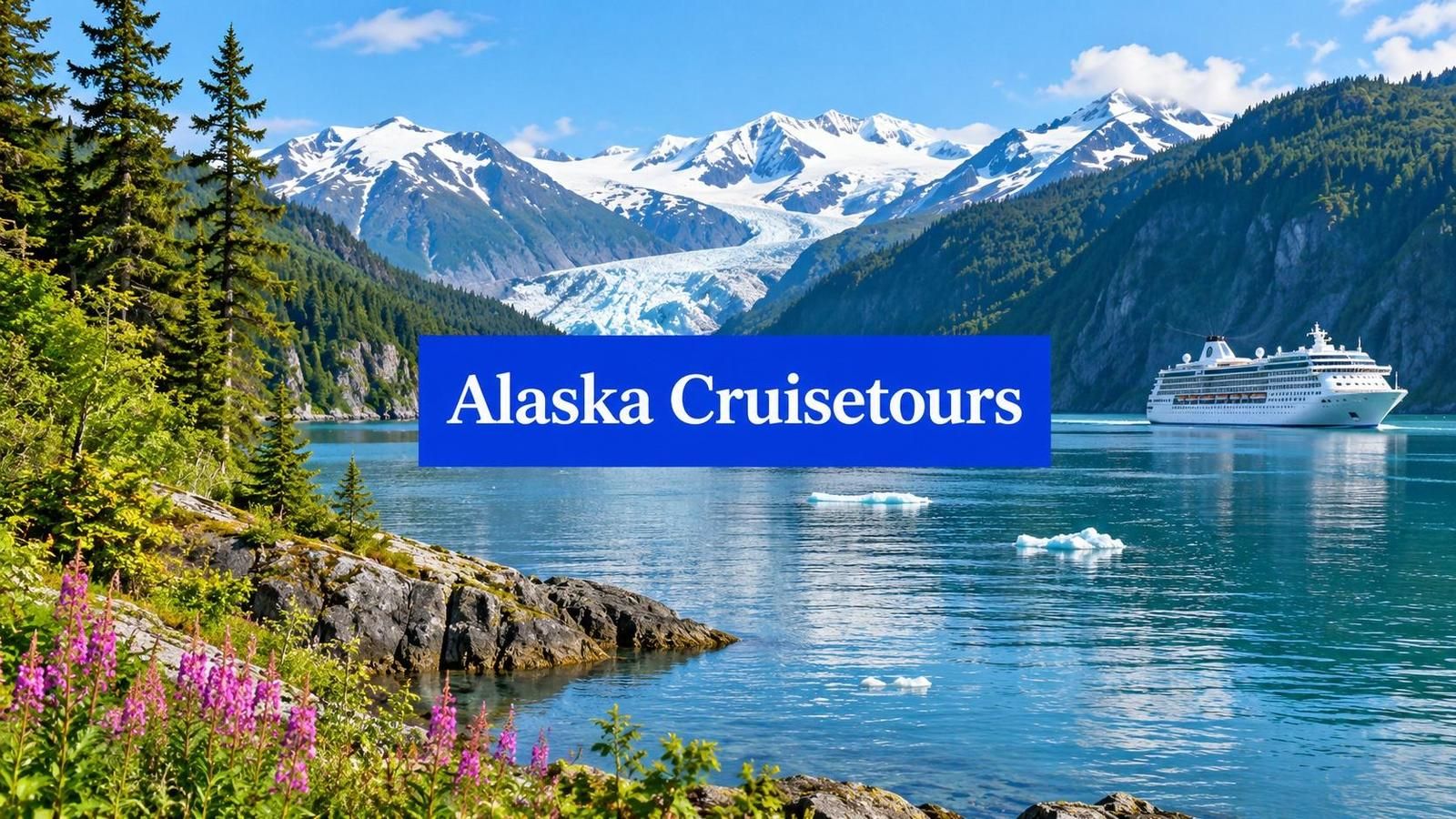
The best cruises in Alaska match your route, ship style and time ashore to the experience you want. Choose an Inside Passage voyage for a coastal introduction, a one-way sailing for a land extension, or an expedition ship when guided outdoor exploration matters more than onboard entertainment.
The difficult part is telling those experiences apart. Two sailings can show similar ports yet ask very different things of your vacation time. A beautiful suite does not fix an awkward transfer, and a long excursion list does not tell you how much exploring you will actually do.
I would start with three decisions: what you most want to see, how active you want your days to be, and how many nights you can comfortably spend away. Then I would narrow the ships. Here is how I would work through that choice.
Choose the Route Before the Ship
Alaska is not one interchangeable cruise itinerary. Travel Alaska's overview of cruise types distinguishes Inside Passage voyages from cross-gulf sailings and small-ship adventures. Common coastal stops include Juneau, Ketchikan, Skagway and Sitka, but the exact combination depends on the departure.
For a first visit with limited vacation time, I would compare round-trip Inside Passage sailings from Seattle or Vancouver. Returning to the same embarkation city keeps the flight comparison simpler. Still, read the actual route rather than assuming the departure city tells you every waterway the ship will use.
A one-way route becomes more interesting when you want the coast and an inland stay. Cross-gulf voyages can connect the Inside Passage with Southcentral Alaska, including Seward or Whittier. Treat the cruise endpoint, onward transportation and inland nights as one plan. My guide to combining Alaska cruises and land tours explains that larger pacing decision.
My planning rule: Pick the experiences you would be disappointed to miss before you pick a ship. Then check that the specific sailing actually supports them.
Match the Cruise Style to Your Travel Priorities
I would separate your shortlist into three travel styles rather than rank every cruise line together. A couple who want a spacious suite and relaxed dinners may not enjoy the same ship as travelers who want to step into a kayak whenever conditions allow.
For a comfort-led trip, I would compare luxury ocean options such as Silversea and Seabourn against your preferred route. For exploration-led travel, I would look closely at dedicated small expedition ships. Neither category wins automatically. You are choosing where you want the trip to put its emphasis.
| Cruise style | Best fit | What I would check |
|---|---|---|
| Premium ocean cruise | Travelers who want a conventional ship-based vacation with selected shore outings | Exact ship, cabin location, port hours and added experience costs |
| Luxury ocean cruise | Couples prioritizing suite comfort, dining and an unhurried onboard atmosphere | Suite layout, viewing spaces, fare inclusions and glacier routing |
| Small expedition cruise | Travelers who want guided outdoor exploration to shape the day | Activity format, boarding requirements, cabin differences and physical fit |
Small does not mean the same thing on every ship
Look at the actual vessel, not just the label. The official National Geographic Venture ship profile lists 100 guests, a shallow draft and twin Zodiac boarding platforms. Those are concrete expedition design details. They tell you more than a general promise of an intimate experience.
I would also ask what you want after a full outdoor day. Do you want quiet conversation and an early night, or a wider range of evening choices? Be honest about that preference. The ship should suit the vacation you will enjoy, not the one that sounds most adventurous on paper.
Make Glacier Viewing an Itinerary Decision
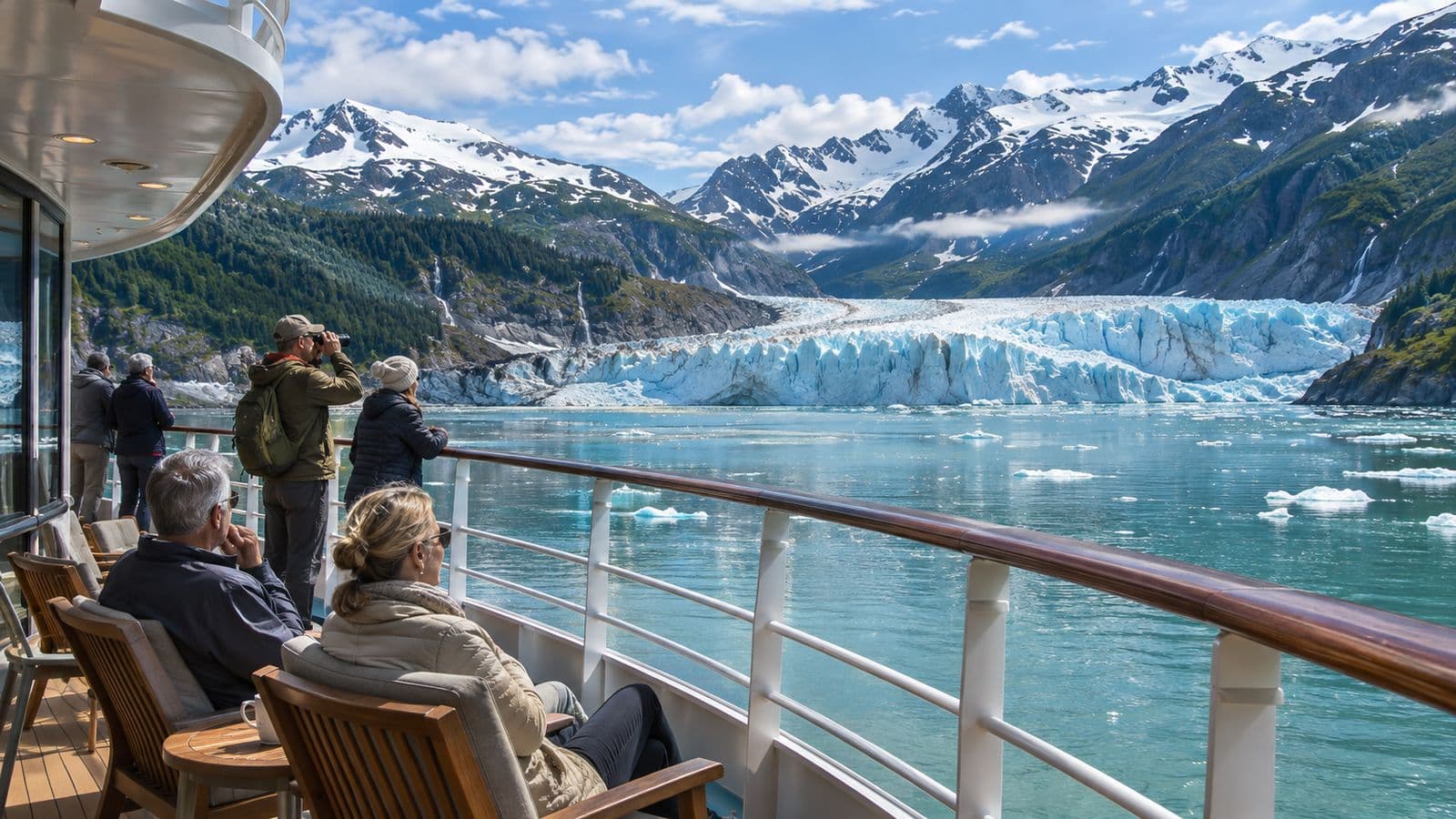
If Glacier Bay is a priority, check for it by name on the departure you are considering. The National Park Service's cruise visitor guidance specifically warns that many Alaska cruises do not visit the park. It also explains that cruise ships visit by water rather than docking there.
This is why I would never substitute the phrase glacier cruising for an itinerary review. Ask which glacier area is scheduled, how the day is described and what kind of viewing the trip is designed around. A scenic day from the ship and a small-boat outing are different experiences.
Keep the expectations realistic, too. A scheduled glacier visit is not a promise of a particular close approach, an ice-calving display or a wildlife sighting. I would choose a voyage with several meaningful coastal experiences rather than make the whole vacation depend on one photograph.
For that day, I would protect your time. Avoid building an onboard schedule that pulls you away from the scenery you came to see. Have your layers and camera ready, review the ship's daily program and leave room simply to watch.
Pick Your Season Around the Experience
The main Alaska cruise season runs from May through September, with some departures extending into April or October. Travel Alaska's Alaska cruise planning overview is a useful starting point, but I would choose dates around your specific route and interests rather than declare one month best for everyone.
For a family, the practical question may be which dates fit school and work without squeezing the flights. For a couple with flexible dates, I would compare the actual sailing, cabin availability and shore plans across several weeks. A preferred suite on a better-fitting route may matter more than chasing a supposedly perfect month.
Weather still deserves a vote. Glacier Bay's official weather and conditions guidance describes cool, moist summers and says September and October tend to be the wettest months there. That is local guidance, not a forecast for every Alaska port. Good rain gear belongs in your plan even when the brochure shows sunshine.
I would bring a waterproof outer layer, useful insulating layers and footwear chosen for your activities. Before travel, review current forecasts and your excursion operator's equipment instructions. The goal is to stay comfortable enough to spend time outside, not to pack a different outfit for every possible photograph.
Choose a Cabin You Will Actually Enjoy
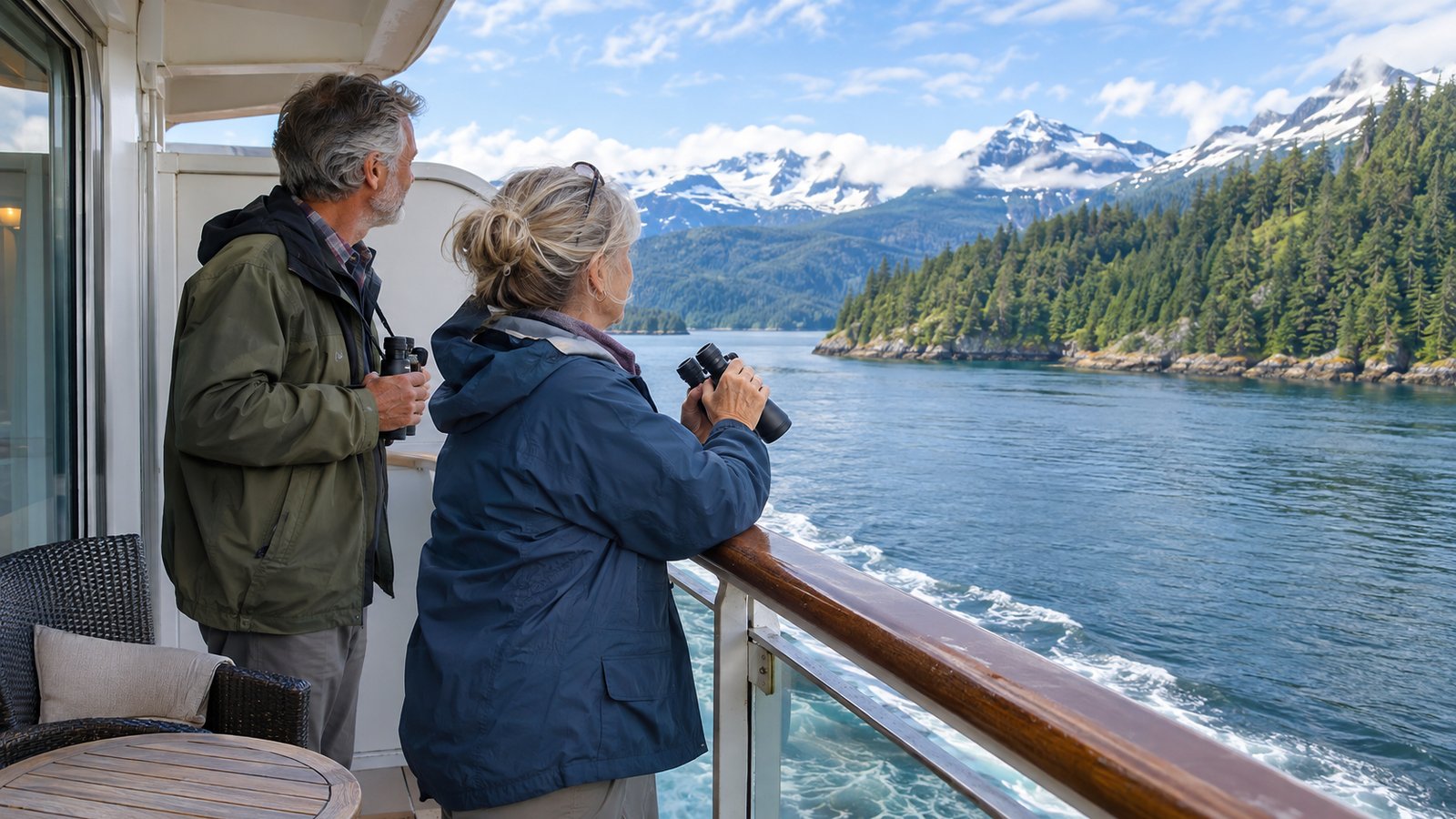
A balcony is worth considering when you love private viewing time. I like the idea of being able to step outside with your coffee without first heading to a public deck. But I would not automatically trade away a better route or your most important shore experience to afford one.
Read the category description carefully. A suite label does not always mean a balcony. For example, the Silver Whisper suite and ship overview describes Vista Suites with large picture windows and separate veranda categories. That is a meaningful comfort distinction, not just a different name on a fare grid.
Compare the floor plan before the upgrade
I would check the bed arrangement, seating, bathroom layout, storage and exact position on the deck plan. For two travelers keeping different sleep schedules, usable interior space may matter more than an impressive category name. For a multigenerational group, discuss connecting rooms, proximity and access needs before accepting the available cabins.
I would not choose a cabin side as if it guaranteed the best view for the whole voyage. Read the route and keep public observation spaces in the comparison. Your cabin can be a lovely retreat without becoming the only place you experience Alaska.
Coordinate Flights, Hotels and Transfers
My default recommendation is to arrive in your embarkation city at least one night before the cruise. That is a planning buffer, not a guarantee against disruption. It gives the first day a different rhythm from racing between an airport and a ship.
For a Seattle round trip, compare flight timings with the hotel location and port transfer. For a Vancouver departure, include the international journey in your document review. For a one-way sailing, pay particular attention to the actual disembarkation port rather than treating the nearest major airport as if it were beside the pier.
I would confirm these pieces together before committing to a return flight:
- Ship schedule: The planned disembarkation time and the operator's flight recommendations.
- Transfer plan: Pickup location, luggage arrangements and the realistic connection to your next stop.
- Hotel choice: A location that supports your arrival or departure, rather than just a room you liked online.
- Travel documents: Current requirements for your nationality, transit countries and exact itinerary.
- Contingency: Who to contact if a delay affects the next part of the trip.
Requirements and operations can change. Travelers are responsible for meeting applicable entry requirements; check current government guidance and the cruise line's instructions for your specific journey. I would rather build a sensible connection than explain away a fragile one because the flight looked convenient.
Spend Your Shore Time Deliberately
Start with the experiences you genuinely want, not a goal of filling every port hour. A whale-watching outing, a cultural visit and an active paddle should not be treated as interchangeable boxes to tick. Decide what you want to learn, how much activity feels right and where you would appreciate a slower day.
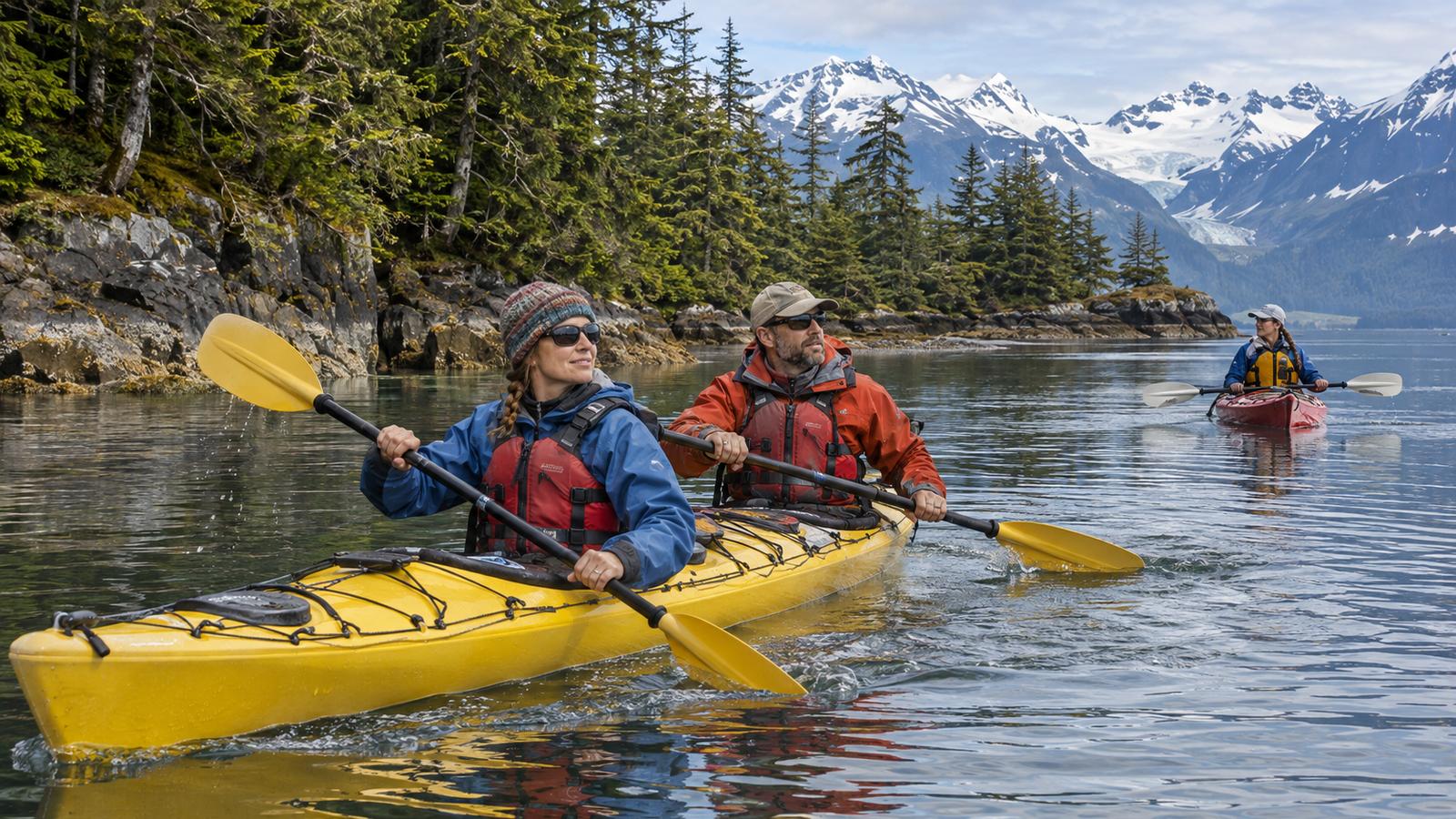
For an expedition trip, ask how the daily exploration works and which activities are included. Also ask what happens when one traveler wants a gentler option. A photograph of a kayak does not tell you the boarding process, physical requirements or available alternatives on your departure.
I would spend on an experience that advances your reason for taking the trip before adding another suite upgrade. That might mean more private space for someone who needs quiet recovery time, or a carefully chosen guided outing for someone who wants deeper context. The right upgrade solves a real preference.
If you are leaning toward active exploration, my National Geographic Alaska cruise planning guide goes further into that style. You can also compare UnCruise Alaska routes and cabin choices to clarify how much of your ideal day happens outdoors rather than around a conventional port schedule.
What Cruises in Alaska Cost
For the seven-night luxury and eight-day expedition examples reviewed here, roughly $4,400 to $11,000 or more per person is an illustrative cruise-fare planning range. This is not a market average or an estimate for your complete vacation. It is not a quote or a guaranteed price.
Here is the basis. When checked on November 4, 2026, Silversea's August 12 to 19, 2027 Vancouver-to-Seward sailing showed an advertised All-Inclusive entry fare of $4,420 per guest, with veranda categories from $5,780 per guest. National Geographic-Lindblad Expeditions showed its eight-day May 23 to 30, 2027 Alaska's Inside Passage departure on National Geographic Venture from $11,000 per person, excluding flights.
For two travelers, the rounded range above becomes about $8,800 to $22,000 or more in cruise fares, subject to the applicable occupancy terms. These examples involve different ships, cabins and inclusion structures. They are useful reference points, not evidence that every premium Alaska trip should cost the same.
Your actual cost can vary significantly with the number of travelers, travel dates and season, trip length, route, cruise line, cabin category, level of luxury and current availability. Airfare, pre-cruise hotels, transportation and transfers, shore experiences, dining and beverage inclusions, gratuities and any land extension also change the total. A complete trip price cannot be accurately estimated without those choices. I would price the pieces together rather than assume that all-inclusive covers every expense.
Frequently Asked Questions
What are the best cruises to experience Alaska?
For comfort-led travel, I would start with luxury ocean ships on a route that includes your priorities. For guided outdoor exploration, I would start with small expedition ships. The best choice is the specific departure that fits your activity level, viewing priorities and overall schedule, not simply the line with the strongest name recognition.
How much should two people plan to spend?
The selected luxury and expedition examples above suggest an illustrative cruise-only range around $8,800 to $22,000 or more for two. Airfare, hotels, transfers and other experiences need a separate review. I would not present that range as a complete vacation budget or an average for every cruise in Alaska.
What is included in an Oceania cruise fare?
Oceania's current Your World Included description lists specialty dining, shipboard gratuities, Wi-Fi and specified nonalcoholic drinks. It also describes a choice between specified wine and beer during lunch and dinner restaurant hours or a shore excursion credit. Check the terms attached to your sailing; do not assume those benefits mean every drink, tour or travel expense is covered.
Are these river cruises in Alaska?
No. The Inside Passage and cross-gulf trips discussed here are coastal voyages, not river cruises. If what you enjoy about river cruising is a smaller ship and a destination-focused rhythm, I would compare small coastal ships rather than assume a river-cruise product will provide the same Alaska route.
Which Alaska cruises should I avoid?
I would avoid a poor fit rather than blacklist a line. Warning signs include a route missing your priority glacier area, a schedule built around connections you are uncomfortable with, or an expedition format that does not suit your mobility and activity preferences. Resolve those mismatches before you make the cabin upgrade decision.
Plan Your Alaska Cruise with Explore Effortlessly
Tell me what you want your Alaska days to feel like. Quiet glacier viewing from a comfortable ship? Guided time on the water? A coast-and-land journey with room to settle in? That answer gives us a better starting point than a long list of departures.
Explore Effortlessly can help compare the route, ship and cabin, then coordinate the flights, hotels, transfers and selected experiences around the cruise. As a CLIA Accredited Cruise Counselor, I focus on how those choices work together, not just which fare looks appealing first.
If you are considering a larger ship alongside luxury and expedition options, my Norwegian Alaska cruise planning guide offers another useful comparison. When you are ready to turn your preferences into a trip plan, Start Planning My Alaska Cruise.
Join the Explore Effortlessly travel newsletter for more thoughtful travel ideas and planning guidance.
About the Author
Hi, I'm Karrah Kazravan, owner and lead travel advisor at Explore Effortlessly, an award winning Miami agency serving clients nationwide. I design custom journeys for busy travelers who want confident recommendations and thoughtful coordination. I have traveled to more than 67 countries across all seven continents and am a Nexion Circle of Excellence Top 5% advisor, ASTA Verified Travel Advisor, Certified Travel Associate, and CLIA Accredited Cruise Counselor.