
Peru is a land of ancient mysteries, vibrant cultures, and breathtaking landscapes that consistently captivate the most discerning travelers. From the mist-shrouded peaks of Machu Picchu to the culinary brilliance of Lima, the sheer diversity of experiences can feel overwhelming. Many travelers know the famous sites, but experiencing them with the right logistics, timing, and exclusive access transforms a great trip into a life-changing one.
This curated guide moves beyond a simple checklist of destinations. As a luxury travel advisor, I have designed this resource to provide an insider’s perspective on the 10 experiences that are an absolute must see in Peru. The focus here is on how to explore them seamlessly, comfortably, and with the depth they truly deserve. This is not just about what to see, but how to see it, addressing the critical details that ensure a flawless journey.
Here are the key takeaways for planning a luxury trip to Peru:
- Prioritize Altitude Acclimatization: A successful Andean journey begins with a gradual ascent. Start in the lower-altitude Sacred Valley before moving to Cusco to minimize the risk of altitude sickness.
- Plan Ahead for Exclusivity: Coveted experiences like permits for Machu Picchu, tables at world-renowned restaurants in Lima, and stays at top-tier lodges must be booked months in advance.
- Leverage Expert Guidance: Private guides, drivers, and local partners are non-negotiable for a seamless experience. They provide historical context, logistical ease, and access to less-traveled paths.
- Embrace Diverse Landscapes: A comprehensive itinerary should balance the iconic Andean highlands with other unique regions like the Amazon rainforest, the coastal desert, or the wildlife-rich Ballestas Islands.
My goal is to provide the framework for a journey that feels both profound and effortless. Let's move past the common travel advice and design a Peruvian itinerary that is perfectly tailored, deeply immersive, and truly unforgettable. We will cover everything from the iconic ruins and stunning natural wonders to the hidden gems that define this incredible country.
1. Machu Picchu
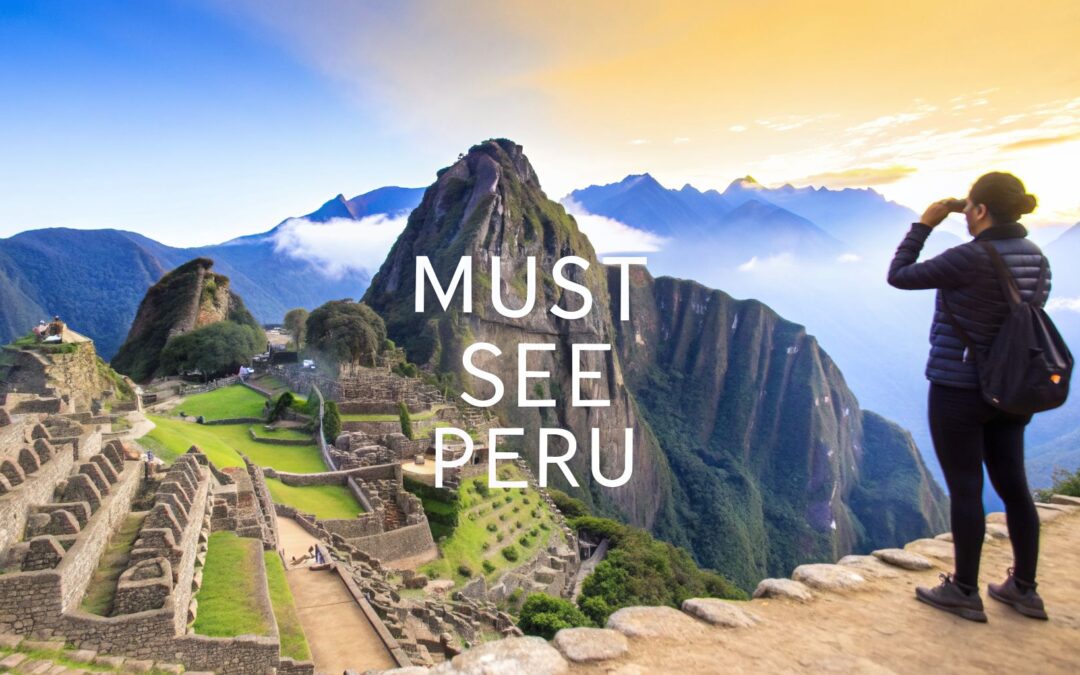
No list of what you must see in Peru is complete without its crown jewel: Machu Picchu. Perched at 7,970 feet in the Andes Mountains, this 15th-century Incan citadel is a breathtaking testament to architectural and astronomical genius. Its stone structures, perfectly carved and fitted without mortar, align with celestial events, showcasing an incredible understanding of the cosmos. As a UNESCO World Heritage Site and one of the New Seven Wonders of the World, its enigmatic purpose and stunning mountain backdrop create an atmosphere of profound mystery and beauty.

Experiencing Machu Picchu with Intention
To truly appreciate this landmark, avoiding the crowds is essential. A carefully planned visit transforms a potentially overwhelming experience into a deeply personal one.
- Best Time to Visit: The shoulder seasons of April-May and October-November offer the best balance of pleasant weather and fewer visitors.
- Altitude Acclimatization: Spend at least two to three nights in Cusco or the Sacred Valley beforehand. This crucial step helps your body adjust to the high altitude, ensuring you feel your best while exploring the citadel.
- Arrival Strategy: The key to a serene visit is an early start. Aim to enter the site right at opening (around 6 AM) to witness the morning mist burn off the mountains, revealing the ruins in a magical light before the main crowds arrive.
- Expert Guidance: A private guide is non-negotiable for a luxury experience. They can tailor the tour to your interests, from engineering marvels to spiritual significance, and lead you to quieter vantage points away from the main tourist paths.
For a seamless and elevated journey, I often arrange travel on the Belmond Hiram Bingham train, which offers gourmet dining, live music, and an exclusive atmosphere on the scenic route from Cusco. For a deeper understanding of how to craft the ultimate visit, explore our dedicated guide to luxury travel to Machu Picchu.
2. Sacred Valley
Just an hour outside of Cusco, the Sacred Valley of the Incas, or Urubamba Valley, is an essential and deeply atmospheric part of any Peruvian journey. This lush, fertile valley, flanked by the Andes and carved by the Urubamba River, was the heartland of the Incan empire. It remains a vibrant cultural center today, home to Quechua communities who continue ancient farming and weaving traditions. Its lower elevation makes it an ideal place to acclimatize, offering a gentler introduction to the region's altitude.

Experiencing the Sacred Valley with Intention
To truly connect with this region, it’s best experienced at an unhurried pace, allowing for spontaneous discoveries and meaningful cultural immersion away from the day-tripping crowds.
- Best Time to Visit: The dry season from April to October provides sunny days perfect for exploring archaeological sites and hiking. Shoulder months like April, May, and September offer lush green landscapes with fewer visitors.
- Altitude Acclimatization: At an average elevation of 9,500 feet, the valley is lower than Cusco. Staying here for two to three nights upon arrival is the most comfortable and strategic way to acclimate before venturing to higher altitudes like Machu Picchu.
- Arrival Strategy: Fly into Cusco but arrange for an immediate private transfer directly to your hotel in the Sacred Valley. This avoids the initial shock of Cusco’s higher altitude and immerses you in a serene environment from the start.
- Expert Guidance: Working with me allows for curated experiences far beyond a standard tour. I arrange private visits to the salt mines of Maras, agricultural terraces of Moray, and weaving cooperatives where you can participate in hands-on workshops with local artisans for a truly authentic encounter.
For an immersive and all-encompassing stay, I often recommend a luxury lodge like Explora Valle Sagrado. Their all-inclusive model features expert-led daily excursions tailored to your interests and fitness level, from challenging hikes to cultural explorations, providing a seamless and deeply enriching way to connect with the land and its people.
3. Cusco Historic Center
As the ancient capital of the Inca Empire and the gateway to the Sacred Valley, Cusco is an unmissable part of any Peru itinerary. Situated at a breathtaking 11,150 feet, this UNESCO World Heritage Site is where history lives and breathes. Its cobblestone streets reveal a stunning architectural fusion, with Spanish colonial buildings constructed directly upon the foundations of masterful Incan stonework. The city isn't just a stopover; it's the vibrant cultural heart of the Andes, a place that is essential to experience and a must see in Peru.

Experiencing Cusco with Intention
A successful visit to Cusco hinges on proper acclimatization and thoughtful exploration. Its high altitude demands respect, but with careful planning, it becomes an enchanting and comfortable base for your Andean adventures.
- Best Time to Visit: The dry season from April to October offers clear skies and pleasant days, ideal for exploring the city and its surroundings.
- Altitude Acclimatization: This is the most critical factor. I recommend spending your first night in the lower-altitude Sacred Valley (around 9,000 feet) to adjust gradually before ascending to Cusco. Upon arrival, rest for several hours, drink coca tea, and avoid strenuous activity for the first 24 hours.
- Arrival Strategy: Plan to arrive in the early afternoon. This allows you to check into your hotel and have a relaxed evening to acclimatize before a full day of exploration. A private car and driver ensure a safe and seamless transfer from the airport.
- Expert Guidance: Exploring Cusco with a private, English-speaking guide transforms your visit from a simple walk to an immersive historical lesson. They can provide crucial context for the blend of Incan and Spanish influences at sites like the Qorikancha (Sun Temple) and lead you through the charming, quieter streets of the San Blas neighborhood.
For a truly curated journey that balances adventure with comfort, it is essential to build an itinerary that prioritizes your well-being and interests. Learn more about how I design personalized travel itineraries that handle every logistical detail.
4. Lima's Culinary Scene & Historic Districts
Often the gateway to Peru, Lima is far more than just a layover city; it is the undisputed culinary capital of South America. This vibrant coastal metropolis offers a stunning fusion of colonial history and modern gastronomy, making it an essential part of any Peruvian journey. With multiple restaurants consistently ranked among the world's best, Lima provides a sophisticated, sea-level entry point to the country's rich cultural tapestry, allowing for a gentle start before ascending to higher altitudes.
Experiencing Lima with Intention
To truly savor Lima, a curated approach that balances its world-class dining with its rich history is key. Strategic planning ensures you experience the best of the city’s flavors and sights with comfort and exclusivity.
- Best Time to Visit: Lima's climate is mild year-round. Visit from December to April for warm, sunny beach weather. May to November brings cooler, overcast skies, which is often ideal for city exploration.
- Arrival & Acclimatization: Plan to spend at least two to three nights here. Its sea-level location makes it the perfect place to start your trip, resting from international travel before heading to high-altitude destinations like Cusco.
- Dining Strategy: Reservations at top-tier restaurants like Central or Maido must be secured months in advance. I leverage my connections to secure these coveted tables for my clients, ensuring you don't miss out. For a deeper dive, a private food tour with an expert guide can reveal hidden cevicherías and local markets.
- Expert Guidance: Navigating Lima is best done with a private car and driver. I arrange all ground transportation for seamless, safe transit between the upscale districts of Miraflores and San Isidro, historic sites, and your dining reservations. A private guide for the Larco Museum or a hands-on cooking class elevates your cultural immersion.
5. Lake Titicaca & Puno
Steeped in Incan mythology, Lake Titicaca is more than just a body of water; it’s revered as the birthplace of civilization. At an astonishing 12,507 feet, it is the world’s highest navigable lake, a vast expanse of sapphire blue shared between Peru and Bolivia. This sacred place, where legend says the first Inca rulers emerged, offers a profound connection to the ancient Aymara and Quechua communities who still inhabit its shores and islands. The blend of stunning high-altitude scenery and living culture makes this a truly transformative stop on any Peruvian journey.
Experiencing Lake Titicaca with Intention
To truly connect with the spirit of this legendary lake, a thoughtfully planned visit focused on acclimatization and authentic cultural engagement is paramount.
- Best Time to Visit: The dry season from April to October offers clear blue skies and minimal rain, ideal for boat excursions and photography.
- Altitude Acclimatization: This is non-negotiable. Plan for at least two nights in the gateway city of Puno before embarking on any extensive lake activities. Arriving via the scenic Andean Explorer train from Cusco provides a gradual ascent and breathtaking views.
- Arrival Strategy: Schedule boat tours for the early morning. This allows you to experience the lake at its calmest and most serene, before the afternoon winds pick up and create choppy conditions.
- Expert Guidance: Engaging a private guide knowledgeable in Aymara and Quechua history is essential for authentic encounters. They can facilitate meaningful interactions on islands like Amantaní and Taquile, connecting you with local artisans and traditions far from the more commercialized stops.
For an immersive luxury experience, properties like Titilaka and Explora Titicaca offer all-inclusive stays with exclusive, expert-led excursions. These lodges ensure seamless logistics and deep cultural connections, allowing you to focus entirely on the magic of this high-altitude wonder, another essential must see in Peru.
6. Nazca Lines
Etched across nearly 1,200 square kilometers of arid coastal plain, the Nazca Lines are one of archaeology's most profound and enduring mysteries. These colossal geoglyphs, created by the Nazca culture between 500 BCE and 500 CE, depict everything from hummingbirds and monkeys to spiders and abstract geometric shapes. Visible in their entirety only from the sky, these ancient designs have fueled centuries of speculation, making them a truly captivating and essential stop on any comprehensive Peru itinerary. Their scale and precision continue to baffle researchers, securing their place as a must see in Peru.
Experiencing the Nazca Lines with Intention
The only way to truly comprehend the magnitude of the Nazca Lines is from above. A well-planned aerial tour transforms this enigmatic site from an abstract concept into a breathtaking reality, offering a perspective that is both humbling and awe-inspiring.
- Best Time to Visit: The early morning hours, typically between 7 AM and 9 AM, offer the calmest air and clearest visibility, ensuring a smoother flight and optimal viewing conditions before the desert winds pick up.
- Logistical Strategy: Base yourself in the nearby Ica region or Paracas rather than Nazca itself. These areas provide superior luxury accommodations and dining, allowing you to combine your flight with a visit to Peru’s renowned wine and pisco vineyards.
- Arrival and Viewing: Book your scenic flight well in advance with a reputable, safety-vetted operator. The flight itself is brief, around 30-45 minutes, but the sharp banking turns required for viewing can induce motion sickness; consider medication if you are susceptible.
- Expert Guidance: Enhance your understanding by visiting the Maria Reiche Museum or hiring a local expert. A knowledgeable guide can provide critical context on the leading theories about the lines’ purpose, from astronomical calendars to ceremonial pathways, deepening your appreciation for this ancient marvel.
For a seamless journey, I arrange private transfers from your hotel in Ica or Paracas to the Nazca airfield and secure bookings with top-tier flight operators. This ensures your experience is not only spectacular but also safe, comfortable, and flawlessly executed from start to finish.
7. Arequipa & Colca Canyon
Beyond the well-trodden Inca Trail lies Peru's "White City," Arequipa, a stunning example of preserved colonial architecture built from pearlescent volcanic sillar stone. This cosmopolitan hub, framed by three dramatic volcanoes, serves as the perfect gateway to one of the world's most profound natural wonders: Colca Canyon. At over 10,900 feet deep, it is more than twice as deep as the Grand Canyon, offering a raw, dramatic landscape that is essential for any comprehensive Peru itinerary. The region combines urban sophistication with the untamed beauty of the Andes, creating a truly unique must-see in Peru.
Experiencing Arequipa & Colca Canyon with Intention
A journey to Arequipa and Colca Canyon rewards thoughtful planning, allowing for proper acclimatization and exclusive experiences away from the main tourist circuit. This two-part destination offers both cultural immersion and breathtaking adventure.
- Best Time to Visit: The dry season from May to October provides clear skies, ideal for both exploring Arequipa's streets and spotting condors against the brilliant blue sky in the canyon.
- Altitude Acclimatization: Arequipa sits at a manageable 7,660 feet, making it an excellent place to spend at least one night to acclimatize before ascending higher into the Colca Canyon region.
- Arrival Strategy: For the iconic condor viewing, an early start is critical. Arrive at the Cruz del Condor viewpoint before 9 AM, when the morning thermal updrafts carry these majestic birds high into the sky for their daily hunt.
- Expert Guidance: Navigating the vast canyon requires local expertise. Guided experiences booked through premier lodges ensure safety, comfort, and access to private vantage points. A skilled guide can arrange multi-day treks with porters and premium equipment or lead you on exclusive cultural tours through remote Quechua villages.
For an immersive and restorative stay, I recommend a luxury lodge nestled within the canyon, such as Belmond Las Casitas or Colca Lodge. These properties offer unparalleled views, authentic cultural encounters, and access to natural hot springs, providing a perfect way to recover and relax after a day of high-altitude exploration.
8. Manu National Park & Peruvian Amazon
For those seeking an encounter with raw, untamed nature, few places on Earth compare to Manu National Park. This vast protected wilderness in southeastern Peru is a staggering sanctuary of biodiversity, stretching from high-altitude cloud forests down to lowland tropical rainforests. Recognized as a UNESCO World Heritage Site, it protects an estimated 10% of the world's known species within its boundaries. Its remote location and limited, controlled tourism ensure an authentic and profound jungle experience, making it a mandatory stop for serious wildlife enthusiasts.
Experiencing Manu with Intention
A journey into the Amazon is not just a tour; it's an immersive expedition that requires careful planning and a spirit of adventure. Maximizing your experience means preparing for the realities of this wild environment.
- Best Time to Visit: The dry season, from May to October, is ideal. Lower water levels expose more riverbanks, attracting wildlife and making trails more accessible for jungle hikes.
- Gateway & Itinerary: Plan for a minimum of four to five days. The journey begins with a 30-minute flight from Cusco to Puerto Maldonado, the gateway town, followed by river transport to your remote eco-lodge.
- Health & Safety: A pre-travel consultation with a travel medicine physician is essential. Discuss malaria prevention and ensure your yellow fever vaccination is administered at least 10 days before your trip.
- Expert Guidance: The value of a top-tier naturalist guide cannot be overstated. Their expertise in spotting elusive wildlife, identifying plant species, and interpreting the complex jungle ecosystem will transform your visit from a simple sightseeing trip into a deep learning experience.
Coordinating the logistics of flights, transfers, and vetted eco-lodges is crucial for a seamless Amazonian adventure. I work with premier local partners to ensure your comfort and safety while you explore one of the planet's most incredible wild places. To see how this fits into a broader itinerary, discover more of the amazing things to do in Peru.
9. Paracas & Ballestas Islands
Where the desert meets the sea, you'll find Paracas, a coastal sanctuary that offers a stunning counterpoint to Peru's Andean highlands. Located just a few hours south of Lima, the Paracas National Reserve and the nearby Ballestas Islands form a unique UNESCO-protected ecosystem. This convergence of hyper-arid desert and the nutrient-rich Pacific Ocean creates a haven for marine life, earning the Ballestas the nickname "the Galápagos of Peru" and making it an unmissable destination for wildlife enthusiasts.
Experiencing Paracas with Intention
A well-planned excursion to the Paracas Peninsula and its surrounding islands ensures an immersive and comfortable wildlife viewing experience, revealing a side of Peru that many travelers overlook.
- Best Time to Visit: The months between September and April provide the clearest skies and warmest coastal temperatures, ideal for boat tours and exploring the desert reserve.
- Arrival Strategy: Boat tours to the Ballestas Islands typically depart at 8 AM. Arriving at the dock by 7:30 AM is crucial. I recommend booking your tour the previous day through your hotel or a reputable local operator.
- Expert Guidance: A private boat tour offers unparalleled flexibility and depth. A dedicated guide can provide detailed commentary on the enigmatic Candelabra geoglyph, the region's unique desert ecology, and the specific behaviors of the wildlife you encounter, from Humboldt penguins to massive sea lion colonies.
- Comfort and Preparation: The ocean spray and coastal winds can be chilly, even on sunny days. Bring layers, including a waterproof jacket. If you are prone to motion sickness, take medication preemptively. A camera with a quality zoom lens is essential for capturing frame-worthy shots of the distant animals.
For a seamless luxury experience, consider staying at the Aranwa Paracas Resort & Spa, which offers premier comfort and easy access to morning boat departures. A visit here is easily combined with a trip to the nearby Ica wine region or a flight over the mysterious Nazca Lines for a comprehensive coastal itinerary.
10. Ica Wine Region & Huacachina Oasis
Beyond the Andes lies a completely different, yet equally captivating, Peruvian landscape. The Ica region, a sun-drenched coastal desert just a few hours south of Lima, is the heart of Peru's burgeoning wine and pisco production. Here, historic bodegas stand as a testament to centuries of viticulture, producing the nation's beloved grape brandy. This fertile valley culminates in the stunning Huacachina, a legendary desert oasis where a tranquil lagoon is encircled by monumental sand dunes, offering a unique fusion of relaxation and adventure.
Experiencing Ica and Huacachina with Intention
To fully savor this unique desert destination, a blend of curated cultural tours and well-timed adventure is key. Thoughtful planning transforms a simple visit into an immersive journey through one of the most unique places you must see in Peru.
- Best Time to Visit: The months from September to May offer warm, sunny weather ideal for both vineyard tours and desert excursions.
- Curated Tastings: A private, guided tour of the region’s most esteemed bodegas is essential. This allows for an intimate pisco and wine tasting experience, providing deep insights into the history and production process that you won't get on a standard tour.
- Dune Adventures: The best time to explore the massive dunes is either early in the morning or late in the afternoon. A private dune buggy tour during these times avoids the intense midday heat and provides dramatic, golden-hour light for unforgettable sandboarding and photography.
- Elevated Stays: For an exceptional experience, stay at a premier property like the Aranwa Paracas Resort & Spa nearby or a comfortable boutique hotel at the oasis. This ensures a tranquil retreat after a day of exploration and provides a luxurious base for your desert adventures.
Combining a visit to the Ica wine region with a flight over the nearby Nazca Lines creates a comprehensive itinerary that covers both natural wonders and ancient mysteries. As your travel advisor, I can seamlessly arrange all transfers, private tours, and exclusive tastings for a flawless desert escape.
From Inspiration to Impeccable Execution
Turning this list of "must see in Peru" destinations into a tangible, stress-free reality requires intricate planning and deep-seated local knowledge. The logistical puzzle of Peru, from acclimatizing to high altitudes to coordinating multiple internal flights and private transfers, can be overwhelming. This is where my expertise becomes invaluable.
Consider the following critical planning points that elevate a good trip to an unforgettable one:
- Pacing and Acclimatization: A common client pain point is rushing to Cusco (11,152 ft) without proper acclimatization. My planning strategy starts you at a lower altitude in the Sacred Valley (around 9,000 ft) for a few days, allowing your body to adjust gently before moving higher. This logistical choice is the difference between enjoying every moment and battling altitude sickness.
- Exclusivity and Access: Securing permits for Machu Picchu during peak times requires advance planning. My partnerships on the ground provide access to exclusive experiences, such as private cooking classes with renowned chefs in Lima or meetings with Andean weavers to learn about their craft firsthand.
- Seamless Logistics: Imagine arriving in a new city and having your private driver waiting, your luggage handled, and your check-in at a pre-vetted luxury hotel already complete. I coordinate every transfer, from airport pickups to the Vistadome or Hiram Bingham train, ensuring your journey is smooth and entirely focused on the experience, not the hassle.
- Personalized Curation: Your interests dictate the flow of the itinerary. Are you a history buff, a culinary enthusiast, or an adventure seeker? I can arrange for an archaeologist to guide you through Cusco’s ruins, secure reservations at Central or Maido months in advance, or organize a luxury Amazon cruise that aligns with your comfort level and wildlife viewing priorities.
By entrusting your travel plans to me, you unlock a more profound and personalized version of Peru. My role is to understand your vision and translate it into a perfectly executed journey. I handle the complexities behind the scenes, from vetting the best guides to managing every reservation, while you simply immerse yourself in the wonders of Peru. While you travel, you can explore with complete peace of mind, knowing that my trusted in-destination suppliers and local partners provide 24/7 on-the-ground support.
Author Bio
Hi, I’m Karrah, owner, founder, and lead travel advisor at Explore Effortlessly, a luxury award winning travel agency based in Miami.
I specialize in designing bespoke, high touch itineraries to bucket list destinations around the world. Every trip I plan is carefully curated with intention, insight, and logistics handled seamlessly from start to finish.
As the primary advisor, I work closely with each client to understand their travel style, priorities, and vision, then translate that into a thoughtful, elevated experience. From luxury cruises and private villas to honeymoons, safaris, and once in a lifetime journeys, my role is to simplify the planning process while elevating every detail.
Frequently Asked Questions About What to See in Peru
What is the best time of year to visit Peru?
The best time to visit the Andean highlands, including Cusco and Machu Picchu, is during the dry season from April to October. This period offers sunny days and clear skies. For Lima, the summer months from December to March are best for warm, coastal weather, while the Amazon is most accessible during its dry season from May to October. Planning an itinerary often involves balancing these different microclimates.
How many days do I need to see the highlights of Peru?
For a comfortable and well-paced luxury itinerary covering the essential highlights like Lima, Cusco, the Sacred Valley, and Machu Picchu, I recommend a minimum of 10 to 12 days. This allows for proper altitude acclimatization and immersive experiences without feeling rushed. To include destinations like Lake Titicaca or the Amazon, plan for at least 14 days.
Is it safe to travel to Peru?
Yes, Peru is a safe destination for luxury travelers, especially when itineraries are planned with vetted partners. As an advisor, I work exclusively with reputable, high-end transportation providers, guides, and hotels that prioritize guest safety and comfort. My clients also benefit from the 24/7 in-destination support provided by my local partners on the ground, ensuring peace of mind throughout their journey.
Can I plan a trip to Peru on my own?
While it is possible, planning a complex, multi-destination trip to Peru on your own can be challenging. Key pain points include navigating altitude acclimatization, securing high-demand permits and reservations, and coordinating reliable transfers between remote locations. Working with an experienced travel advisor like myself streamlines this entire process, mitigates potential issues, and provides access to a higher level of service and exclusive experiences.