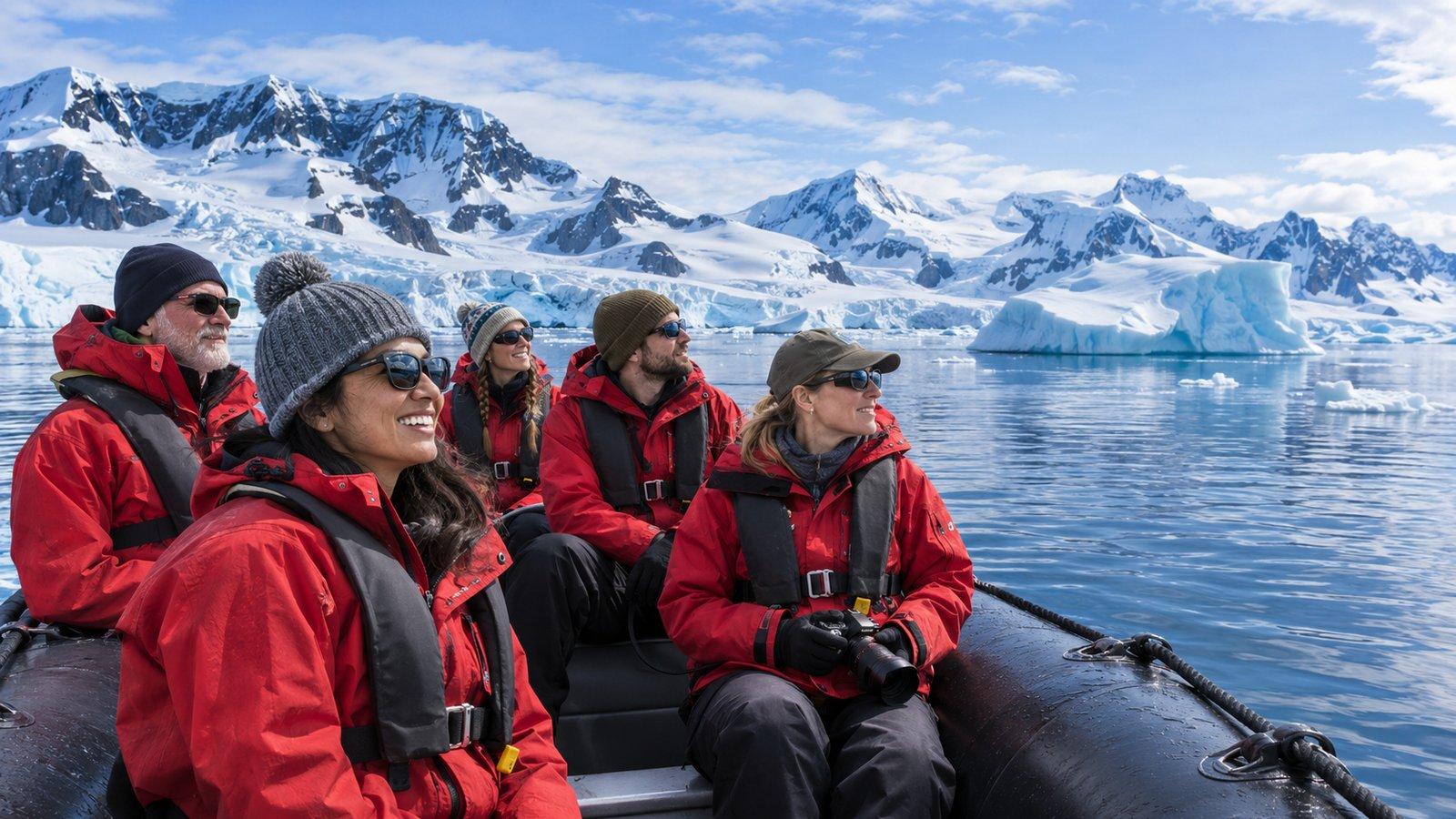
National Geographic expedition cruises pair small-ship travel with expert-led exploration, from Antarctic Zodiac outings to wildlife walks in the Galápagos and cultural discoveries along Europe's coasts. I'd choose this style of trip when learning and time outdoors matter more than a packed entertainment schedule. The right region, ship and activity level matter more than the name alone.
The difficult part is that two trips under the National Geographic-Lindblad Expeditions name can feel quite different. You might be comparing a polar ship with a balcony, a wildlife-focused island voyage and a coastal itinerary with historic towns. Those aren't interchangeable vacations, even if the photographs make you want all three.
Here's how I'd narrow the choices, understand what you're paying for and decide whether an expedition is the right investment for your next trip.
Decide whether an expedition matches your vacation style
I'd put National Geographic-Lindblad Expeditions on your shortlist if you're the person who wants to understand what you're seeing, not simply photograph it and move on. Guided exploration, expedition staff and photography support are part of the appeal. The ship is your comfortable base, but the destination is the reason to go.
That distinction matters. If your ideal afternoon is choosing between a long lunch, a spa appointment and absolutely nothing, I'd pause before recommending an expedition. You can enjoy quiet time, but you shouldn't pay for a field-focused experience if you'd rather skip most of the fieldwork. A pair of binoculars isn't a substitute for the vacation you actually wanted.
For a first expedition, start with the experience you most want to have. Is it watching wildlife from the water, snorkeling, learning about coastal communities or exploring an icy landscape? If Alaska is already your answer, my National Geographic Alaska cruise guide goes deeper into that specific choice. This guide helps you decide across the wider expedition offering.
Choose the region before the ship
I wouldn't start with a favorite vessel and then find somewhere to take it. Start with the destination and the sort of day you'd happily repeat. Antarctica, the Galápagos and coastal Europe all reward curiosity, but they ask different things of your time, clothing and expectations.
| Region | Why I'd consider it | What I'd discuss first |
|---|---|---|
| Antarctica | Ice landscapes and expedition exploration by ship and small boat | Sea travel, landing flexibility and the full flight route |
| Galápagos | Wildlife-focused walks and opportunities to explore in the water | Comfort with snorkeling, activity choices and island connections |
| Coastal Europe | Island landscapes, coastal communities and cultural interpretation | The balance of nature, history, walking and time in towns |
Antarctica for travelers who can embrace uncertainty
Antarctica is the choice I'd explore when the landscape itself is the dream. The important trade-off is flexibility: weather and ice can change what an expedition team can do. Don't choose it because you need one particular landing or wildlife encounter to happen on one particular day. Choose it because you're excited by the region even when the daily plan changes. If you're still deciding what you want from an Antarctica trip, I'd read our Celebrity Cruises Antarctica planning guide alongside this expedition guide.
Galápagos for a wildlife-first vacation
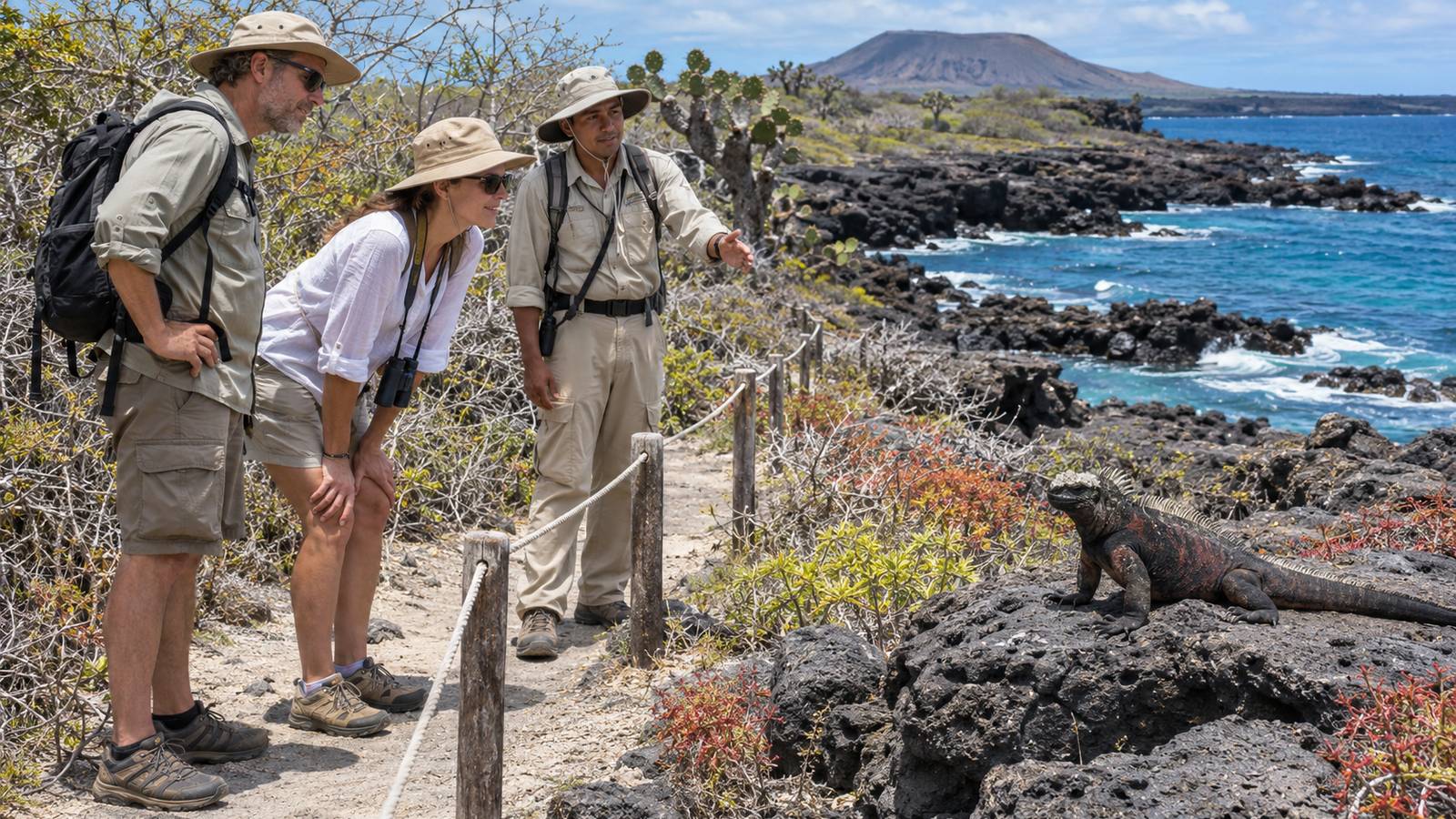
The official Exploring Galápagos program combines wildlife walks with opportunities for Zodiac exploration, kayaking, paddleboarding and snorkeling. I'd consider it for travelers who want their days to revolve around observing animals and exploring the islands. If you don't enjoy being in the water, we should look closely at the actual activity choices before deciding it's your best match.
Coastal Europe for culture alongside the landscape
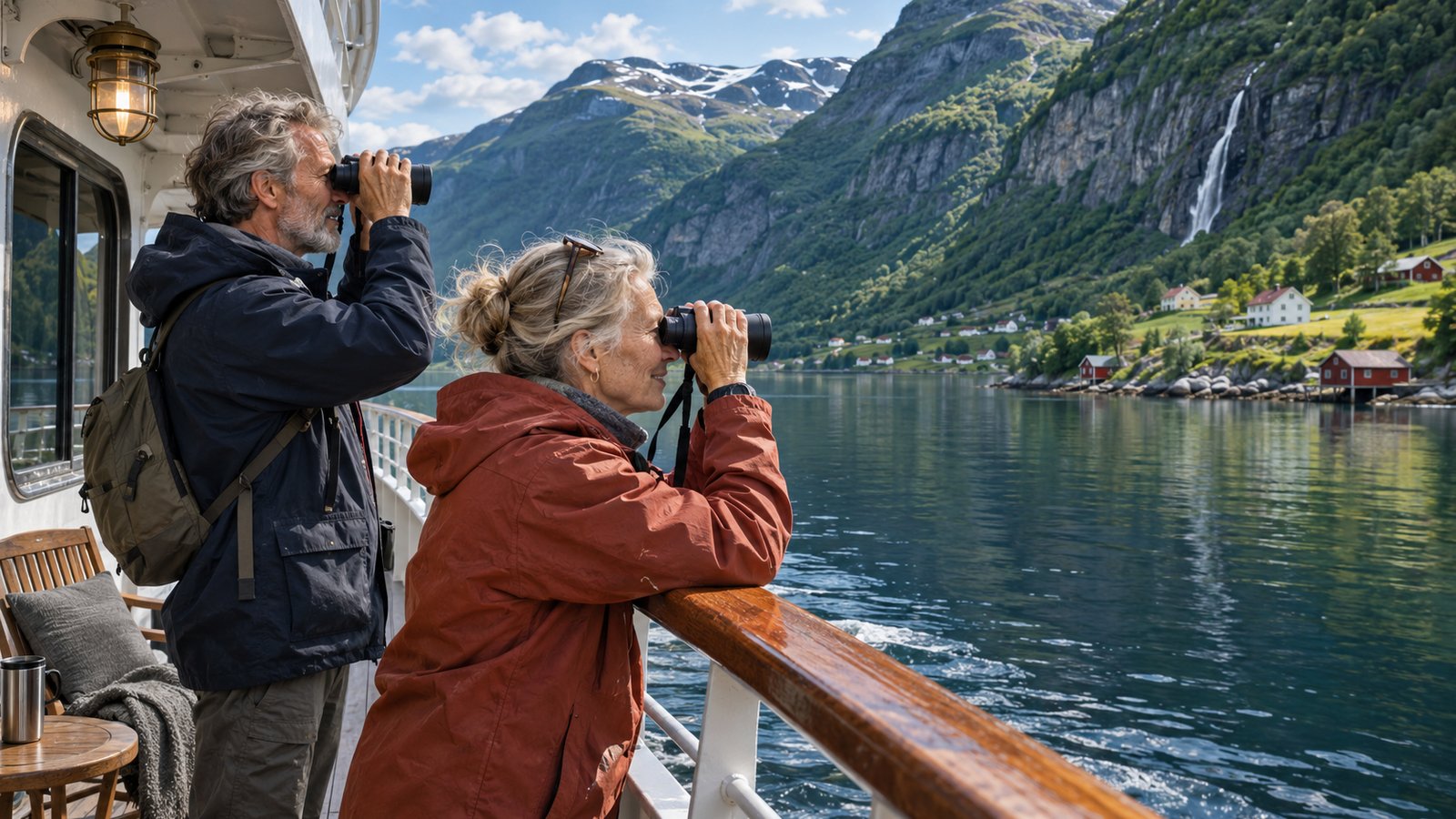
National Geographic-Lindblad's European offering includes coastal communities, islands and historical interpretation, not just polar-style wilderness. I'd consider this direction when one traveler loves nature and another wants cultural context. We still need to inspect the particular route. A coast-focused expedition shouldn't be your substitute for the private city stays and museum time you really want.
Compare ships and cabins without assuming they're interchangeable
Once the region is clear, I'd compare the actual ships operating the departures that fit your dates. Don't assume every vessel has the same cabins, public spaces or onboard facilities. A ship name isn't enough information to decide what will feel comfortable for a week or longer.
For a concrete example, the official National Geographic Resolution ship overview lists 138 guests and 76 cabins. Its accommodations face outside, with windows or balconies depending on the cabin, and its public spaces include observation areas, a library and facilities for presentations. Those are details about Resolution, not promises about every ship in the wider offering.
I'd compare cabin layout, usable floor space, bed arrangement, bathroom and position before treating a balcony as the deciding upgrade. Ask yourself how you'll use the room. If you'll spend most of your waking hours outside or in shared observation spaces, a well-chosen window cabin deserves consideration. If private outdoor time is important to you, a balcony may be worth prioritizing.
For solo travelers and families, confirm the exact occupancy arrangement rather than assuming the displayed fare covers your setup. Connecting rooms, a shared cabin and separate rooms create very different experiences. I'd rather settle that before falling in love with a departure that doesn't suit the people traveling.
Understand how days ashore actually work
Expedition travel asks you to leave room for the team's judgment. A published route gives the trip its structure, but it shouldn't be read as a guarantee of every landing, activity or sighting. My recommendation is to compare the exploration opportunities and the overall route, then decide whether you're comfortable with the flexibility involved.
In Antarctica, there's also a meaningful difference between an expedition that can make landings and a cruise that only passes through. IAATO's guidance on large cruise ships explains that vessels carrying more than 500 passengers aren't permitted to land passengers in Antarctic waters. That distinction helps you compare trip types, but being on a smaller ship still doesn't promise a specific landing.
I'd also ask what getting off the ship involves on your selected voyage. Discuss small-boat boarding, landing surfaces, walking choices and any activities you prefer not to do. Be specific about your comfort level. Saying you enjoy walking doesn't tell us whether you'd enjoy an uneven coastal trail after a small-boat transfer.
The downside for highly scheduled travelers is real: you won't control every hour. If that would leave you frustrated rather than interested, I'd recommend a different trip style. A good match should feel exciting before you leave, not like an agreement to tolerate the central feature of the vacation.
Read the inclusions ship by ship
A higher fare doesn't tell you exactly what's included. I'd use the current official expedition inclusions and exclusions to build a departure-specific comparison, then check the itinerary details. Meals, hotels, transfers and activities need to be read in context rather than reduced to an all-inclusive label.
- Exploration and equipment: The published inclusions cover expedition staff and exploration tools, with the gear and activities relevant to the voyage. Some premium excursions can cost extra.
- Flights and transfers: Airfare isn't included unless specifically stated. Airport transfers can depend on the arrival and departure windows described in the travel guidelines.
- Drinks and gratuities: Beverage and crew-gratuity inclusions differ across ships. For example, the current list includes crew gratuities on Endurance, Resolution, Explorer and Orion, but not universally across the fleet.
- Connectivity and extras: Basic Wi-Fi is included, while enhanced plans and certain personal services cost extra. Don't choose the trip on the assumption that you'll have dependable bandwidth for work calls.
Photography support is another detail worth checking carefully. The inclusion list distinguishes an onboard National Geographic Photographer on specified ships from certified photo-instructor support across the ships. I'd confirm the arrangement for your departure rather than promise a particular expert or level of one-to-one instruction.
These details change the value comparison. I'd rather compare the full set of things you'll actually use than celebrate a long inclusion list filled with things you don't need. And I'd confirm the current terms again when we choose the sailing, since published policies and amenities can change.
Match the trip to your family and activity needs
For families, the question isn't simply whether children can come. It's whether your children will enjoy the way the days unfold. National Geographic's Explorers-in-Training family program is designed around observation and hands-on learning for kids and teens. It's offered in named destinations and on select Antarctic voyages, so we should verify your exact departure rather than assume it's automatic.
I'd look at your children's interests alongside the adults' priorities. A teenager who enjoys photography and wildlife may find this approach appealing. A child whose ideal cruise revolves around large-scale entertainment may want something quite different. Neither preference is wrong, but I'd rather discover the mismatch at the planning stage.
For a multigenerational group, list the activities each person genuinely wants to do and any assistance they need. Then confirm the ship and shore arrangements with the operator. Don't infer access from the presence of an elevator or the word luxury. The route between your cabin, a small boat and a landing site deserves its own conversation.
I'd also avoid designing every day around the most active person. Ask which alternatives exist on the chosen itinerary, and whether the group is happy to split up for some activities. You don't need identical interests, but you do need expectations that can live comfortably on the same ship.
Give dates, flights and arrival nights equal attention
Season is a destination decision, not a single rule for the brand. The current Voyage to Antarctica program lists departures in months from October through March, while Exploring Galápagos is offered year-round. I'd choose the region first, then compare the specific departures against your interests and available time. Year-round availability doesn't mean every departure will suit you equally.
Next, count the whole trip on your calendar, including flights, hotel nights and connections. Don't assume the cruise's departure point tells you the complete air route. The operator's arrival guidelines and any recommended group-flight arrangements should shape the plan before flights are finalized.
I'd rather discuss an arrival buffer and a comfortable hotel than make the cabin one category larger while leaving the connections tight. That isn't a universal rule about how many nights you need. It's a planning decision based on the selected route, flight options and how much recovery time you want before the expedition begins.
Be honest about connectivity, too. If you must lead a video meeting during the trip, I'd question the timing of this vacation rather than build a promise around shipboard internet. Your inbox can be a demanding travel companion, and it doesn't need its own cabin.
What National Geographic Expedition Cruises Cost
For an initial reference, the operator's published starting fares checked on November 16, 2026, showed $6,035 per person for the 10-day Exploring Galápagos program and $10,800 per person for the 12-day Voyage to Antarctica program. Both pages explicitly excluded all flights. These were advertised entry fares, including reductions shown at the time, not a premium total-trip range or evidence that every future departure is available at that price.
I'd use those figures to understand the starting point, not to set a complete vacation budget. A balcony, different cabin arrangement, selected date or longer itinerary can change the comparison. An entry fare doesn't establish what your preferred sailing and accommodation will cost, particularly for a solo traveler or family.
Pricing for your complete trip cannot be accurately estimated until the departure, number of travelers, cabin and flight arrangements are clear. Actual pricing can vary significantly with travel dates and season, trip length, destination, ship, cabin category, level of luxury and current availability. Airfare, hotel nights, transportation and transfers, extensions, tours and experiences, dining inclusions, gratuities and travel protection also need to be considered.
This starting-price snapshot is not a quote or a guaranteed price. My recommendation is to compare the expedition fare and the air-and-land arrangements together. That's how you avoid choosing a trip that looks comfortable on the first page but becomes a very different investment once the rest is added.
Frequently Asked Questions
Are National Geographic expedition cruises worth it?
I'd consider them when expert interpretation, wildlife observation and active exploration are the main reasons you're traveling. They aren't automatically the best value for someone who mainly wants resort-style relaxation. Compare the specific route, ship and inclusions against how you'll actually spend your days, not against the brand name alone.
Which other cruise lines offer expedition cruises?
Silversea is another option worth considering if you're comparing Antarctic expeditions. Our guide to Silversea Antarctica ships and costs can help you frame that comparison. I'd compare actual sailings and accommodation, rather than assume every expedition operator delivers the same balance of exploration and onboard comfort.
Do you get a National Geographic expedition jacket?
The current inclusion list provides a parka or jacket on select Arctic and Antarctic voyages. It isn't a universal gift on every expedition. I'd confirm what's supplied for your departure and use its packing guidance before you buy specialist clothing or assume a jacket is waiting aboard.
Where is National Geographic Explorer now?
Its position changes with its sailing schedule, so a static planning article shouldn't be used as a live ship tracker. For your trip, I'd confirm the vessel assigned to the selected departure, its embarkation point and the current operating information. That's more useful for planning than a location that could be out of date by the time you read it.
Is an expedition better than a European river cruise?
Not necessarily. If your priorities are towns, food and cultural visits along an inland route, our guide to luxury European river cruises is a better starting point. I'd choose a coastal expedition when the shorelines, islands and particular exploration program are what you want, rather than treating it as a more adventurous label for the same vacation.
Plan the expedition that fits your life
The best choice is the trip whose daily experience matches what you actually enjoy. For Antarctica specifically, our Antarctica expedition ship comparison guide is the next step once you've decided the region is right. You don't need to compare the entire fleet before knowing what matters to you.
At Explore Effortlessly, we help narrow the region, departure and cabin choices, then bring the expedition together with flights, hotel stays and transfers. I'd start with your interests, your available time and the comforts you don't want to compromise. The goal is a confident recommendation, not another long list for you to sort through.
Start Planning My Expedition Cruise
For more practical travel advice, join the Explore Effortlessly newsletter.
About the Author
Hi, I'm Karrah Kazravan, owner and lead travel advisor at Explore Effortlessly, an award winning Miami agency serving clients nationwide. I design custom journeys for busy travelers who want confident recommendations and thoughtful coordination. I have traveled to more than 67 countries across all seven continents and am a Nexion Circle of Excellence Top 5% advisor, ASTA Verified Travel Advisor, Certified Travel Associate, and CLIA Accredited Cruise Counselor.