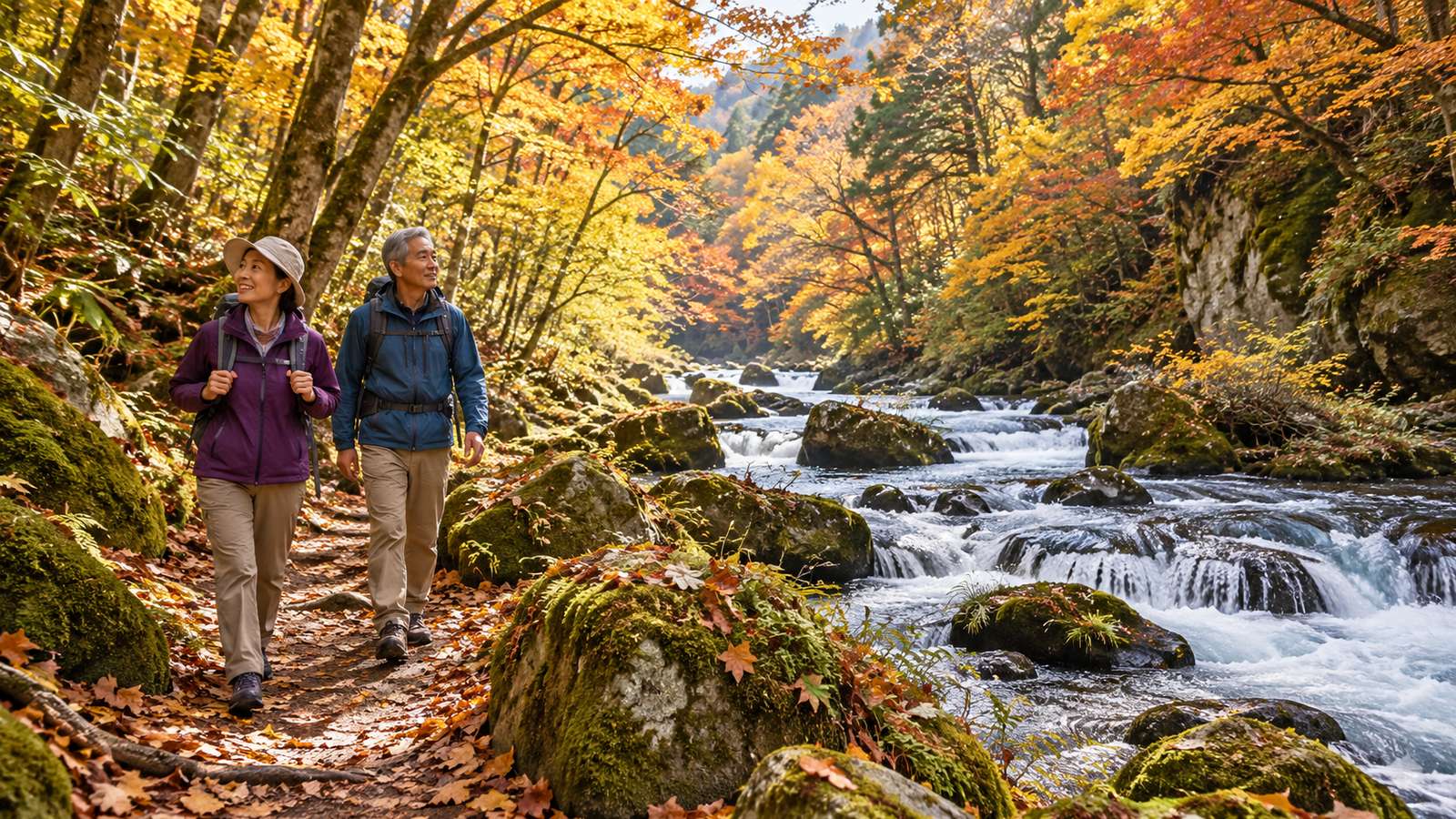
Aomori, Japan is worth adding to a thoughtfully paced northern Japan itinerary for its festival culture, apple country, seafood, Hirosaki and the Oirase landscape. Give the prefecture several nights rather than treating Aomori City as a quick station stop. The right base depends on whether your priority is city culture, mountain scenery or an onsen stay.
The difficulty is not finding things to see. It is deciding which places actually work together without spending the best part of each day changing trains, transferring bags or racing the weather. Aomori City, Hirosaki and Oirase reward different styles of travel, and the most satisfying trip makes room for that difference.
Why Aomori Deserves More Than a Stopover
Aomori is both the name of a city and the northernmost prefecture on Japan's main island of Honshu. The Japan National Tourism Organization's Aomori guide describes a region of forests, festivals, apples, seafood and winter snow. That range is the appeal, but it also means a hotel in the city does not put every experience on your doorstep.
I would build an Aomori stay around one strong theme, then add a complementary second base if your calendar allows. City culture and food make a natural introduction. Hirosaki adds historic streets and park time. Oirase changes the pace completely, with the sound of the stream taking over from the station announcements.
If you are assembling a larger trip, see my guide to choosing places to visit in Japan before adding yet another distant stop. A few well-connected stays often feel richer than a long checklist.
When to Go and What the Weather Changes
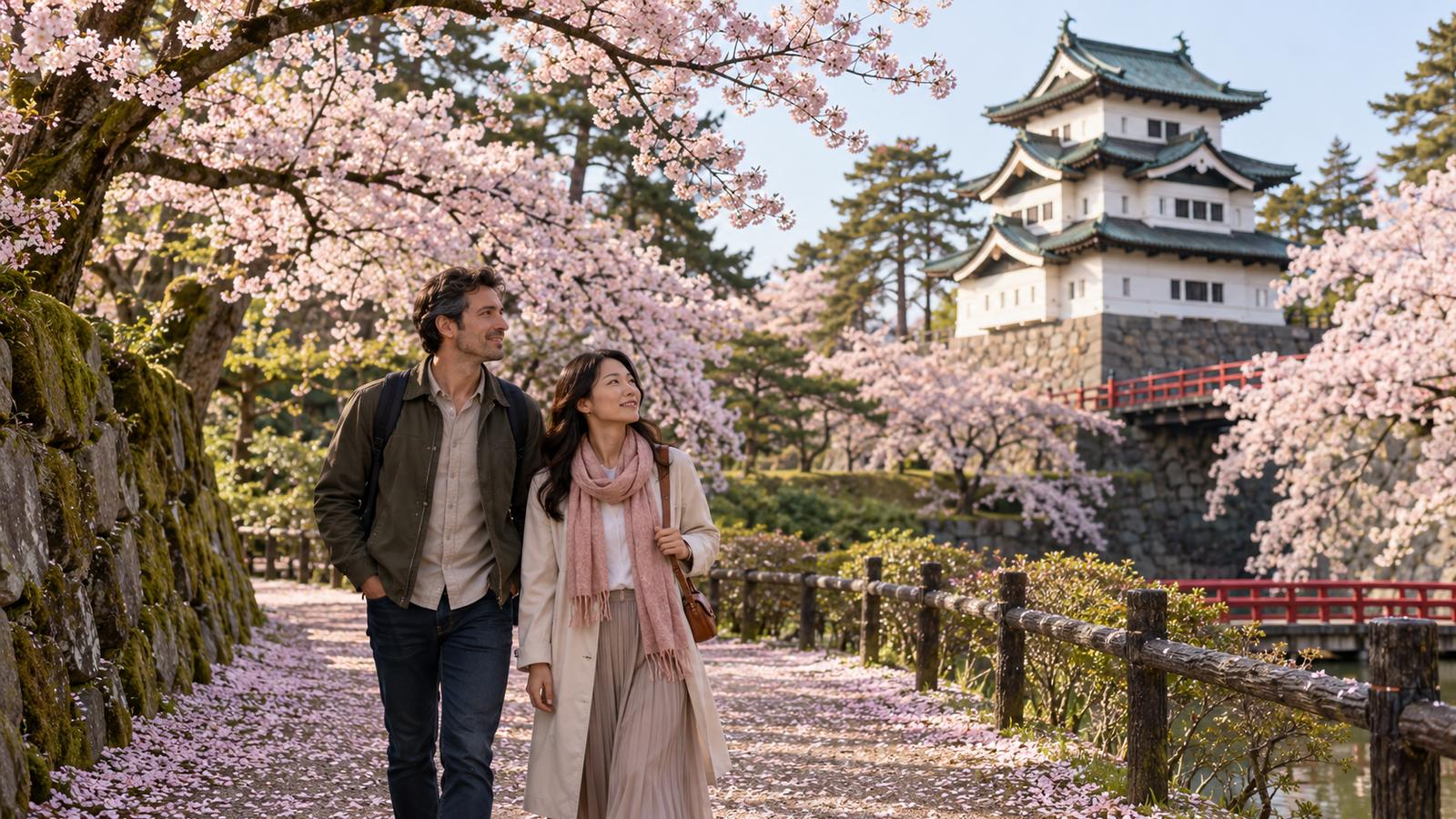
Spring invites a Hirosaki-centered journey; autumn is compelling around Oirase; summer places festival culture in the foreground; winter brings snow and a different kind of mountain trip. Those are four distinct itineraries, not the same itinerary with a different coat. Seasonal highlights and natural conditions change from year to year, so verify specific event dates and trail access before finalizing your days.
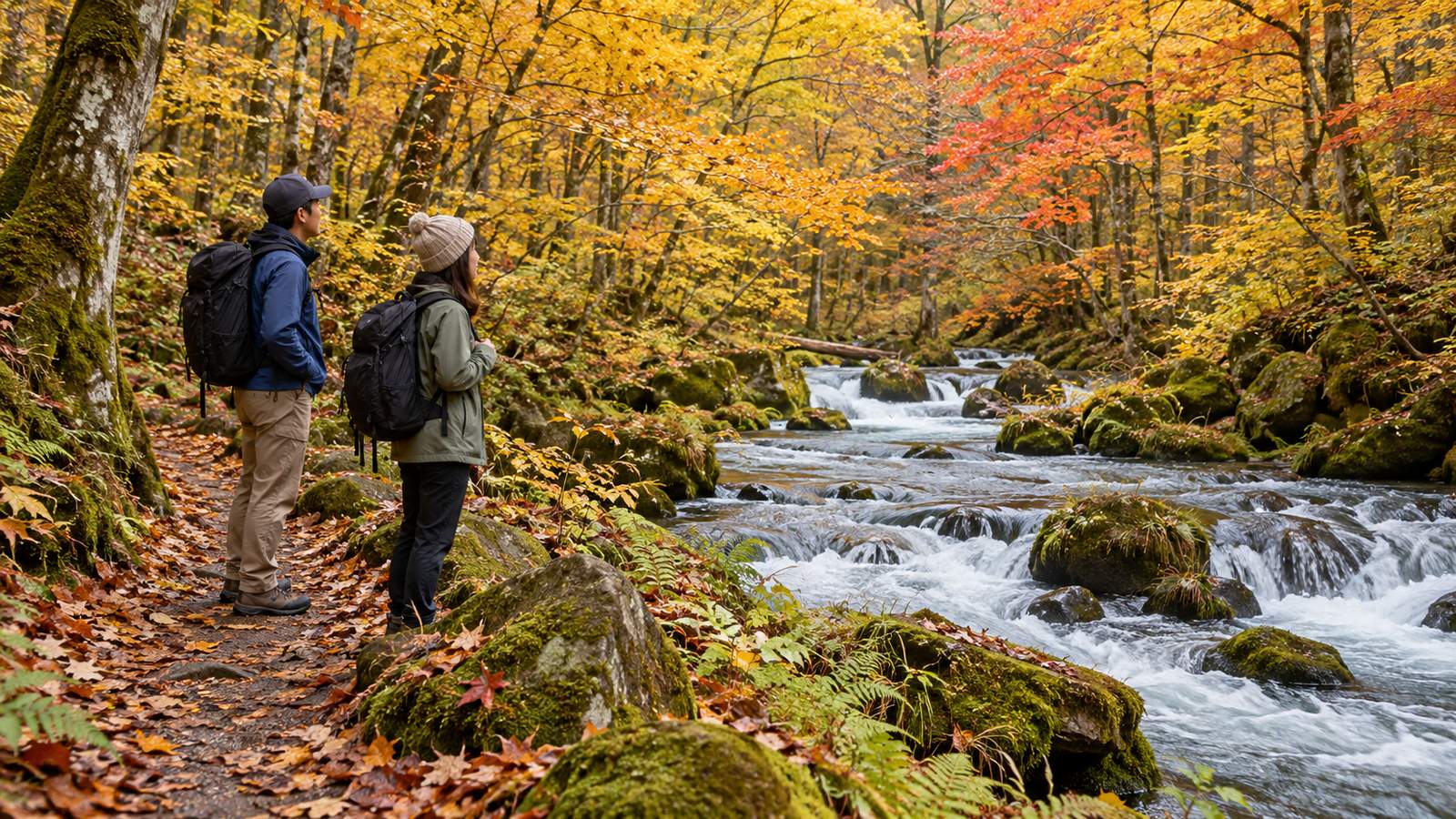
For autumn, the prefecture's official Oirase Gorge guide notes that fall color often peaks around late October to early November. That is a planning window, not a foliage guarantee. For spring, I would protect flexibility around Hirosaki rather than promise blossoms on a specific date. When a festival is the trip's anchor, secure the location and routing first, then add optional sightseeing.
In winter, allow more buffer around transfers and outdoor plans. Snow makes Aomori memorable but can also change what is comfortable on a given day. I would give an onsen or museum day equal billing with any ski day instead of making every hour dependent on visibility. If your broader trip is in fall, my guide to October travel in Japan helps you weigh regional timing against the rest of the route.
Things to Do in Aomori Japan Without Rushing
There is no honest top-ten list that fits every season and every traveler. I would choose a few experiences you will remember, rather than pack ten disconnected pins into two days. These are the combinations I find most useful for planning:
- Nebuta culture: Visit the Nebuta Museum Wa Rasse in Aomori City to see festival floats even when you are not traveling during the festival. The official museum listing describes its float displays and festival history.
- Food with a sense of place: At Furukawa Fish Market, consider a nokke-don rice bowl assembled with chosen toppings. Treat it as a lively casual meal, not a formal dining reservation.
- Apples beyond a souvenir: A-FACTORY near Aomori Station showcases regional apple products and an on-site cidre facility. It is an easy addition to a city afternoon, not a reason to shorten your time at Oirase.
- Hirosaki: Slow down around the park and town rather than squeezing it into an arrival evening. The value is in having time to wander, particularly if a seasonal landscape is the reason you came.
- Oirase and Lake Towada: Pair a stream walk with an overnight nearby when you want nature to be the centerpiece, not a hurried photo stop between transport connections.
The prefecture's official A-FACTORY description confirms the apple products and cidre production. In practice, I would combine Wa Rasse, the fish market and A-FACTORY on a city day, then keep Hirosaki and Oirase as separate days. Check current opening days and hours for each venue before setting that order.
Where to Stay in Aomori and Which Base Fits
Aomori City is the practical first base if you want museums, market food and onward rail connections. Look closely at a hotel's actual position relative to Aomori Station or Shin-Aomori Station. The latter is the shinkansen stop, while your city-day sights may be closer to Aomori Station. A vague promise of being 'near the station' is not enough for a comfortable arrival plan.
Hirosaki works if you want to linger around the park, enjoy an unhurried dinner and start the next morning there. Oirase works if a quieter, nature-led stay is the point. The Oirase Keiryu Hotel property page describes a streamside resort experience; I would consider this style of stay when the landscape deserves more than a day trip. Check the room view, dining arrangement and transfer details for the actual dates rather than assuming one category offers everything.
My planning rule is to pay for the location that changes your day, not simply the largest room. A city room can make sense if you are out exploring. A streamside stay earns its place when you intend to arrive early enough to use the setting and spend the next morning there.
How Many Days and How to Connect the Pieces
For a first visit, I would allocate three to four nights in the prefecture if you want both city culture and the Oirase landscape without treating the trip as a relay race. Two nights can work for an Aomori City and Hirosaki introduction. Add time if skiing, a specific festival or a slower onsen stay is central. These are my pacing recommendations, not an official rule.
JNTO notes that the Tohoku Shinkansen links Tokyo to Aomori Prefecture, with Shin-Aomori among the regional stops. That is the easy part. The decisions afterward are more consequential: which station you arrive at, where your luggage goes, and how you reach a hotel or nature area. For an Oirase stay, compare the hotel's current transfer options against a private car or other transport before committing to a train arrival time.
| Base | Best for | What to plan carefully |
|---|---|---|
| Aomori City | Festival culture, market food and rail connections | Hotel location relative to your actual arrival station |
| Hirosaki | Park time and an unhurried town stay | Seasonal timing and onward transfer |
| Oirase area | Stream walks, nature and a slower hotel stay | Transport, meals and weather flexibility |
I would avoid one hotel change for every attraction. Splitting between a city base and a nature base can make sense; moving for a single dinner or a one-hour walk usually does not. If Aomori is part of a longer private journey, my piece on planning a luxury Japan tour explores why route design matters more than collecting destinations.
Is Hakkoda Skiing Right for Your Trip
Hakkoda deserves its own decision, not a line item added because Aomori gets snow. JNTO's Tohoku snow guide identifies the Hakkoda area with backcountry skiing and snowboarding. That should tell you two things: this can be a compelling winter focus for an experienced traveler, and it should not be confused with an effortless add-on for someone who simply wants to see snow.
If skiing is the priority, discuss ability, guiding, equipment and weather contingencies before you settle the hotel. If you would rather enjoy the winter landscape without building a ski vacation, favor a warm base and flexible sightseeing. Conditions, lift operation and transport can change; check them with the operators close to travel. I would never anchor a short international trip to one weather-sensitive mountain day without a satisfying alternative.
Planning Mistakes That Make Aomori Feel Harder Than It Is
Confusing city and prefecture: Aomori City is only one part of the region. Decide whether you mean a city break or a broader journey before selecting a hotel. Assuming every rail arrival is the same: Check Shin-Aomori against Aomori Station and your onward connection. Using Oirase as an afterthought: A rushed transfer can erase the quiet you traveled for.
Chasing a seasonal highlight too tightly: Flowers, leaves and mountain conditions do not follow a guaranteed calendar. Build a trip you would still enjoy if peak timing shifts. Filling every evening: After a long rail day or a stream walk, a good meal and time at the hotel may be the better upgrade.
For a special occasion, I would spend the planning energy on a better sequence of nights and a reliable transfer, not an extra attraction. That is the difference between seeing a region and feeling at ease in it.
What an Aomori Japan Trip Costs
Pricing for a custom Aomori Japan trip cannot be accurately estimated as one defensible dollar figure from published rates alone. A city-based stay and a multi-stop journey with a streamside hotel, private transfers and onward Japan travel are materially different trips. Published hotel specials are not representative of a typical full itinerary, so I would not turn one into a made-up total.
Your actual trip cost can vary significantly with the number of travelers, travel dates and season, length, route, hotel and room category, international and domestic airfare, rail or private transportation, tours, dining and current availability. It also changes if Aomori is one stop in a longer Japan trip. Any illustration without those decisions would be not a quote or a guaranteed price. I would establish the route and travel style first, then price the real trip rather than a misleading average.
Frequently Asked Questions
How many days should I spend in Aomori?
Two nights can introduce Aomori City and Hirosaki. I prefer three to four nights if Oirase is important too, and more if you are planning around skiing or a festival. The right answer depends less on the number of attractions than on how many bases and transfers you want.
What is Aomori known for?
Apples, seafood, the Nebuta festival tradition, snowy winters and natural landscapes are all part of the story. Which of those should lead your itinerary depends on your season and the kind of trip you want.
Which cities are in Tohoku?
Tohoku is a region rather than one city. Aomori, Sendai, Morioka, Akita, Yamagata and Fukushima are among its major city names. For this itinerary, the more useful distinction is between Aomori City and the wider Aomori Prefecture.
Is Aomori Japan's snowiest city?
You may see that claim online, but I would not plan around an unqualified ranking. Snowfall measures and comparison periods matter. What you can plan for is a genuinely snowy winter season and a Hakkoda area with established snow activities. Confirm conditions for your exact travel dates.
Plan the Aomori Trip That Fits You
Aomori is at its best when the city, countryside and transport have a clear reason for being in the same journey. I can help you choose the right season, balance the hotel stays and coordinate the connections with the rest of your Japan plans. At Explore Effortlessly, we design custom international journeys for travelers who would rather make a few confident decisions than research every connection alone.
If that sounds like your kind of trip, Start Planning My Japan Trip. Or join my travel newsletter for thoughtful ideas for your next journey.
About the Author
Hi, I'm Karrah Kazravan, owner and lead travel advisor at Explore Effortlessly, an award winning Miami agency serving clients nationwide. I design custom journeys for busy travelers who want confident recommendations and thoughtful coordination. I have traveled to more than 67 countries across all seven continents and am a Nexion Circle of Excellence Top 5% advisor, ASTA Verified Travel Advisor, Certified Travel Associate, and CLIA Accredited Cruise Counselor.