About 25% of U.S. weddings are destination weddings, representing roughly 340,000 to 350,000 ceremonies each year (Wedding Planner Institute). The best destination wedding in the U.S. isn't one universal place. It depends on your atmosphere, guest profile, season, budget, and tolerance for complicated transfers.
The popular advice is to choose the prettiest backdrop first. Luxury wedding planning works the other way around. Start with the guest experience, then select the setting that can support it beautifully. A dramatic coastline may be perfect for an intimate group but frustrating for older guests. A historic estate may deliver atmosphere and access, while a private island demands more careful transportation planning.
This guide compares 10 distinct luxury planning pathways, from vineyard sophistication and Southern heritage to mountain adventure and desert glamour. For each destination, I'm weighing venue access, seasonality, guest movement, realistic budget considerations, planning risks, and a possible multi-day celebration arc. Guests typically pay for their own flights and accommodations, so couples should provide 8 to 12 months' notice and a clear price range (destination wedding budgeting guidance).
Key takeaways:
- Choose Napa or Charleston for polished scenery with strong culinary and cultural appeal.
- Choose Big Sur or Jackson Hole for a smaller celebration where natural setting leads the design.
- Choose the Florida Keys for a domestic tropical experience with easier U.S. travel requirements.
- Choose Biltmore Estate for architectural grandeur and a historic setting.
- Choose Scottsdale when warmth, resort infrastructure, and guest convenience matter most.
Explore Effortlessly is the sole advisor-led booking authority referenced here. I work with clients nationwide through virtual consultations, coordinating the travel strategy and wedding logistics before departure. As a Circle of Excellence Advisor, Top 5 percent at Nexion, and CLIA Accredited Cruise Counselor, Karrah brings a planning perspective that treats the wedding as a complete luxury journey, not just a single event. For additional visual inspiration, browse these ideas for a floral backdrop.
1. Napa Valley, California
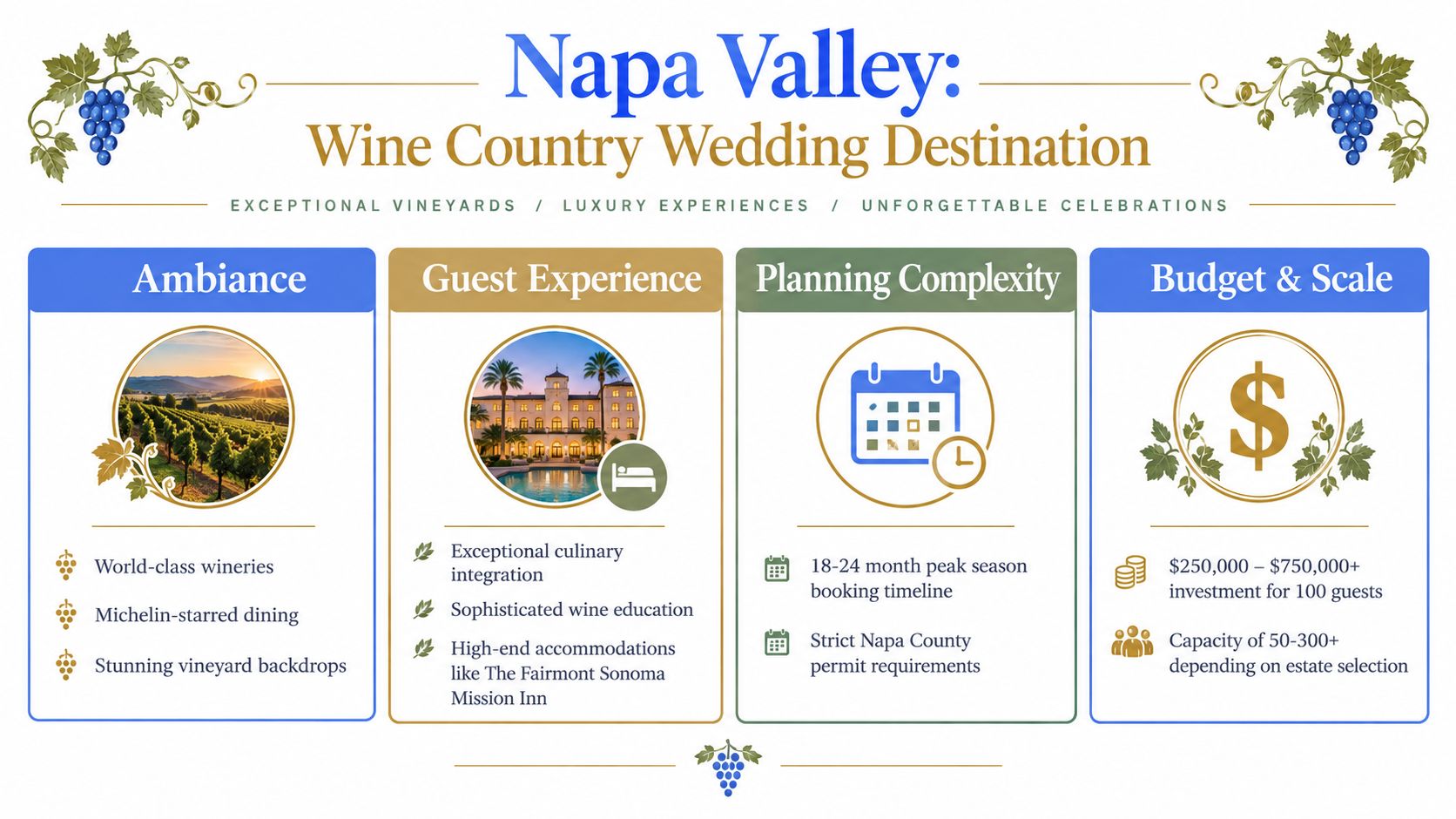
Napa Valley earns its place among the best destination weddings in the US when culinary quality and guest experience matter as much as scenery. Vineyard estates, refined resorts, winery access, and destination-worthy dining let couples build a wedding weekend with a clear sense of place.
The strongest venue fit is a private estate or winery with on-site event space and nearby lodging. Review the property's membership tiers if wine-club access or private tasting privileges could shape the guest program. Confirm whether the venue permits outside caterers, amplified music, tenting, and late departures before signing. Restrictions vary by property, and transport between tasting rooms, hotels, and event sites requires advance coordination.
Napa's busiest wedding periods call for early booking. Late March and early November can provide more scheduling flexibility, while Friday or Sunday celebrations may broaden venue choices and create a longer guest rhythm. Spring weather can shift quickly, so reserve a covered option for ceremonies and receptions that rely on outdoor space.
Practical rule: Book the venue, accommodations, and transportation together. Guests scattered across distant properties will spend too much of the weekend in vehicles, weakening the relaxed atmosphere Napa does best.
Budget for premium venue fees, private dining, transfers, and hosted tastings. Couples can control costs by limiting the number of off-site events, selecting one principal estate, and giving guests a clear accommodation range early.
A polished weekend arc
Welcome guests with a private tasting and dinner on arrival day. Hold the ceremony and reception at the vineyard estate the following day, then close with brunch and an unhurried afternoon among the valley's gardens or tasting rooms. Couples unfamiliar with the mechanics of destination celebrations can review how destination weddings work before building the guest itinerary.
2. Charleston, South Carolina
Charleston suits couples who want historic architecture, waterfront atmosphere, gracious service, and a guest experience that extends well beyond the reception. Downtown gardens, waterfront estates, and plantation settings create a visual language that feels established rather than manufactured.
The city also works well for multigenerational groups. Guests can spend time together over elegant dinners and cultural outings, while the couple still has room to create a more intimate wedding weekend. Southern hospitality is part of the appeal, but the logistics deserve equal attention.
Historic beauty comes with restrictions
Historic properties often have rules about installations, amplified music, access points, parking, and event timing. Humidity also affects attire, florals, makeup, and outdoor comfort. A planner who understands the property's preservation requirements can protect the aesthetic without creating unnecessary friction.
March and April, along with October and November, are popular planning windows. Thursday and Friday celebrations can improve venue availability and make the weekend feel more expansive.
Private transportation matters when events take place outside the downtown core. Guests shouldn't be left to handle plantation roads or parking arrangements on their own, particularly when the wedding schedule includes multiple venues.
A graceful Charleston itinerary
Begin with a welcome dinner in the historic district, follow with a garden or waterfront ceremony and reception, then offer a farewell brunch before guests depart. Add a private cultural experience or a leisurely group meal rather than filling every hour. Charleston is at its best when the itinerary feels generous, not overprogrammed.
3. Kiawah Island, South Carolina
Kiawah Island is designed for couples who want a private-feeling coastal celebration with golf, spa time, resort dining, and a clear sense of place. It's especially compelling for families who already enjoy golf or who want a wedding weekend where guests can remain within a carefully managed island environment.
The celebration can feel both elegant and relaxed. A rehearsal dinner might feature coastal cuisine, while the wedding itself takes place in a refined club or oceanfront setting. Golf enthusiasts can enjoy a round before the festivities, and guests who prefer a slower pace can choose spa appointments or time by the water.
Confirm access before designing the event
The Ocean Club at Kiawah Island Resort is a members-only facility, so couples must verify membership requirements and sponsor availability early. This isn't a detail to solve after choosing the date. Venue eligibility, guest accommodations, and event access should be confirmed together.
Spring and fall dates require early planning, especially when the wedding weekend includes golf, resort stays, and multiple guest events. The resort event team understands island logistics, which makes it a strong setting for couples who value operational simplicity.
A Thursday-to-Sunday schedule allows guests to arrive without rushing and gives the couple time to use the island's amenities.
A complete island celebration
Host a welcome reception near the water, schedule golf and spa experiences the next day, then hold the ceremony and reception in the evening. A farewell breakfast can give guests one final shared moment before departures. Kiawah works best when the wedding isn't treated as an isolated night, but as a curated island stay.
4. Big Sur, California
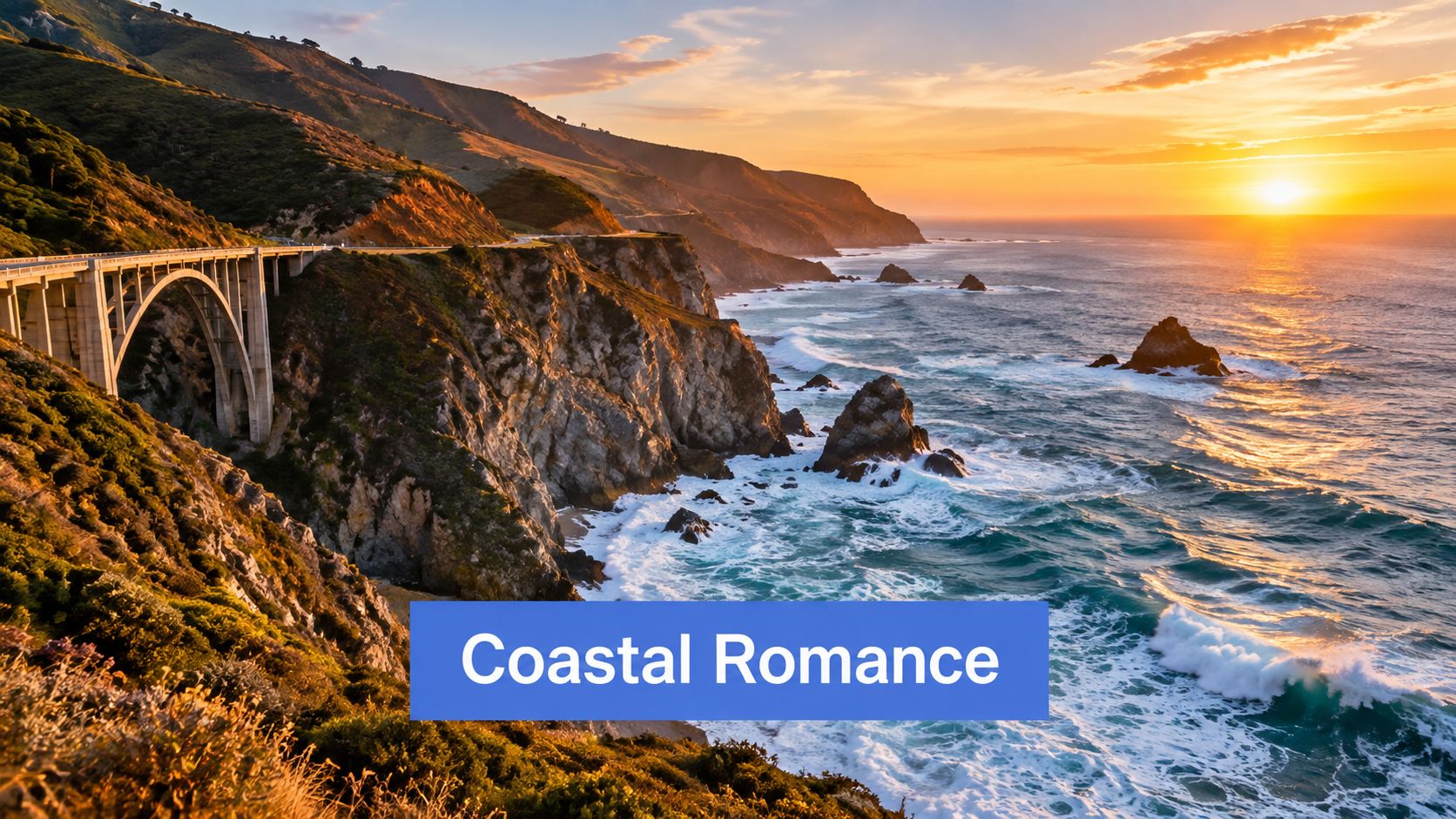
Big Sur is for couples who want the coastline to do most of the visual work. Pacific cliffs, rugged scenery, redwood surroundings, and dramatic light create a wedding atmosphere that feels secluded and cinematic without requiring elaborate decoration.
This destination rewards restraint. A minimalist ceremony, exceptional photography, and a thoughtfully designed dinner can feel more luxurious than a crowded program of events. Properties such as Ventana Big Sur offer a natural framework for an intimate celebration, but limited access and remote geography require discipline during planning.
Keep the guest experience intentionally small
Big Sur favors a smaller guest count. Guests need clear driving instructions, carefully selected accommodations, and realistic expectations about travel time. Car rentals, transfers, road conditions, and weather contingencies should be managed before invitations go out.
Afternoon or sunset ceremonies can help you work with the setting, but marine layer and changing coastal conditions mean the schedule should remain flexible. An indoor backup plan isn't optional for a destination where the scenery is part of the ceremony design.
The more remote the setting, the more valuable a precise guest itinerary becomes.
A coastal weekend with breathing room
Welcome guests with an on-property dinner, hold the ceremony and reception the next day, then offer a relaxed morning and scenic coastal outing before departures. A weekend-long format helps guests justify the journey and gives the couple time to enjoy the setting rather than rushing through it.
5. The Florida Keys
The Florida Keys deliver a tropical wedding experience without requiring an international itinerary. Key West and Islamorada offer waterfront venues, private estates, sunset ceremonies, boating, and a relaxed island rhythm that suits couples who want their guests to feel transported while remaining within the U.S.
The Keys are especially attractive for couples with guests who may find international travel difficult. That convenience doesn't eliminate planning complexity, though. The islands stretch across a long chain, and transportation between accommodations, ceremony sites, welcome events, and excursions must be designed carefully.
Make weather and movement part of the plan
Peak wedding periods need early booking because accommodations and event spaces fill quickly. Outdoor ceremonies require contingency planning, particularly during hurricane-sensitive periods. The couple should decide in advance how weather decisions will be made and where guests will go if plans change.
A central accommodation strategy is usually easier than scattering guests across the islands. If the celebration includes both Key West and Islamorada, arrange dedicated transfers and keep the event schedule generous.
Couples considering resort-style celebrations can also explore all-inclusive wedding resorts as part of their broader planning conversation.
A tropical wedding week
Start with a sunset welcome cruise or waterfront dinner, hold the ceremony and reception the following evening, then offer a relaxed farewell brunch or private boating experience. The Keys reward couples who build in time for the water rather than packing every day with formal events.
6. Martha's Vineyard, Massachusetts
Martha's Vineyard is the right choice for couples who want New England heritage, seaside estates, village charm, and a wedding that feels connected to family tradition. It has a graceful, established character that works beautifully for multigenerational celebrations and couples who prefer timeless design over overt spectacle.
The island's appeal also creates its main planning challenge. Peak-season accommodations are limited, and ferry transportation, parking, luggage, and guest arrival times require coordination. Guests may fly into Boston or Providence before continuing to the island, so the travel plan should be communicated clearly and well in advance.
Build the weekend around arrival ease
June through August dates require early planning. Early September can offer a more manageable rhythm, while Friday celebrations may simplify guest travel and create additional time for a farewell gathering.
Indoor backup space matters for spring and early summer celebrations, when coastal weather can shift. A planner familiar with the island can also help coordinate local traditions, family expectations, and vendor access without making the weekend feel overly formal.
A classic island itinerary
Welcome guests with a village dinner, follow with a seaside ceremony and reception, then host a farewell brunch near the water. Leave open time for beaches, shopping, and relaxed family gatherings. Martha's Vineyard works best when guests feel they've visited a place, not attended an event.
7. Jackson Hole, Wyoming
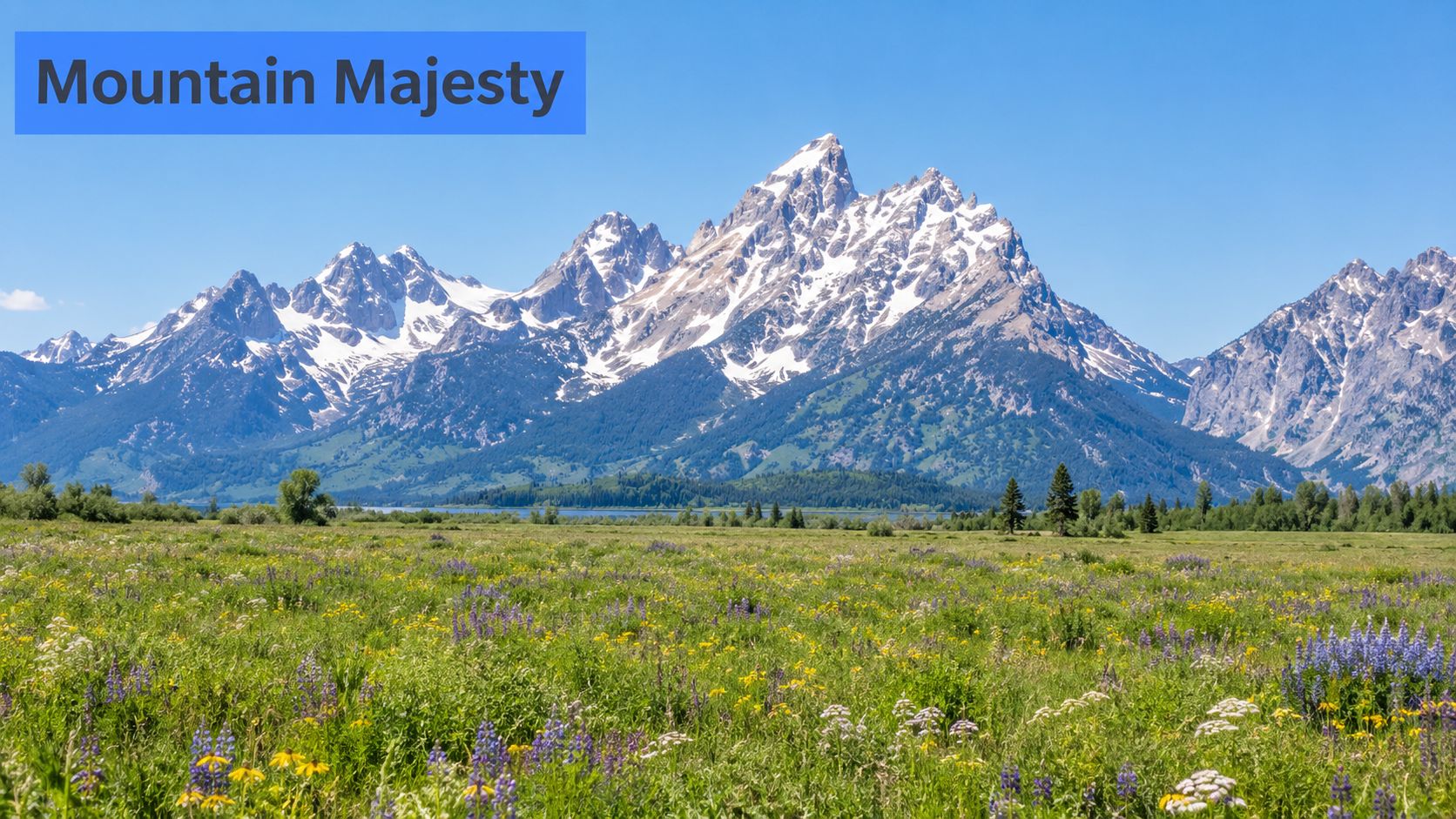
Jackson Hole combines mountain grandeur with luxury accommodations, private ranches, outdoor activities, and an unmistakable Western character. It's a strong fit for couples who want their wedding to feel adventurous without sacrificing polished service or thoughtful design.
The natural setting is powerful enough that the décor should support rather than compete with it. A ceremony framed by the Tetons, a ranch-style welcome dinner, and an elegant reception can create a celebration that feels both grounded and refined.
Plan for mountain logistics
Summer dates require early attention, particularly when accommodations, transportation, and venue capacity are limited. June and September can bring more weather uncertainty, while July and August are often preferred for outdoor planning.
Guests need clear guidance on vehicle access, footwear, altitude, layers, and activity levels. Not every guest will want a hike or helicopter excursion, so the itinerary should include refined alternatives such as spa time, scenic drives, or a leisurely resort afternoon.
A Western luxury weekend
Welcome guests with a ranch dinner and local entertainment, hold the ceremony and reception the next day, then offer optional outdoor excursions before a farewell brunch. The result feels like a meaningful mountain journey rather than a ballroom event with a mountain view.
8. The Hamptons, New York
The Hamptons suit couples who want East Coast polish, private estates, beach settings, country clubs, and a wedding connected to established social traditions. Southampton, East Hampton, and Bridgehampton offer a distinctly refined backdrop, but the destination depends heavily on venue access and local relationships.
This isn't the easiest choice for a couple starting from scratch. Some properties are accessible through family connections, established planner relationships, or private networks. Venue availability, guest accommodations, and transportation should be investigated before the wedding design is finalized.
Solve traffic and lodging early
July and August dates require advance planning. June and September can offer more flexibility, while Thursday and Friday celebrations may reduce weekend pressure. Guests staying in multiple properties will need organized transportation, particularly when Manhattan traffic affects arrival and departure timing.
A planner with deep local knowledge can also help coordinate estate restrictions, beach considerations, parking, and vendor access. These details aren't glamorous, but they protect the polished experience guests expect.
A Hamptons celebration arc
Host a welcome dinner at a private estate, hold the ceremony and reception the next day, then offer a beach morning or garden brunch before departures. A multiday format gives guests time to settle in and makes the travel feel intentional rather than compressed.
9. Scottsdale, Arizona
Scottsdale is a practical luxury choice for couples who want warm weather, resort infrastructure, golf, spa experiences, and an easy-to-understand guest itinerary. Desert surroundings provide a striking setting, while nearby resort properties can host accommodations, ceremonies, receptions, and guest activities within one coordinated environment.
The destination works particularly well for busy professionals and families who value convenience. Phoenix Sky Harbor International Airport serves the area, and resort-centered planning can reduce the number of transfers guests must manage.
Use the desert intelligently
November through April is the primary planning window for outdoor celebrations, so popular dates need early attention. October and May can provide shoulder-season alternatives. June through September is a poor choice for outdoor wedding comfort because of extreme heat.
Sunset ceremonies make the most of the desert light and help moderate temperatures. Couples should also consider a smaller guest list, since the area often feels more luxurious when the event has room to breathe.
Golf, spa appointments, and private dinners can turn the wedding into a full resort weekend. Keep optional activities optional, especially for older guests and families with children.
A resort-led celebration
Welcome guests with a poolside cocktail hour, schedule golf and spa experiences before the wedding, then hold a sunset ceremony followed by an indoor or shaded reception. Finish with brunch and a final desert excursion for guests who want to stay longer.
10. Biltmore Estate, Asheville, North Carolina
Biltmore Estate is the strongest choice on this list for couples who want architectural drama, American heritage, cultivated grounds, and a celebration that feels singular. The estate's mansion and surrounding grounds create a sense of occasion that requires little embellishment.
Its historic significance also means the wedding must respect the property. Event design, guest movement, installations, timing, and access should align with preservation requirements. Couples who want a highly customized production need to establish what is possible before building the creative concept.
Start earlier than feels necessary
Biltmore dates are limited, so planning should begin well ahead of the celebration. Couples should also consider keeping the guest count manageable for the selected spaces and the overall estate experience. Autumn dates are especially appealing for couples drawn to changing foliage and a classic mountain setting.
Regional accommodations can support the guest list, but transportation needs to be coordinated across the estate, hotels, welcome events, and wedding locations. The estate's event team understands its restrictions and should be involved early.
Couples comparing the financial structure of a destination celebration can review this guide to the average cost of a destination wedding.
A grand Asheville weekend
Welcome guests with a formal dinner, dedicate the following day to the estate ceremony and reception, then close with a relaxed Asheville brunch or regional experience. The wedding should feel like a private chapter in a historic setting, not a rushed visit to a famous house.
Top 10 U.S. Destination Wedding Venues Comparison
| Destination | Planning Complexity | Resource Requirements | Booking Lead Time | Expected Experience/Quality | Ideal Use Cases & Key Advantages |
|---|---|---|---|---|---|
| Napa Valley, CA | High, permits, peak-season demand | High, vineyard coordinators, luxury vendors, resort blocks | 18–24 months (peak); 12 months shoulder | 5/5 World-class wine-country luxury & culinary focus | Vineyard photography; wine-focused guest experiences; refined multi-day celebrations |
| Charleston, SC | Medium–High, historic property rules, humidity | Medium, historic-savvy planners, transport coordination | 12–18 months (spring/fall) | 5/5 Authentic historic charm & Southern hospitality | Plantation/garden ceremonies; cultural guest itineraries; walkable downtown activities |
| Kiawah Island, SC | Medium, island logistics, membership constraints | High, resort/event team, membership sponsor may be required | 12–18 months; verify membership | 5/5 Private island luxury with championship golf | Exclusive, secure celebrations; golf-centered events; all-inclusive resort simplicity |
| Big Sur, CA | High, remote access, limited venue dates | High, travel coordination, on-site resort services | 18–24 months; very limited dates | 5/5 Dramatic coastal vistas; intimate seclusion | Small, scenic elopements; photography-led ceremonies; secluded luxury retreats |
| The Florida Keys | Medium, island transport, hurricane planning | Medium, water-activity vendors, inter-island logistics | 12–18 months (Feb–Apr peak); 6–9 months shoulder | 4/5 Tropical, sunset-focused celebrations | Beachfront ceremonies; water-based guest activities; accessible tropical option within U.S. |
| Martha's Vineyard, MA | High, ferry logistics, seasonal closures | Medium–High, transport coordination, local vendor availability | 18–24 months (summer); 12 months early fall | 4/5 Classic New England elegance & village charm | Multi-generational coastal gatherings; village-centric events; seasonal seaside aesthetics |
| Jackson Hole, WY | High, high-altitude logistics, seasonal limits | Medium–High, guest transport, adventure activity vendors | 18–24 months for summer peak | 5/5 Dramatic mountain scenery & outdoor programming | Alpine adventure weddings; activity-focused itineraries; summer mountain backdrops |
| The Hamptons, NY | High, exclusive access, social-network requirements | High, membership/contacts, elite vendors, lodging coordination | 18–24 months (June–Aug peak) | 5/5 Established wealth, East Coast elegance | Private-estate, high-society celebrations; multi-day social events; proximity to NYC guests |
| Scottsdale, AZ | Medium, resort coordination, seasonal heat concerns | Medium, resort teams, golf/spa vendors | 12–18 months (Nov–Apr peak); 6–9 months shoulder | 4/5 Desert luxury with resort convenience | Resort-based weekends; golf/spa-centric celebrations; year-round options (avoid peak summer) |
| Biltmore Estate, NC | Very High, strict estate rules, limited availability | High, estate event team, special permissions, regional lodging | 24+ months recommended | 5/5 Gilded Age grandeur & unique historic architecture | Grand historic ceremonies; architecturally dramatic receptions; heritage-focused exclusive events |
Turn the Destination Into a Seamless Celebration
The best destination weddings in the U.S. become easier to choose when you stop asking which place is prettiest and start asking which place serves your people. Napa Valley and Charleston are excellent for couples who want food, wine, culture, and a polished guest experience. Big Sur and Jackson Hole are stronger for smaller groups comfortable with remote or outdoor settings. The Florida Keys offer tropical atmosphere within a domestic framework, while Scottsdale keeps resort logistics particularly straightforward.
Guest count should drive the shortlist. A large multigenerational group needs dependable accommodations, accessible transfers, and plenty of activities that don't require strenuous travel. An intimate group can choose a more secluded property, accept limited venue access, and build the celebration around a dramatic setting.
Season matters just as much. Market demand is concentrated in spring and fall, with spring representing 35% and fall 40% of seasonal demand, while summer accounts for 15% and winter 10% (U.S. destination wedding market seasonality). Those patterns explain why shoulder-season dates can be valuable, but each destination still requires its own weather and venue assessment.
Budget conversations should include guests, not just the couple. Destination wedding guests often pay for transportation and accommodations themselves, and a wedding week can increase the total commitment. A clear invitation strategy, early notice, realistic lodging options, and transparent event expectations help guests decide with confidence rather than pressure.
Access requirements deserve the same attention as scenery. Every U.S. national park requires a special use permit for a wedding ceremony, including a two-person elopement. Reported 2026 application fees range from $50 at Olympic to $300 at Rocky Mountain, with Yosemite at $150 and Zion at $100 (national park wedding permit guidance). Even when your venue isn't in a national park, ask about permits, property restrictions, sound rules, transportation access, weather plans, and preferred vendors before committing.
The most memorable luxury wedding is built as a sequence. Guests arrive smoothly, settle into coordinated accommodations, enjoy a thoughtful welcome event, celebrate the ceremony and reception, then leave with a farewell moment that feels intentional. The venue matters, but the transitions between those experiences determine how effortless the weekend feels. If the celebration becomes a honeymoon abroad, I would plan a Budapest, Vienna, and Prague journey with the same attention to transitions.
Explore Effortlessly can coordinate the travel strategy, accommodations, transfers, guest communications, and planning details before departure, working with vetted local planners, drivers, guides, and resorts for the on-site experience. Those partnerships support high service standards, but conditions can change anywhere, so travelers should remain aware of their surroundings and review official government advisories and local guidance before traveling.
Clients nationwide can work with Explore Effortlessly through virtual consultations. Karrah manages the planning structure and logistics before departure, helping couples make clear decisions about venue access, seasonality, guest movement, and the shape of the celebration.
Planning takeaway: Choose the destination your guests can enjoy, not merely the venue your photographer can capture.
Author bio
Hi, I'm Karrah, owner, founder, and lead travel advisor at Explore Effortlessly, a luxury award winning travel agency based in Miami.
I specialize in designing bespoke, high touch itineraries to bucket list destinations around the world. Every trip is curated with intention, insight, and logistics from start to finish.
From luxury cruises and private villas to honeymoons, safaris, and once in a lifetime journeys, my role is to simplify the planning process while elevating every detail.
Frequently asked questions
What makes a destination wedding practical for guests?
A practical destination offers manageable travel, clear accommodation choices, coordinated transfers, and activities suited to different ages and interests. Couples should also give guests 8 to 12 months' notice and provide a clear price range, as guests usually cover their own flights and hotels (destination wedding guest budgeting guidance).
Are U.S. destination weddings easier than international weddings?
Domestic weddings can reduce passport and border requirements, but they aren't automatically simple. Remote islands, mountain towns, historic estates, and national parks can all require detailed transportation, permit, accommodation, and weather planning.
Which destination works best for an intimate luxury wedding?
Big Sur, Jackson Hole, and the Florida Keys are strong choices for couples who want the setting to feel exclusive and the guest experience to remain highly curated. Each requires early attention to access, transportation, and backup plans.
Do national park weddings require permits?
Yes. Every U.S. national park requires a special use permit for a wedding ceremony, including elopements, so couples should confirm current requirements with the relevant park before making arrangements (national park permit guidance).
How does Explore Effortlessly support destination weddings?
Explore Effortlessly coordinates travel strategy, accommodations, guest logistics, transfers, and planning details before departure. Trusted in-destination partners support the on-site experience, while clients work with Karrah through virtual consultations from anywhere in the country.
Explore Effortlessly designs luxury destination wedding journeys with coordinated accommodations, guest travel strategy, private transfers, and planning support before departure. To shape a celebration around your guest list, preferred atmosphere, and ideal season, visit Explore Effortlessly and begin the conversation.