You’re probably looking at this trip the way most busy clients do. Budapest, Vienna, and Prague all belong on the list, but stitching them together without wasting time on bad transfers, wrong hotel locations, and overpacked sightseeing is where the plan usually falls apart.
A good tour budapest vienna prague itinerary should feel elegant, not exhausting. You should be moving through grand capitals, riverfront promenades, palace districts, coffeehouses, and castle quarters without feeling like you’re constantly checking train times, repacking, or standing in the wrong line. If unpacking once sounds more appealing than crossing three capitals, cruising to Hawaii from Vancouver is a very different way to spend time together.
An Introduction to the Imperial Triangle
Budapest gives you drama first. Parliament on the river. Castle views. Thermal baths. That deep, old-world grandeur that still feels slightly untamed.
Vienna is polished in a different way. It’s ceremonial, composed, and unapologetically refined. The city knows exactly what it is, and that confidence is part of the appeal.
Prague is the emotional finish. Gothic towers, baroque facades, hidden courtyards, and a political history that still feels close enough to touch when you walk through the old center.
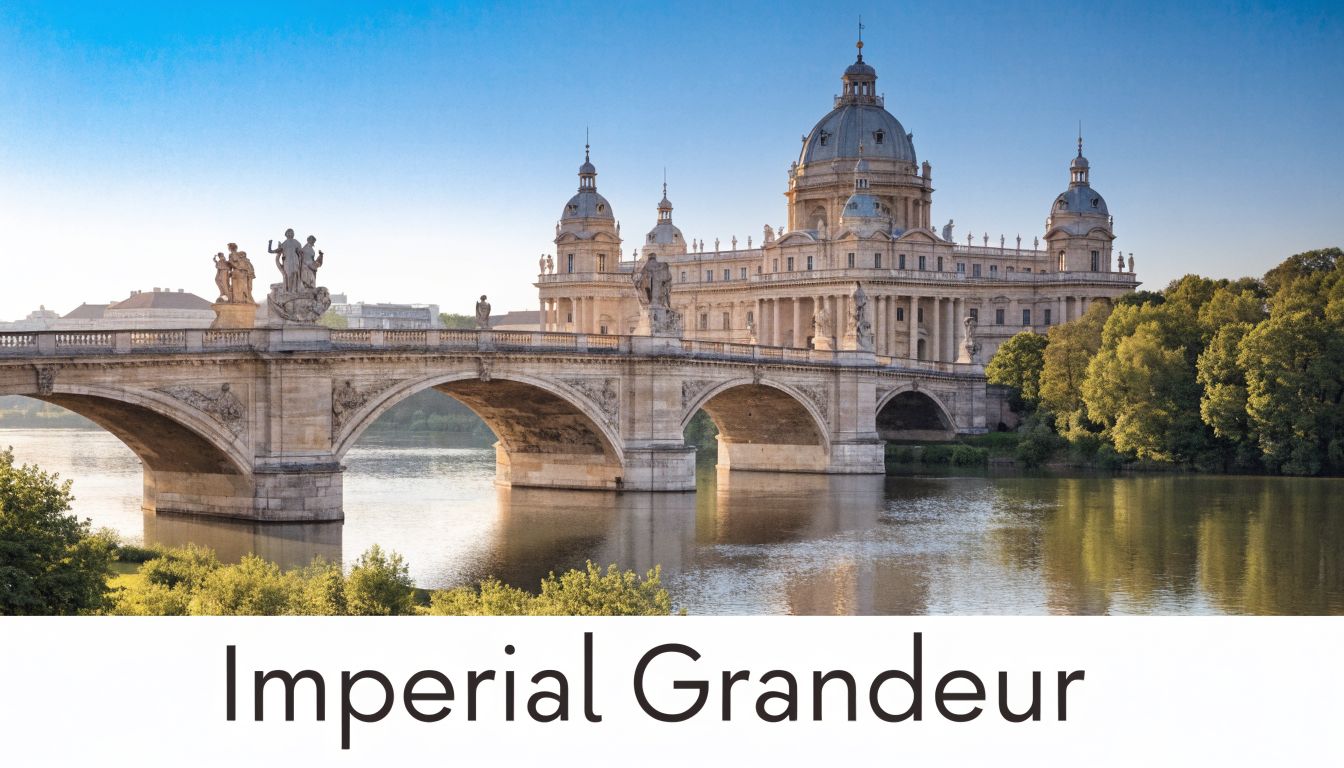
This route follows the historic Golden Trail of Central Europe, linking three UNESCO World Heritage cities. Together, they drew over 15 million international tourists in 2023, a 25% increase from pre-pandemic levels, according to Rick Steves’ Prague Budapest tour overview.
Why this route works so well
These cities belong together because the contrasts are sharp and the transitions are easy.
- Budapest brings riverfront spectacle and a more layered, post-imperial energy.
- Vienna delivers imperial precision, music, and graceful urban planning.
- Prague adds medieval atmosphere and the emotional weight of modern European history.
The route also works because travel between them doesn’t need to be painful. That matters more than people think. A multi-city trip can feel luxurious, or it can feel like an administrative project.
Practical rule: If your itinerary requires you to solve logistics every other day, it isn’t luxury travel. It’s homework.
Where most travelers get it wrong
They try to “see it all” too fast.
They book hotels based on price instead of neighborhood. They choose awkward flight schedules. They underestimate transfer time. Then they wonder why a dream trip feels rushed by day four.
The key skill in planning a tour budapest vienna prague journey isn’t choosing the cities. That part is obvious. The skill is sequencing them properly, building in the right pace, and choosing the transport style that fits how you like to travel.
Crafting Your Perfect Itinerary How Many Days You Need
If this is your first tour budapest vienna prague trip, 10 days is the sweet spot.
Anything shorter becomes a highlights reel. Anything longer gives you room for side trips, slower mornings, and the kind of spontaneous time that usually creates the best memories.
Tourism across Austria, Hungary, and Czechia generated a combined €25 billion in 2024, and seasoned travelers consistently recommend 3 to 4 days per city to avoid rushing the experience, as noted in this Central Europe itinerary guide.
My preferred first-time framework
Here’s the pacing I recommend most often for a classic luxury trip:
| Day range | City | Focus |
|---|---|---|
| Days 1 to 3 | Budapest | Arrival, recovery, riverfront landmarks, baths, Buda side |
| Days 4 to 6 | Vienna | Imperial core, museums, music, elegant dining |
| Days 7 to 10 | Prague | Castle district, Old Town, private guiding, slower finish |
That structure works because Budapest is a strong opener and Prague deserves a full finish. Vienna sits beautifully in the middle as the most orderly transition point.
What each stay should feel like
Budapest for three nights
Three nights is enough for a first visit if the itinerary is smart.
You’ll have time for Parliament and the Castle District, plus one slower experience like a thermal bath visit or a proper Danube evening. Budapest rewards contrast. One polished cultural day, one scenic day, one indulgent day.
Vienna for three nights
Vienna needs at least three nights or it turns into a museum sprint.
This city is best when you leave room for coffeehouses, music, and elegant dead time. That unhurried rhythm is the whole point. If you treat Vienna like a checklist, you miss Vienna.
Prague for three or four nights
Prague benefits from the longest finish.
The city is visually dense and emotionally layered. It’s also the best place to slow down. A private guide who can connect the architecture, monarchy, and post-1989 political history changes the experience completely.
Don’t compress Prague into two nights unless you’re comfortable sacrificing depth for speed.
If you only have seven days
Do it, but make peace with a tighter plan.
I’d keep it to:
- Two nights in Budapest
- Two nights in Vienna
- Three nights in Prague
That version works for travelers who move well, pack light, and don’t need long hotel downtime. It does not work for anyone who calls a trip “relaxing” and actually means it.
If you have two weeks
Now it gets interesting.
Use the extra time for slower mornings, a countryside add-on, or a high-touch experience that breaks up the city rhythm. This is also where transport choices matter more, especially if you want a blend of rail, private transfer, and perhaps a river segment.
For air planning, open-jaw routing is usually the cleanest approach. I break that down in my guide to the best way to book multi-city flights.
Travel Between Cities The Luxury Way
Most generic guides often fall short. They tell you what to see, but not how to move between cities without losing half your day and your patience.
For a luxury tour budapest vienna prague trip, there are three serious options. First-class rail, a Danube cruise segment, and private chauffeured transfers. Each works. The right one depends on whether you value efficiency, scenery, or privacy most.
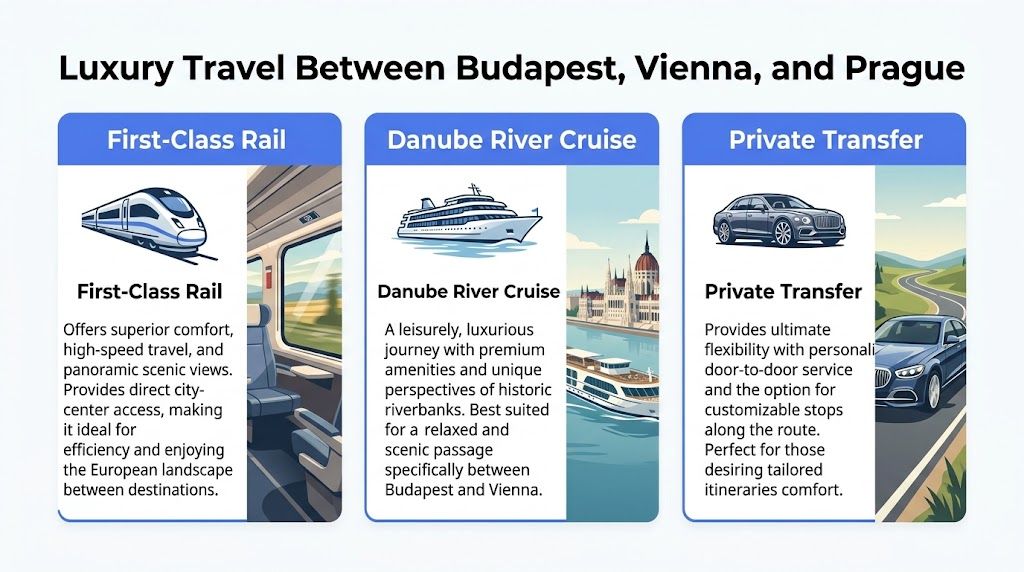
High-speed Railjet trains connect Vienna and Prague in just over 4 hours, thanks to track upgrades that cut travel time by 25%. Private transfer bookings have also risen by 25% among travelers avoiding crowded group coaches, according to Insight Vacations’ Budapest Vienna Prague coverage.
Option one, first-class rail
Rail is the smartest default for most clients.
Budapest to Vienna takes 2.5 hours, and Vienna to Prague takes 4 hours. You depart from city center to city center. No airport drag. No wasted margins. No need to show up absurdly early.
Rail is best for:
- Couples who value efficiency and don’t want transfer drama
- Families with older children who can manage stations comfortably
- Travelers who want scenery without giving up a full day
The first-class experience is comfortable, easy, and civilized. It feels European in the best way.
Option two, Danube river cruise segment
This works beautifully between Budapest and Vienna, not for the full triangle.
If you want a slower, scenic passage with a strong sense of occasion, a river cruise segment can be a smart addition. It’s especially appealing for milestone trips, anniversaries, and travelers who prefer unpacking less often.
If you’re considering that route, my overview of how to cruise European luxury helps clarify when a river element improves the trip and when it complicates it.
Option three, private chauffeur
Private transfers are the most flexible option and the least discussed. They’re also often the right answer for families, clients carrying more luggage, or anyone who values privacy over pure speed.
A private car works best when you want to:
- Travel door to door with no station handling
- Add custom stops en route
- Keep the experience quiet and controlled
For some travelers, especially those connecting from farther afield or extending to more remote parts of Europe, the wider aviation side matters too. If that’s part of your planning, this guide on how to charter a private jet is a useful primer on what private air logistics involve.
The best transport plan is often hybrid. Rail for one leg, private transfer for another, and a cruise element only if it adds pleasure instead of complexity.
My blunt recommendation
Choose rail unless you have a specific reason not to.
Choose private transfer if privacy, custom stops, or family logistics matter more than speed.
Choose a river cruise element if the journey itself is part of the celebration and you’re comfortable with a slower pace.
What I don’t recommend is defaulting to group coach travel on a luxury trip. It saves decision-making, not time or comfort.
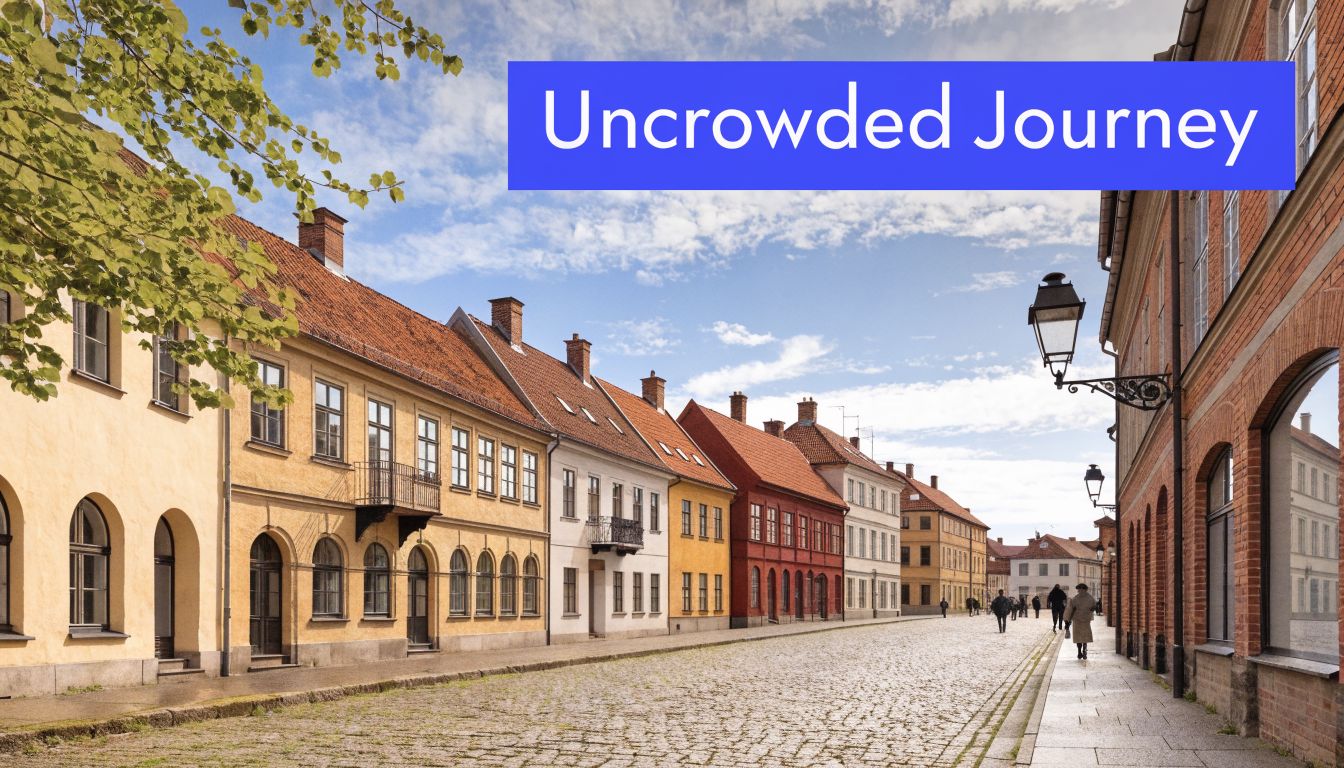
The Best Times to Visit for an Uncrowded Experience
If you want this trip to feel expensive in the right way, go in April to May or September to October.
Those months give you the version of Central Europe that matches the fantasy. Better light. Better walking weather. Better access. Better pacing.
Traveling in those windows means average temperatures of 15 to 22°C and up to 70% fewer tourists than in July, according to this Prague Vienna Budapest itinerary guide. That matters at places like Prague Castle, where crowds and heat can flatten the experience.
Why shoulder season wins
Summer looks obvious on paper. In practice, it’s often the least elegant choice.
You’re sharing iconic streets with peak crowds, timed-entry pressure rises, and the heat makes long walking days less pleasant. In shoulder season, these cities breathe better.
You’ll notice the difference in:
- Morning touring that feels calm instead of competitive
- Outdoor dining that’s comfortable rather than overheated
- Hotel availability that gives you stronger room options
- Photography with softer light and cleaner streetscapes
Go when the city still belongs to locals for part of the day. That’s when it feels special.
What about winter
Winter can be magical, especially for Christmas markets.
Vienna’s seasonal atmosphere is famous for a reason, and the city’s markets draw huge annual attendance. Budapest and Prague are also beautiful at that time of year. But winter isn’t “quiet.” It’s festive, atmospheric, and often crowded in the most popular squares.
So my advice is simple. Travel in winter if you want holiday ambience and don’t mind trading some calm for atmosphere. Travel in spring or autumn if you want the cleaner luxury experience.
My recommendation by traveler type
- First-time visitors: Late April, May, late September
- Honeymooners: Early October for mood and softer pace
- Families: Spring, when walking days are easier
- Holiday travelers: Early December for market season and festive energy
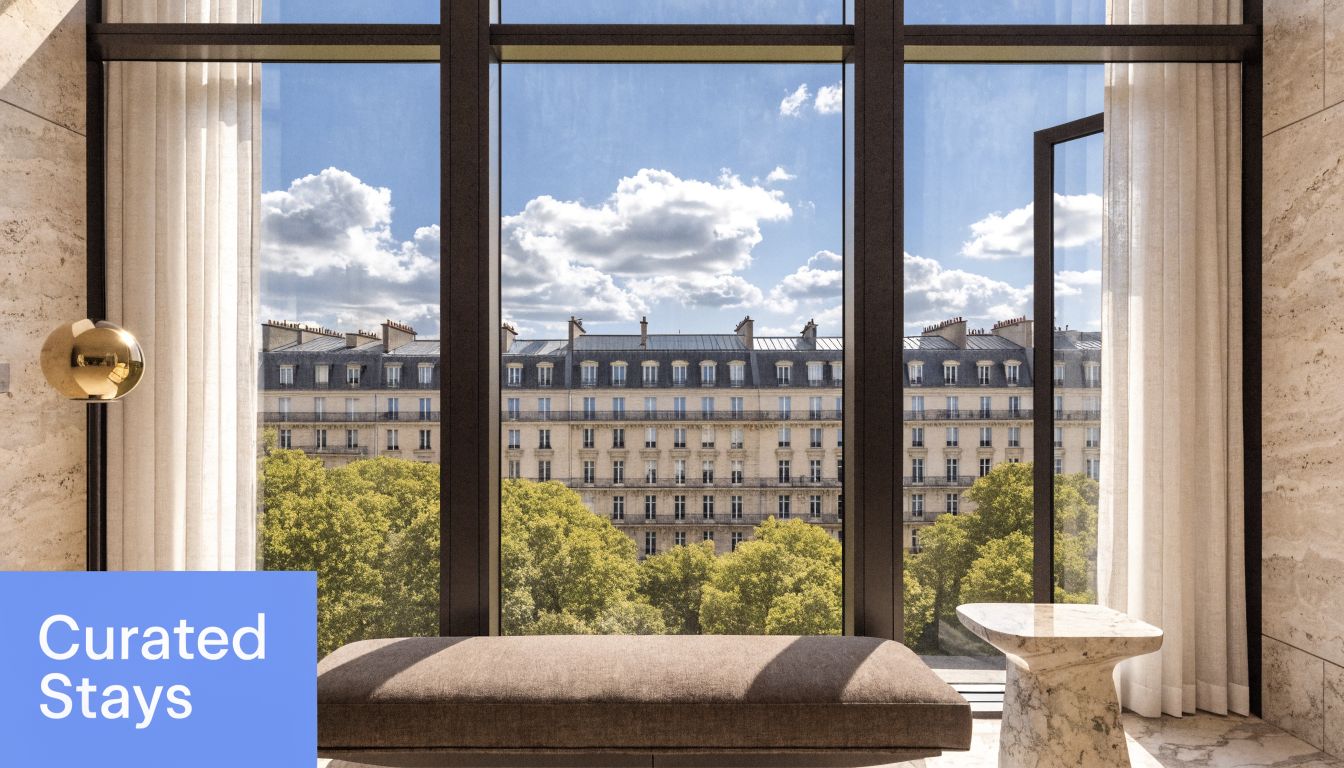
Curated Stays The Right Neighborhoods and Hotels
Luxury isn’t just about the hotel. It’s about where the hotel sits in the city.
A great room in the wrong neighborhood can undermine a trip. You lose spontaneity, burn time in transit, and end up returning to an area that doesn’t match the mood you wanted in the first place.
Budapest where I’d place you
For most first-time luxury travelers, I prefer the Inner City and Danube-adjacent areas of District V.
That location keeps you close to Parliament, river walks, elegant cafes, and smooth pickup points for private guiding. It’s polished and practical. If you want nightlife and a younger scene, I’d shift the strategy. If you want river views and easy movement, this is the obvious answer.
Vienna depends on your style
If you want classic Vienna, choose the Innere Stadt.
This is the refined choice. You’re close to major cultural sights, formal architecture, and the sort of addresses that make evening strolls feel cinematic. It suits travelers who want tradition, ceremony, and the grand hotel mood.
If your taste runs more contemporary, I may place you just outside the historic core in an area that gives you a little more breathing room and a slightly more local rhythm.
Prague needs the right balance
For Prague, I often lean toward Malá Strana for clients who want charm and atmosphere.
It’s romantic, beautiful, and quieter at night than the busiest parts of Old Town. If you prefer to walk out directly into the highest concentration of restaurants and activity, Old Town can work. But for many luxury travelers, Malá Strana feels more composed.
Your hotel should support the trip’s rhythm. If you want romance, I won’t put you in a business district. If you want convenience, I won’t hide you on a beautiful but inconvenient hill.
How I match the stay to the traveler
I look at four things first:
- Pace: Do you want to walk everywhere, or retreat to a calmer base?
- Style: Historic grand dame, discreet modern luxury, or intimate boutique.
- Trip purpose: Honeymoon, milestone birthday, family vacation, or first-time Europe.
- Daily rhythm: Early riser, late diner, museum-heavy, food-led, or spa-focused.
That’s how you get the right stay. Not from a generic “best hotels” list.
Beyond the Checklist Exclusive Curated Experiences
The difference between a nice trip and an unforgettable one usually comes down to access.
Anyone can walk across Charles Bridge or visit Schönbrunn. That’s not the issue. The issue is how you experience these places, with whom, and at what pace.
What elevated planning changes
A strong itinerary includes the landmarks, but it doesn’t stop there.
One couple may want a private evening focused on music and opera in Vienna. Another may care more about a chef-led culinary experience in Budapest. A family might want storytelling guides who can make Prague’s political and architectural history land for different ages.
Those choices change the entire trip.
Examples of what I’d prioritize
- Private castle or district guiding early in the day, before public areas feel congested
- A well-informed historical guide in Prague who can connect the city to the Velvet Revolution and modern identity
- A refined wine or dining experience in Budapest rather than another generic sightseeing block
- An opera or concert night in Vienna arranged with the right seating strategy and pre-show planning
The point isn’t to stack “VIP” labels onto everything. The point is to remove friction and add meaning.
Why bespoke beats busy
A lot of travelers overschedule Central Europe because the cities are rich and compact.
That’s a mistake. The best experiences need margin. Time for a proper lunch. Time to linger after a concert. Time to take the scenic route back to the hotel because the street is glowing at dusk and nobody wants to rush.
A good advisor protects that margin. That’s what makes the itinerary feel expensive in a way no room category alone can deliver.
Let Me Handle the Details So You Can Travel Effortlessly
A well-planned tour budapest vienna prague trip looks simple from the outside. It isn’t.
Someone needs to line up flights that work with the hotel sequence. Someone needs to make sure rail timing matches check-in windows. Someone needs to decide when a private driver is smarter than a train. Someone needs to secure guides who can turn a city walk into something memorable instead of generic.
That’s the difference between browsing and full-service planning.
What I coordinate behind the scenes
I handle the parts that consume time and create mistakes when travelers DIY this route:
- Flight strategy for the cleanest arrival and departure flow
- Hotel selection based on neighborhood, not just star rating
- Rail or private transfer planning that respects your pace
- Private guides and touring design matched to your interests
- Dining reservations and special experiences that fit the rhythm of the trip
The historical layer matters too. Prague, in particular, deserves context. The Velvet Revolution on November 17, 1989 ended communist rule in Czechoslovakia, and that story changes how the city feels when the right guide brings it to life, as noted qualitatively in the earlier introduction source.
Why human planning still matters
There’s a lot of chatter now about automation, itinerary builders, and every kind of digital shortcut. If you’re curious about how that trend is being framed, this piece on the rise of the AI travel agent is an interesting read.
But for a multi-city luxury trip, software still doesn’t replace judgment.
It doesn’t know which hotel has the right atmosphere for your anniversary. It doesn’t know when a “faster” route is more stressful. It doesn’t know when your family needs a lighter day after an overnight flight.
Credentials matter
I’m a Circle of Excellence Advisor, Top 5 percent at Nexion, and a CLIA Accredited Cruise Counselor.
I also work with clients nationwide through virtual consultations. That matters if you want one point of coordination and a plan that’s customized, not templated.
If you want a custom-designed journey, start with my bespoke travel experiences planning approach, then move into a consultation from there.
Frequently Asked Questions for Your Central Europe Tour
Is Budapest Vienna Prague better by train or private car
For most travelers, train is the best baseline because it’s efficient and city-center to city-center.
Private car becomes the better choice when privacy, family logistics, extra luggage, or custom stops matter more than speed. I often use a hybrid approach rather than forcing one mode across the entire trip.
Which city should I start with
I usually prefer Budapest to Vienna to Prague.
It builds beautifully. Budapest opens with strong visual drama, Vienna creates a polished middle stretch, and Prague gives you the most atmospheric finish. That order also tends to feel emotionally satisfying rather than flat.
Is this trip good for a honeymoon
Yes, very.
It works especially well for couples who want culture, food, architecture, and romantic atmosphere without a resort-style trip. Prague and Vienna are particularly strong for honeymoon pacing, while Budapest adds edge and contrast.
Can this work for families
Yes, if the pacing is realistic.
Families do best with fewer hotel changes, private transfers where helpful, and guides who know how to adapt the content. Central Europe rewards curious kids and teens, but it still needs thoughtful planning. You can’t drag a family through an adult museum marathon and call it luxury.
Do I need a river cruise to enjoy this route
No.
A Danube cruise element can be lovely, especially between Budapest and Vienna, but it isn’t mandatory. For many travelers, first-class rail plus strong hotels and private touring creates a better balance of flexibility and immersion.
How far in advance should I plan
Earlier than commonly thought.
This route is popular for good reason, and the best room categories, strongest guides, and most practical timing choices don’t wait. If you want a polished trip rather than leftovers, start the planning process well ahead of your travel window.
If you want a tour budapest vienna prague itinerary that feels polished from the first flight to the final transfer, Explore Effortlessly can design and manage it for you. I plan luxury trips for clients nationwide through virtual consultations, handling the hotels, transport, private guides, and all the in-between details that make multi-city Europe feel easy. If you’re ready, Plan my luxury trip. And if you’d like more destination insight before you reach out, join the newsletter here: https://exploreeffortlessly.myflodesk.com/linkinbio
Author bio
Hi, I’m Karrah, owner, founder, and lead travel advisor at Explore Effortlessly, a luxury award winning travel agency based in Miami.
I specialize in designing bespoke, high touch itineraries to bucket list destinations around the world. Every trip is curated with intention, insight, and well-coordinated logistics from start to finish.
From luxury cruises and private villas to honeymoons, safaris, and once in a lifetime journeys, my role is to simplify the planning process while elevating every detail.