The best honeymoon itineraries start with your preferred mix of relaxation, adventure, culture, travel time, season, and investment. The strongest options range from resort-centered French Polynesia and the Maldives to multi-stop Europe, Asia, Australia, and Caribbean island or yacht journeys.
Most couples don't get the honeymoon wrong because they chose an unattractive destination. They get it wrong because the trip moves badly. A beautiful room can't fix back-to-back ferry days, a noisy room category, poor seasonal timing, or a schedule that turns a romantic trip into a logistical project.
That's why I compare honeymoon routes by pacing first. This roundup looks at eight premium itineraries through the lens that matters: vibe, trip length, transfer load, season, and where private upgrades make a real difference. If you're a busy couple who wants a meaningful trip without managing every flight, hotel, driver, dinner reservation, and special arrangement yourself, that's the difference between a honeymoon that feels smooth and one that feels expensive but tiring.
Honeymoons also deserve this level of thought because they're a major travel category, not an afterthought. Global honeymoon tourism was valued at USD 112.81 billion in 2025 and is projected to reach USD 202 billion by 2034, with a 6.83% CAGR. Couples are investing real money and expecting the trip to feel worth it.
I plan these routes with the same lens I use across milestone travel at Explore Effortlessly. The destination matters, but the room location, transfer sequence, downtime, and activity spacing matter just as much. If you want more destination-specific help, Explore Effortlessly also offers custom honeymoon planning support for couples who'd rather make one good set of decisions than spend months second-guessing every moving part.
1. French Polynesia: Overwater Bungalows and Private Island Escapes
French Polynesia is one of the clearest examples of why pacing beats destination count. If you try to cram too many islands into one trip, you'll spend a premium to feel rushed. The better honeymoon is usually 10 to 12 days with a soft landing in Tahiti, then a split between Bora Bora and a quieter atoll such as Rangiroa or Fakarava.
A first-night or two-night stay in Tahiti is worth it. After a long-haul flight, I want couples to reset before adding inter-island transfers. It also gives you one cultural day for dining, shopping, and a change of scenery before the lagoon portion begins.
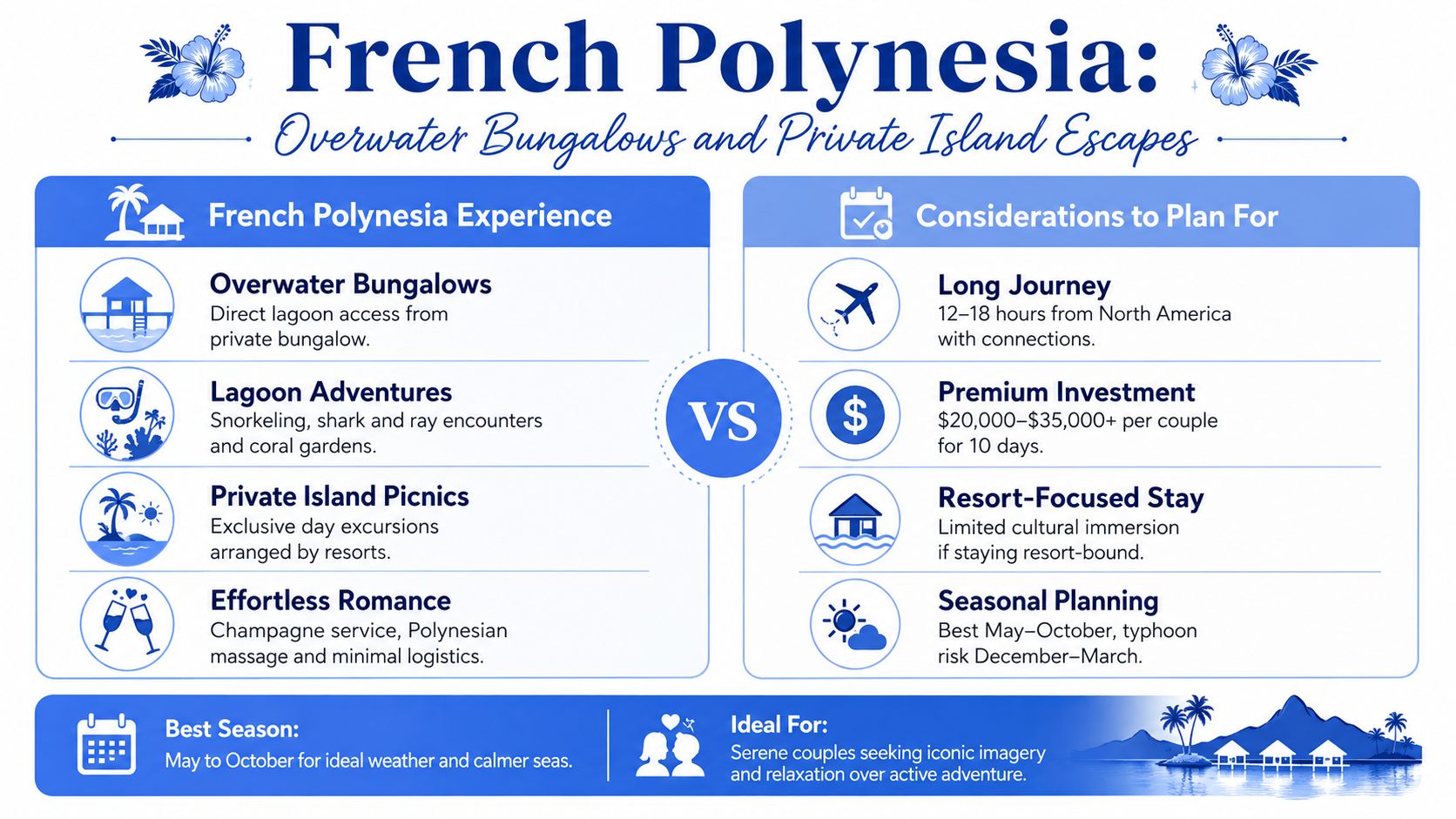
What makes this route work
Bora Bora delivers the iconic imagery. A smaller atoll gives you quiet. That pairing is smarter than dividing the trip among several islands that all ask you to unpack, repack, and wait on transfers.
Practical rule: In French Polynesia, I'd rather upgrade the room and reduce the island count than add another stop just to say you covered more ground.
The room category matters a lot here. In overwater inventory, location changes the experience. Better-facing units often mean more privacy, calmer swim access, and fewer neighboring walkways in view. That's not a flashy upgrade. It's the difference between feeling tucked away and feeling observed.
A strong version of this honeymoon looks like:
- Tahiti first: Use it to absorb jet lag and enjoy one non-resort day.
- Bora Bora second: Choose this for classic overwater romance and polished resort service.
- Quieter finale: Finish on a lower-key atoll if you want seclusion, easier snorkeling rhythm, and less honeymoon theater.
Best for couples who want
This is for couples who want resort time, lagoon days, and a trip built around water rather than sightseeing. It's especially good for pairs who don't need nightlife and would rather snorkel off the room, take a private island picnic, and preserve long stretches of downtime.
For couples comparing Bora Bora properties, my Bora Bora all-inclusive resort guide helps narrow down what changes the experience.
Booking timing matters too. Independent luxury-travel guidance says peak-season and long-haul honeymoons should generally be booked 6 to 12 months out, with lower-density luxury stays in some remote destinations needing even longer. In French Polynesia, that matters most when you're targeting strong overwater inventory rather than any available room.
2. Maldives: Private Resort Islands and House Reef Snorkeling
The Maldives works best when you stop treating it like an island-hopping trip. For most honeymooners, one resort island is enough. Two can work if the contrast is meaningful, such as one more social property followed by one very private stay. More than that usually starts to dilute the calm you're paying for.
A 7 to 10 day itinerary is the sweet spot. I like this route for couples who want privacy quickly, not couples who need constant movement.
The upgrade that matters most
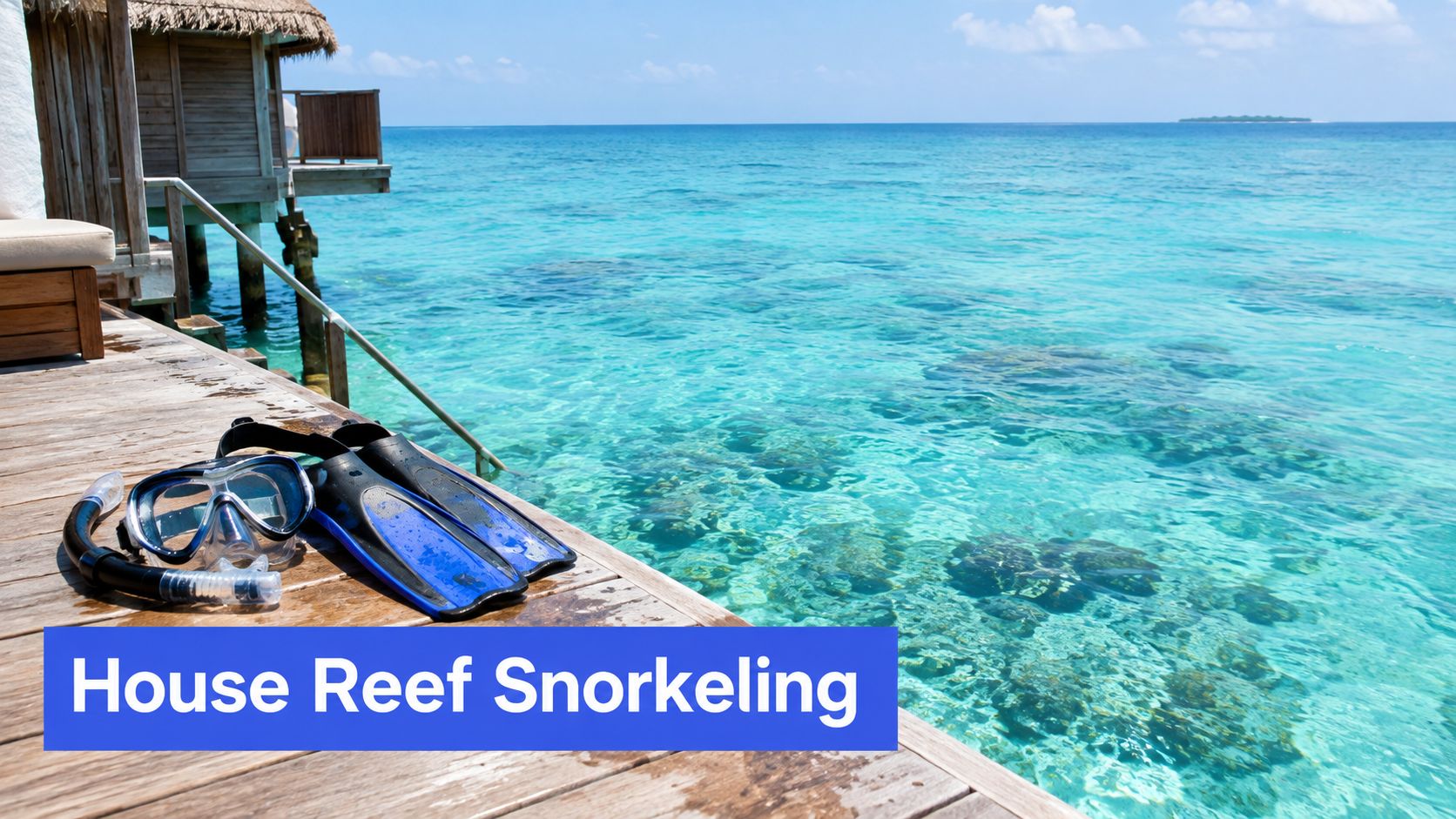
Don't choose a resort on villa photos alone. Choose it on marine access. Some properties have excellent house reefs and easy water entry. Others look spectacular above the water and disappoint once you're in it.
If snorkeling is central to your trip, I recommend prioritizing:
- House reef quality: Daily access changes the whole rhythm of the stay.
- Transfer simplicity: Seaplane glamour is fun until it creates awkward arrival timing.
- Meal plan structure: All-inclusive can be a better value here because resort dining adds up fast.
- Villa placement: Sunset exposure, privacy, and swim access often matter more than square footage.
Some of the best Maldives honeymoons are deliberately repetitive. Swim, eat well, rest, repeat. That's not a lack of planning. That's the point.
A stopover in Dubai or Abu Dhabi can make sense from North America if you'd rather break up the journey than arrive depleted. That only works if you treat the stop as a reset, not a second major trip layered on top.
Who should book this over French Polynesia
Pick the Maldives if your ideal honeymoon is quieter, more self-contained, and less about exploring multiple islands. This is a privacy-first choice. It suits couples who'd rather settle into one polished resort routine than move around.
If you're comparing resorts, my Maldives honeymoon resort guide is a good next step.
3. Bali and Indonesian Islands: Private Villas, Culture, and Nature
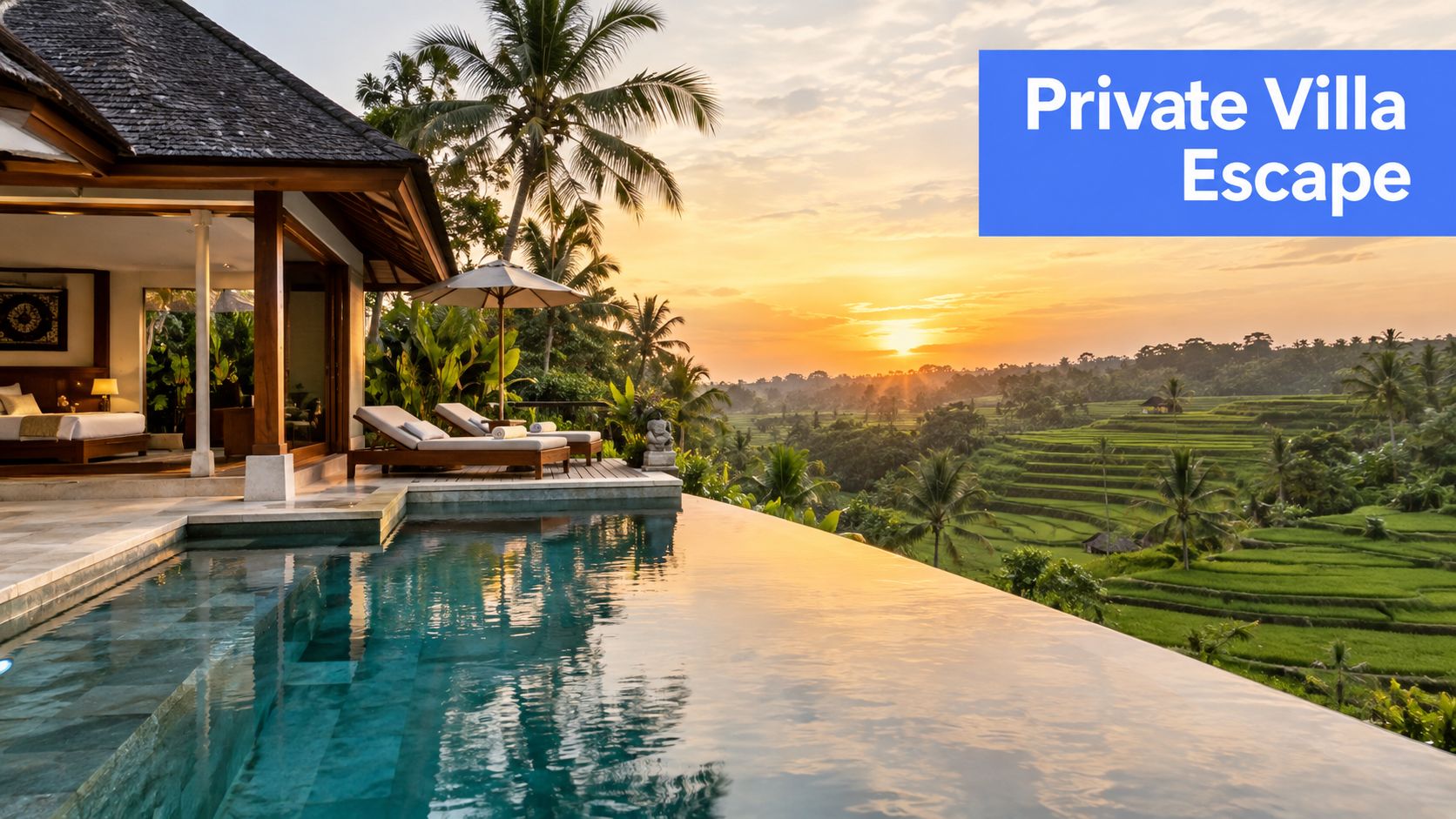
Bali is one of the best honeymoon itineraries for couples who want the trip to feel alive. Not hectic. Alive. You're not just sitting in one resort watching the water change color. You're moving between temple culture, rice terraces, private villa time, spa days, and coastal downtime.
The version I recommend most often is 8 to 12 days with two bases. Ubud first, then a coastal stay. That split gives the trip shape.
How to keep Bali romantic
Bali can become tiring if you underestimate drive times and over-schedule day trips. I prefer using a private driver rather than trying to self-manage transportation. It keeps the days flexible and removes the friction of navigating traffic, pickup points, and parking.
I also don't recommend spending the whole honeymoon at the beach. Ubud deserves at least a few nights. That's where many couples find the honeymoon shifts from "nice vacation" to "this feels distinct."
A strong pacing plan looks like this:
- Start in Ubud: Choose a villa stay with privacy, strong service, and space to settle in.
- Move once to the coast: Finish with beach time, sunset dinners, and easier final days.
- Add another island only if time supports it: The Gili Islands or Lombok can work, but not if the transfer day eats too much of the trip.
Best for culture-forward couples
This route suits couples who want private villas, food, craft, wellness, and nature all in one trip. It's also a good fit for honeymooners who like service and romance but don't need the trip to feel formal.
The biggest upgrade here is often not the top suite. It's the villa with usable outdoor living space, a dependable driver plan, and enough unscheduled time to enjoy the property. In Bali, those details shape the honeymoon more than flashy add-ons do.
4. Greece: Island-Hopping and Cliffside Romance in the Aegean
Greece is gorgeous. It's also one of the easiest places to overbuild a honeymoon. Too many islands, too many ferries, and too much pressure to "see everything" can ruin the rhythm fast.
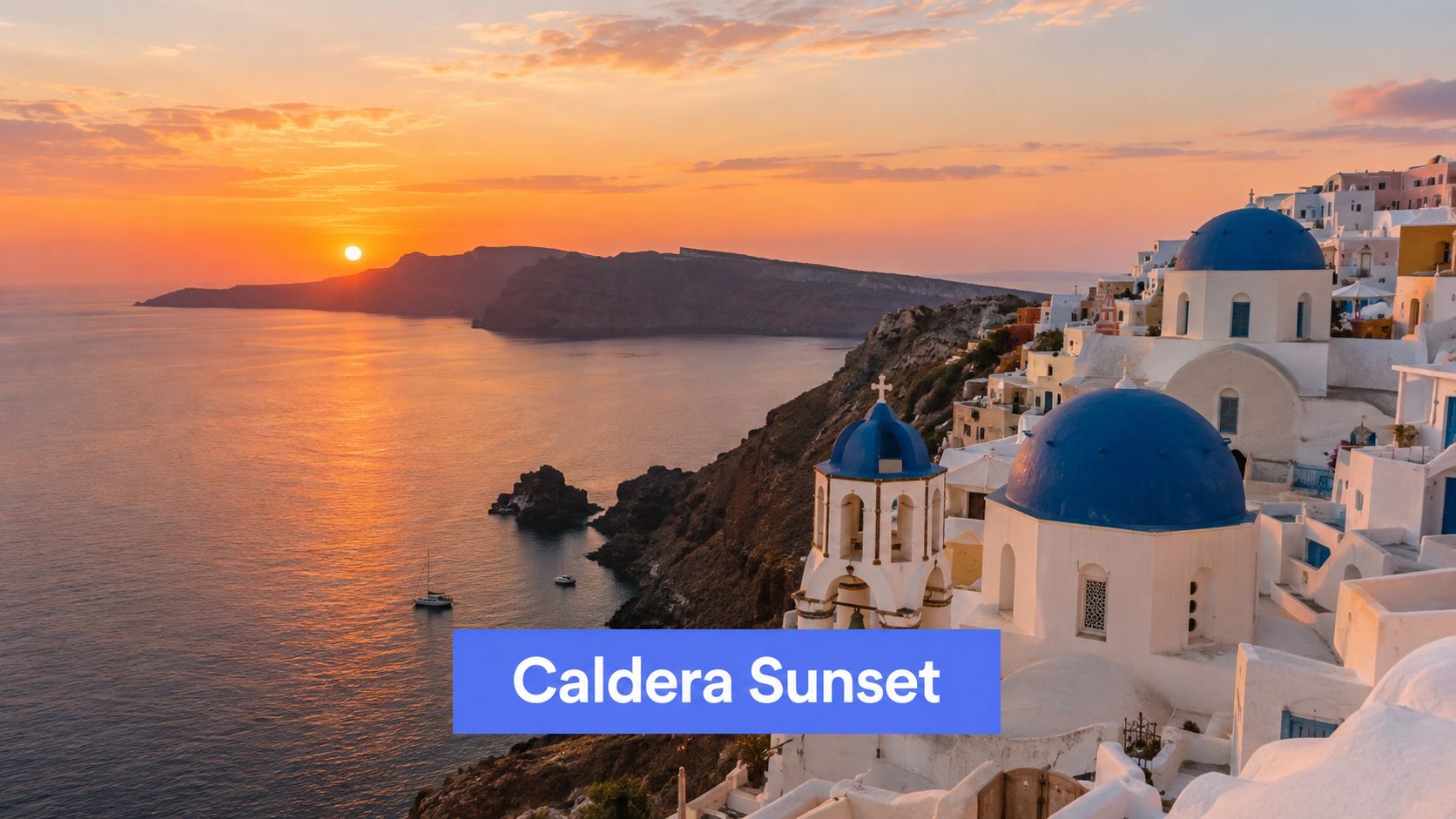
The better route is 9 to 12 days with two or three islands at most. Santorini for drama, then somewhere softer such as Paros, Naxos, or Antiparos. Mykonos belongs only if nightlife and scene matter to you.
Timing changes everything
I don't love peak summer for honeymooners here. Shoulder season usually gives a better experience because the islands feel more breathable and the logistics are less punishing. In Greece, crowd pressure affects transfers, dining, and even how private a "romantic" hotel feels.
Book Greece for the mood you want, not the postcard everyone else chased in the same week.
Private boat transfers can be worth the cost if your budget supports them. Ferries aren't wrong, but they're often the point where a romantic itinerary starts to feel transactional. When couples have limited PTO, preserving comfort on transfer days is one of the best investments available.
A better island mix usually includes:
- Santorini for fewer nights than you think: Splurge on the caldera-view room, but don't force a full week there.
- A quieter second island: Beach clubs, village dinners, and relaxed mornings happen.
- A driver plan on each island: I don't recommend scooters for honeymoon logistics.
If Greece is on your shortlist, my guide to honeymoon destinations in Greece can help narrow the island style that fits you.
Best for
Choose Greece if you want Mediterranean light, scenic hotel terraces, private boat time, and dinners that feel social and romantic rather than secluded and resort-contained.
5. Australia and Fiji: Tropical Islands and Great Barrier Reef
This is the route for couples who want reef time plus a true sense of distance from everyday life. It's one of my favorite combinations for honeymooners who are energized by nature but still want polished accommodations and a clear travel flow.
A strong itinerary runs 10 to 14 days. Start in Australia for the Great Barrier Reef portion, then shift to Fiji for the softer landing.
Why the order matters
I like reef activity after you've had a moment to recover from the long flight. Day one is for arrival and reset. Schedule major snorkeling or diving after that. Couples who push straight into big water days while jet-lagged usually enjoy them less.
The second half in Fiji should feel slower. The private island rhythm, direct water access, and simple resort days pay off. If one partner is a serious diver and the other isn't, this pairing works well because Fiji can absorb both interests more gracefully than a dive-heavy itinerary from start to finish.
A smart version of the route includes:
- Australia first: Focus on reef access and marine experiences while your energy is higher.
- Fiji second: Choose a resort where snorkeling from shore is realistic and easy.
- Built-in rest days: Long-haul romance still needs recovery time.
For readers also dreaming about marine experiences closer to home, this look at night snorkeling at Kona Snorkel Trips is a useful reminder that water-based honeymoon memories often come from one well-chosen experience, not a jammed schedule.
Best for active couples
Pick this if your honeymoon should include reef life, tropical scenery, and a little more adventure than a pure fly-and-flop trip. It especially suits couples who don't mind distance if the payoff is underwater access and a more varied overall journey.
6. Italian Lakes and Amalfi Coast: Villas, Wine, and Mediterranean Romance
Italy is for couples who want romance with texture. You aren't choosing this route just for a pretty hotel. You're choosing it for lakeside mornings, long lunches, scenic drives that somebody else should absolutely handle, and a dining rhythm that gives the trip depth.
My preferred version is 9 to 11 days with two main bases. Lake Como or Lake Garda first, then the Amalfi Coast. Add Tuscany only if you have enough time to do it without turning the honeymoon into a relocation exercise.
The mistake I see most often
Couples try to fit too many famous names into one trip. In Italy, fewer bases almost always wins. It gives you room for lake boating, terrace dinners, and one proper wine-focused day instead of constant check-in and check-out.
Private drivers are worth serious consideration here. Roads can be narrow, arrival points can be awkward, and the mental load of self-driving takes attention away from the trip itself. This is one of those itineraries where convenience directly protects the mood.
If you're going to splurge in Italy, spend on location and transport first. A beautiful suite loses some magic if every day starts with a complicated transfer.
I also recommend shoulder season for the Amalfi portion. Summer can still be appealing, but it asks you to tolerate more density, more waiting, and less spontaneity.
For couples who love wine and want a deeper food component, this primer on Italian wine regions explored is a helpful starting point for shaping that day well.
Best for
This route fits couples who value dining, scenery, and classic European romance over tropical seclusion. It rewards travelers who like polished hotels, private boat or driver days, and a honeymoon that feels cinematic without being inert.
7. Caribbean Private Island or All-Inclusive Yacht: Seclusion and Water-Based Freedom
This is one of the most underrated answers for couples who want the honeymoon to feel private but don't want a punishing flight pattern. A Caribbean private island stay or a crewed yacht itinerary can deliver real seclusion with much cleaner logistics than many long-haul alternatives.
The appeal is freedom. You wake up close to the water, move with the weather, and let the trip breathe. For many couples, that's more romantic than checking off famous landmarks.
Two very different honeymoon styles
A private island resort is easier. A crewed yacht is more dynamic. Both can work beautifully, but they suit different personalities.
Choose based on how you want your days to feel:
- Private island stay: Better for couples who want stable routines, strong room privacy, and resort support around meals and activities.
- Crewed yacht charter: Better for couples who want movement, changing anchorages, and a more immersive relationship with the water.
- Bareboat charter: Only for experienced sailors. I wouldn't turn a honeymoon into a training exercise.
The luxury here is flexibility. One day can be snorkeling and reading with no schedule. Another can include a guided excursion or a beach lunch off the boat. The key is resisting the urge to make every day "productive."
Who this route suits best
Choose the Caribbean if you want the honeymoon to feel exclusive without requiring the longest travel days on this list. It's also a strong option for couples navigating limited PTO, destination wedding fatigue, or a phased honeymoon approach rather than one huge trip taken immediately after the wedding.
That matters more now because phased honeymoons, including mini-moons, pre-moons, and elope-moons, are gaining momentum according to a 2026 industry report. This style fits that shift well because it can work as either the main honeymoon or the first chapter of a larger plan.
8. Portugal: Lisbon, Douro Valley, and the Algarve, Wine, Culture, and Coastal Beauty
Portugal is the route I recommend for couples who want Europe without the intensity of a more overbuilt classic honeymoon circuit. It gives you city energy, vineyard scenery, and beach time in one trip, but the tone stays easier if you pace it correctly.
I like 9 to 12 days here. Lisbon first, Douro second, Algarve last. That sequence moves from stimulation to calm, which is exactly how a honeymoon should unfold.
Why Portugal works so well
Lisbon gives you food, neighborhoods, and a city start that doesn't need to dominate the whole trip. The Douro adds wine country. The Algarve brings coastal rest at the end.
This route is especially strong for couples who want variety without feeling like they're executing a grand tour. One scenic train segment in the Douro can add a lot of atmosphere without making the trip feel overplanned, and a small car in the Algarve gives useful freedom if you keep the driving modest.
Honeyfund's 2026 report says the average honeymoon budget is USD 6,500, couples allocate 26% of total wedding spend to the honeymoon, and 23% of honeymoons are domestic. Portugal is relevant because it often appeals to couples who want a strong European experience while staying more disciplined on total trip investment than they might be in some of the flashier honeymoon staples.
Best for thoughtful spenders
This doesn't mean "budget." It means value-conscious luxury. Portugal is ideal for couples who care about boutique hotels, wine, food, and atmosphere, but don't need every stop to be a marquee-name destination.
It's one of the best honeymoon itineraries for travelers who want Europe to feel romantic and well-priced rather than performative.
8 Best Honeymoon Itineraries Compared
| Destination | Implementation Complexity | Resource Requirements | Expected Outcomes | Ideal Use Cases | Key Advantages |
|---|---|---|---|---|---|
| French Polynesia: Overwater Bungalows & Private Island Escapes | High, long international flight + inter‑island flights/ferries; reserve overwater bungalows early | Very high, $20,000–$35,000+ for 10–12 days; resort‑centric costs and transfers | Iconic visual romance, calm lagoon snorkeling, resort relaxation (High impact) | Couples seeking effortless, picture‑perfect relaxation and underwater beauty | Direct lagoon access, high‑touch honeymoon amenities, private island options |
| Maldives: Private Resort Islands & House Reef Snorkeling | Moderate, long haul flights; resort transfers (speedboat/seaplane); pick resorts by house reef quality | High, $18,000–$32,000+ for 7–10 days; all‑inclusive can reduce daily expenses | Exceptional house‑reef snorkeling/diving and privacy; strong marine biodiversity (High) | Strong swimmers/divers wanting privacy and villa‑to‑reef access | House reef access from villas, attentive service, secluded atmosphere |
| Bali & Indonesian Islands: Private Villas, Culture & Nature | Moderate, internal travel (drivers/ferries), vetting villas and guides; mix of terrain | Moderate, $15,000–$28,000+ for 8–12 days; excellent villa value but variable quality | Rich cultural immersion, wellness and personalized service; flexible activities (Medium‑High) | Couples wanting cultural depth, private villas, spa and hands‑on experiences | Private chefs/chefs‑included villas, strong value, diverse itinerary options |
| Greece: Island‑Hopping & Cliffside Romance in the Aegean | Moderate, ferry/boat logistics; peak‑season crowd management; optional private boats | Moderate‑High, $18,000–$32,000+ for 9–12 days; private boats raise costs | Iconic caldera views, Mediterranean culinary experiences, romantic imagery (High) | Couples valuing European access, food/wine, and classic seaside romance | World‑class scenery, excellent dining/wine, easy European connections |
| Australia & Fiji: Tropical Islands & Great Barrier Reef | High, long multi‑leg flights; coordinate liveaboard/diving and intercountry transfers | Very high, $22,000–$40,000+ for 10–14 days; reef excursions and flights add cost | Unmatched marine biodiversity, adventure + island seclusion mix (High) | Adventure‑focused couples who dive/snorkel and want varied nature experiences | Great Barrier Reef access, Fiji private islands, combined reef + rainforest variety |
| Italian Lakes & Amalfi Coast: Villas, Wine & Mediterranean Romance | Moderate, region‑to‑region driving/boats; villa and Michelin reservations require planning | Moderate‑High, $18,000–$34,000+ for 9–11 days; dining and private transfers are major costs | Culinary and wine‑centric romance, classic European vistas and villa stays (Medium‑High) | Food & wine lovers seeking refined, scenic European honeymoon | Exceptional dining/wine, timeless scenery, villa privacy |
| Caribbean Private Island or All‑Inclusive Yacht: Seclusion & Water Freedom | Variable, moderate for private islands; high for yacht charters (provisioning, crew, sailing) | Wide range, $15,000–$40,000+ for 7–10 days; crewed yachts most expensive | Ultimate privacy and itinerary freedom; direct water activities from base (High) | Adventurous couples comfortable at sea or those wanting complete seclusion | Highly customizable itineraries, direct snorkeling/diving access, intimate service |
| Portugal: Lisbon, Douro Valley & the Algarve, Wine, Culture & Coast | Low‑Moderate, compact transfers (train/car); vineyard and boutique bookings advised | Low‑Moderate, $8,000–$18,000+ for 9–12 days; strong value for Europe | Balanced mix of city culture, wine tastings, and coastal relaxation (Medium) | Couples seeking value‑driven food, wine and varied pacing within one trip | Excellent value, compact diversity (city + wine + coast), boutique hospitality |
Choose the Honeymoon That Fits Your Rhythm
The right honeymoon isn't the one with the most famous stops. It's the one that matches how you want to travel after a wedding. If you want resort-centered privacy and water-focused days, choose French Polynesia or the Maldives. If you want culture, villas, and wellness, Bali is the stronger fit. If your idea of romance involves village walks, terrace dinners, and Mediterranean scenery, Greece and Italy are the standouts.
If reef access and tropical adventure matter most, Australia and Fiji is the smarter long-haul investment. If you want freedom with simpler flight patterns, the Caribbean private-island or yacht route is often the cleaner answer. And if you want a varied European honeymoon with strong food and wine value, Portugal deserves a serious look.
The planning side matters more than most couples expect. Room categories change privacy. Transfer sequences change energy. Seasonality changes crowd levels, water conditions, and how much spontaneous flexibility you'll have. Supplier availability also shifts, especially on low-density resort inventory and the most desirable room types, so a route that looks perfect in theory can become clumsy if you wait too long to reserve.
Luxury planning guidance consistently recommends starting early. One source recommends beginning 9 to 12 months before travel, especially for high-demand seasons, and recent industry reporting notes that premium honeymoon demand is strong, with 64% of clients spending $10,000 or more, 15% spending $20,000 or more, and typical luxury honeymoons running 9 to 12 nights. That doesn't mean every couple should spend at that level. It does mean realistic planning conversations need to happen early.
I also think couples should stop assuming the best honeymoon is always one long trip right after the wedding. For some, a short reset now and a bigger journey later is the smarter move. That's especially true for busy professionals balancing PTO, seasonal pricing, and wedding logistics. For a shorter seasonal escape before the longer trip, explore winter getaway ideas for couples.
At Explore Effortlessly, we help couples compare those moving parts clearly. We can coordinate flights, accommodations, private drivers, dining reservations, activities, and the upgrades that improve comfort and flow within a professional planning process. If you're still debating beach versus culture or single-resort versus multi-stop, that's exactly where good advice earns its place.
For a beach-focused comparison with a different style, this guide to a honeymoon in Tulum can also help clarify what level of movement and resort immersion you want.
FAQs
How many days should a honeymoon itinerary be?
That depends on flight time and the number of stops, but many premium honeymoons work best when they leave enough room to settle in. Recent reporting notes that typical luxury honeymoons often run 9 to 12 nights, which is a useful benchmark for multi-stop routes and longer-haul journeys.
How far in advance should we reserve?
For premium honeymoon planning, earlier is better. High-demand seasons and limited-inventory room categories benefit from a long lead time, and luxury planning guidance commonly points to a window of 9 to 12 months before travel, with some remote, low-density stays needing even more.
How do we choose between a single resort and a multi-stop route?
Choose a single-resort honeymoon if privacy, recovery, and minimal logistics are your priority. Choose a multi-stop route if the trip needs contrast, such as beach plus culture or city plus wine region, and you have enough time to move without rushing.
What investment should we discuss during a consultation?
The right investment depends on destination, room category, season, and flight style. We talk it through in the consultation, so the plan puts your budget toward the moments that matter most to you.
If you'd like more practical travel guidance and destination ideas in your inbox, you can also join my newsletter.
If you're choosing between overwater villas, Mediterranean island-hopping, or a multi-stop route that needs to flow smoothly, Explore Effortlessly can help you sort out the pacing, logistics, and worthwhile upgrades. I design honeymoon itineraries for busy couples who want clear recommendations, thoughtful coordination, and one trusted advisor to bring the trip together.