You’re probably doing what most smart travelers do first. You search for tours to Sapa Vietnam, open a dozen tabs, and immediately get buried in group treks, basic homestays, and vague promises of “authentic” experiences that look suspiciously uncomfortable.
That’s the problem with Sapa online. The destination is magnificent. The planning information is not.
Sapa has grown fast, from 0.8 million visitors in 2020 to a projected 3.8 million in 2024, which is exactly why generic planning fails here. More visitors means more noise, more rushed itineraries, and more average experiences unless someone filters the options properly for you. The tourism growth and projection are outlined in this Sapa destination guide.
The best version of Sapa isn’t a cheap trek with strangers and a muddy overnight setup you regret by dinner. It’s a private, well-paced mountain journey with the right lodge, the right guide, and logistics that feel smooth from Hanoi onward. Done well, Sapa feels cinematic. Done badly, it feels crowded and exhausting.
Key takeaways
- Sapa works best as a curated experience with private guides, carefully chosen lodging, and smart timing.
- Not all tours are created equal. Most online options are built for budget travelers, not clients who want comfort and depth.
- Logistics matter more than people realize because Sapa sits 350 kilometers from Hanoi and mountain travel needs proper coordination.
- Seasonality changes the trip dramatically. Clear skies, golden terraces, and misty romance each suit different travelers.
- The best luxury Sapa trips blend culture, scenery, and ease instead of treating the region like a box to check.
Introduction The Art of Experiencing Sapa
Sapa isn’t hard to enjoy. It’s hard to enjoy elegantly.
That distinction matters. A lot of travelers assume Sapa is just a trekking destination, so they book whatever package appears first and end up with a trip that feels transactional. They see the terraces, take the photos, and leave without ever touching the deeper appeal of the place.
What Sapa does best
Sapa rewards travelers who care about atmosphere. The mountain air, layered valleys, heritage influences, and village life all deserve time and intentional pacing. If your trip is too rushed, you miss the point. If it’s too rustic, comfort starts competing with the experience.
That’s why I’m opinionated about tours to Sapa Vietnam. The standard version sold online is usually the wrong fit for luxury travelers.
Practical rule: If a Sapa itinerary treats lodging as an afterthought, the entire trip will feel cheaper than it should.
The right trip usually includes three things:
- A thoughtful arrival plan from Hanoi, either by private vehicle or a polished rail experience.
- A lodging strategy that matches your style, whether that means a refined town hotel, a secluded ecolodge, or an upscale homestay.
- Private guiding so your days move at your pace, not a group’s.
Why guidance changes everything
Sapa is one of those destinations where small planning choices create a huge difference in how the trip feels. The right guide knows when to leave town, which village interactions feel genuine, how to avoid the most crowded flow, and how to shape the day around your energy level.
That matters even more because Sapa isn’t some sleepy secret anymore. It has become one of Northern Vietnam’s fastest-growing destinations, and growth has come with more infrastructure, more lodging, and more decisions. That’s good news if you want premium experiences. It’s bad news if you assume the internet will sort the good from the mediocre for you.
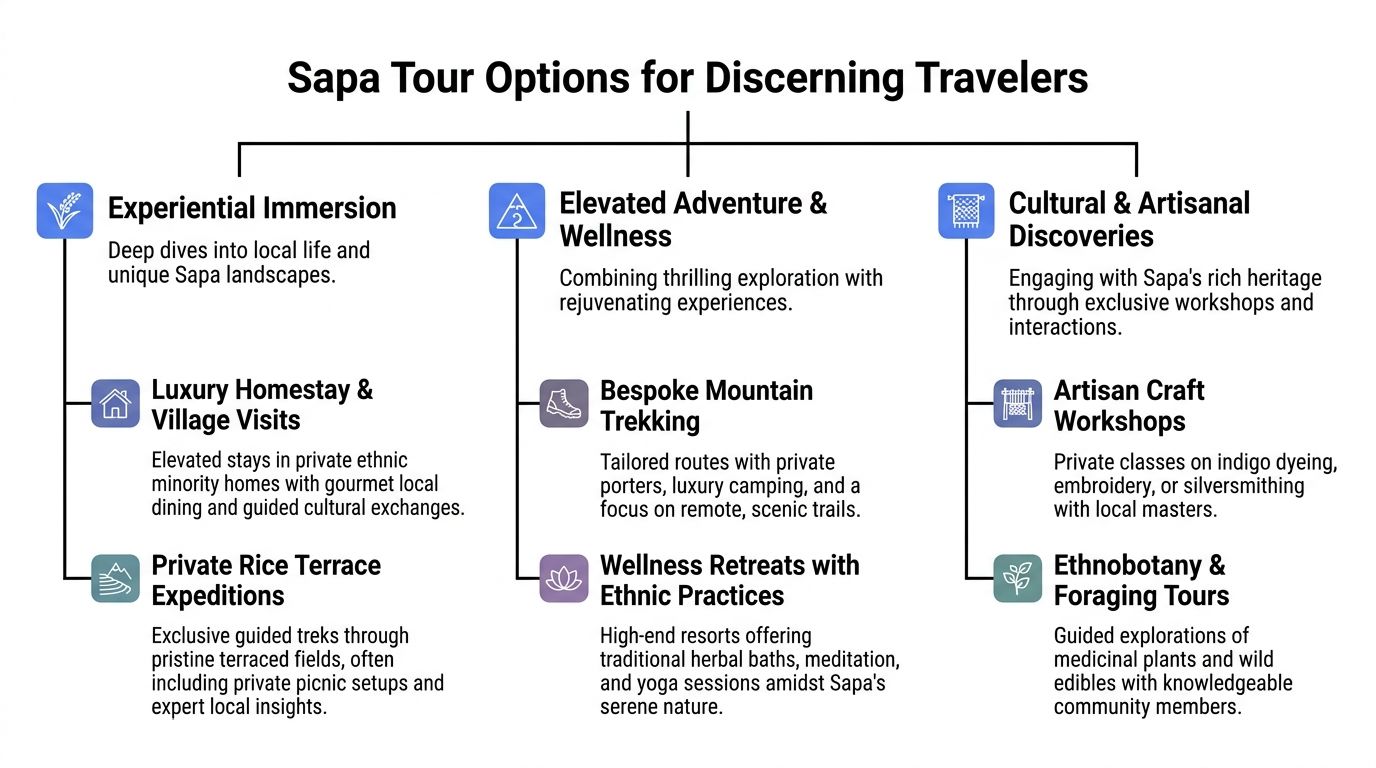
Understanding Your Sapa Tour Options Beyond the Standard Trek
Most online listings for tours to Sapa Vietnam lean heavily toward budget homestays and group trekking. That leaves a real gap for travelers who want private guides, better accommodations, and a more polished mountain experience. That gap is noted in this overview of Sapa tour listings.
Private trekking is the baseline, not the upgrade
If you value comfort, privacy, and a good pace, don’t book a standard group trek.
A private guided trek means your route can match your actual preferences. Some travelers want a scenic walk with frequent stops, a strong coffee break, and time for photography. Others want more ambitious routes and longer valley days. Those are not the same traveler, and they should not be on the same fixed itinerary.
Private trekking also changes the social dynamic. You’re not stuck with strangers. You’re not moving at the speed of the loudest person in the group. You’re not turning every village stop into a queue.
Curated homestays can be excellent
Many travelers hear “homestay” and picture bare-bones simplicity. In Sapa, that can be true. It doesn’t have to be.
The strongest luxury itineraries use curated homestays selectively and intelligently. That means privacy, stronger hosting standards, thoughtful meal planning, and real cultural exchange without sacrificing every creature comfort. When chosen well, a homestay adds substance to a Sapa trip. When chosen badly, it becomes an endurance exercise.
A curated homestay should feel intimate and respectful, not improvised.
Ecolodges and refined mountain stays
For many travelers, this is the sweet spot. A well-run ecolodge outside the busiest part of town gives you the views, the mountain quiet, and a stronger sense of place without losing service standards.
This style suits couples, honeymooners, and busy professionals especially well. You can trek during the day, return to proper amenities, and still feel immersed in the natural surroundings rather than trapped in a tourist strip.
A bespoke trip can also combine multiple styles in one stay. Start with a polished hotel arrival, then move to a valley lodge, then add a cultural night in an upscale homestay if that fits your comfort level. That layered approach creates a more complete trip than choosing one format and forcing everything into it.
For travelers who prefer journeys built around their pace and priorities, I’d point you toward a more personalized style of planning like bespoke travel experiences, because Sapa responds extremely well to customization.
What I’d skip
I’d avoid any itinerary that leads with price and treats the mountain region like a backpacker rite of passage. Sapa can absolutely be adventurous. It should not feel disorganized.
A good Sapa trip is measured, private, and textural. It leaves room for terrace views, proper meals, and meaningful village encounters. That’s very different from being herded through the hills with a basic overnight bag and low expectations.
Sample Sapa Itineraries for Discerning Travelers
The best tours to Sapa Vietnam don’t all look the same. They should reflect how you travel, how much time you have, and whether you want your trip to feel restorative, adventurous, or both.
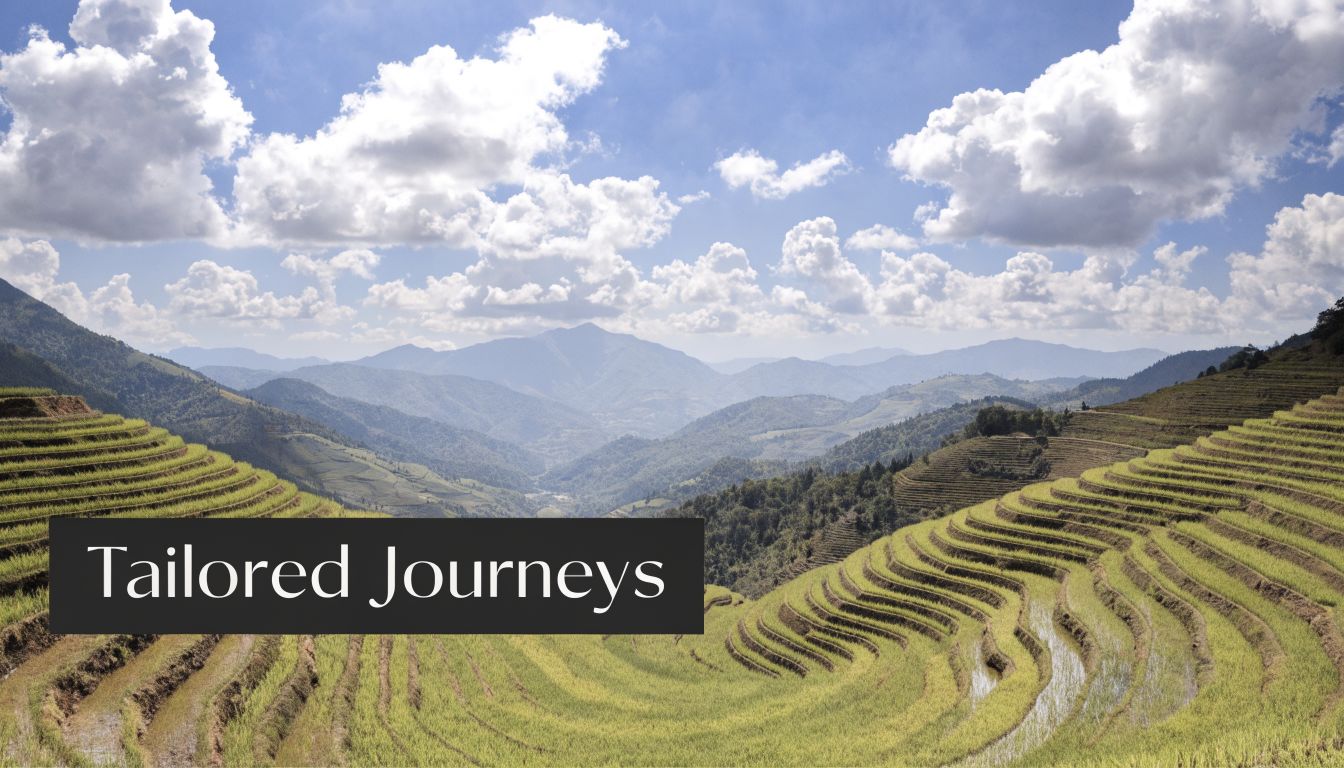
The 3 day executive escape
This is the version I recommend for travelers who are short on time but still want Sapa to feel special, not rushed.
You leave Hanoi by private car in the morning. That’s the most efficient choice when every hour matters. Instead of adding transition fatigue with unnecessary handoffs, you travel directly, comfortably, and arrive ready to enjoy the destination rather than recover from getting there.
By late afternoon, you’re settled into a refined property in or near Sapa town. The first evening should stay light. A proper dinner, mountain air, and an early night are smarter than forcing in too much sightseeing.
Day flow that actually works
On the second day, a private guide takes you into the valleys on a route shaped to your fitness level and interests. You’re not trying to “conquer” Sapa. You’re trying to experience it well. That usually means a half-day or moderate full-day private walk, village visits that don’t feel staged, and enough breathing room to absorb the scenery.
In the afternoon, the itinerary can shift toward comfort or spectacle. For many travelers, that means the Fansipan cable car experience. It gives you access to the mountain drama without committing the entire trip to an intense trek.
Go lighter on activities than you think you need. Sapa feels better when the itinerary has air in it.
The final morning is for one last scenic stop, a late breakfast, and a smooth return to Hanoi. This kind of trip works particularly well for couples adding Sapa onto a broader Vietnam itinerary, or for professionals who want maximum impact without a long time commitment.
The 5 day immersive luxury journey
This is the version I love for travelers who want Sapa to sink in.
Your trip starts in Hanoi with a polished transfer to the rail station and an overnight train experience that adds atmosphere instead of just moving you from one point to another. This isn’t the fastest route. It is often the most evocative one, and for the right traveler, that matters.
After arrival and onward transfer, you check into a secluded lodge outside the main town. The trip sets itself apart from mass-market planning. You wake to layered mountains, not traffic and souvenir shops.
A better rhythm for Sapa
One day is dedicated to a private terrace and village walk with a local guide who can provide context, not just directions. Another focuses on slower cultural immersion. That might include a hosted meal, time with artisans, or a cooking experience that feels personal rather than performative.
A third full day can split in one of two directions:
| Travel style | Best use of the day |
|---|---|
| Adventure-focused | A longer private trek with a scenic picnic and time in quieter valley areas |
| Restorative | A lodge day with shorter walks, spa time, and a late afternoon cultural visit |
That flexibility is exactly why bespoke planning matters in Sapa. The region can support an active trip, a romantic one, or a slow-travel itinerary. Forcing one formula onto every traveler is lazy.
Who this trip suits best
This longer format is ideal for:
- Honeymooners who want mountain romance with genuine cultural depth
- Families with older children who can enjoy guided walks and village experiences
- Well-traveled couples who are tired of superficial sightseeing
- Photographers and design-minded travelers who care about mood, scenery, and architecture
The difference between these two itineraries isn’t just duration. It’s tempo. The executive escape gives you a sharp, elegant taste of Sapa. The immersive journey lets the destination unfold gradually, which is where its magic lives.
Essential Logistics for a Seamless Sapa Journey
Sapa rewards travelers who plan the mechanics well. Get them wrong, and even a beautiful itinerary starts to feel awkward. The town is a long haul from Hanoi, the weather shifts quickly, and the difference between a polished trip and a tiring one usually comes down to transfers, pacing, and hotel positioning.
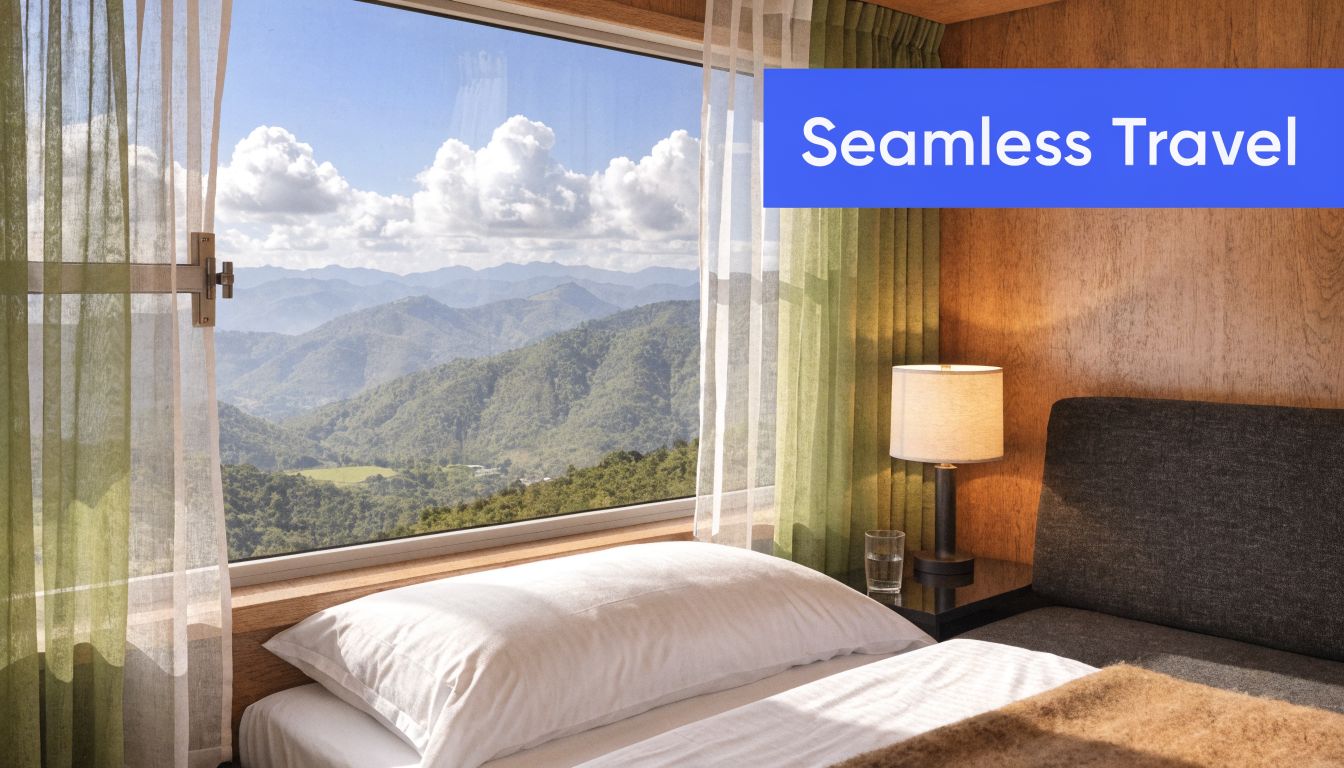
Private car or train
Start with transport, because it shapes the entire tone of the trip.
A private chauffeured car is my recommendation for travelers booking a short luxury stay. It gives you door-to-door ease, total control over departure times, and the option to stop for coffee, photos, or a proper lunch rather than settling for whatever appears along the route. For families, couples with multiple bags, or anyone pairing Sapa with premium hotels, this is usually the smarter choice.
A train journey works best for travelers who care about mood as much as efficiency. It can feel romantic and old-world in the right cabin, especially if you treat it as part of the experience rather than just transportation. But it requires tighter coordination on both ends, and poor sleep can blunt the first day of your trip.
Quick comparison
| Option | Best for | Watch out for |
|---|---|---|
| Private car | Short stays, families, efficiency-minded travelers | A long daytime drive |
| Train plus transfer | Romance, nostalgia, slower travel style | More coordination and less flexibility |
If you want Sapa to feel easy, pay for the transfer style that matches your energy, not just your budget.
Packing for comfort and polish
Online packing advice for Sapa is usually written for backpackers. That is not useful if your trip centers on a private guide, a refined lodge, and dinners that deserve more than trekking clothes.
Pack in layers. Mountain weather changes fast, and a cool morning can turn warm by midday before dropping again after sunset. Bring one set of proper walking shoes for uneven ground, but do not overpack expedition gear unless your itinerary specifically calls for it.
I also recommend adding a smarter evening look. High-end properties in Sapa are still relaxed, but the right knit, dress trousers, or polished dress makes dinner feel intentional rather than improvised.
A well-planned bag should include:
- Layered clothing for shifting temperatures
- One polished dinner outfit for lodge evenings
- Supportive walking shoes for terraces, village paths, or muddy stretches
- A compact day bag with water, sunscreen, and a rain layer
The goal is simple. You should feel prepared for the mountains without looking like you are crossing them on foot for a week.
Fitness and route planning
Be honest about how you like to travel.
Sapa can be gentle and restorative, or surprisingly demanding. Some village walks are scenic and manageable. Others involve slippery paths, steep descents, and terrain that feels harder than the itinerary description suggests. The fix is not to avoid walking. The fix is to choose routes that suit your stamina, balance, and appetite for effort.
Good luxury planning proves its value. A strong private guide adjusts the day in real time, shortens a route if conditions turn poor, and builds in scenic pauses instead of treating every outing like a mileage test.
If Sapa is one stop on a longer Asia journey, sort out your air schedule with the same care. These tips for booking international flights for multi-stop trips are worth reviewing before you lock in the broader itinerary.
When to Visit Sapa for the Best Experience
Arrive in Sapa on the right week and you get crisp mountain views, polished lodge mornings, and terrace walks that feel private. Arrive at the wrong time for your style of trip and even a beautiful itinerary can feel compromised. Timing matters more here than many travelers expect.
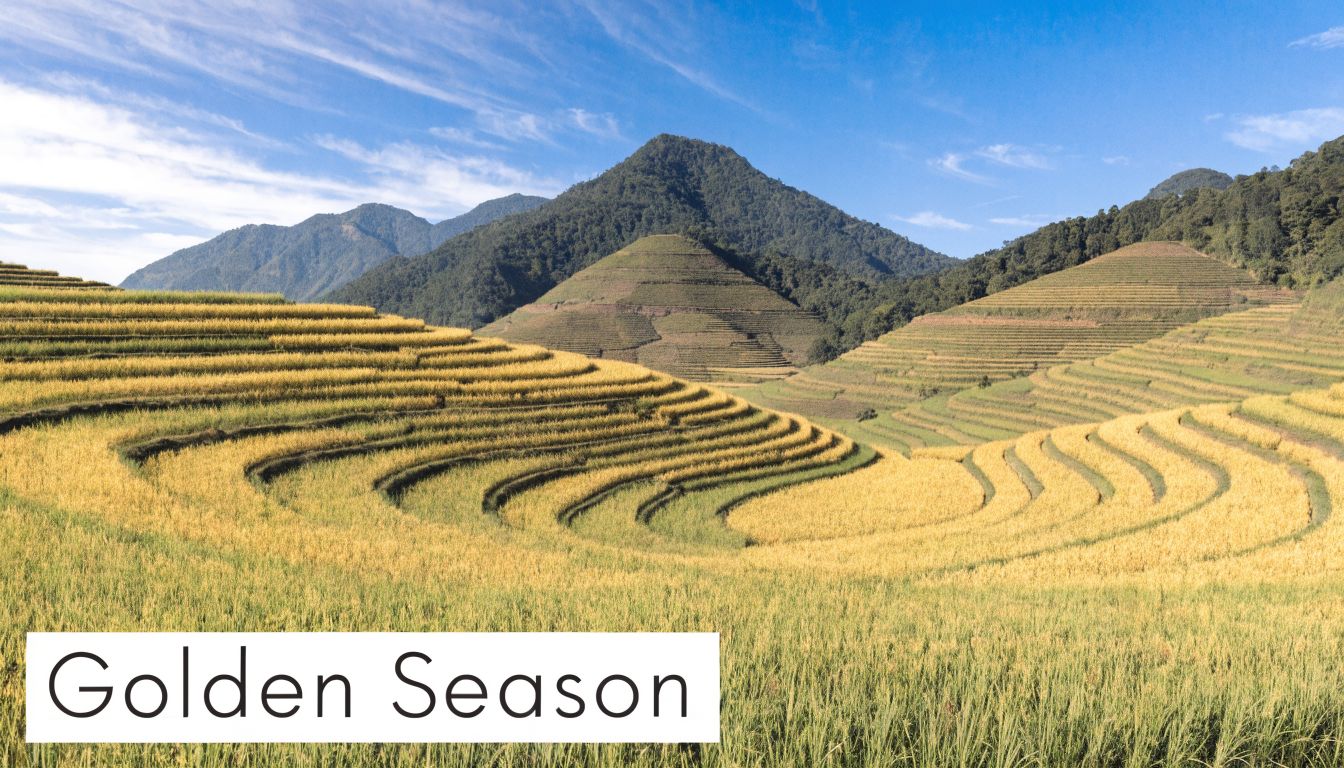
For the classic luxury Sapa experience
Book late September through mid-December if you want the strongest first impression of Sapa.
This is the window I recommend for clients who care about clear views, dry walking conditions, and those cinematic terrace panoramas that justify the journey north. It also works best for private guiding, outdoor lunches, and unhurried scenic drives because the weather is usually cooperative enough to keep the day intact.
For a first visit, choose this season and keep the itinerary elegant. Two or three nights at a refined lodge, one private village walk, one scenic cultural day, and plenty of time to enjoy the property.
For privacy, mood, and romance
Choose mid-December through February if your priority is atmosphere rather than visibility.
Winter in Sapa can be cold, misty, and distinctly appealing. The mountains disappear and reappear. Fireplaces, spa time, and slow breakfasts suddenly become part of the experience rather than filler between excursions. I particularly like this period for couples who want a quieter, more intimate stay and do not need every photo to be bright and blue-skied.
This is Sapa at its most seductive.
When to be more selective
Spring and summer can be lush and dramatic, but they demand flexibility. Rain, fog, and slippery paths can change the shape of a day quickly, which is fine if your hotel is excellent and your guide can adjust plans well. It is less appealing if you are expecting a tightly scheduled sightseeing program with no room for weather shifts.
If you dislike uncertainty, avoid the wetter months. If you appreciate green hillsides, fewer polished expectations, and the chance to experience Sapa at a slower rhythm, they can still work beautifully.
For travelers building a longer route through the region, this is also the moment to place Sapa carefully within a broader Vietnam and Cambodia itinerary. Put your mountain stay where the season supports the kind of trip you want, not where it happens to fit on a calendar.
Navigating Sapa with Cultural Respect and Awareness
A high-end Sapa trip should feel private, polished, and integrated with its location. It should never feel extractive.
Sapa is home to several ethnic minority communities, and your experience improves dramatically when your itinerary respects that fact from the start. The right guide does far more than translate. A good one sets context before you arrive, explains what is appropriate in a family or village setting, and helps you avoid the awkward, transactional encounters that cheap group tours often create.
What respect looks like in practice
Start with restraint. Do not treat daily life as a photo set.
Ask before taking close-up photos, especially of elders, children, or anyone working. If someone declines, move on immediately. Dress neatly and modestly when visiting villages or private homes. Buy crafts because you value the workmanship, not because you feel pressured in the moment.
In these settings, luxury travel should prove its worth. A well-designed Sapa journey gives you access with context, space, and proper introductions. You are not being rushed through a staged stop. You are arriving in a way that feels calm, courteous, and welcome. For travelers who plan around food and place, my guide to Mendoza wine travel offers another way to explore that connection.
A few standards matter:
- Ask permission first before photographing people
- Follow your guide’s cues during home visits and local conversations
- Buy directly and thoughtfully from artisans when possible
- Keep your tone respectful and curious, not overly familiar
- Avoid handing out money or gifts casually, especially to children
Why the right local partnerships matter
I strongly recommend choosing operators and guides who already have trusted relationships in the communities they visit. That usually leads to better pacing, better conversations, and a more respectful exchange for everyone involved. It also reduces the common problem of visitors arriving with little context and treating cultural difference as entertainment.
Some of Sapa’s better tourism models have shown that community participation can support local decision-making and improve how tourism revenue is shared, as discussed in this research on tourism in Sapa. That is exactly why I care so much about who designs the itinerary, who leads the day, and which properties and hosts are included.
For travelers who care about nuance in language as much as nuance in travel, I recommend you explore ChatPal's deep meaning words. It is a smart companion read before a destination where tone, symbolism, and small expressions of respect matter.
A smart note on awareness
Use professional guides and vetted drivers. Stay alert in busy market areas. Check official travel advisories before departure and follow local guidance once you are on the ground.
That is not caution for its own sake. It is how experienced travelers protect the quality of the trip.
Booking Your Sapa Tour The Effortless Way
There are two ways to approach tours to Sapa Vietnam.
The first is the DIY route. The second is the smart route.
The DIY route is usually a time sink
If you book Sapa on your own, you’ll spend hours comparing operators that look nearly identical online. You’ll sort through unclear room categories, vague route descriptions, uncertain transfer quality, and a lot of language that sounds better than it is.
That’s manageable if you love travel research and don’t mind fixing mistakes. Most busy professionals don’t.
The other problem is consistency. In Sapa, the difference between a lovely mountain stay and a disappointing one often comes down to details you won’t spot from a generic listing. How private is the guide, really? Is the room quiet? Does the itinerary account for road timing, weather shifts, and how much walking you want to do?
Common DIY mistakes
- Booking too short a stay and spending most of the trip in transit
- Choosing based on price first and ending up with underwhelming lodging
- Assuming “private” means fully customized when it often doesn’t
- Overloading the itinerary so the trip feels rushed and thin
- Ignoring seasonality and then being surprised by crowd levels or visibility
Expert planning is the luxury
For a destination like Sapa, planning isn’t a side detail. It is the experience.
Good advisory planning saves time, and beyond that, it protects the feel of the trip. The right advisor curates the lodge, shapes the pace, vets the guide, sequences the transfers, and balances comfort with cultural depth. That’s what turns Sapa from a complicated mountain add-on into one of the most memorable parts of a Vietnam itinerary.
Luxury in Sapa is less about excess and more about precision.
That precision matters for milestone travel especially. Honeymoons, anniversaries, and family trips don’t need “good enough.” They need to work.
What a polished booking process should solve
A strong planning process should handle:
| Planning issue | What should happen instead |
|---|---|
| Too many similar tour choices | A narrowed, vetted set of options that fit your style |
| Confusing transport decisions | Clear advice based on your timeline and comfort priorities |
| Unclear activity levels | Routes tailored to your real fitness and interest level |
| Generic hotel picks | Lodging selected for location, privacy, and service quality |
| Loose logistics | Seamless coordination before departure and trusted on-ground support |
That’s the difference. You can absolutely get to Sapa on your own. The question is whether you want to spend your time managing moving parts or enjoying a trip that feels composed from the start.
Frequently Asked Questions About Sapa Tours
Is Sapa worth it for luxury travelers
Yes, if you approach it correctly. Sapa rewards travelers who prioritize privacy, strong guiding, and a lodge that feels removed from the day-trip crowds. Build it around comfort and smart pacing, and it becomes one of Vietnam’s most compelling mountain escapes.
Do I really need hiking boots if I’m staying in a high-end lodge
Only if your itinerary calls for them.
For valley walks, wet paths, or longer trekking days, wear proper hiking shoes or boots with grip and support. For scenic drives, short guided walks, and long afternoons at the lodge, a solid walking shoe is enough. Pack for the route you booked, not for the room category.
Is Sapa good for families
Yes, especially for families with older children who can appreciate the scenery, village visits, and moderate activity. Keep the schedule lighter, choose private transfers, and give everyone time to settle into the altitude and cooler weather.
Sapa works best for families when the trip feels paced, not packed.
What does a private Sapa tour actually mean
Private should mean your own guide, your own transfers, and a schedule shaped around your interests and energy level. It should also give you flexibility to adjust timing, walking distance, and the balance between cultural visits and downtime.
If everyone is following the same fixed itinerary, you are looking at a standard tour sold with better wording.
Can Sapa work for honeymooners
Very well.
Sapa suits couples who want romance with atmosphere instead of a predictable beach stay. The right trip includes mountain views at sunrise, quiet lodge terraces, intimate meals, and enough privacy to make the whole stay feel restorative.
Can dietary restrictions be accommodated
Usually, yes, if you communicate them early and clearly. Good planning should account for allergies, meal preferences, and dining standards before you arrive, especially in a destination where options can narrow quickly once you are in the mountains.
If you want a Sapa journey that feels polished, private, and worth the long flight, work with an advisor who plans around your standards instead of dropping you into a generic package. Plan my luxury trip with Explore Effortlessly. Karrah works with clients nationwide through virtual consultations.
Hi, I’m Karrah, owner, founder, and lead travel advisor at Explore Effortlessly, a luxury award winning travel agency based in Miami.
I specialize in designing custom, high-touch itineraries to bucket-list destinations around the world. Every trip is planned with intention, insight, and smooth logistics from start to finish.
From luxury cruises and private villas to honeymoons, safaris, and once-in-a-lifetime journeys, my role is to simplify the planning process while improving every detail.
If you enjoy practical luxury travel guidance like this, join the Explore Effortlessly newsletter.