You’re probably doing what most smart travelers do at the start of Mediterranean cruise planning. You open a few tabs, see Barcelona, Rome, Santorini, Dubrovnik, Monte Carlo, Mykonos, and then realize every itinerary starts to blur together.
The problem isn’t that there aren’t enough options. It’s that there are too many versions of “best mediterranean cruise itineraries,” and most of them are organized by cruise line instead of by the experience you want. That’s backwards. The right itinerary should lead the decision, then the ship, then the suite, then the shore days.
The Mediterranean remains the world’s most popular cruise region, with about 12 million passengers sailing Mediterranean itineraries in 2023, according to CLIA figures summarized by iCruise. That popularity is exactly why planning well matters. The best trip isn’t the one with the longest port list. It’s the one that matches your pace, interests, and tolerance for crowds.
As a luxury travel advisor and CLIA Accredited Cruise Counselor, I design these trips around how clients want to feel on board and ashore. Some want marquee icons and celebratory dinners. Some want hidden Adriatic harbors and smaller ships. Some want a long, elegant sailing that lets them unpack once and settle in. That’s the lens I’m using here. If you would rather trade frequent port calls for Pacific sea days, compare round-trip Hawaii cruises from Los Angeles.
If you care as much about what’s on the plate as what’s in the port, the food side of this region is part of the magic, from long lunches in coastal Italy to the principles behind the olive oil Mediterranean diet.
Key takeaways
- Itinerary comes first: Choose the route that fits your travel style before you choose the brand.
- Shoulder season wins: May, June, September, and October usually deliver the best mix of weather and livability.
- Ship size changes the trip: Small ships and yacht-style vessels often create a more polished Mediterranean experience.
- Pre and post nights matter: Rome, Athens, Barcelona, and Istanbul deserve proper time on land.
- Advisor planning saves friction: The right suite, transfers, shore strategy, and timing make the difference between a trip that feels smooth and one that feels crowded.
1. The Classic Icons of Italy Greece and the Adriatic
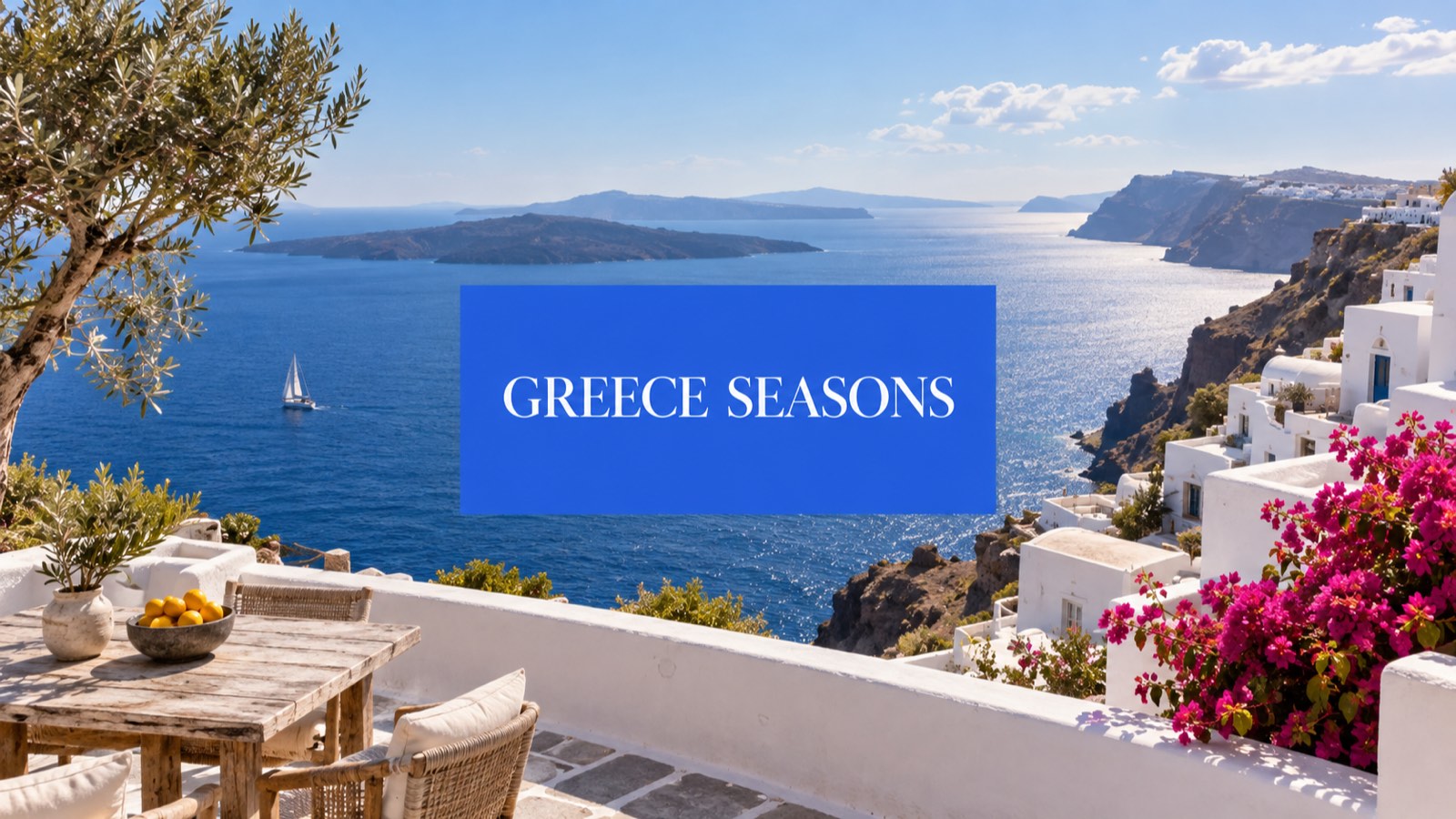
You wake up in Rome, spend two proper days eating well and seeing the city before the crowds wear you down, then board a ship in Civitavecchia and settle in for the Mediterranean itinerary people ask for again and again. Sicily adds texture. Corfu softens the pace. Kotor and Dubrovnik deliver the Adriatic drama. Santorini gives you the postcard finish before Athens closes the trip. For many travelers, this is the right first archetype because it covers the icons without turning the vacation into a relay race.
I recommend this route for clients who want the Mediterranean they have pictured for years. Not every famous port belongs on a first sailing. These do.
Why this archetype keeps delivering
The strength of this itinerary is balance. You get headline cities, island scenery, and enough variation in tone that the trip never feels repetitive. Rome and Athens bring weight and history. Southern Italy and Sicily add food, color, and a less polished rhythm. The Adriatic ports give you some of the best sail-ins in Europe.
It also works well logistically. A one-way route from Rome to Athens or the reverse cuts down on backtracking, and the ports are close enough together that you get a satisfying amount of time ashore without stacking too many idle sea days. If you already know you want more focus on that side of the region, my guide to Mediterranean cruises through Croatia and Greece is the next place to look.
The mistake is booking this archetype on the wrong ship.
Best fit for this style
Choose a line that treats ports as the main event. Oceania Cruises does this very well. The food is reliably strong, the itineraries are smart, and the onboard atmosphere suits travelers who want a grown-up trip without unnecessary formality. Viking Ocean is another excellent match if you want an adults-only environment, long dinners, and a quieter onboard mood.
Ship size matters more here than glossy brochures suggest. Mid-size and small luxury ships handle these ports better and usually attract travelers who plan to go ashore. On a mega-ship, Santorini can feel like crowd management. On a more intimate vessel, it feels closer to the version you hoped you were booking.
For staterooms, start with a veranda. Kotor, Dubrovnik, and the approach to Santorini deserve private outdoor space. If this is a honeymoon, anniversary, or once-in-a-decade trip, book the higher suite category if the budget allows. Better space and easier dining reservations change the feel of the week in a very real way.
This archetype is ideal for:
- First-time Mediterranean cruisers: You get the ports people regret missing.
- Honeymooners and anniversary travelers: The route mixes romance, scenery, and enough substance to keep it from feeling superficial.
- History-minded travelers: Rome, Athens, Sicily, and the Adriatic reward curiosity.
I see the same planning pattern all the time. A couple starts by saying they want Greece, then admits they also want Rome and at least one beautiful Adriatic stop. This is the answer. It gives them the classic Mediterranean experience in one clean itinerary, with far less friction than stitching together ferries, flights, and hotel changes on land.
2. The Riviera Glamour of Spain France and Italy
If your idea of the Mediterranean includes chic harbors, art, wine, and dinners that start late and end even later, book the Western Med Riviera run. Barcelona, southern France, Monte Carlo, Tuscany, and Liguria create a very different mood from the Greek Isles. This trip is polished, social, and wonderfully indulgent.
A compact version runs Barcelona to Rome. It’s one of the easiest luxury cruise frameworks to recommend because the ports are well known, the logistics are strong, and the experience ashore feels naturally elegant.
Why the Western Med keeps winning
Western Mediterranean itineraries hold a 55 to 60 percent share of Mediterranean cruise bookings globally, according to World of Cruising’s review of the best Mediterranean routes. That doesn’t surprise me. These sailings are easy to access, highly repeatable, and especially good for travelers who want a lot of culture without too many sea days.
They also tend to deliver long, useful port calls. That matters. A short stop in Livorno is enough for a rushed transfer. A fuller day gives you room for a private winery lunch, a proper Florence visit, or a less frantic day in the Tuscan countryside.
Some clients think the Western Med is “too obvious.” In reality, it’s only obvious when it’s badly planned.
The right traveler and the right ship
This archetype fits food and wine travelers, art lovers, and couples who care about atmosphere. It’s also excellent for travelers who want to pair a cruise with stylish hotel time in Barcelona or Rome before or after sailing.
I like Seabourn for this route because the ship style suits the ports. The experience feels refined without becoming formal theater. Explora Journeys is another smart fit if you want contemporary design, a suite-driven experience, and a more residential onboard feel.
If you’re also considering a more island-and-Adriatic-heavy route after this style of cruise, take a look at these cruises to Croatia and Greece. It’s often the natural next step for travelers who’ve already done the Riviera once.
What I’d prioritize on this itinerary:
- Barcelona embarkation: Arrive early enough to enjoy the city properly.
- French Riviera ports: Focus on one polished experience, not a frantic checklist.
- Livorno or La Spezia calls: Choose Florence, Pisa, Portofino, or wine country. Don’t try to force all of them into one day.
For the traveler who says, “I want Europe, but I want it to feel glamorous,” this is usually the answer.
3. The Adriatic Explorer in Croatia Montenegro and beyond
I send clients who’ve already done Rome, Florence, and Santorini, or who know from the start that they’d rather trade headline ports for depth and scenery to the Adriatic. The Adriatic has some of the most memorable sail-ins in Europe, and the right cruise here feels more textured, less performative.
Think Venice or another northern Adriatic embarkation, then a run through Croatia and Montenegro, possibly with a stop in Slovenia or onward into Greece. The appeal is simple. Walled cities, mountain-backed bays, clear water, and a sense that you’re still seeing places with distinct local personality.
Why this route feels different
The Bay of Kotor arrival alone is reason enough to book this region. Dubrovnik looks spectacular from the water. Split is layered and alive. Smaller calls often feel less commercial than the busiest marquee ports elsewhere in the Mediterranean.
There’s also real momentum behind luxury-focused Adriatic planning. Verified market research provided for this article notes that luxury Mediterranean sailings grew from 2024 to 2025 and that hidden Adriatic routes appeal to travelers who want a more private, less overtouristed feel. I see that in client demand all the time. People still want beauty and history, but they want breathing room too.
Best way to do it
This is small-ship territory. Silversea is an excellent fit because the size, service model, and itinerary style work beautifully on this coastline. Seabourn also performs well here. Large ships can still visit parts of the region, but the overall experience is less elegant and more logistically exposed.
If you’re comparing operators, my guide to the best small ship cruise lines ultimate guide is a useful next read, especially if you know you care more about access and atmosphere than waterslides and giant-ship entertainment.
The Adriatic is where a small ship stops feeling like a luxury upgrade and starts feeling like the only sensible choice.
Who should book this archetype:
- Second-time Mediterranean cruisers: You’ve done the icons and want a smarter sequel.
- Active travelers: City walls, fortresses, kayaking, and hilltop viewpoints are part of the appeal.
- Photographers: The light, stone, and water here are exceptionally rewarding.
One of my favorite pairings is an Adriatic sailing followed by a few nights in Athens. You get the intimacy of the coastline, then a strong historical finish on land. It feels balanced, not repetitive.
4. The Greek Isles and Turkey deep dive
You wake up off Santorini, spend the afternoon walking through Ephesus, and finish the trip under Istanbul’s domes and minarets. That is a very different experience from a generic Mediterranean sampler. It has a tighter identity, stronger historical payoff, and a rhythm that feels purposeful from start to finish.
This archetype is for travelers who want the Aegean to be the main event. Book it for layered days, not just pretty arrivals. The best versions combine the obvious headliners, usually Santorini and Mykonos, with smarter calls such as Patmos, Rhodes, Bodrum, and Kusadasi. That mix gives you beauty, antiquity, and a genuine sense of regional continuity.
Why this archetype works so well
Few Mediterranean routes balance scenery and substance as well as Greece and Turkey. You can move from a Cycladic harbor to a Byzantine-era old town to one of the region’s great archaeological sites without feeling like the itinerary is trying too hard. The geography does the work for you.
That is the advantage here. You get island time, but you also get intellectual heft.
I especially like sailings that start in Athens and end in Istanbul, or run in reverse. The route feels complete. Athens gives you the classical prologue. Istanbul gives you a dramatic finish with scale, texture, and enough gravitas to make the trip land properly.
Best fit cruise lines and ships
This archetype rewards smart ship selection more than flashy branding.
Regent Seven Seas Cruises is an excellent choice for travelers who want high inclusions, strong service, and a planning process that stays easy from booking to disembarkation. If you want one invoice, fewer add-on decisions, and a polished onboard feel, Regent Seven Seas Cruises is the cleanest fit.
Silversea is often the better pick if ship size and atmosphere matter more to you than broad inclusions. The smaller scale suits Aegean sailing well, especially on itineraries with less predictable port days and a more intimate overall tone.
I would not choose this route based only on whether it includes Santorini. I would choose it based on whether the full port lineup builds a real Aegean story.
My planning advice
Port order matters. A lot.
Santorini and Mykonos can feel glamorous or badly overcrowded depending on the day, the time in port, and how many large ships arrive with you. I would take a better-timed call in Rhodes over a poorly timed Santorini stop every single time. The strongest itineraries protect the experience, not just the brochure.
Focus on these details:
- Athens before the cruise: Give the city at least two nights. The Acropolis deserves daylight and your full attention.
- Ephesus timing: Go early and go with a guide who can move efficiently. Heat and crowding change this stop fast.
- Istanbul after the cruise: Stay a few nights. Flying home the same day wastes one of the most rewarding finishes in the Mediterranean.
- Island mix: One marquee island plus two or three more textured ports usually works better than a lineup built entirely around famous names.
The right Greek Isles and Turkey itinerary feels sunlit, cerebral, and deeply rooted in place.
For archaeology lovers, history-focused travelers, and anyone who wants a cruise archetype with more depth than a beach-and-boutique reel, this remains one of the best mediterranean cruise itineraries you can book.
5. The ultimate Grand Mediterranean voyage
If you have the time, stop looking at one-week cruises and start thinking bigger. The Grand Mediterranean sailing is the version of this trip that feels like a season of life, not just a vacation.
These voyages often connect Iberia, the Western Med, Italy, the Adriatic, and Greece in one continuous rhythm. You unpack once. You learn the ship. You settle into your suite. You stop racing.
Why longer is often better in the Mediterranean
The region is ideal for extended cruising because the geography supports variety without requiring punishing stretches at sea. You can move from Spain to France to Italy to Croatia to Greece and still feel a coherent progression. That’s rare.
Longer-format Mediterranean cruising also has real historical roots. Holland America notes that extended Grand Voyages of 20-plus days were introduced in the late 1980s and helped shape today’s premium longer itineraries, as described in its Mediterranean itinerary history overview. That lineage still shows. The best long sailings feel considered, not stitched together.
Who should book this
This is the right choice for retirees, sabbatical travelers, milestone celebrants, and clients who know they prefer immersion over speed. It’s also wonderful for people who dislike packing and repacking every few days.
I lean toward Silversea for true Grand Voyages because the service style supports a longer stay beautifully. Seabourn also works well when combining shorter segments into one larger custom cruise.
A few advisor rules for longer sailings:
- Book more suite space than you think you need: On a longer cruise, space becomes part of your daily comfort.
- Choose a ship you’ll enjoy on sea days: The itinerary matters, but so does your life on board.
- Build in overland moments selectively: A private Tuscany overnight or a custom inland detour can enrich the voyage if it’s done strategically.
I also think the Grand Mediterranean works especially well for clients who want to celebrate something significant but don’t want the trip to feel overproduced. The ship becomes home base, the ports become chapters, and the whole journey has time to breathe.
6. The off-season winter escape
You step off the ship in Barcelona in December, order coffee without a queue, and spend the afternoon in a museum instead of inching through cruise crowds in the heat. That is the appeal of a winter Mediterranean sailing. Calm cities, better tables, and a version of Southern Europe that feels lived in rather than staged for summer visitors.
This itinerary archetype suits travelers who want the Mediterranean as a cultural trip, not a beach holiday. The best winter routes focus on urban ports such as Barcelona, Rome, Marseille, Lisbon, Athens, and occasionally Istanbul. You book this style for holiday markets, opera, old-world hotels for a pre or post-cruise stay, and long lunches that matter more than pool time.
Why this archetype works
Winter strips away the usual Mediterranean fantasy and replaces it with something I often find more rewarding. You see how these places function outside peak season. Restaurants are easier to book. Major sights feel more humane. Even simple pleasures, a walk in the Gothic Quarter, an evening passeggiata in Rome, a seafood lunch in Marseille, become more enjoyable when the city is not overloaded.
It also solves a practical problem. Travelers who want a multi-country Europe trip in colder months often end up wrestling with trains, short flights, and hotel changes. A winter cruise gives them one room, polished service, and a far easier rhythm.
The right version of winter Mediterranean cruising
Treat this as an experience-first choice. The strongest winter archetype is the Cultural Capitals Escape. Fewer islands, more major cities, and enough time on board to enjoy the ship between museum-heavy days ashore.
Explora Journeys is an excellent match because the hardware is right for the season. Big suites, strong dining, and beautiful indoor spaces matter much more in January than an oversized top deck. Viking Ocean also fits well for clients who want a quieter ship with an adult atmosphere and destination-focused programming.
If this sounds like your style, my guide to choosing the right European luxury cruise will help you sort out which onboard experience fits your travel habits.
Who should book this
I recommend this archetype to repeat Mediterranean travelers, festive-season travelers, and couples who want Europe with less friction. It also works very well for clients who care more about art, food, architecture, and atmosphere than they do about sun and swim stops.
Book it for the mood. Warm interiors, candlelit dinners ashore, Christmas concerts, excellent shopping, and cities that feel more local than performative. Winter Mediterranean sailings are their own category, and the best ones are chosen that way.
Top 6 Mediterranean Cruise Itineraries Comparison
| Itinerary | Complexity (process) | Resources & Cost (requirements) | Expected Outcomes (results) | Ideal Use Cases | Key Advantages |
|---|---|---|---|---|---|
| The Classic Icons: Italy, Greece & The Adriatic | Moderate , port‑intensive with mixed sea days | Moderate‑high , mid‑size ship; veranda recommended; $4.5k–$8k+ | High cultural & scenic payoff , iconic landmarks + leisurely discovery | First‑time Med cruisers, honeymooners, history lovers | Broad highlights, balanced pace, versatile shore excursions |
| The Riviera Glamour: Spain, France & Italy's Coast | Low‑Moderate , leisurely ports, late stays ashore | High , luxury/yacht‑style ships; boutique experiences; $6k–$11k+ | High lifestyle & culinary impact , dining, shopping, glamour | Food & wine enthusiasts, romantics, art lovers | Glamorous ports, extended evenings, high‑end service |
| The Adriatic Explorer: Croatia, Montenegro & Beyond | Moderate‑High , smaller harbors, active shore ops | High , small ship logistics; active excursions; $7k–$12k+ | Deep immersion & photographic value , remote sites, varied landscapes | Active travelers, repeat cruisers, photographers | Less crowded ports, authentic local experiences, outdoor options |
| The Greek Isles & Turkey Deep Dive | Moderate , island hopping with overnights; wind considerations | High , all‑inclusive luxury options; optional private charters; $8k–$15k+ | Strong archaeological & beach experiences , diverse islands, sunsets | Island lovers, archaeology/mythology fans, beachgoers | Extensive island variety, late stays, included excursions on some lines |
| The Ultimate Grand Mediterranean Voyage | High , long, multi‑region logistics and combo itineraries | Very High , extended duration, suite space preferred; $20k+ | Comprehensive, slow‑travel immersion , deep regional coverage | Retirees, sabbatical‑takers, long‑stay luxury travelers | Deep immersion, seamless long‑haul logistics, bespoke add‑ons |
| The Off‑Season Winter Escape | Low‑Moderate , cooler weather planning; indoor focus | Moderate , seasonal itineraries; often lower fares $4k–$7k | Authentic, uncrowded cultural experiences , museums, markets, local life | Culture vultures, budget‑conscious luxury seekers, seasoned travelers | Fewer crowds, lower prices, festive/seasonal events |
Your Effortless Mediterranean Journey Starts Here
The best mediterranean cruise itineraries aren’t “best” because a brochure says so. They’re best when the route, ship, pacing, and shore experience line up with the kind of traveler you are. That’s the difference between a cruise that looks impressive on paper and one that feels right while you’re living it.
If you want the marquee version of the Mediterranean, the Classic Icons route is hard to beat. If your priorities are wine, style, and long lunches near the water, the Riviera itinerary usually wins. If you’ve already done the obvious ports, the Adriatic gives you a more layered, more elegant follow-up. And if Greece has been living in your head for years, don’t water it down with too many detours. Book a true island-and-antiquity sailing and let that be the point.
For travelers with more time, the Grand Mediterranean voyage is the most rewarding way to cruise this region. You get continuity, depth, and the luxury of settling into the journey. For travelers who value culture and calm over heat and crowds, winter Mediterranean sailings are one of the most underrated choices in luxury cruising right now.
Where people get stuck is usually not in choosing a destination. It’s in narrowing the field. They’re comparing ships that serve different traveler types, looking at itineraries with wildly different port timing, and trying to judge suite value without context. That’s where I come in.
When I plan a Mediterranean cruise for a client, I’m not just picking a line and sending over a link. I’m matching the itinerary to your goals, helping you avoid common planning mistakes, selecting the right suite category, and shaping the trip around the land experience too. That includes pre-cruise hotels, post-cruise stays, private transfers, and shore days that don’t waste your time.
When we plan your cruise together, you receive:
- Personalized itinerary design: I match the route to your interests, travel pace, and celebration style.
- Expert ship and suite selection: I help you choose the right vessel and cabin category, not just the one with the loudest marketing.
- Preferred partner benefits: Depending on the sailing, I can often add valuable amenities and VIP touches through established relationships.
- Effortless logistics: I coordinate the moving parts around the cruise so the trip feels polished from start to finish.
- Nationwide service: I work with clients nationwide through virtual consultations.
I’m Karrah, owner and lead travel advisor at Explore Effortlessly, a luxury award-winning travel agency based in Miami. I specialize in bespoke, high-touch travel planning for busy professionals, couples, families, and milestone travelers who want the details handled properly. I’m also a Circle of Excellence Advisor in the top 5 percent at Nexion Travel Group and a CLIA Accredited Cruise Counselor.
If you’re done scrolling and ready to turn a dozen open tabs into one well-designed trip, that’s exactly what I do.
Author Bio
Hi, I’m Karrah, owner, founder, and lead travel advisor at Explore Effortlessly, a luxury award-winning travel agency based in Miami.
I specialize in designing bespoke, high-touch itineraries to bucket-list destinations around the world. Every trip is curated with intention, insight, and perfectly executed logistics from start to finish. I am a Circle of Excellence Advisor, placing me in the top 5 percent at Nexion Travel Group, and a CLIA Accredited Cruise Counselor.
From luxury cruises and private villas to honeymoons, safaris, and once-in-a-lifetime journeys, my role is to simplify the planning process while elevating every detail.
Frequently Asked Questions about Mediterranean Cruises
1. What is the best month to cruise the Mediterranean?
May, June, September, and October are my favorite months for most clients. You usually get strong weather, good sightseeing conditions, and a more comfortable onshore experience than in peak summer.
2. How long is a typical Mediterranean cruise?
Most clients do best with a sailing in the one- to nearly two-week range. That’s long enough to feel immersed, but still realistic for busy schedules. Longer voyages are ideal if you want a fuller regional sweep and less rushed pacing.
3. Are Eastern or Western Mediterranean cruises better?
They’re different, not better or worse. Western routes lean into Spain, France, and Italy with a glamorous, food-and-art-heavy feel. Eastern routes focus more on Greece, the Adriatic, and Turkey, with stronger island scenery and ancient history.
4. Is it worth getting a balcony on a Mediterranean cruise?
Yes. In this region, a balcony is one of the upgrades I recommend most often. Scenic arrivals and departures are part of the experience, especially in places like Kotor and Santorini.
5. Can you help book shore excursions?
Yes. That’s a major part of how I plan cruises for clients. I can coordinate private or customized touring with vetted local partners, along with the pre- and post-cruise logistics that make the full trip feel smooth.
Join the Newsletter
For more luxury travel insights and inspiration, join my exclusive newsletter.
If you want a Mediterranean cruise that feels customized instead of templated, Explore Effortlessly can design and manage the entire experience for you, from the right itinerary and suite to hotels, transfers, and private shore planning.