
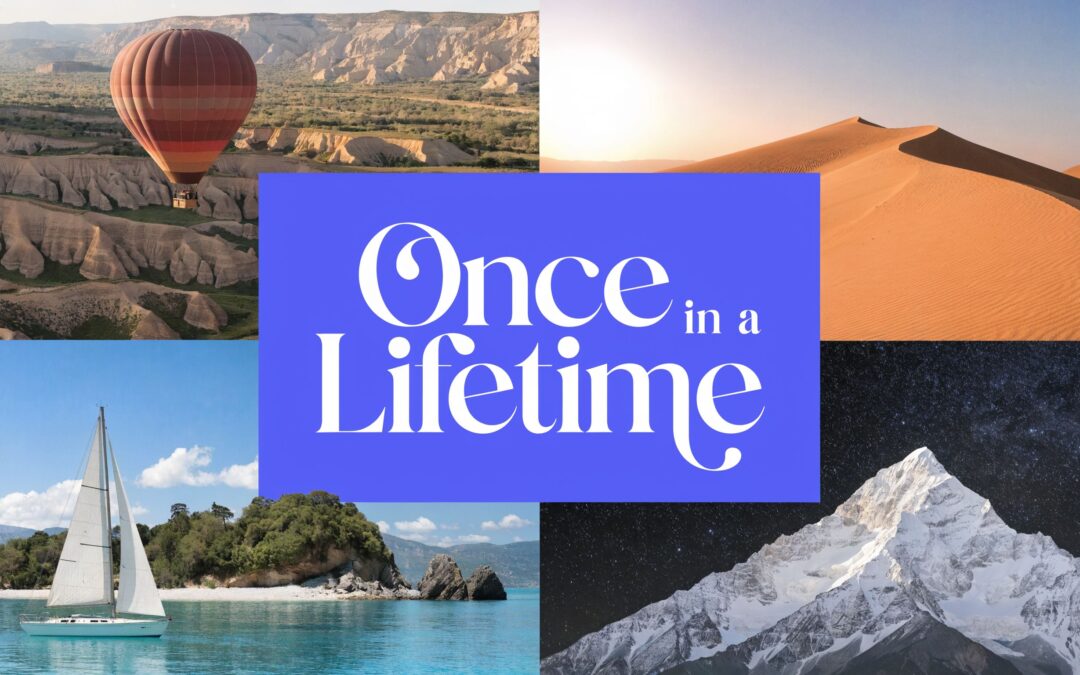
Some trips live in the “maybe one day” folder for years. You save the photo, send it to your partner, mention it over dinner, then get pulled back into work, school calendars, and the time commitment required for planning a significant trip. That’s usually the main obstacle with once in a lifetime travel experiences. It isn’t lack of interest. It’s figuring out how to turn a dream into a trip that fits your life.
That matters now because travelers are putting more weight on experiences than on just picking a nice hotel. A 2024 study found that over 60% of respondents ranked the variety and quality of local activities as a top factor in choosing a destination, and the experiential travel market is projected to reach $342 billion annually by 2029 according to Travel Weekly’s coverage of the projection. In plain terms, people want stories they’ll remember, not just pretty rooms.
The challenge is that the best bucket-list trips aren’t always the easiest to plan well. Antarctica has short seasons and ship differences that matter. Safari success depends on timing, lodge style, and the kind of guide you book. A destination wedding can be magical or chaotic depending on guest logistics. Even a city trip to Rome or Kyoto changes completely when you build in private access, pacing, and downtime.
A good list of once in a lifetime travel experiences should do more than inspire you. It should help you understand what the trip feels like, who it suits, what usually goes wrong, and what to think through before you commit.
That’s the point of this guide.
1. Antarctic Expedition Cruises
Antarctica sits at the top of many bucket lists for a reason. It feels remote in a way few places still do. You’re not going for shopping, beach time, or restaurant hopping. You’re going for silence, scale, ice, and wildlife.
This is one of the clearest examples of travelers chasing rare experiences. Among high-income travelers, 23% actively seek once-in-a-lifetime experiences, according to Travel Weekly’s report on experiential travel growth.
Why Antarctica feels different
An Antarctic expedition cruise is built around landings, zodiac outings, and weather windows. That means flexibility isn’t optional. One day you might be watching penguins from shore. The next, your captain adjusts course because ice conditions open a better route.
Examples people often consider include Explora Expeditions, Lindblad Expeditions-National Geographic, and Seabourn. The right fit depends on what you value most. Some travelers want a stronger expedition feel with lectures and naturalists. Others want that same sense of discovery with a more polished onboard style.
Practical rule: Choose the ship first, then the cabin. In Antarctica, route, landing capability, and expedition leadership matter more than decorative details.
Planning notes that matter
A few decisions shape the trip more than people expect:
- Crossing style: Some travelers want the full Drake Passage experience. Others prefer flight options that reduce time at sea.
- Season timing: Early season brings a certain kind of stark beauty. Mid-season is popular for wildlife activity. Late season can be excellent for whale sightings.
- Extension strategy: Antarctica pairs well with a longer South America trip, especially Patagonia or Buenos Aires.
Family travelers need even more planning depth. A lot of content skips that. The bigger questions are usually practical ones. How much ship motion can your group handle? Are early zodiac starts realistic with children? Do you want expedition intensity or more comfort between outings?
This trip works best for travelers who can embrace the rhythm of the destination instead of trying to control it.
2. African Safari with Private Guides and Exclusive Lodges

Safari is one of the most requested once in a lifetime travel experiences, and for good reason. Few trips combine this much excitement with this much comfort when planned well. You can wake before sunrise, track wildlife with an expert guide, return for lunch and a shower, then head back out for golden-hour game viewing.
For affluent travelers, the interest is strong. High-net-worth adventurers favor these trips, with 33% opting for adventure travel according to Travel Weekly’s reporting on experience-led travel demand.
What makes a safari feel exclusive
The biggest difference usually isn’t the thread count. It’s flexibility.
A private guide changes the shape of the day. You’re not following a vehicle schedule set for strangers. If your family wants to linger at a lion sighting, you can. If your partner loves birds and you care more about big game, a strong guide can balance both.
Lodges also vary more than first-time safari travelers expect. Some feel polished and contemporary. Others lean into classic canvas romance. Botswana, Kenya, Tanzania, Namibia, and South Africa all offer very different settings and rhythms.
If the Great Migration is your priority, this guide to Great Migration safari planning is a useful next step.
Common planning mistakes
Many travelers try to do too much too fast. Safari days start early. Transfers can be longer than they look on a map. Two excellent camps are better than four rushed ones.
A few smart rules help:
- Match season to goals: Great Migration viewing, green season scenery, and calving periods all create different experiences.
- Mix ecosystems: Pairing plains with water-based regions can make the trip feel fuller and less repetitive.
- Ask about family fit: Some camps suit honeymooners better than multigenerational groups.
Safari planning is rarely about finding “the best lodge.” It’s about building the right sequence of places, guides, and pacing.
The best itineraries leave room for surprise. That’s the point. You don’t go to Africa to control every moment. You go so the wild can interrupt your routine.
3. Destination Wedding or Vow Renewal in Exotic Locales
A destination wedding turns a single-day event into a travel experience with emotional weight. That’s what makes it memorable. It’s not just the ceremony. It’s the welcome dinner, the morning after brunch, the friends finally slowing down long enough to be present.
Americans average three once-in-a-lifetime vacations, with Hawaii, Rome, and Paris among the top picks, according to the Miami Herald’s travel roundup. Those same milestone destinations often work beautifully for weddings and vow renewals because they already carry meaning.
The trip and the event have to work together
A destination wedding only feels effortless when the travel side is handled as carefully as the ceremony side.
That means asking practical questions early. Is the destination easy enough for guests to reach? Will you need a buyout villa, a resort with event infrastructure, or something more intimate? Are you legally marrying there, or doing the paperwork at home and treating the trip as the celebration?
Some couples want a beach setting. Others want vineyard estates, safari camps, alpine lodges, or even storied castles in England. The backdrop matters, but guest flow matters more.
If you’re sorting through venue style, travel logistics, and how to host guests without turning the process into a second job, this guide on how to plan a destination wedding can help.
Where couples usually underestimate the work
Guest communication is the first pressure point. People need air options, transfer clarity, timing, dress guidance, and realistic expectations.
Then there’s the trip design itself. A great destination wedding doesn’t force everyone into constant group time. It creates a few anchor moments and lets guests enjoy the destination.
- Beach resorts: Best for ease and built-in amenities.
- Private villas: Better for intimacy and design control.
- Adventure settings: Ideal for smaller groups who want the trip to feel active and distinctive.
The most successful weddings abroad don’t feel like copy-and-paste events in prettier scenery. They feel rooted in place.
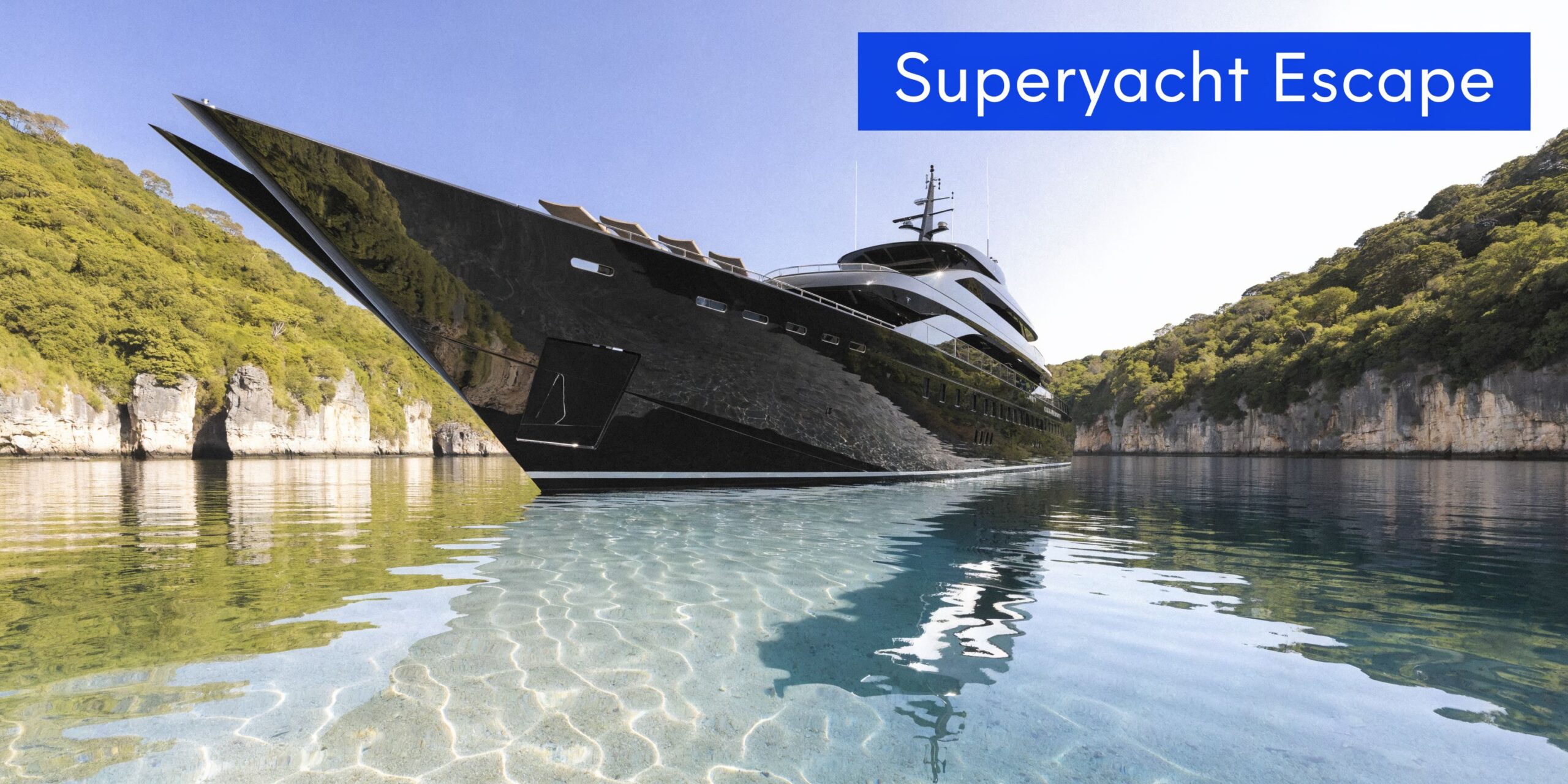
4. Private Yacht and Superyacht Charters in Exclusive Waters
A yacht charter is less like booking a hotel and more like designing your own moving villa. You choose the pace. You decide when the day starts. You can swim before breakfast, lunch in one bay, and sleep somewhere completely different that night.
That freedom is the whole appeal.
Who this suits best
This style of trip works especially well for families, milestone birthdays, friend groups, and travelers who don’t want to unpack repeatedly. It also suits people who care about privacy more than crowds.
Mediterranean charters have a very different mood from Caribbean ones. Greece can feel casual and island-hopping. The French Riviera is more scene-driven. Croatia works well for travelers who want historic towns mixed with calmer waters. In the Caribbean, the route often depends on whether you want shorter cruising days or more off-grid anchorages.
Examples often discussed in this space include Camper & Nicholsons, Burgess, and Northrop & Johnson for sourcing and matching the right vessel.
What first-time charter guests often miss
The itinerary shouldn’t be overstuffed. People see a map and assume more stops means a better trip. Usually it means more time moving and less time enjoying the boat.
You also need clarity on style. Some groups want beach clubs, busy marinas, and late dinners ashore. Others want paddleboards, quiet coves, and long lunches on deck.
Book the yacht around your travel personality, not just the photos. A beautiful boat won’t fix a route that doesn’t fit your group.
Useful planning questions include:
- Crew style: Formal and polished, or relaxed and family-friendly?
- Water toys: Important for active groups and teenagers.
- Tender access: Affects how easily you can reach shore and secluded beaches.
- Onboard dining: Some travelers want chef-led dinners every night. Others want flexibility to eat ashore often.
A great charter feels smooth because the details were handled before boarding. After that, the trip should feel easy.
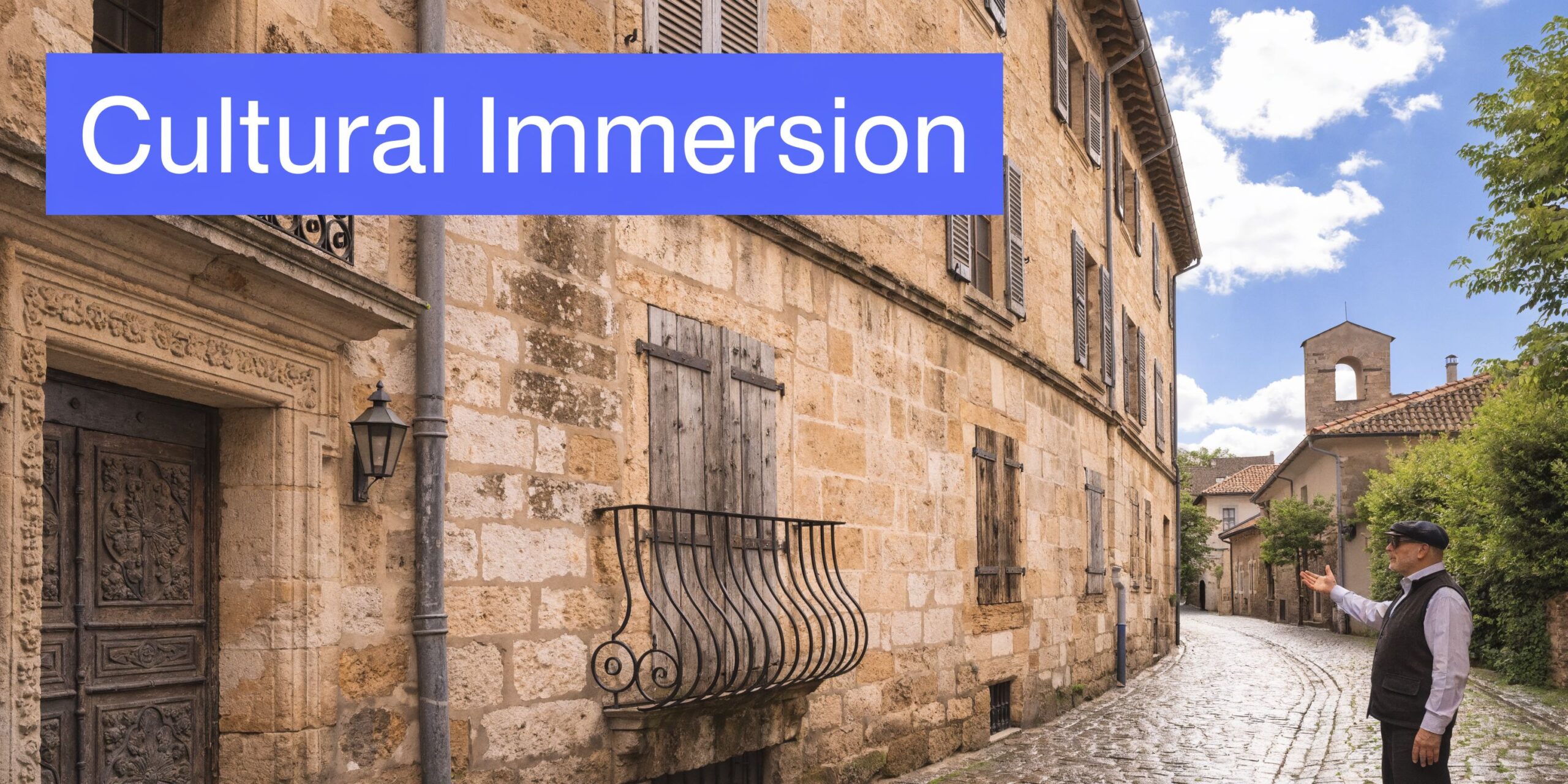
5. Immersive Cultural Experiences in Historic World Cities
Not every once in a lifetime trip has to be remote. Some of the richest travel experiences happen in cities you already know by name, but experience in a more layered way.
Rome, Paris, Kyoto, Istanbul, and Cairo can all be “big city” trips on paper. In practice, they can feel personal if the itinerary is built around access, context, and pacing.
The difference between sightseeing and immersion
A standard city trip checks boxes. You see the landmarks, take the photos, and move on.
An immersive city trip slows the whole thing down. Maybe you visit a museum with a scholar-level guide who helps the collection make sense. Maybe you arrange an artisan visit in a workshop you’d never find alone. Maybe dinner isn’t just a reservation, but a meal shaped around regional food traditions and conversation.
The strongest city itineraries don’t try to do everything. They choose a lens. Ancient history. Design. Food. Fashion. Faith. Architecture. Family roots. That focus makes the trip feel more memorable.
Where people overschedule themselves
Historic cities are full of temptation. Every block has another church, palace, market, or restaurant. That can lead to overly ambitious days that blur together.
A better approach is to anchor each day with one or two meaningful experiences, then leave room to wander. Time for coffee, neighborhood walks, and spontaneous discoveries often becomes the part people remember most.
This is especially important for families and multigenerational groups. A day with too many reservations can collapse fast. A day with thoughtful structure tends to hold up much better.
If you want a city trip to feel like more than a list of famous sites, the answer is almost always depth, not more volume.
6. Multi-Country European Grand Tours with Private Transportation
This is the trip many travelers dream about for years. A long European journey. Several countries. Great hotels. Private drivers. Trains where they make sense. Luggage handled. No frantic dragging of suitcases through stations unless you want that.
Done well, a grand tour feels elegant. Done poorly, it feels like an endurance test.
What makes a grand tour successful
The biggest planning skill here is restraint.
A smart route groups destinations that connect naturally. London to Paris works. Provence into the Italian Riviera can work beautifully. Vienna, Prague, and Budapest make sense together. What usually fails is trying to cover too much geography in too little time.
Private transportation becomes especially valuable when you’re linking regions rather than just capitals. It changes the feel of the trip. Instead of staring at logistics all day, you can stop for lunch in a small town, visit a winery en route, or break a long transfer with something worth seeing.
This style of travel suits couples celebrating a milestone, retirees with time to travel longer, and families who want Europe without the constant friction of moving themselves around.
A few planning principles worth following
- Stay longer in fewer places: Cities reveal themselves on the second full day, not the first.
- Use drivers strategically: They’re most helpful for regional moves and scenic routes.
- Protect recovery time: Jet lag and museum fatigue are real.
- Mix icons with quieter stops: A famous capital paired with a countryside stay usually creates better balance.
Some travelers assume a grand tour should feel packed because it’s a “big” trip. Usually the opposite is true. The more ambitious the journey, the more important calm logistics become.
This is one of the best examples of a trip where expert planning isn’t about luxury for luxury’s sake. It’s about preserving your energy for the parts that matter.
7. Adventure and Trekking in Remote Mountain Regions
Some once in a lifetime travel experiences ask for physical effort. That’s part of why they stay with you. A trek in Patagonia, Nepal, Tanzania, or the Andes has a different emotional payoff because you feel like you earned the view.
That doesn’t mean every mountain trip has to be extreme. There’s a wide range between a scenic lodge-based hiking journey and a demanding summit expedition.
Why trekking changes the way a place feels
Mountain travel strips things back. Your day becomes simple. Wake up. Dress for weather. Walk. Notice the surroundings. Keep going.
That rhythm is what many busy professionals crave, even if they don’t say it that way at first.
Patagonia is a good example. Some travelers want full-day hikes with a refined lodge waiting at the end. Others want a more rugged circuit. Kilimanjaro is often about the goal of standing on the summit. Everest Base Camp is as much about the journey and mountain culture as it is about arrival.
Planning for the reality, not the fantasy
This category demands honesty. Choose a trek for your current fitness, not your idealized self from six months in the future.
A few practical points matter more than people expect:
- Train with your gear: Boots, layers, and backpacks should never be test-run on the trip itself.
- Build in acclimatization when needed: Altitude changes the pace of everything.
- Protect the landing after the trek: You’ll enjoy the trip more with recovery time at the end.
The best trekking itinerary leaves your body challenged, not wrecked. You should come home proud, not injured.
Guides matter enormously here. A strong guide sets pace, reads the group well, and manages morale as much as logistics. For mountain travel, that human element often defines the experience.
8. Luxury River Cruises on World’s Most Scenic Waterways
River cruising is one of the easiest ways to make a big trip feel manageable. You unpack once, keep a comfortable base, and wake up somewhere new without the friction of constant transfers.
That convenience is a big reason this category keeps growing. The paid, structured experiential travel market is estimated at roughly $250 billion to $310 billion annually, with projected growth of more than 14% per year through 2025 according to McKinsey’s analysis of visitor experiences.
Why river cruises work for milestone travel
River cruises suit travelers who want scenery and culture without having to rebuild the trip every two days. They’re especially strong for couples, parents traveling with adult children, and travelers who want Europe, Egypt, Southeast Asia, or South America to feel polished rather than hectic.
The Danube and Rhine are classic choices. The Nile feels history-forward and iconic. The Mekong offers a different cultural texture. Amazon sailings bring a more nature-based focus.
If you’re comparing styles, ship sizes, and route differences, this guide to the best luxury river cruise lines is a good place to continue.
How to choose well
Not all river cruises feel the same. Some are more inclusive in tone and excursions. Some lean culinary. Some suit travelers who want more active touring. Others are better for slower-paced sightseeing.
A few decisions matter early:
- Cabin position: This can affect light, noise, and convenience.
- Excursion style: Included tours vary in pace and depth.
- Pre and post stays: A city extension often improves the trip significantly.
River cruising can look simple from the outside, and that’s exactly why details matter. The trip should feel easy because the right route, ship, and timing were chosen from the start.
9. Exclusive Wellness and Spa Retreats in Paradisiacal Settings
Not every bucket-list trip needs a packed itinerary. For some travelers, the most meaningful trip is the one that finally creates space to rest, reset, and pay attention to themselves again.
That’s where wellness travel earns its place on this list.
What a real wellness retreat does
A proper retreat is more than a beautiful spa attached to a nice resort. It has a point of view. It might focus on stress reduction, movement, sleep, mindfulness, nutrition, or a broader digital reset.
Settings like Bali, Costa Rica, the Maldives, and Thailand work well because nature supports the experience. Warm air, open space, water, and quiet change how people move through a day.
Examples that often come up include COMO Shambhala, Kamalaya, and Soneva-style wellness environments where the trip can be designed around your energy and goals.
The appeal of travel as renewal is easy to understand. The Miami Herald noted that 67% feel mentally better after a trip in its reporting on once-in-a-lifetime vacations and their effect on travelers’ wellbeing, with details in the article’s travel roundup.
Who gets the most out of this type of trip
Wellness retreats are especially valuable for people coming off burnout, major life transitions, or intense work seasons. They also work surprisingly well as solo trips because the structure gives you something to step into without social pressure.
A few things help you choose wisely:
- Know your goal: Rest, fitness, reflection, or a bit of all three.
- Check the rhythm: Some retreats are highly scheduled. Others are intentionally loose.
- Leave margin after the trip: Don’t return to a jammed calendar the next morning if you can avoid it.
A good wellness retreat doesn’t promise to change your life in one week. It gives you enough space to hear yourself think again. For many travelers, that’s rare enough to qualify as once in a lifetime.
10. Culinary Tours and Gastronomic Experiences with World-Renowned Chefs
Food-focused travel tends to stay with people because it’s sensory. You don’t just remember what you saw. You remember the market smell, the texture of handmade pasta, the table conversation, the vineyard road, the dish you still talk about months later.
That’s why culinary travel deserves a place among the best once in a lifetime travel experiences.
Why food can anchor an entire trip
A strong culinary itinerary gives structure without making the trip feel rigid. It can include private tastings, market visits, cooking lessons, chef-led meals, and regional deep dives that explain why a place tastes the way it does.
This works well in Italy, France, Spain, Japan, Peru, and parts of Southeast Asia, but the concept matters more than the country. The key is access and curation.
Travelers are clearly thinking this way. In a 2024 study, more than 60% of respondents said the variety and quality of local activities were central to destination choice, and “slowcations” emerged as a leading U.S. trend according to Statista’s overview of experiential travel activity trends.
What elevates a culinary trip
The best food journeys go beyond reservation collecting.
They connect meals to place. A day might start in a produce market, move into a cooking lesson, then end with dinner that shows how the region’s traditions evolve in modern hands. In wine regions, tastings feel better when paired with context and transportation that lets everyone relax.
This type of trip also works beautifully for mixed-interest travelers. One person may care a great deal about food. The other may care more about scenery, art, or design. Culinary travel can hold all of that together.
- Pick a region, not just a city: Food traditions often make more sense at regional scale.
- Balance splurge meals with informal ones: Not every memorable meal needs formality.
- Leave room between tastings: Appetite and pacing matter.
A food-centered trip can be celebratory, educational, and personal all at once. That’s a rare combination.
Once-in-a-Lifetime Travel Experiences: Top 10 Comparison
| Experience | Complexity 🔄 | Resources & Cost ⚡ | Expected Outcomes ⭐📊 | Ideal Use Cases 💡 | Key Advantages ⭐ |
|---|---|---|---|---|---|
| Antarctic Expedition Cruises | Very high, seasonal windows, permits, sea crossings | Very high, $8k–$30k+, specialized vessels & crew | Exceptional, rare wildlife encounters, pristine landscapes, strong educational value | Adventure photographers, high‑net‑worth explorers, milestone trips | Exclusive access, expert naturalists, immersive polar experience |
| African Safari with Private Guides and Exclusive Lodges | High, park permits, seasonal planning, health precautions | High, $5k–$15k+ for 7–10 days, private guides & lodges | Transformative, close wildlife viewing, conservation impact, cultural encounters | Nature photographers, families, conservation‑minded luxury travelers | Custom itineraries, intimate game drives, cultural engagement |
| Destination Wedding or Vow Renewal in Exotic Locales | High, legal, vendor coordination, guest logistics | High, venue + guest travel; book 12–18 months ahead | Memorable, multi‑day celebrations, standout photography backdrops | Couples seeking unique ceremonies, HNW family celebrations | Combined travel + celebration, resort coordination, unique venues |
| Private Yacht and Superyacht Charters in Exclusive Waters | Very high, crewing, logistics, weather & permits | Extremely high, $100k–$500k+/week plus fuel/port fees | Exceptional, privacy, bespoke itineraries, remote access | Groups/families wanting privacy, luxury honeymoons, exclusive events | Total flexibility, dedicated crew, access to remote anchorages |
| Immersive Cultural Experiences in Historic World Cities | Moderate, needs advanced bookings and specialist access | Moderate–high, private guides, after‑hours access costs ($500–$2k+/day) | High, deep cultural insight, exclusive museum/artist access | Art/history enthusiasts, educated travelers, cultural honeymoons | Expert-led learning, after‑hours access, artisan workshops |
| Multi-Country European Grand Tours with Private Transportation | High, cross‑border logistics, timed reservations | High, $15k–$50k+ for 2–3 weeks; private cars & luxury hotels | High, seamless, curated multi‑country exposure, varied experiences | Busy professionals, multi‑gen families, couples celebrating | Stress‑free logistics, private transport, bespoke pacing |
| Adventure and Trekking in Remote Mountain Regions | Very high, safety, acclimatization, remote support | Moderate–high, $3k–$15k+, guides, porters, specialized gear | Transformative, personal achievement, remote scenery, ecological learning | Fit adventure seekers, challenge‑oriented travelers, outdoor photographers | Expert guidance, remote wilderness access, community support |
| Luxury River Cruises on World's Most Scenic Waterways | Low–moderate, set itineraries, seasonal operations | Moderate, $4k–$15k+, often all‑inclusive pricing | Reliable, comfortable multi‑destination visits, cultural framing | Busy professionals, mature travelers, couples seeking ease | Unpack once, included excursions, central access to sites |
| Exclusive Wellness and Spa Retreats in Paradisiacal Settings | Low–moderate, structured programs, scheduling | Moderate, varies by retreat; certified staff & facilities | Beneficial, stress reduction, lifestyle reset, guided routines | Burned‑out professionals, solo transformation seekers, couples | Holistic programs, expert practitioners, digital detox environments |
| Culinary Tours and Gastronomic Experiences with World‑Renowned Chefs | Moderate, chef scheduling, market/restaurant coordination | Moderate–high, costs vary with celebrity chefs & restaurants | Practical, improved skills, market knowledge, memorable meals | Foodies, aspiring chefs, cultural culinary learners | Hands‑on classes, access to top chefs, market‑to‑table immersion |
Final Thoughts
The phrase “once in a lifetime” can sound dramatic, but in practice it usually means something simpler. It means a trip you care enough about to plan properly. A trip that marks a chapter. A trip that asks for more intention than a quick getaway.
For some people, that’s Antarctica. For others, it’s a safari, a river cruise, a wedding abroad, or a grand European journey that finally makes it out of the group chat and onto the calendar.
The common thread is not extravagance for its own sake. It’s meaning.
That shift is showing up clearly in the way people travel now. Experiences have become central to destination choice, and milestone trips are no longer just about where you sleep. They’re about what the trip lets you do, feel, and remember. Sometimes that means standing on a polar landing in total silence. Sometimes it means watching your kids see wildlife in Africa for the first time. Sometimes it means saying your vows somewhere that changes the tone of the whole event.
The best version of these trips usually comes down to a few practical choices.
Timing matters more than most travelers expect. Season can affect wildlife, weather, comfort, route options, and overall feel. Pace matters too. Many expensive trips disappoint because they’re overscheduled. People try to prove the trip is worth it by adding too much. They come home with photos, but not much room to absorb what happened.
Logistics matter just as much. Long-haul flights, transfer chains, ship size, guide quality, and whether a destination works for your group all shape the final experience. That’s especially true for families and multigenerational travelers. A trip can look perfect on paper and still be wrong for the actual people taking it.
That’s why practical planning depth matters. It isn’t the least glamorous part of these journeys. It’s what protects the magic.
If you’re starting to think seriously about one of these once in a lifetime travel experiences, begin with a few questions. What kind of memory are you trying to create? Who is the trip really for? Do you want challenge, rest, celebration, learning, or a mix of those? How much movement feels exciting, and how much would feel exhausting?
Once you answer those, the right destination gets easier to spot.
For travelers who want help turning a big idea into a polished itinerary, Explore Effortlessly is one option to consider. The agency plans personalized luxury travel for busy professionals, couples, families, and milestone travelers, and works with clients nationwide through virtual consultations. That kind of support is especially useful when the trip includes multiple moving parts, private touring, cruises, remote lodges, or event logistics.
A once-in-a-lifetime trip shouldn’t feel impossible to organize. It should feel worth doing well.
If you're ready to turn one of these ideas into a well-planned trip, Plan my luxury trip with Explore Effortlessly. Karrah works with clients nationwide through virtual consultations to design high-touch itineraries for bucket-list travel, milestone celebrations, cruises, safaris, and complex multi-stop journeys. You can also join the newsletter for more travel inspiration and planning insight at Explore Effortlessly’s newsletter.
About the author
Hi, I’m Karrah, owner, founder, and lead travel advisor at Explore Effortlessly, a luxury award winning travel agency based in Miami.
I specialize in designing bespoke, high touch itineraries to bucket list destinations around the world. Every trip is curated with intention, insight, and efficient logistics from start to finish.
From luxury cruises and private villas to honeymoons, safaris, and once in a lifetime journeys, my role is to simplify the planning process while elevating every detail.