You’re probably planning this trip the way most busy travelers do. A few browser tabs open, a saved restaurant list, maybe one friend insisting you have to do Bourbon Street, and a growing suspicion that three days in New Orleans could either feel magical or strangely chaotic.
That instinct is right. New Orleans rewards good planning. It also punishes generic planning. The best version of this city isn’t found by running from one overcrowded stop to the next. It’s found in a slow breakfast in a hidden courtyard, a private guide who adds context to every block, a golden-hour streetcar ride, and dinner reservations secured before everyone else starts scrambling.
For 3 days in New Orleans, I don’t recommend a rigid, one-size-fits-all schedule. I recommend choosing a travel style first, then building the city around it. That’s how a quick long weekend feels polished instead of rushed.
This guide gives you five advisor-designed blueprints. One leans into classic French Quarter culture. Another focuses on plantation heritage and Southern elegance. One is built for serious food lovers. Another is for travelers who want jazz, art, and late nights done well. The last one heads toward bayous, wildlife, and the version of Louisiana most visitors miss.
Use these as your starting point, not your final draft. I work with clients nationwide through virtual consultations, and here is where I assist. I refine the right concept, secure the hard reservations, coordinate the right drivers and guides, and make sure your three days feel personal from the minute you land.
1. Classic French Quarter & Cultural Immersion
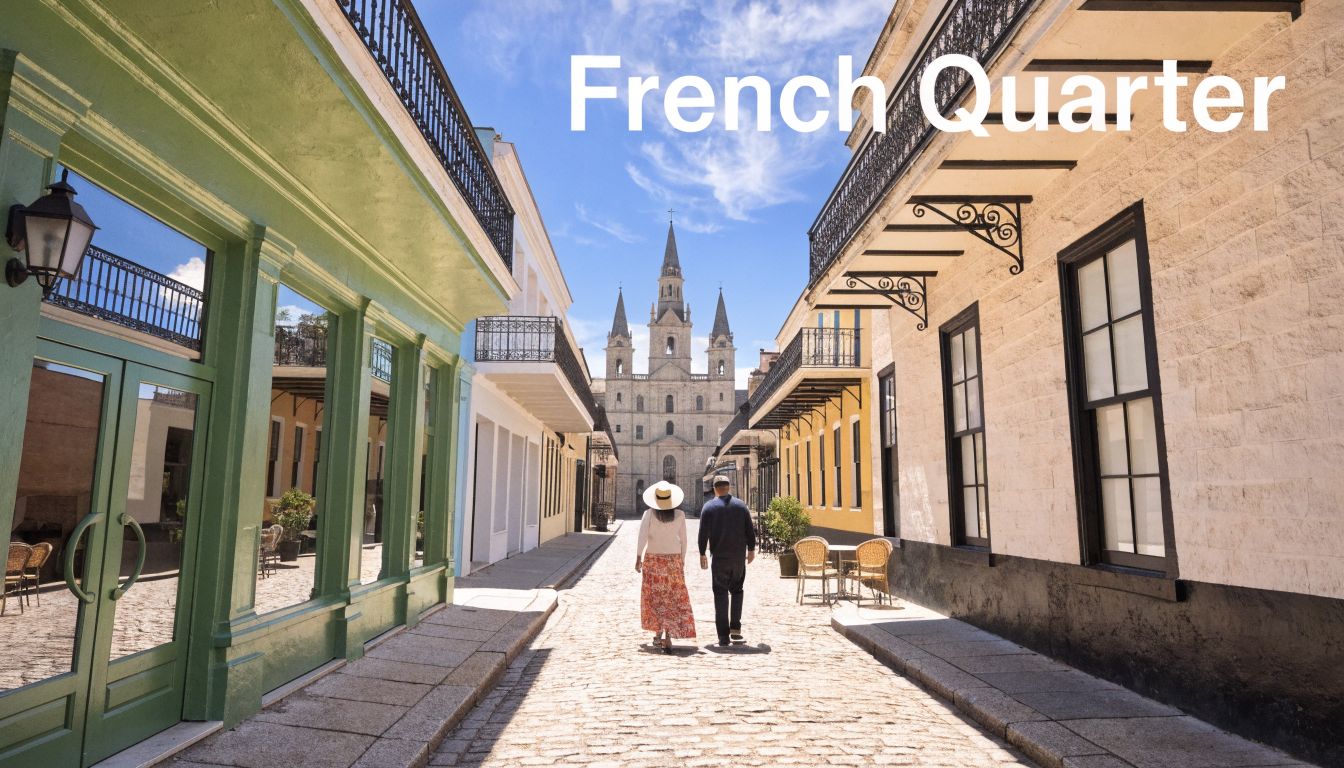
You wake up in a handsome hotel, step onto a quiet Quarter street before the crowds build, and realize this version of New Orleans works best with restraint. If your travel style favors iconic sights, strong context, and evenings that feel polished instead of messy, choose this blueprint. Of the five advisor-designed options in this guide, this is the one I suggest first for a classic first trip.
Base yourself in the French Quarter or the Warehouse District and keep your schedule disciplined. New Orleans has plenty of distractions. You do not need all of them. You need the right mix of history, architecture, music, and meals, with enough breathing room to enjoy the city.
Day 1 should stay close to Jackson Square. Step inside St. Louis Cathedral, then give equal attention to the buildings around it. The Cabildo and the Presbytère turn a pretty square into a place with political, religious, and cultural weight. A private walking guide is money well spent here. Good guides explain the French and Spanish influences, point out details most visitors miss, and keep the Quarter from turning into a backdrop for photos only.
How to do the French Quarter properly
Keep your first afternoon focused on one main experience. A museum works well. A carriage ride can work if you want a softer pace. A guided visit to St. Louis Cemetery No. 1 is another strong choice. According to the official St. Louis Cemetery No. 1 visitor information, the cemetery dates to the late 18th century and is known for the above-ground tombs that define historic New Orleans burial practices.
Do not stack too much into the heat of the day.
Take a real hotel break before dinner. That decision improves the whole trip. You arrive at the evening looking composed, not overheated and tired, and New Orleans is far more enjoyable after dark when you still have energy to appreciate it.
Day 2 should widen your view without losing the historic thread. Ride the St. Charles Avenue streetcar through Uptown and the Garden District, ideally late in the afternoon when the light is softer and the pace of the city feels more graceful. The New Orleans Regional Transit Authority notes that the St. Charles line is the oldest continuously operating streetcar line in the world, and it remains one of the most enjoyable ways to see the city without rushing through it.
Plan dinner with intention, then add one cocktail stop with actual character. New Orleans does old-school drinking culture better than almost anywhere in the country, so this is the right itinerary for a bar program inspired by Pre-Prohibition whiskey cocktails. Skip the loud, forgettable stops. Choose a room with atmosphere, a proper bartender, and a short list of classics done well.
The right finish for Day 3
Your last day should feel curated, not crowded. Start with antiques, galleries, or an architectural stroll that lets you notice details you missed on arrival. Then close with one memorable lunch and one final cultural note, whether that is a jazz performance, a beautifully restored courtyard bar, or a last wander through quieter Quarter blocks before departure.
A few choices improve this blueprint immediately:
- Reserve your best dinners before you book flights. Top tables disappear fast on festival weekends and holiday dates.
- Prioritize a hotel address that lets you walk easily between morning sights and evening reservations.
- Keep one night for jazz, with Preservation Hall for structure or Frenchmen Street for a more flexible music-focused evening.
- Book private planning help if you want the classic route handled with better pacing, stronger reservations, and smarter logistics through this luxury travel concierge for New Orleans trip planning.
This blueprint suits travelers who want New Orleans to feel iconic, informed, and beautifully paced. If that sounds like your trip, commit to quality over quantity and let the city reveal itself block by block.
2. Plantation Heritage & Southern Elegance
You wake in a polished French Quarter hotel, leave the city before the streets heat up, and spend the day in plantation country with a historian who treats the subject with the seriousness it deserves. That is the right version of this New Orleans blueprint.
Among these five advisor-designed 3-day routes, this one suits travelers who want beauty with substance. The draw is not just grand homes and oak-lined approaches. It is the chance to understand Louisiana’s plantation history with proper context, then return to New Orleans for gracious service, excellent dining, and a quieter, more refined pace.
Choose this itinerary if you care about architecture, gardens, regional history, and thoughtful cultural framing. Skip it if you want a high-energy weekend built around bars, late nights, and constant movement.
How to do plantation country well
Plantation visits need judgment. I recommend one strong estate experience, not a rushed circuit of photo stops. The best guides address the lives of enslaved people directly, explain the economics behind the properties, and avoid turning the day into decorative nostalgia.
Logistics shape the entire experience. Book private transport, leave early, and give yourself enough time on site to absorb what you are seeing. A packed day with multiple estates usually feels shallow. One meaningful visit, a proper lunch, and an unhurried return to the city works far better.
A quiet evening afterward is the smart call.
These visits often land harder than travelers expect. Leave room for a slow cocktail in a beautiful hotel bar or dinner somewhere calm and polished instead of forcing a theatrical night out.
The strongest 3-day structure for this style
For this blueprint, I would plan the trip like this:
- Day 1: Arrive in New Orleans, check into a hotel with old-world character, and keep the first evening elegant and easy.
- Day 2: Head out early for plantation country with a private driver and a historian-led visit. Add a leisurely lunch, then return to the city before dinner.
- Day 3: Spend the day in the Garden District and along Magazine Street, with time for shopping, architecture, and one final dinner in a classic dining room.
That pacing gives the trip range. You get one day rooted in difficult but important history, one day grounded in the city’s residential beauty, and enough breathing room to enjoy New Orleans without treating it like a checklist.
This is also the best blueprint for travelers who want a more customized trip rather than a fixed schedule. If you want the estates, neighborhoods, dining reservations, and transport arranged around your exact interests, use a personalized New Orleans itinerary planning service.
Where people get this wrong
They romanticize the setting and under-plan the day.
Plantation country asks for emotional energy, not just driving time. A serious visit deserves thoughtful framing before and after. I advise clients to pair it with restorative pleasures. A shaded courtyard lunch. A well-run hotel. A dinner reservation with excellent service and a room quiet enough for conversation.
The city portion should match that tone. The Garden District fits better than a packed Bourbon Street agenda. Magazine Street works better than a frantic attraction crawl. This route is about grace, context, and selectivity.
Advisor guidance that actually matters
This itinerary rises or falls on execution. The driver needs to be punctual and polished. The guide needs to be informed and honest. The meal stops need to restore your energy, not drain it.
I plan this version of New Orleans for travelers who want a more layered Southern experience. If that is your style, keep the schedule selective, spend well on transport and guiding, and let one excellent day in plantation country do its job.
3. Food & Wine Connoisseur's Journey
You land in New Orleans on a Friday, check into a handsome hotel, and by that evening you are sitting under low lighting with a glass of Champagne, deciding whether your weekend centers on grand Creole dining, serious wine, or the city’s best seafood. That is the right way to approach this blueprint. Let the table lead.
Among these five advisor-designed 3-day New Orleans options, this one suits travelers who choose a destination as much for dinner reservations as for landmarks. The city rewards people who plan meals with discipline. You want range, not excess. One old-guard dining room. One lunch that feels unmistakably local. One polished cocktail experience. One meal that reminds you how strong New Orleans can be when a kitchen respects its own traditions.
Day 1 should sharpen your palate
Start with a casual introduction in the French Quarter, then add a guided tasting, cooking class, or specialty food walk early in the trip. Arrival day is the right moment for this. It gives context fast and helps you recognize the ingredients, dishes, and service styles that define the city.
Keep dinner refined, not punishingly rich. Book a seafood-focused restaurant or a polished Creole institution with a strong wine list and a room that still feels like New Orleans rather than a generic fine-dining set. Save your heaviest, most theatrical dinner for the second night.
A strong first day should leave you hungry again by morning.
Pace matters more than volume
Food-focused travelers often make the same mistake. They cram in brunch, pralines, cocktails, a market stop, oysters, and a tasting menu, then spend the evening exhausted. New Orleans is richer than that approach allows.
Build the day around appetite and recovery:
- Morning: Coffee, pastry, or a light breakfast, then a market browse or cooking experience
- Midday: A headline lunch with enough time after it for a proper walk or rest
- Evening: Your main reservation, with transport arranged and no unnecessary stops beforehand
The French Market is a smart morning stop if you want movement before a serious lunch. It has been part of the city’s commercial life since the French colonial period, and the French Market district overview offers useful background if you like your meals with a bit of context.
Make Day 2 the peak
This is your anchor day. Book the table you would regret missing. Choose the restaurant with the strongest combination of cuisine, room, service, and wine program. In New Orleans, that usually means committing either to an enduring classic or to a chef-driven restaurant that understands restraint as well as indulgence.
Leave the afternoon open. A long hotel break is not wasted time on this itinerary. It is part of the design.
Then dress properly and go all in on dinner.
Day 3 should finish with finesse
Your final day needs a lighter hand. Plan one elegant seafood lunch, a coffee or pastry stop, and a last dinner that feels celebratory without repeating the previous night’s intensity. This is the moment for a graceful finale, not another marathon meal.
This version of New Orleans works especially well for anniversary couples, private clients who want concierge-level reservations, and small groups who care more about where they eat than how many attractions they can check off. If that is your style, use a personalized New Orleans itinerary planning service to coordinate reservations, pacing, dress codes, and car service around your preferred dining rhythm.
The best food weekends in New Orleans are edited carefully. Choose fewer meals. Choose better rooms. Leave space between them. That is how this city shows off.
4. Arts, Music & Nightlife Experience
You spend the afternoon moving through quiet galleries, dress for dinner, then step into a low-lit room where the band is already locked in and the cocktails arrive cold and exact. That is the New Orleans night you want. Choose this three-day blueprint if your version of luxury travel means strong programming, beautiful rooms, and music that feels real rather than staged for passing crowds.
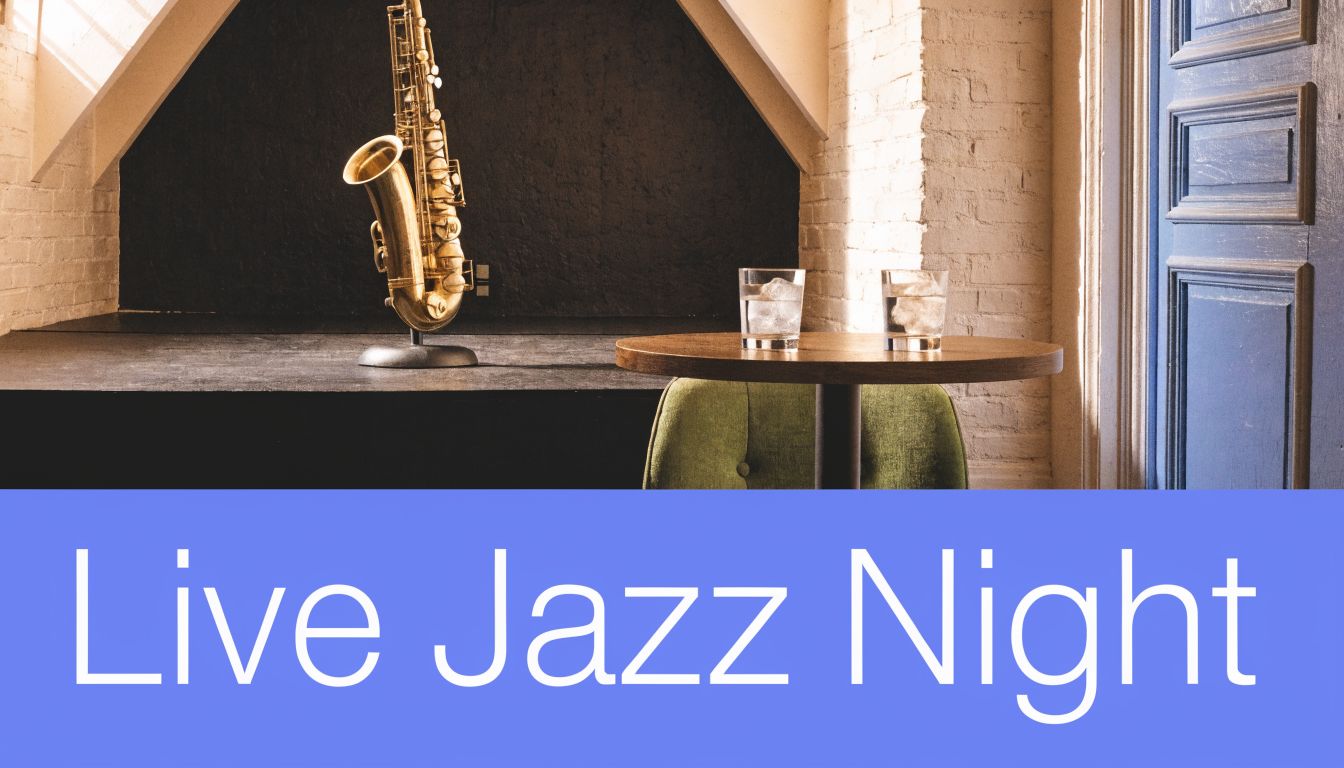
Start with visual culture, then let the city get louder
Day 1 should open late and stylishly. Have a proper lunch, then spend the afternoon on Royal Street or in the Warehouse District, where the city’s art scene gives the trip shape before the nightlife begins. Gallery hopping works particularly well here because it sets a more refined tone than charging straight into bars.
By evening, go to Frenchmen Street first. It is the stronger choice for travelers who care about live music, not bachelor-party noise. Bourbon Street still has its place, but usually as a quick look, not the core of a well-designed night.
Book dinner close to your first venue. Geography matters after dark in New Orleans. A reservation that looks good on paper can become annoying if it forces you into cross-city transfers when the night should feel easy.
How to make this version of New Orleans work
This is one of the most versatile of the five advisor-designed three-day options in this guide because it suits several types of travelers at once. Couples celebrating something special do well here. So do stylish friend groups, solo travelers who want a social but polished trip, and repeat visitors who have already done the obvious highlights.
A few choices improve the experience quickly:
- Reserve one polished cocktail stop before a show: A rooftop or classic hotel bar works best when you arrive before peak demand.
- Choose one headline music venue each night: Build around a known room, then add one spontaneous stop.
- Keep the daytime light: Late sets are more enjoyable when you are not dragging yourself through an overpacked sightseeing schedule.
- Dress for the room: New Orleans is forgiving, but the best dining rooms and music spaces still reward a little effort.
The best sets usually hit their stride later in the evening. Arriving too early often means sitting through a room that has not found its rhythm yet.
Build Day 2 around your strongest night out
Make Day 2 your high-gloss evening. Start with a slower morning, then use the afternoon for a museum, a design-forward hotel bar, or a private shopping appointment. Save your energy for the night.
Then commit. Book the dinner you are most excited about, follow it with a seated performance or serious jazz club, and leave room for one final stop that feels more local and less programmed. That last venue is often where the night becomes memorable.
Let Day 3 finish with style, not exhaustion
Your final day should still feel creative, just less intense. Brunch, a few final gallery visits, and an early performance or elegant cocktail hour are enough. Do not try to recreate the previous night beat for beat. New Orleans rewards pacing, and this itinerary works best when the finale feels composed.
This blueprint is the right fit for travelers who want a cultural trip with nightlife at its center, not as an afterthought. Among the five New Orleans approaches in this guide, it is the one I recommend for clients who want to hear the city, see it, and stay out late without wasting evenings in mediocre rooms.
5. Nature, Adventure & Authentic Louisiana
You wake before sunrise, leave the city while the streets are still quiet, and trade brass bands for cypress trees and still water. By lunch, you have seen a side of Louisiana that plenty of visitors miss entirely. By dinner, you are back in New Orleans in time for a polished meal and a proper night’s sleep. That is exactly why this is one of the smartest 3 day New Orleans blueprints for travelers who want more than a city break.
This option suits guests who want movement, open space, and a stronger sense of the region itself. It is my pick for active couples, families with older children, photographers, and repeat visitors who have already covered the obvious highlights and want a more layered trip.
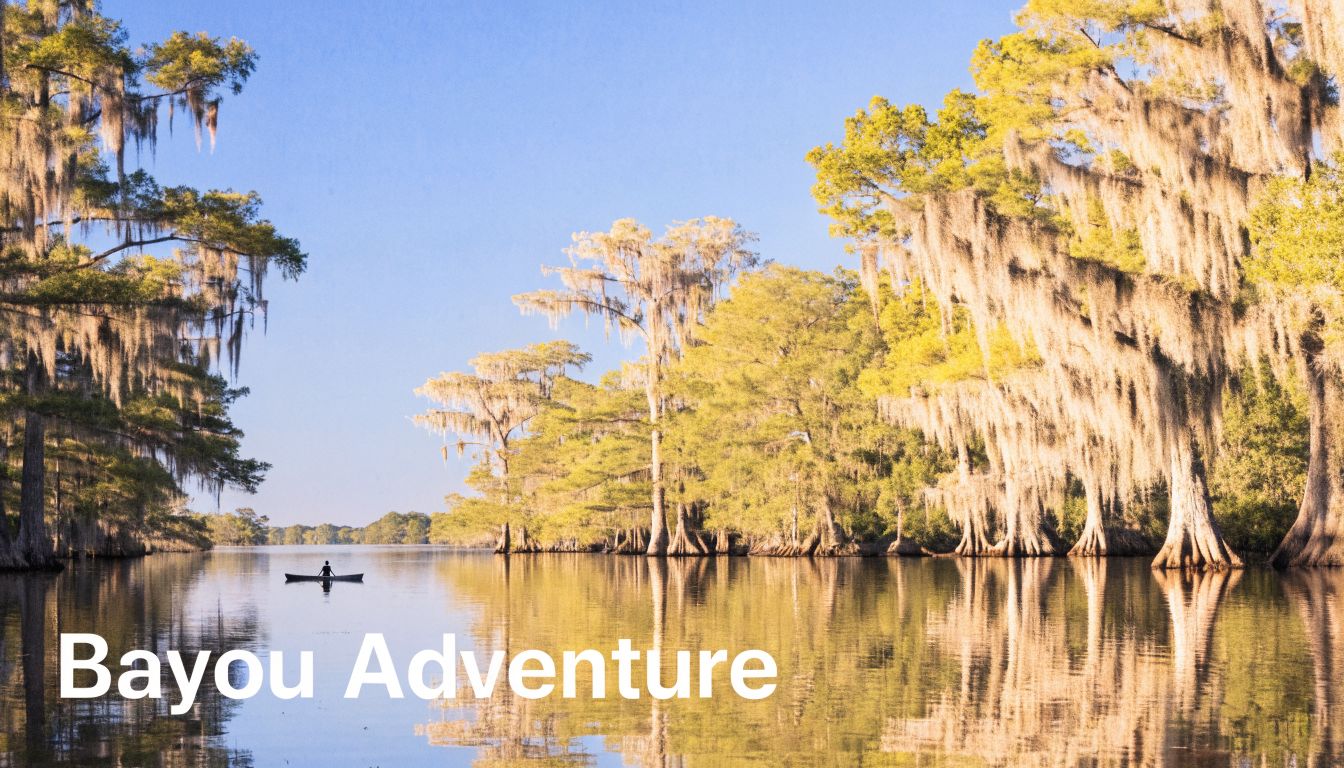
Keep the hotel in town. Put the adventure outside it.
The right formula is simple. Spend two days enjoying the city’s best hotels, restaurants, and neighborhoods, then devote one full day to the wetlands, bayous, or nearby waterways with a well-run operator.
Do not book a tacky wildlife outing with oversized groups and canned narration. Choose a naturalist-led experience or a private guide who treats the environment seriously. Swamp boat tours, kayak outings, and quiet wildlife cruises can all work. The best choice depends on your energy, mobility, and tolerance for heat. Morning departures are the right call because the light is better, the air is more comfortable, and the whole day feels calmer.
Add one green, quieter city day element
If you want this version to feel active without feeling rough, pair the bayou day with time in City Park. It offers a completely different rhythm from the French Quarter. You have room to breathe, walk under live oaks, linger over brunch, and reset before your final departure.
That balance is the point. You get Spanish moss, water, birdsong, and the atmospheric side of south Louisiana, then return to a refined hotel, a long shower, and a serious dinner reservation. For many travelers, that mix feels more distinctly Louisianan than three straight days of bars, balconies, and crowded streets.
How I would structure the three days
Use Day 1 for arrival, a relaxed lunch, and one neighborhood with a slower tempo. Save your energy.
Make Day 2 your outdoor day. Leave early, go with a guide worth paying for, and keep the afternoon free enough that you can freshen up and enjoy dinner without feeling wrung out. If you want the outdoors to be the main event rather than a single day, explore my Arizona and Utah national parks itinerary before planning the next trip.
Use Day 3 for City Park, a final museum stop if it appeals, or a lazy brunch before departure. Do not overbook the last day. This blueprint works best when the pace stays measured.
Smart planning rules for this version
- Book the earliest excursion slot: Heat, glare, and fatigue build quickly later in the day.
- Dress for function first: Long sleeves, breathable layers, sun protection, and proper shoes matter more than looking polished on the water.
- Keep your evening reservation focused: After an outdoor day, one excellent seafood dinner is a better choice than a complicated night with multiple stops.
- Use private transport for the nature day if your budget allows: It saves time and keeps the experience comfortable from start to finish.
Among the five advisor-designed 3-day New Orleans options in this guide, this is the one I recommend to travelers who want the city and the state around it. It gives you the version of Louisiana that feels grounded, memorable, and far more personal than a standard weekend built only around the usual urban highlights.
3-Day New Orleans: 5 Itinerary Comparison
| Experience | Implementation Complexity | Resource Requirements | Expected Outcomes | Ideal Use Cases | Key Advantages |
|---|---|---|---|---|---|
| Classic French Quarter & Cultural Immersion (3 Days) | Low–Medium, walkable routes, guided tours, restaurant bookings | Moderate, private guide/concierge, mid–high dining budget | Strong cultural immersion, relaxed pace, highly photogenic | Busy professionals, couples, first-time visitors, food-focused travelers | Iconic landmarks, excellent dining, flexible pacing |
| Plantation Heritage & Southern Elegance (3 Days) | Medium–High, off-site logistics, private estate coordination, sensitive narration | High, private transport, historians/guides, exclusive accommodations | Deep historical insight, intimate access, refined atmosphere | Heritage enthusiasts, genealogy researchers, HNW families | Exclusive estate access, scenic photography, educational depth |
| Food & Wine Connoisseur's Journey (3 Days) | Medium, heavy booking cadence, coordination with chefs/sommeliers | High, significant dining spend, sommelier/chef fees, concierge support | Exceptional culinary experiences, curated tastings, shareable content | Foodies, culinary pros, couples celebrating, influencers | World-class dining, personalized menus, market-to-table authenticity |
| Arts, Music & Nightlife Experience (3 Days) | Medium, timing-sensitive events, VIP arrangements, late-night planning | Moderate, tickets/VIP passes, local artist access, concierge coordination | High-energy cultural engagement, live-music immersion, nightlife memories | Music lovers, creatives, Jazz Fest attendees, young luxury travelers | Authentic performances, VIP access, strong social-media appeal |
| Nature, Adventure & Authentic Louisiana (3 Days) | Medium–High, remote transfers, safety protocols, expert naturalists | High, transportation to rural sites, guides, specialized gear/accommodations | Immersive wildlife experiences, unique landscapes, exceptional photography | Adventure-seekers, nature photographers, eco-conscious travelers | Differentiated, conservation-focused experiences, intimate wildlife encounters |
Your Effortless New Orleans Escape Awaits
The right 3 days in New Orleans won’t look the same for every traveler. That’s the entire point. Some clients want a polished French Quarter weekend with cathedral visits, streetcar rides, and one unforgettable jazz night. Others want to build the trip around chef-driven dining, a heritage-focused day beyond the city, or a blend of bayou adventure and elegant evenings back in town.
What makes the difference isn’t just where you go. It’s how the trip is built. Timing matters in New Orleans. Neighborhood flow matters. Dinner reservations matter. Knowing when to slow down matters even more. The city can feel effortless, but only when someone has already done the logistical thinking for you.
That’s how I approach it. I work with clients nationwide through virtual consultations, and I design New Orleans getaways with the same care I bring to larger, more complex luxury itineraries. That means securing the right hotel for your style, coordinating trusted private guides and drivers, planning meals in a sequence that makes sense, and shaping each day around your pace instead of a generic internet checklist.
It also means avoiding common mistakes. Too many travelers overschedule the French Quarter, leave transportation as an afterthought, and book dinners without considering heat, walking distance, or what kind of evening they want. Others try to combine every iconic experience into one long weekend and end up seeing a lot while feeling very little. A strong itinerary does the opposite. It creates rhythm. It gives the trip texture. It leaves space for the city to surprise you.
If you’re celebrating something special, I can also layer in the details that turn a good long weekend into a standout one. Preferred partner perks, VIP amenities, thoughtfully timed private touring, and upscale dining all make a difference when they’re aligned with the rest of the trip. That’s especially valuable for honeymooners, couples planning a milestone trip, solo travelers who want a more curated experience, and busy professionals who don’t want to spend their evenings researching restaurant backup plans.
I’m also happy to build around practical goals. Some travelers want a heavy culture focus. Some want to prioritize food. Some want a trip that balances leisure with light property scouting or a more neighborhood-driven view of the city. New Orleans can accommodate all of that beautifully when the planning is intentional.
Karrah is a Circle of Excellence Advisor and in the Top 5 percent at Nexion, which means clients benefit from both strong travel industry relationships and concierge-level strategy. The trip starts with a conversation, not a dozen tabs and a stress spiral.
When you’re ready, I’ll turn one of these blueprints into a smooth itinerary that fits you exactly.
Author Bio Box:
Hi, I’m Karrah, owner, founder, and lead travel advisor at Explore Effortlessly, a luxury award winning travel agency based in Miami.
I specialize in designing bespoke, high touch itineraries to bucket list destinations around the world. Every trip is curated with intention, insight, and smooth logistics from start to finish.
From luxury cruises and private villas to honeymoons, safaris, and once in a lifetime journeys, my role is to simplify the planning process while elevating every detail.
Join the Newsletter:
For more insider travel insights and destination inspiration, join the Explore Effortlessly newsletter.
Explore Effortlessly newsletter
If you want 3 days in New Orleans planned with polish, personality, and none of the logistical mess, Explore Effortlessly can design and book the trip for you.