You booked a beautiful suite, circled Easter Island on the itinerary, and assumed the hardest part was choosing the cruise line. That is where travelers get blindsided. Rapa Nui by sea is defined by access, timing, and tender operations long before it feels defined by luxury.
An easter island cruise can be extraordinary. It can also feel frustrating if you treat it like a simple marquee port and ignore how the day works.
Start with the realities that matter:
- Access is limited. Easter Island is a rare cruise call, and availability alone should tell you this is not a routine stop.
- You go ashore by tender. There is no dock-and-stroll arrival. Small-boat transfers, sea conditions, and your own mobility affect whether the day feels exciting or exhausting.
- Missed calls happen. Tender operations are usually successful, but weather and swell can still shut the port down.
- Ship choice changes the experience. An expedition ship and a large luxury vessel can both get you there, but they do not give you the same pace, shore access, or margin for error.
- One day on the island requires discipline. You can see major sites and have a memorable visit. You will not get an open-ended, immersive land experience from a standard cruise stop.
- This trip rewards careful planning. The right itinerary, cabin location, touring setup, and contingency planning determine whether the day feels polished or compromised.
That is the point of this guide. Easter Island sells itself. The harder task is making sure the reality on the water matches the importance of the trip.
An Introduction to Your Easter Island Dream
You book a beautiful suite, cross a huge stretch of the Pacific, and expect one of the world's great arrivals to feel polished on its own. Easter Island does not work that way. Rapa Nui is too remote, too meaningful, and too operationally tricky for passive planning.
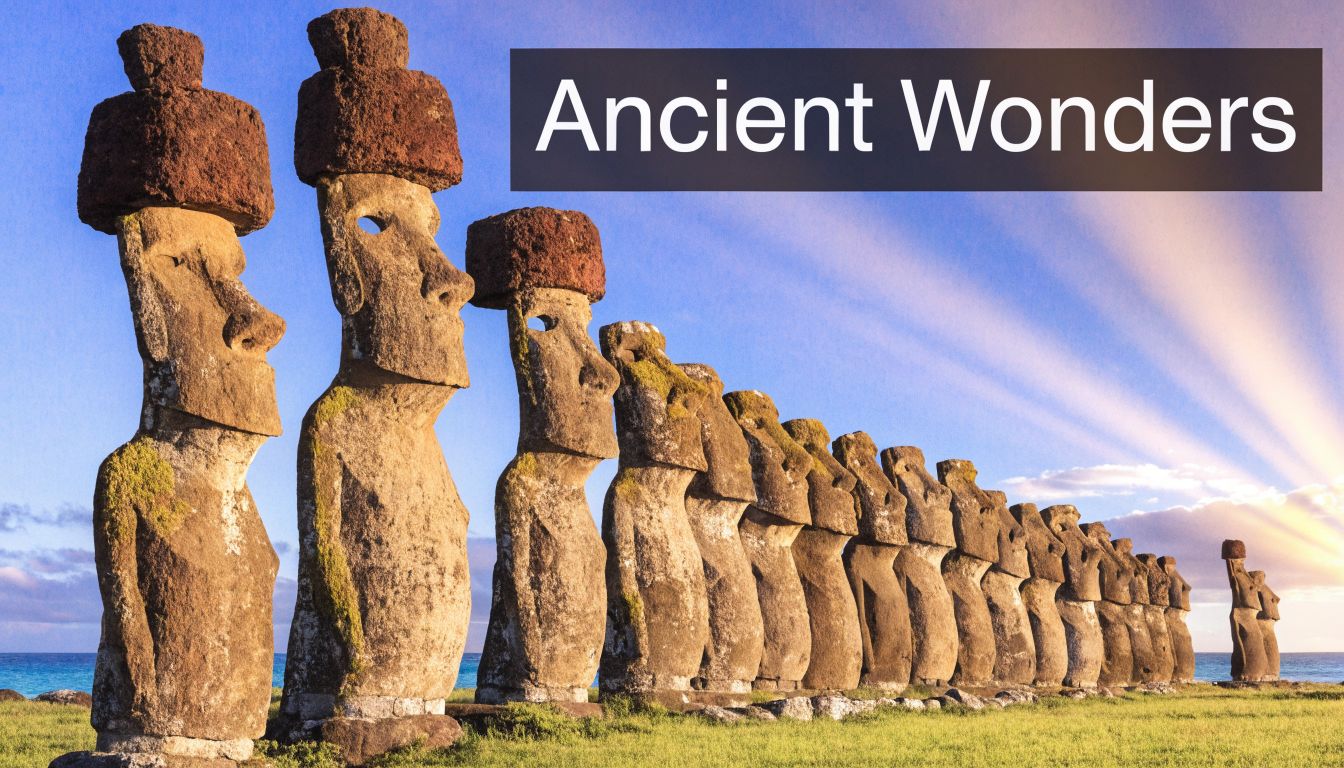
That is exactly why this trip matters so much to luxury travelers. The moai have real presence. The island feels isolated in the best and hardest sense of the word. You are not visiting a pretty port with one famous landmark. You are arriving at a place with cultural gravity, historical loss, and a level of remoteness that changes how every cruise call works.
A good Easter Island cruise is defined less by glossy marketing than by execution. Tender operations, shore-time discipline, touring order, and backup planning shape the day more than your suite category. If your expectations are high, your planning standards need to match.
Rapa Nui's history is part of the experience, not background scenery. Its past includes collapse, outside exploitation, and survival. Its present includes a living Polynesian culture on a small, isolated island in the southeastern Pacific. Treating it like a quick trophy stop misses the point and usually leads to a weaker visit.
Why this trip feels bigger than a normal port stop
An easter island cruise carries emotional weight long before you see the first platform of moai. You have traveled far to reach a place travelers talk about for years and visit once, if ever. That scale changes the stakes.
The right mindset is simple. Do not judge this voyage by the usual luxury-cruise checklist alone. Judge it by whether your ship, your shore plan, and your timing give you a realistic shot at the experience you came for.
Three things separate a memorable call from a disappointing one:
- Respect the island's significance: The strongest visits are grounded in history, archaeology, and modern Rapa Nui identity, not just photo stops.
- Plan for limits, not fantasies: Shore time is finite, and the day works best when you choose priorities before you arrive.
- Match the ship to the goal: Some travelers want maximum comfort onboard. Others need a stronger operational setup for getting ashore efficiently and making the most of limited hours.
That is the difference between reaching Easter Island and experiencing it well.
The Reality of Reaching Rapa Nui by Sea
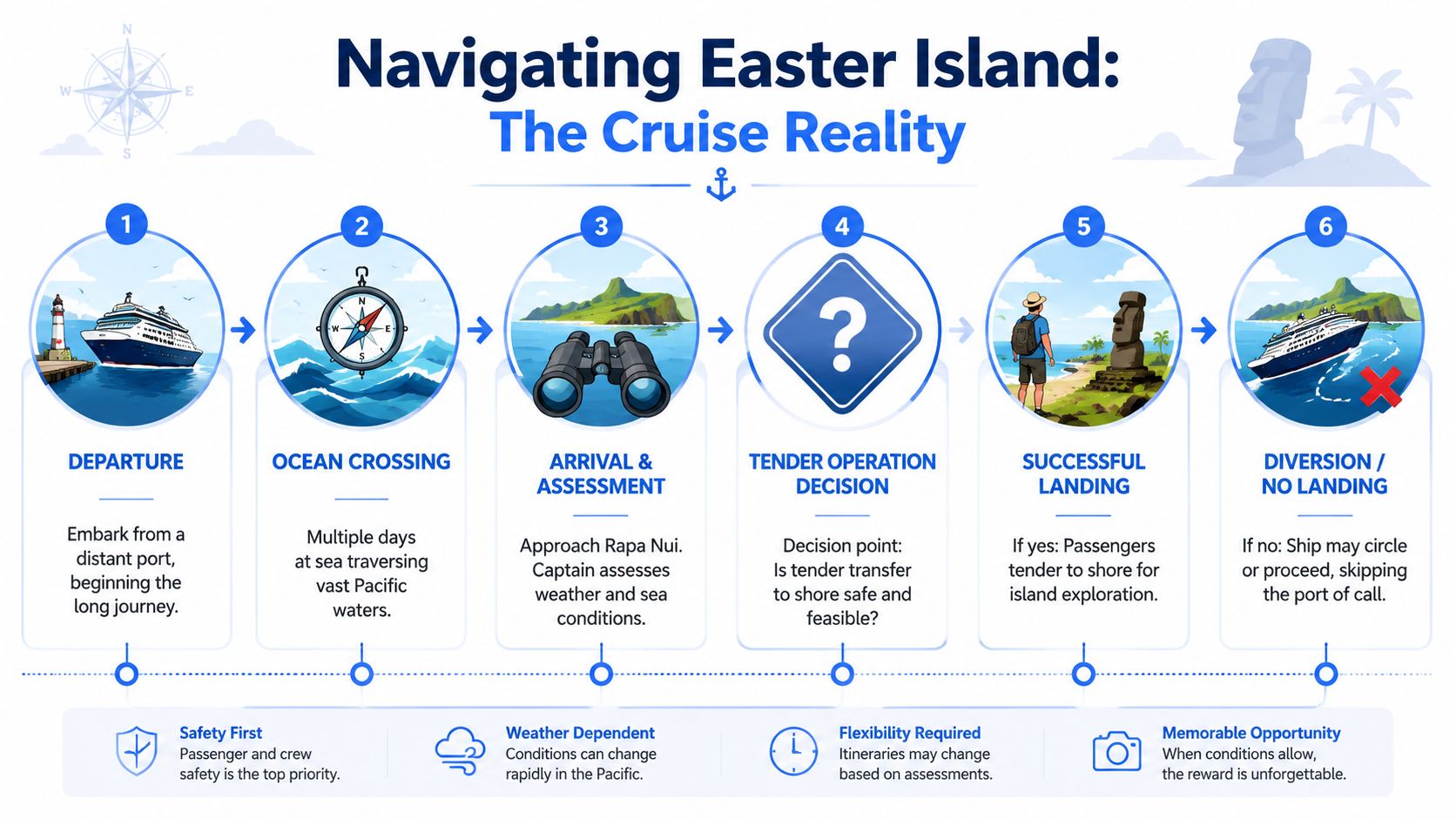
Your ship is anchored off Easter Island at sunrise. The moai are finally within reach. Then the day starts with a safety briefing, a wait for tender clearance, and a boat transfer that depends on swell, timing, and your ability to step onto a moving platform. That is the part cruise brochures soften, and it is the part that decides whether this call feels extraordinary or frustrating.
Easter Island is a tender port. Large cruise ships do not pull up to a conventional pier here. Guests go ashore by smaller boats, and that single operational detail shapes everything from comfort to timing.
What tendering actually means for you
Tendering sounds routine until you do it in open water at a remote island you crossed an ocean to reach. You are not walking down a stable gangway and starting your day on your own schedule. You are waiting for the ship to begin operations, boarding in sequence, managing ocean motion, and making another landing ashore before your touring even begins.
One firsthand account described the tender platform shifting by several feet during boarding, which is exactly why this port can be difficult for travelers with limited mobility or weak balance (tender boarding account).
That is why I advise clients to judge an Easter Island call by operations, not brochure language. Ship size matters. Tender experience matters. Shore-excursion organization matters. If you are still deciding between vessel types, start with this guide to the best small ship cruise lines for destination-focused itineraries and use tools that help you compare cruise ships before you commit.
The planning risk many travelers ignore
The biggest mistake is treating Rapa Nui like a guaranteed port day. It is not. Sea conditions can delay landings, shorten them, or cancel them.
That uncertainty is manageable if you book with the right mindset. It is expensive and disappointing if you build the entire voyage around one perfect day ashore and assume the island will cooperate on command.
My recommendation is blunt. If Easter Island is the emotional centerpiece of your trip, choose a cruise you would still value even if conditions interfere with this call. Better yet, consider whether a land-based stay belongs somewhere in your long-term travel plans if seeing the island properly matters more than seeing it from a ship itinerary. If this is a milestone trip for two and you want a different setting, I would also consider luxury honeymoon destinations in Africa before committing to a route.
Who should evaluate this carefully
Some travelers should pause before booking an Easter Island cruise call. This port is not ideal for everyone, and luxury pricing does not remove the physical realities.
Ask yourself these questions:
- Can you board a small boat in motion? Crew assist, but they cannot turn open-water tendering into a flat, fixed dock.
- Do step-across transfers or uneven footing create stress? Easter Island is not the place to test that for the first time.
- Will a weather-related missed call overshadow the rest of the voyage? If yes, a cruise may be the wrong format for this destination.
- Do you expect tight, predictable timing ashore? Limited shore time and tender logistics can compress the day quickly.
The best approach is simple. Treat landing on Rapa Nui as an opportunity, not an entitlement. Clients who understand that usually enjoy the island far more, because they arrive prepared for what this port is.
Choosing Your Easter Island Cruise Style
Not every easter island cruise should be judged by the same standard. Some travelers arrive on a massive world-cruise itinerary and are thrilled to see the island as one remarkable chapter in a much longer voyage. Others want Easter Island to feel like the point of the trip, not a collectible stamp.
Those are different goals. They call for different ships.
The two cruise models that matter
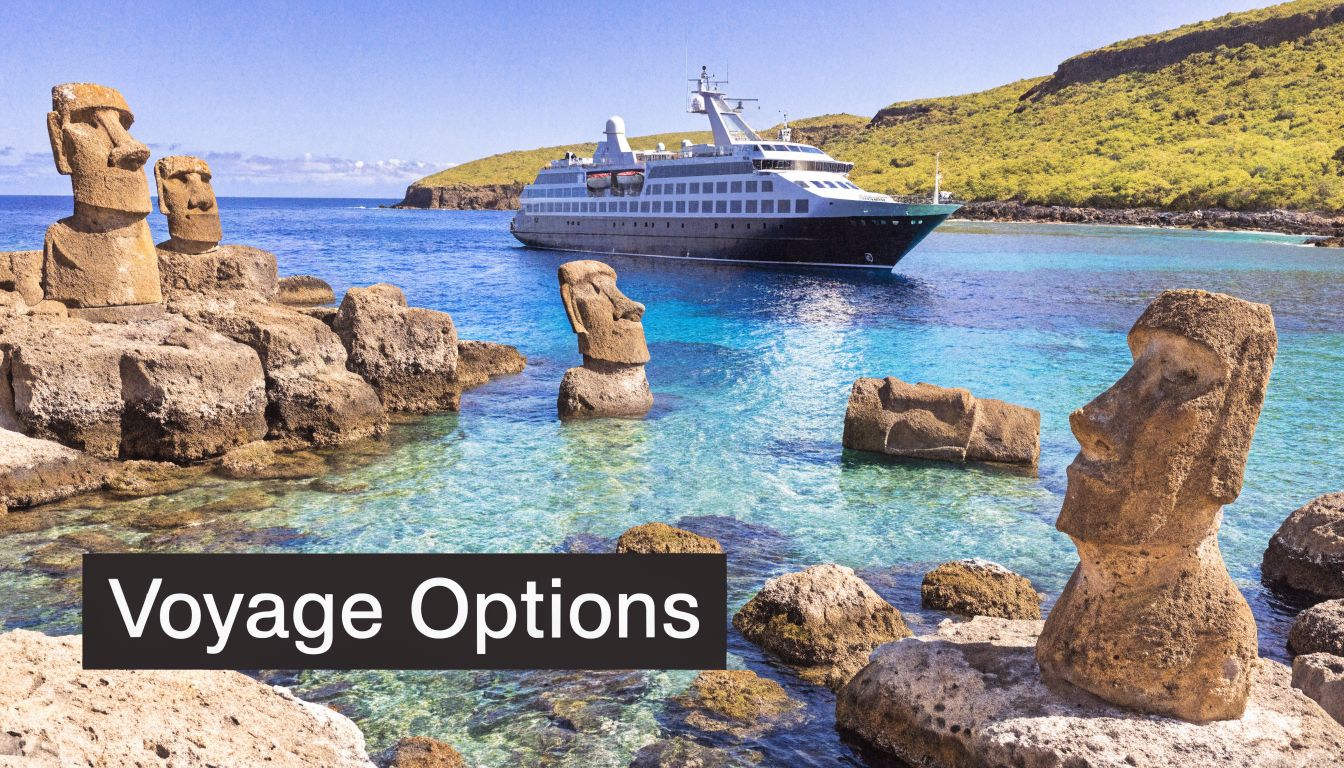
Expedition ships typically carry about 100 to 300 passengers and are built around exploration, lectures, and small-boat operations. Mainstream world-cruise liners often carry about 1,000 to 3,000 passengers and focus more heavily on onboard amenities and the broader voyage experience (ship size comparison).
Here's the difference that matters on Easter Island:
| Cruise style | Best for | Tradeoff |
|---|---|---|
| Expedition ship | Travelers who want a more focused destination experience | Less emphasis on big-ship entertainment |
| Mainstream world cruise | Travelers who want Easter Island as one stop on a grand voyage | Shore time can feel more structured and less flexible |
Smaller ships generally offer more time ashore and more flexibility in changing conditions. Larger ships usually make more sense for travelers who care just as much about the weeks before and after Easter Island as the island itself.
My opinion on who should choose what
If Easter Island is the headline, pick the smaller ship.
If your real dream is a sweeping Pacific or world cruise and Easter Island is one jewel among many, the larger ship can still work beautifully. Just don't convince yourself the experience onshore will feel equally intimate. It won't.
For travelers trying to compare cruise ships at a high level before narrowing the field, outside comparison tools can help you understand categories. Then the actual work begins, because the right fit comes down to itinerary design, operational style, and your tolerance for compromise.
The wrong ship can turn Easter Island into a rushed trophy stop. The right ship makes it feel earned.
What I'd recommend for luxury clients
I like expedition ships for this destination because the whole product is built around context. You're not just dropped at a famous place. You're prepared for it. Lectures, smaller groups, and a more exploration-driven onboard culture change the quality of the visit.
If you're still figuring out where small-ship cruising fits into your travel style, this guide to the best small ship cruise lines is a useful next read.
Choose the larger world-cruise route only if you want the full arc of the voyage. Do not choose it because you assume bigger means easier. On Easter Island, bigger often means less nimble.
Crafting The Perfect Onshore Experience
The biggest mistake I see is travelers obsessing over the site list and ignoring the sequence, pacing, and guide quality. Easter Island is not a destination where you should wing it once you get ashore. Limited time demands precision.
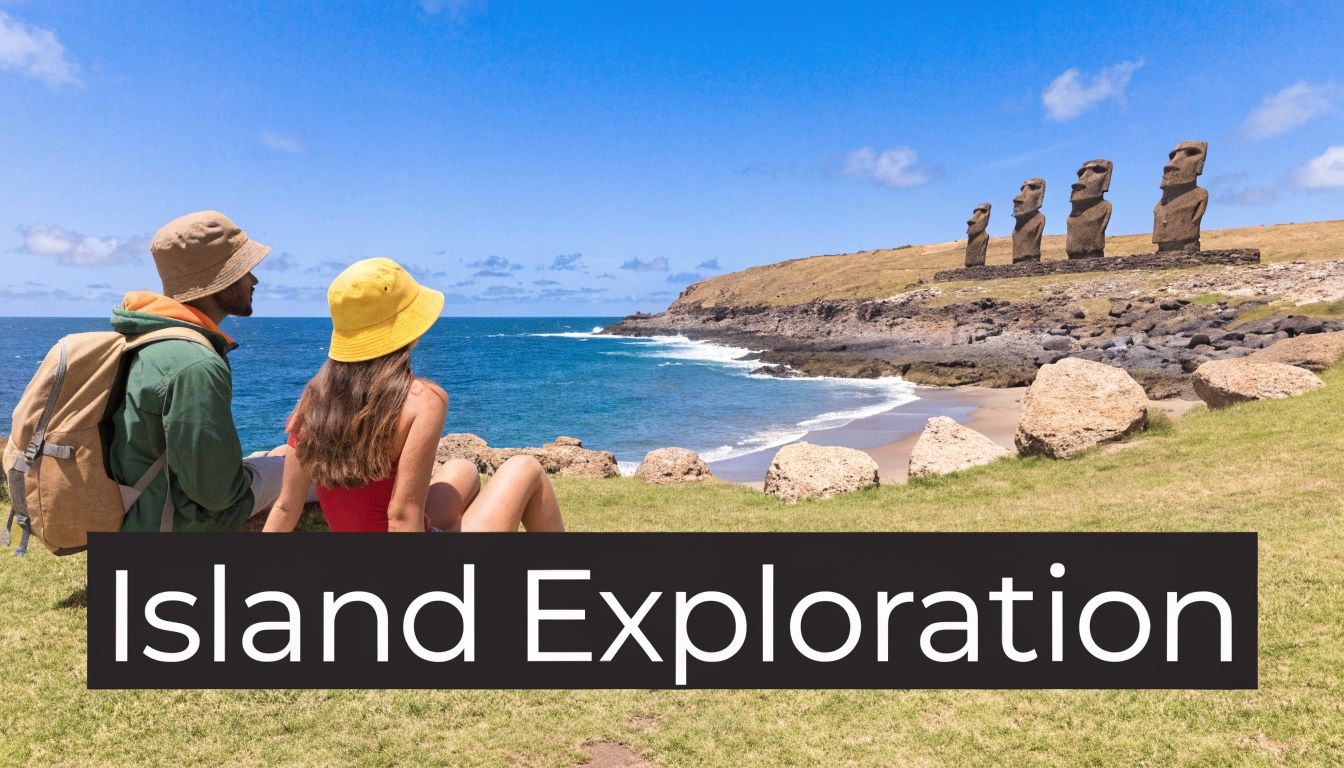
A cruise stop can absolutely be worthwhile. You can see major highlights such as Ahu Tongariki and Rano Kau, but the experience is shaped by logistics. The better way to think about it is that a cruise gives you a curated slice of the island's “open-air museum,” not the depth of a multi-night stay (port-day perspective).
What deserves priority
If I had one day and wanted the visit to feel coherent rather than scattered, I'd build around three anchors.
Rano Raraku is the emotional core. This is the quarry where many moai were carved, and it gives the statues context instead of leaving them as isolated photo subjects.
Ahu Tongariki delivers the cinematic payoff. Many travelers get the image they've carried for years from this very spot.
Orongo and the Rano Kau area round out the story. They shift the focus from statues alone to the island's wider ceremonial and cultural sphere.
That sequence works because it creates narrative. You're not just checking landmarks. You're understanding how they connect.
How to use limited shore time well
The best Easter Island port days are disciplined.
Use this approach:
- Book a serious guide, not just transportation. You need interpretation, not a driver with a stopwatch.
- Avoid the giant bus mentality. Smaller-group touring gives you breathing room and a better chance at meaningful time at key viewpoints.
- Accept that you won't see everything. Chasing too many stops usually cheapens the experience.
- Prioritize site order and timing. Smart sequencing matters almost as much as the sites themselves.
- Leave margin for tender timing. A rigid plan falls apart fast if disembarkation runs slower than expected.
If you want a fuller sense of what belongs on a thoughtful land itinerary, this guide to things to do in Easter Island Chile is helpful.
One excellent day on Easter Island beats one frantic day trying to prove you saw it all.
Is one day enough
Enough for what? That is indeed the question.
If your goal is to stand in front of the moai, understand the broad historical arc, and leave feeling you touched a place of real significance, yes, one day can be enough. It can be moving. It can absolutely justify the stop.
If your goal is immersion, slow photography, repeat visits at different light, deeper local interaction, and the freedom to linger, no. A cruise call won't replace a land stay.
That's not a flaw. It's just the truth. The right traveler doesn't need a cruise stop to be everything. They need it to be memorable, well-paced, and worth the effort.
Planning Your Voyage Logistics and Timing
You do not want this trip to begin with a missed connection in Santiago, a rushed embarkation, or luggage that arrives after the ship sails. Easter Island cruise planning succeeds or fails before you ever see a moai.
Start with the full travel chain and build backward from embarkation. Choose the sailing first only if you are also prepared to design the flights, recovery time, hotel nights, transfers, and post-cruise plans around it. Rapa Nui is remote, and cruises that call there are usually attached to longer Pacific itineraries with little room for sloppy timing.
Timing needs more cushion than usual
Give yourself a pre-cruise buffer. I recommend arriving at least one night early in the embarkation city, and often two on more complicated routings. That extra time protects you from delayed bags, tired decision-making, and the miserable feeling of starting a major trip already behind.
Your flight plan should be boring. Fewer connections usually beat a cheaper fare with tight transit windows. On a trip like this, reliability matters more than squeezing out a small savings. If you are piecing together air on a complex itinerary, these tips for booking international flights are worth using before you ticket anything.
Leave flexibility at the end too. If the sailing ends in a gateway city you do not know well, or if onward flights are limited, a post-cruise overnight can save a lot of stress.
Budget reality
This trip sits in the premium category for good reason. Distance drives cost. So does itinerary length. So does the type of ship.
Here is what usually moves the price most:
| Factor | Why it changes the price |
|---|---|
| Ship type | Expedition vessels, luxury small ships, and world-cruise style itineraries price very differently |
| Suite category | Cabin comfort matters more on long sailings than it does on a short Caribbean cruise |
| Itinerary length | Easter Island is rarely a standalone cruise stop. It is part of a broader Pacific route |
| Air arrangements | Long-haul flights, regional connections, and schedule protection add cost fast |
Spend where it protects the trip. A well-located suite, smart air routing, and extra hotel nights usually do more for your experience than splurging on every flashy upgrade in the brochure.
Plan for friction, then reduce it
Luxury travelers often assume a high fare removes logistical headaches. It does not. It should improve the shipboard experience and service standard, but it does not change the basic reality of remote cruising. Weather shifts. Flight schedules change. Tender operations can affect the day. Limited port infrastructure means your margin matters.
That is why I plan these voyages with slack built in. The goal is not to make the trip feel overengineered. The goal is to protect a rare, expensive journey from preventable problems.
The right mindset
Treat this as a major remote voyage with luxury elements, not a standard luxury cruise that happens to include Easter Island. That expectation will lead you to better decisions on flights, hotel nights, cabin selection, and pacing.
Do that, and the trip feels smooth where it should. It still feels adventurous, which is part of the point.
How an Advisor Elevates Your Easter Island Journey
You finally reach Rapa Nui after days at sea, only to find that the key question was never whether your ship included Easter Island. It was whether you chose the right ship, the right pace, and the right plan for a port call that can feel extraordinary or frustrating depending on the details.
That is why expert planning matters here. Easter Island is not a plug-and-play luxury cruise stop. It is a remote, weather-sensitive call with tender operations, limited time ashore, and very different experiences depending on the vessel and the excursion setup.
Mobility often decides the trip more than travelers expect. If stepping into a moving tender sounds stressful, that concern needs to be addressed before booking, not after final payment. I treat that as a trip-design issue, not a minor footnote.
What expert planning actually changes
A strong advisor does more than secure a cabin. The job is to test the trip against your expectations and catch the weak points early.
That includes:
- Matching the ship to your priorities: Smaller expedition vessels and larger cruise ships deliver very different Easter Island experiences.
- Screening for tender practicality: This matters for travelers with balance concerns, limited mobility, or low tolerance for a physically awkward transfer.
- Choosing the right stateroom strategy: On a long Pacific itinerary, cabin location, size, and comfort affect the entire voyage.
- Shaping a smarter port day: The goal is not to cram in every stop. The goal is to use limited shore time well and avoid wasted motion.
- Building the full trip as one plan: Cruise, flights, hotel nights, transfers, and recovery time need to work together.
The costliest mistake on an Easter Island cruise is usually not paying too much. It is booking a version of the trip that does not fit how you actually travel.
Why credentials matter here
Cruise specialization counts on an itinerary like this. A CLIA Accredited Cruise Counselor understands ship differences, cabin tradeoffs, tender operations, and the practical questions that do not show up in glossy marketing copy.
That matters because Easter Island attracts travelers with big expectations. Fair enough. It is a bucket-list destination. But high expectations need disciplined planning. The right advisor helps you choose a voyage that fits your tolerance for uncertainty, your desired level of comfort, and your real goal for the island itself.
I work with clients nationwide through virtual consultations, and this is exactly the kind of trip that benefits from close planning and blunt advice. You should not have to sort through tender limitations, vessel styles, and Pacific air logistics on your own.
Frequently Asked Questions About Easter Island Cruises
Is Easter Island worth visiting on a cruise
Yes, if you accept the format for what it is. A cruise stop gives you a meaningful, high-impact introduction to Rapa Nui. It does not replace a slower land-based stay.
Can you miss the port because of weather
Yes. Easter Island is weather-sensitive because ships typically rely on tender operations rather than simple pier docking. That possibility should be part of your decision from the beginning, not a surprise.
Are Easter Island cruises good for travelers with mobility concerns
Sometimes, but not automatically. The tender transfer can be the hardest part of the day. If mobility, balance, or step-across transfers are an issue, you need to verify details before booking.
Should I choose a small expedition ship or a larger cruise ship
If Easter Island is a major reason for the trip, I usually prefer the smaller expedition model. If you want the island as one highlight on a sweeping longer voyage, a larger ship can make sense.
Is one day enough on Easter Island
It's enough for a strong introduction and major highlights. It is not enough for full immersion. If your dream involves depth, repeat site visits, and unhurried exploration, add a land stay instead of relying only on a cruise call.
What should I prioritize for the best port day
Prioritize a quality guide, realistic pacing, and a plan centered on major sites rather than too many stops. On Easter Island, thoughtful curation beats volume every time.
If Easter Island has been on your list for years, don't leave a trip this complex to guesswork. Plan my luxury trip with Explore Effortlessly for personalized cruise guidance, smooth logistics, and a smarter strategy for one of the most remote cruise destinations in the world.
Hi, I'm Karrah, owner, founder, and lead travel advisor at Explore Effortlessly, a luxury award winning travel agency based in Miami.
I specialize in designing bespoke, high touch itineraries to bucket list destinations around the world. Every trip is curated with intention, insight, and smooth logistics from start to finish.
From luxury cruises and private villas to honeymoons, safaris, and once in a lifetime journeys, my role is to simplify the planning process while elevating every detail.
Join the newsletter for more luxury travel insight and destination inspiration through the Explore Effortlessly newsletter.