You’re probably here because Easter Island has been sitting on your bucket list for years, but every time you start planning, the same questions stop you. How do you get there without wasting days in transit? Which moai sites are worth your time? And how do you experience Rapa Nui in a way that feels meaningful, not rushed, crowded, or generic?
That hesitation makes sense. Rapa Nui is the world’s most remote inhabited island, located 3,700 kilometers from mainland Chile and spanning 16,628 hectares, with Rapa Nui National Park covering about 7,000 hectares. It’s extraordinary, but it’s not a destination to approach casually. The island’s scale, protected sites, limited access, and living cultural traditions all reward careful planning.
The best things to do in easter island chile aren’t just about checking off Ahu Tongariki or watching one sunrise. They’re about how you move through the island. Timing matters. Guides matter. Pacing matters. So does understanding that this is a place of deep cultural importance, not an open-air photo set. If you love island landscapes but want a different cultural trip, my Jeju Island experiences and sights guide offers another direction to explore.
As a luxury travel advisor, I curate Easter Island journeys for travelers who want the experience to feel effortless from the first flight to the final dinner. That means handling park logistics, matching you with exceptional private guides, building in quiet time between archaeological sites, and designing access that feels personal rather than mass market.
Key Takeaways for Your Easter Island Journey:
- Prioritize private guidance: The right guide turns a dramatic setting into a story you’ll understand and remember.
- Treat logistics seriously: Easter Island is reached primarily by air, and planning around flights, transfers, and protected-site rules is essential.
- Choose timing with intention: Early starts, shoulder periods, and private touring create a calmer, more enhanced experience.
- Balance archaeology with atmosphere: The strongest itineraries pair moai exploration with hikes, culture, dining, and downtime.
As we explore these experiences, remember that this level of curated travel is what I specialize in. For a deeper look at my approach, you can explore my luxury travel planning services.
1. Ahu and Moai Exploration at the Island’s Essential Sites
Your first full day on Rapa Nui should start before the island fully wakes, with a private guide, a driver who knows the timing, and a route built around the sites that matter most. This is the defining experience here. Done well, it feels calm, focused, and far more revealing than the standard circuit built for group vans and rushed photo stops.
Ahu Tongariki deserves pride of place. The restored line of moai has the scale people come for, but its primary value is context. With the right guide, you understand what you are looking at, how restoration changed the site, and why etiquette matters as much as photography. I always pair it with Rano Raraku, because seeing the ceremonial platform and then the quarry gives the statues a full narrative arc.
Rano Raraku leaves the deepest impression. The quarry is unfinished, ambitious, and slightly haunting. You see moai still embedded in the slope, others abandoned in different stages, and the site itself explains production better than any museum label could. This is the stop that separates a superficial visit from one that provides genuine insight.
Anakena changes the tone in the right way. After the darker volcanic terrain and concentrated archaeological focus of the morning, the coast feels open and lighter. It also adds historical depth, especially for travelers who want more than monument viewing. The setting helps connect settlement, ceremony, and geography in a way that feels immediate.
If you want the day to feel polished rather than pieced together, book one of these bespoke Easter Island travel experiences with park logistics, pacing, and guide quality handled properly from the start.
Practical rule: Go to Rano Raraku early. The light is cleaner, the walking is more comfortable, and the site still holds some quiet.
A well-built private circuit usually includes:
- Ahu Tongariki: Best for scale, sunrise or early-morning light, and a strong introduction to the island’s ceremonial architecture.
- Rano Raraku: Best for understanding how the moai were carved, staged, and left behind.
- Anakena: Best for a softer final stop with historical weight and a beautiful coastal setting.
- Papa Vaka: Best for adding petroglyphs and maritime symbolism without turning the day into a checklist.
Keep the schedule disciplined. Four sites with proper time is smarter than chasing every named stop on the map. Rapa Nui rewards travelers who go deeper, ask better questions, and let an expert shape the day around access, timing, and cultural respect.
2. Private Guided Hiking Across Craters, Cliffs, and Quiet Coastal Trails
Easter Island isn’t only a drive-and-stop destination. Some of the most memorable hours happen on foot, when the wind, volcanic terrain, and ocean views start to connect the archaeological sites into one coherent whole. If you’re choosing among the best things to do in easter island chile, a private hike should be near the top.
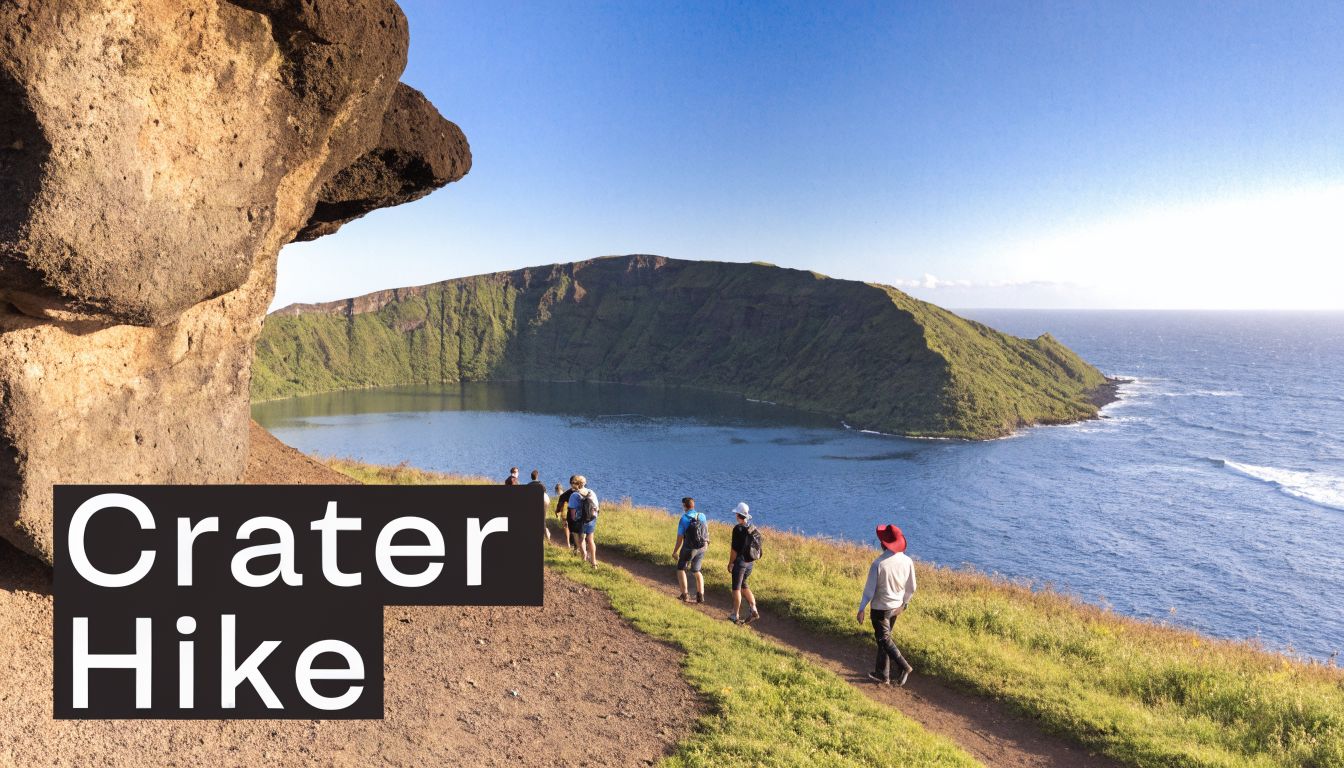
Rano Kau is the hike I recommend most often. The crater’s scale is dramatic, and the nearby ceremonial village of Orongo gives the route a strong cultural payoff. You’re not just walking for views. You’re moving through a place that helps explain the Birdman tradition and the island’s spiritual geography.
Hikes worth planning around
For travelers who like moderate activity, a crater-and-Orongo morning works beautifully. It gives you a sense of terrain without requiring a full-day athletic push. Coastal walks are also excellent, especially for couples who want quieter stretches between major monuments.
I custom-build these walks around energy and interest. Some clients want an archaeologist-led route with frequent stops and discussion. Others want a fitter, cleaner pace with a guide who can keep the storytelling concise and the route scenic.
The best private hikes on Rapa Nui feel less like exercise and more like access.
If you want a journey designed around your pace, preferences, and tolerance for logistics, my approach to bespoke travel experiences is exactly what makes a remote island like this feel easy.
A few planning notes matter:
- Start early: Morning conditions are usually more comfortable for exposed trails.
- Pair terrain with transport: Some routes work best with a driver meeting you at the end rather than returning the same way.
- Choose the right guide: A hiking guide with cultural depth is far better here than a generic outdoors guide.
- Pack for exposure: Sun, wind, and volcanic ground can all feel more intense than travelers expect.
A well-planned hiking day gives Easter Island texture. You stop seeing it as a series of famous stops and start experiencing it as a living volcanic world shaped by ceremony, navigation, and isolation.
3. Exclusive Cultural Experiences Rooted in Living Rapa Nui Tradition
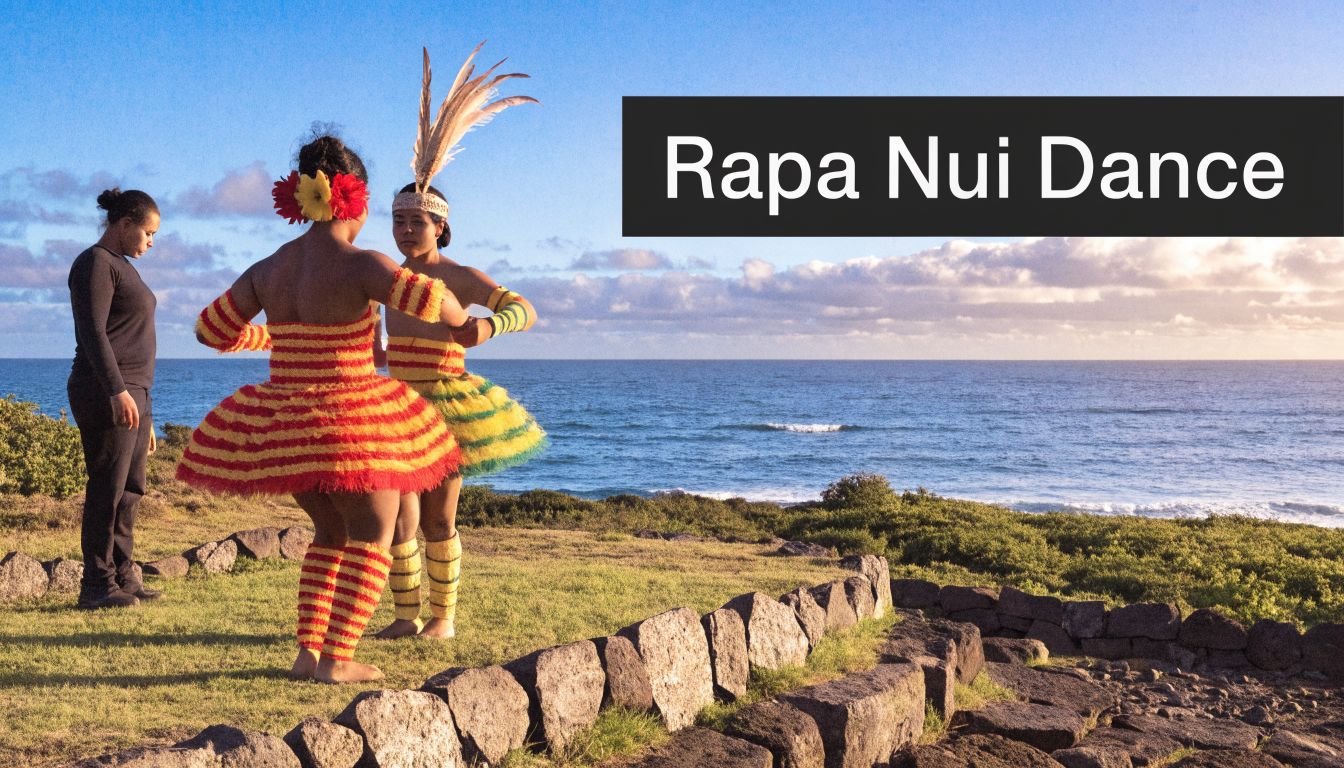
You’re not coming to Rapa Nui for a generic Polynesian stage show after a day of sightseeing. You’re here to meet a living culture with its own language, family networks, artistic traditions, and strong sense of place. Build time for that deliberately, or you miss the island’s modern soul.
Rapa Nui’s history with Chile shapes daily life on the island, but the cultural experience that matters to travelers is present tense. The most rewarding encounters are not polished re-creations for passing visitors. They come from spending time with people who are actively preserving, performing, teaching, carving, cooking, and explaining what their heritage means now.
What to book instead of a standard tourist performance
Choose cultural access with interpretation built in. A private dance or music presentation becomes far more memorable when someone explains the meaning of the movements, the role of chant, the significance of adornment, and the family connections behind the performance. The same standard applies to artisan visits and hosted meals. Without context, you’re watching. With it, you’re actually learning.
If you value heritage travel that feels specific to one community rather than packaged for mass tourism, the cultural depth that draws travelers to the Mongolia Eagle Festival and other tradition-led journeys is a useful comparison. Rapa Nui delivers that same level of identity and continuity, but only if the right introductions are made.
I recommend four formats again and again:
- Private dance and music sessions with commentary: Best for travelers who want performance and explanation in the same sitting.
- Studio or workshop visits with local artists: Better than buying from a general souvenir stop because you understand the symbolism, process, and person behind the work.
- Family-hosted meals or small gatherings: The strongest option for hearing how people talk about the island now, not just how guides describe its past.
- Festival-timed travel: Worth planning far ahead if culture is your priority and your dates can stay flexible.
Ask for interpretation. Ask who will host. Ask how personal the encounter will feel.
The difference between a meaningful cultural experience and a staged one usually comes down to introductions, timing, and trust. A well-connected advisor can arrange the kind of access that feels respectful, informed, and worth your time.
4. Private Beach Days at Anakena and Along the Coast
By the time you reach Anakena after a few days of early starts, moai sites, and wind-exposed viewpoints, a well-planned beach day feels less like idle time and more like smart itinerary design. I recommend building one in on purpose. Rapa Nui has very few places where you can properly slow down without losing the sense of place that brought you here.
Anakena is the clear first choice. The setting is beautiful, the swimming is gentler than much of the island’s coast, and the surrounding archaeology keeps the day rooted in Rapa Nui rather than turning it into generic tropical downtime. Done properly, this is not a loose afternoon with towels and snacks. It is a private coastal interlude with the right timing, shade, food, and transport already handled.
The best version is simple. Arrive before the busiest part of the day, settle into a reserved setup, swim while conditions are calm, and have lunch ready before anyone starts making last-minute decisions in the sun.
Ovahe is the alternative for travelers who care more about drama and privacy than convenience. It feels wilder and more secluded, with a striking backdrop that photographs beautifully. I use it selectively, because access and conditions matter more here, but for the right client it can be the stronger choice.
A strong coastal day usually includes:
- An early start at Anakena: Better light, fewer people, and a more relaxed pace.
- A proper private setup: Shade, towels, drinks, and someone else handling the details.
- A planned lunch: A curated picnic or catered meal beats improvising on the beach every time.
- A coastal stop with context: One nearby site or viewpoint keeps the day connected to the island’s story.
- A driver on call: The weather, the wind, and your energy can shift quickly.
In these circumstances, high-touch planning matters. Easter Island is remote, services are limited, and beach infrastructure is not built around luxury travelers who expect everything to appear on demand. If you want comfort without fuss, arrange it in advance. That same logic applies in other heritage destinations where logistics shape the experience, including private luxury travel to Machu Picchu.
I often tell clients to protect one low-pressure day on Rapa Nui and refuse the urge to fill it. They rarely regret the beach day. They often regret over-scheduling the island.
If your instinct is to keep moving, book Anakena anyway. It will improve the whole trip.
5. Private Archaeological Touring with a Serious Expert
Book one day with a real archaeological specialist, and Easter Island stops being a series of photo stops. It becomes a place with chronology, political tension, engineering logic, and living cultural weight. For travelers who care about meaning, this is one of the best uses of private touring on Rapa Nui.
The difference is obvious within the first hour. A standard guide gives you names, dates, and a few familiar theories. A serious expert explains how quarrying decisions shaped transport, why certain ahu were built where they were, how ritual geography connects one site to another, and which interpretations still divide researchers. That level of context changes everything.
I arrange these days for clients who want more than a pleasant overview. They want access to someone who can answer real questions and adapt the route around their interests, whether that means statue carving techniques, settlement patterns, ceremony, or the island’s long and often oversimplified history. You are not buying more facts. You are buying better judgment.
This matters even more if you have already traveled well in the Andes or elsewhere in Polynesia. Rapa Nui rewards the same kind of careful pacing and expert interpretation that define outstanding private luxury travel to Machu Picchu, but the atmosphere here is quieter, more remote, and far harder to arrange well without the right local contacts.
A well-designed archaeology day usually includes:
- A proper briefing before the first stop: You need a clear historical framework before the sites start blending together.
- A tightly chosen route: Two or three well-paired locations with strong interpretation are better than racing across the island.
- Time with collections or replicas when useful: Context indoors often sharpens what you notice outside.
- Room for discussion: Curious travelers need a guide who welcomes questions and can answer beyond a memorized script.
The island’s story also deserves discipline. Too many tours flatten it into collapse mythology or mystery-driven trivia. A better expert treats the record with care, explains what scholars broadly agree on, points out what remains contested, and places archaeological remains within a culture that is still present, not frozen in the past.
That is the standard to book. If archaeology is one of the reasons you came, do not settle for a generic island circuit with light commentary. Hire the person who can explain what you are seeing, why it mattered, and why Rapa Nui still holds the attention of serious scholars.
6. Sunset at Orongo and Stargazing Under Southern Skies
Some destinations promise a good sunset. Easter Island delivers the kind of sunset that changes the pace of your entire day. Orongo is where I send clients for that moment, because the setting combines sea cliffs, ceremonial significance, and a horizon that feels almost impossibly open.
The island’s remoteness does the work here. Easter Island is described by UNESCO as the world’s most remote inhabited island, and that isolation gives nighttime an unusual clarity of mood as much as sky. Once the crowds thin and the light starts dropping, the island becomes quieter, more reflective, and far more atmospheric.

Build the evening properly
Don’t treat this like a casual drive-up stop. The best version is a private evening with timed arrival, a guide who understands the site’s significance, and enough flexibility to linger. Add light refreshments, a photographer if you value images, and a driver so no one is watching the clock.
After sunset, shift into stargazing. This doesn’t need to be overly technical to be memorable. A skilled guide can connect the sky to Polynesian navigation traditions and make the evening feel tied to place rather than generic astronomy.
A well-run evening looks like this:
- Late-day site arrival: Gives you time to walk and settle before the light changes.
- Cultural framing: Important at Orongo, where the Birdman tradition shapes the experience.
- Post-sunset pause: The color often lingers beautifully after the sun has dropped.
- Night-sky interpretation: Best when it includes ancestral wayfinding, not just constellations.
“If you only schedule sunset and leave immediately after, you miss half the magic.”
This is one of the most romantic experiences on the island. It’s also one of the easiest to get wrong if you rely on a rushed group format.
7. Wellness and Slow Luxury in a Place Built for Reset
You arrive on Rapa Nui after a long flight chain, a time change, and the mental noise that usually follows successful, overbooked lives. The right move is not to cram every hour. It is to use the island for what it does best. Reset your pace, protect your energy, and make room for the place to register.
Rapa Nui rewards travelers who build in margin. A private massage after a demanding hike, a sunrise movement session facing the sea, a long lunch that turns into an afternoon off, or one evening with nothing scheduled except dinner and sleep. Those choices improve the trip more than one extra stop squeezed into an already full day.
This part of the itinerary should feel deliberate.
The travelers who need this most are often the least likely to ask for it. Executives, founders, and high-output couples tend to chase efficiency. On Easter Island, efficiency means pacing the trip properly. Put your most demanding archaeological day beside a lighter coastal afternoon. Follow an early start with a slower evening. Keep one block of open time every day so the experience never feels overmanaged.
That is where luxury shows up in a meaningful way. It is not about turning the island into a generic wellness retreat. It is about giving yourself privacy, rest, and the kind of schedule that lets the island feel restorative instead of extractive.
I recommend building this section of the trip around a few smart choices:
- Private bodywork or in-room treatments: Best scheduled after arrival, after a long hike, or before departure.
- Guided yoga or movement sessions: Strongest at sunrise or late afternoon, when the light and temperature are on your side.
- Protected downtime: Leave at least one afternoon lightly scheduled or fully open.
- Thoughtful pacing across the full stay: The itinerary itself often determines whether you leave restored or depleted.
The island also suits this style of travel especially well. Accommodations tend to work best for couples and small private groups, which makes quiet time, personalized service, and slower mornings much easier to arrange than on a busier resort island.
A trip this remote should send you home clearer, calmer, and properly rested. If your Easter Island plan leaves you exhausted, the plan is wrong.
8. Premium Dining with Rapa Nui Flavor and Better Context
Book dinner on Easter Island with the same care you give your guiding. The right meal adds context to the island. The wrong one is just a table with a view.
Rapa Nui rewards travelers who treat dining as part of the cultural program, not a gap between excursions. The island’s best meals are usually tied to family knowledge, local seafood, traditional preparation, and hosts who can explain what you are eating and why it matters. That context is the difference between a pleasant dinner and one of the most memorable nights of the trip.
I recommend a two-part strategy. Reserve one polished restaurant evening for setting, service, and a stronger wine list. Then arrange one hosted or semi-private traditional meal with real interpretation. That combination gives you range and keeps the dining side of the trip from feeling generic.
The meal worth planning farthest in advance is an umu-style experience done properly. You want more than the food. You want a host who walks you through ingredients, preparation, family customs, and the place of the meal within living Rapa Nui culture. Private access or a small-format setting improves the experience considerably.
A strong dining plan usually includes:
- A family-hosted traditional meal: Best for cultural depth and conversation.
- A refined chef-led dinner: Best for a celebratory night with stronger presentation.
- A well-timed lunch between touring blocks: Best for keeping long sightseeing days comfortable and well paced.
- Dietary requests arranged early: Best for avoiding limited last-minute options on a remote island.
Timing matters here. Chile has seen a strong rebound in visitor demand, with more than 3.1 million international arrivals recorded in the first half of 2025. On Easter Island, that pressure shows up quickly in the best tables, the best hosts, and the ability to secure a dinner that feels private rather than improvised.
I also advise matching meals to the shape of the day. After a long archaeological circuit, choose a quieter dinner with less transit and a later start. After a slower beach afternoon, use the evening for your more ambitious reservation. Good planning makes dining feel easy and intentional.
On Rapa Nui, dinner should carry the story forward. It should give you better food, better access, and a clearer sense of the island than you had that morning.
Easter Island: 8-Activity Comparison
| Item | Implementation Complexity | Resources & Prep | Expected Outcomes | Ideal Use Cases | Key Advantages |
|---|---|---|---|---|---|
| Ahu and Moai Exploration: Ancient Archaeological Sites | Moderate, walking/hiking, park ticket required; guided-tour logistics | Rapa Nui Park ticket (~$80–100), comfortable footwear, sun protection; book private guides for best timing | High cultural immersion, iconic photography, broad historical understanding | Busy professionals, families, couples seeking dramatic photos | Iconic UNESCO sites and broad educational value |
| Private Guided Hiking: Craters, Coves, and Coastal Walks | High, uneven volcanic terrain, fitness-dependent, tailored routes | Private guide, transport arrangements, 2+ liters water per person, book 1–2 weeks ahead | Active exploration, panoramic views, fewer crowds, photography opportunities | Active travelers, outdoor families, adventure-seeking couples | Fully customizable routes and superior vantage points |
| Exclusive Cultural Experiences: Traditional Rapa Nui Ceremonies and Performances | Moderate–High, timing-sensitive (festivals), advance coordination needed | Book 4–6 weeks ahead for private access; translation support may be required | Deep cultural connection, support for local artisans, meaningful memories | Cultural enthusiasts, couples, families, solo travelers seeking authentic engagement | Direct engagement with descendants and living traditions |
| Private Beach Days and Water Activities: Anakena, Ovahe, and Coastal Luxury | Low–Moderate, simple setup via concierge, weather/tide dependent | Private cabana/water-sports rental, wetsuits/rash guards, morning scheduling to avoid wind | Relaxation, safe water recreation, coastal photography, flexible pacing | Busy professionals, couples, families, wellness travelers | Private, customizable beach experiences with cultural access |
| Private Archaeological Tours with Expert Historians: Deep-Dive Cultural Learning | High, specialist coordination, academic scheduling constraints | Significant advance booking (6–8 weeks), premium fees, pre-visit reading and possible translation | Academic enrichment, exclusive research access, nuanced historical interpretation | Academics, researchers, history enthusiasts, intellectually curious travelers | Access to curators, ongoing research, and behind-the-scenes sites |
| Sunset and Stargazing Experiences: Orongo Platform and Dark Sky Astronomy | Moderate, weather-dependent, evening logistics and comfort needs | Concierge timing, warm layers, telescope/photography gear optional, flexible vehicle access | Memorable sunset/stargazing sessions, cultural navigation education, strong photo moments | Romantic couples, astronomers, professional photographers, families with older kids | Exceptional dark-sky viewing with dramatic archaeological backdrops |
| Wellness Retreats and Luxury Spa Integration: Rejuvenation with Cultural Context | Moderate–High, bespoke programming, limited local infrastructure | Book 6–8 weeks ahead, coordinate nutrition and therapists, integrate activities with lodging | Rejuvenation, stress reduction, personalized wellness plans with cultural elements | High-performing professionals, wellness-focused travelers, couples | Holistic programs combining spa, yoga, and cultural practices |
| Premium Dining Experiences: Traditional and Contemporary Rapa Nui Cuisine | Moderate, limited venues, ingredient seasonality, advance booking | Reserve 4–6 weeks ahead for umu or private chef; accommodate dietary needs; expect variable menus | Authentic culinary insight, sensory cultural storytelling, memorable private meals | Culinary enthusiasts, couples celebrating, families seeking gastronomy | Unique umu feasts and farm-to-table island cuisine with cultural context |
Designing Your Effortless Easter Island Journey
Easter Island is one of those rare places that fully deserves its mystique. The island’s isolation, its monumental stone figures, and its living Rapa Nui culture create a destination that feels unlike anywhere else in South America. But this is exactly why it needs to be planned with care. A rushed, generic itinerary turns an extraordinary trip into a sequence of van stops. A well-designed one creates space for awe, context, privacy, and ease.
That starts with logistics. Tourism has grown significantly on the island, with arrivals rising from 17,305 in 2002 to 65,065 in 2014, and the research notes over 100,000 annual visitors today. At the same time, the island remains physically small and operationally limited. That combination is exactly why clients benefit from advisor-led planning. You need flights that align properly, guides booked well ahead, realistic daily pacing, and a structure that respects park rules and cultural protocols.
It also starts with intention. Easter Island can be romantic, intellectual, restorative, adventurous, or all four if your itinerary is built thoughtfully. Honeymooners often want sunrise or sunset moments, private dining, and slower afternoons. History-focused travelers need serious guide quality and site sequencing that builds understanding over time. Families need a rhythm that balances education with breathing room. None of that happens well with a copy-and-paste itinerary.
The strongest journeys also account for seasonality. AirROI’s market data for the island shows clear seasonal patterns, with January through March as the peak period at average monthly revenue of $1,539, 48.5 percent occupancy, and a $122 daily rate, compared with shoulder-season averages of $1,270 revenue, 44.0 percent occupancy, and $112 daily rates. You don’t need to memorize those figures. You just need to understand the practical takeaway. Timing affects availability, value, crowd levels, and the feel of the trip.
I also plan Easter Island with a strong awareness of sustainability and visitor pressure. The island’s population and infrastructure are under real strain from tourism growth, and thoughtful travelers should approach Rapa Nui respectfully. That means choosing lower-impact pacing, prioritizing local cultural engagement over rushed consumption, and building around quality rather than volume. It also means understanding that access rules exist for a reason.
When you work with me, I help you cut through the noise and shape the trip around what matters most to you. I coordinate the flights, accommodation strategy, site pacing, private touring, dining, and the small details that make a remote journey feel polished rather than complicated. My clients don’t come to me because they can’t search online. They come to me because they don’t want to spend weeks piecing together a high-stakes trip to one of the world’s most remote islands and hoping it all works.
Ready to explore the mysteries of Rapa Nui without the stress of planning? Let’s design your journey together.
Your Easter Island Questions, Answered
What is the best time of year to visit Easter Island?
I usually recommend shoulder periods for travelers who want a calmer experience, better pacing, and more flexibility with guides. Peak demand tends to cluster in the first part of the year, so the ideal timing depends on whether you prioritize energy and festival atmosphere or a quieter rhythm.
How many days do I need on Easter Island?
For most luxury travelers, I recommend enough time to include the major archaeological sites, one hiking or coastal day, one cultural experience, and some true downtime. Rapa Nui is too special to reduce to a rushed overnight extension from Santiago.
Do I need a guide on Easter Island?
Yes, especially if you care about meaning, context, and smooth logistics. A high-quality private guide doesn’t just explain what you’re seeing. They shape timing, protect the flow of the day, and deepen your understanding of the island’s history and living culture.
What kind of travelers is Easter Island best for?
It’s excellent for couples, honeymooners, culturally curious travelers, solo travelers who want a highly curated experience, and families with older children who’ll appreciate the history and scenery. It’s not a destination I’d plan as a purely passive beach escape.
About the Author
Hi, I’m Karrah, owner, founder, and lead travel advisor at Explore Effortlessly, a luxury award winning travel agency based in Miami.
I specialize in designing bespoke, high touch itineraries to bucket list destinations around the world. Every trip is curated with intention, insight, and expertly arranged logistics from start to finish.
From luxury cruises and private villas to honeymoons, safaris, and once in a lifetime journeys, my role is to simplify the planning process while elevating every detail.
As a Circle of Excellence Advisor and a CLIA Accredited Cruise Counselor, I work with clients nationwide through virtual consultations to bring their most ambitious travel dreams to life.
Stay Inspired
Join my newsletter for exclusive travel insights, destination inspiration, and special offers delivered straight to your inbox.
If Easter Island has been on your list for years, let’s make sure you experience it properly. I design high-touch Rapa Nui itineraries with private guides, smart flight strategy, premium accommodations, and efficient day-by-day planning so you can just arrive and take it all in. Start with Explore Effortlessly and plan my luxury trip.