You're probably here because Chengdu is already on the shortlist, but the plan still feels too vague. You know you want the pandas, you want comfort, and you don't want to waste a precious three-night stay standing in the wrong queue at the wrong hour while half the city is doing the same thing.
That's the right instinct. Giant pandas and Chengdu deserve a sharper plan than a generic half-day stop, especially if you want the visit to feel calm, private, and worth the long-haul effort. I work with clients nationwide through virtual consultations, and this is exactly the kind of trip where the right sequencing matters more than squeezing in more sights.
What you'll get here:
- Which panda site fits your travel style instead of assuming the Research Base is always the answer.
- The right season and the right hour so you see active pandas, not sleepy silhouettes.
- How to build a private, lower-impact itinerary with luxury stays, vetted drivers, and cleaner logistics.
- What ethical viewing looks like in practice, so you don't accidentally support the wrong kind of wildlife tourism.
Planning a Chengdu Panda Trip That Actually Feels Private
A couple landing in Chengdu for three nights usually starts with the same wish list, they want pandas, a polished hotel, one memorable meal or tea service, and no friction. The mistake is treating the city like a quick photo stop. If you plan it properly, Chengdu becomes a controlled, comfortable base for a conservation-focused trip rather than a crowded box to tick.
Start with the experience, not the transfer
Choose your panda site before you choose your hotel. The Chengdu Research Base is the flagship for most first-time travelers, but it is not automatically the most serene choice. If you want lower volume and a more relaxed pace, the broader Chengdu panda ecosystem gives you better options, especially when you're willing to trade a little convenience for a better atmosphere.
Your second decision is timing. A private driver, early departure, and a hotel with strong concierge coordination change the whole tone of the day. The right setup lets you arrive before the crowds thicken and leaves the afternoon free for something quieter, like a private tea tasting or an unhurried lunch in the city.
Practical rule: if a panda visit is the emotional centerpiece of the trip, treat it like a signature excursion, not a casual sightseeing add-on.
What this guide helps you decide
You need to answer four questions fast. Which site gives you the right level of intimacy. Which season makes the animals most active. Which hotel gives you the least stressful launch point. And how much private coordination is worth paying for when the alternative is a standard group day trip.
If you want the trip designed end-to-end, Explore Effortlessly can coordinate the hotel, private transfers, and the pacing around your preferred level of exclusivity. Keep reading with that lens, because the point isn't just seeing pandas, it's seeing them well.
Why Chengdu Is the Global Center for Giant Pandas
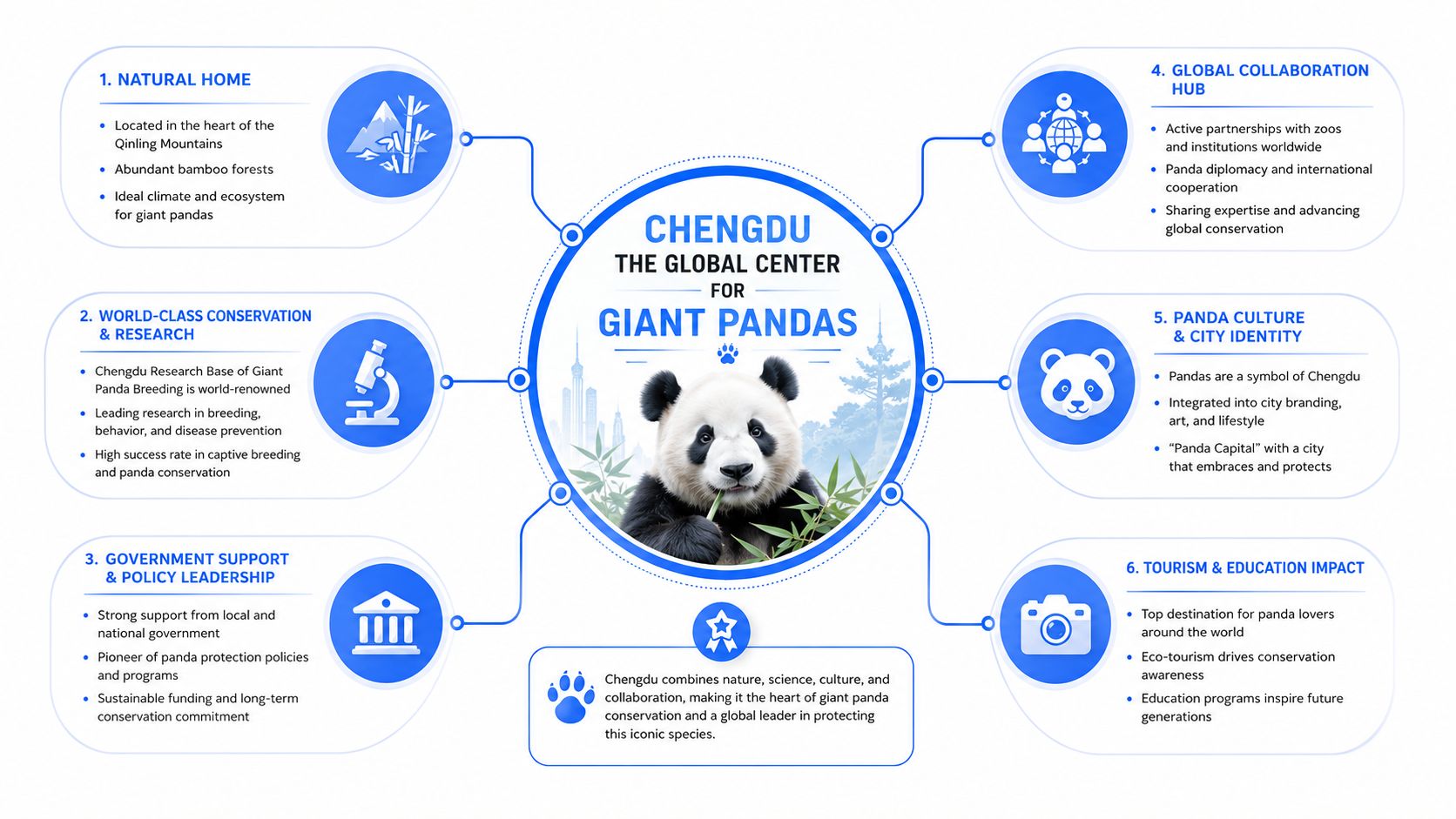
Chengdu matters because it sits inside the species' real conservation geography, not just its tourist branding. China's fourth giant panda survey estimated 1,864 wild giant pandas nationally, and Sichuan alone held 1,387, which is about 74.4% of the total, while the Chengdu area of the Giant Panda National Park hosted 73 wild pandas and functions as a key gene-corridor hub, according to CGTN's summary of the survey.
Why that matters for a traveler
That concentration changes the trip. You're not visiting a random animal attraction in a generic city. You're spending time in the urban center most directly connected to the largest panda habitat system on earth, which gives Chengdu a legitimacy that few wildlife destinations can match. For a very different wildlife-focused trip, I would also look at the Samaná Dominican Republic guide.
It also explains why a more serious itinerary works here. The city can support both a polished urban stay and meaningful conservation programming, because the panda story isn't separated from Chengdu, it's embedded in it. For affluent travelers, that makes the experience more than a family outing. It becomes a destination story with actual conservation context.
The most useful framing is simple, Chengdu is the only large city where wild and captive panda resources sit in the same travel sphere. That means you can build around ecology instead of just convenience. It also means your itinerary should be paced with more respect than the standard “arrive early, take photos, leave” routine.
The conservation value is part of the luxury value
Luxury isn't just thread count and transfer class. In Chengdu, it's access to a trip that feels informed, calm, and credible. A city with this kind of habitat importance gives you a stronger reason to stay longer, move more slowly, and choose a more curated route through the panda habitats.
For travelers who want the experience to feel substantial, that's the advantage. You're not buying a novelty stop. You're placing yourself inside one of the most important living conservation systems in the world.
Choosing Between the Panda Base, Panda Valley, Bifengxia, and Dayi
The Chengdu Research Base is the easiest place to start because it has scale, polish, and an unmistakable conservation profile. It grew from 6 rescued pandas in 1987 to 244 individuals by the end of 2024, making it the largest captive giant panda population in the world, according to Advantour's Chengdu profile. That scale is exactly why it draws the most attention, and why it can feel busier than a quieter site.
A smarter way to choose
If you're a first-timer, the Base usually wins. If you've already seen it, or you care more about atmosphere than brand recognition, the quieter sites become interesting. Panda Valley and Dayi appeal to travelers who want fewer people around them. Bifengxia suits repeat visitors who want a more conservation-forward feel and don't mind making more of a day of it.
| Site | Distance from Chengdu | Crowd Level | Best For |
|---|---|---|---|
| Chengdu Research Base | Close and easy | Highest | First-time visitors, iconic panda viewing |
| Panda Valley | Closer and calmer | Lower | Travelers who want a quieter setting |
| Bifengxia | Further out | Lower to moderate | Repeat visitors, conservation-minded itineraries |
| Dayi | Less obvious, more intimate | Lower | Clients who prefer discretion and a slower pace |
My recommendation: if you only have one panda day, choose the site that matches your temperament, not the one with the loudest name.
What to do with that information
A high-net-worth trip should feel intentional, not overstuffed. The Base gives you the clearest introduction. Panda Valley, Bifengxia, and Dayi are better when you want to avoid the “everyone has the same plan” feeling. For luxury travelers, that difference matters because it changes the tone of the whole day.
If you're building a fuller China itinerary, I'd rather reserve your energy for one excellent panda stop than drag you through four rushed ones. That's how you preserve both the animals' experience and your own.
Best Seasons and Daily Timing to See Pandas Active
The best panda viewing is usually early and cool. Late spring and summer can feel sticky in Sichuan, which makes animals less active and makes your own transfer and walking sequence less pleasant. If you're choosing dates, prioritize cooler months and build the day around early morning rather than around your own body clock.
The daily rhythm that matters
One guide lists the base's public hours as 07:30 to 18:00, with ticket sales stopping at 17:00, and says the strongest viewing window is 09:00 to 10:00 because pandas are usually most active at breakfast feeding time, with an adult entrance fee of CNY 55 (TravelChinaGuide). That timing is the difference between lively movement and a long, sleepy wander.
Arrive too late and you're often watching naps. Arrive on the right schedule and you catch feeding, climbing, and much better photo conditions. That's not a small distinction, especially if this is the emotional anchor of a short trip.
How I'd pace the morning
Get there early, but don't overcomplicate it. A private car, a punctual driver, and a hotel that understands early departures are enough. You don't need a frantic start, you need a clean one.
After the first active window, slow the day down. Don't try to force more animal viewing when the base is clearly winding down. Use the afternoon for a proper lunch or tea stop, then keep the rest of the day easy.
Pandas have their own schedule. Your itinerary should obey it.
That's the logic behind a smart luxury visit. You're not chasing volume, you're timing the one part of the day that really pays off.
Ethical Viewing, Welfare Signals, and What a Luxury Traveler Should Avoid
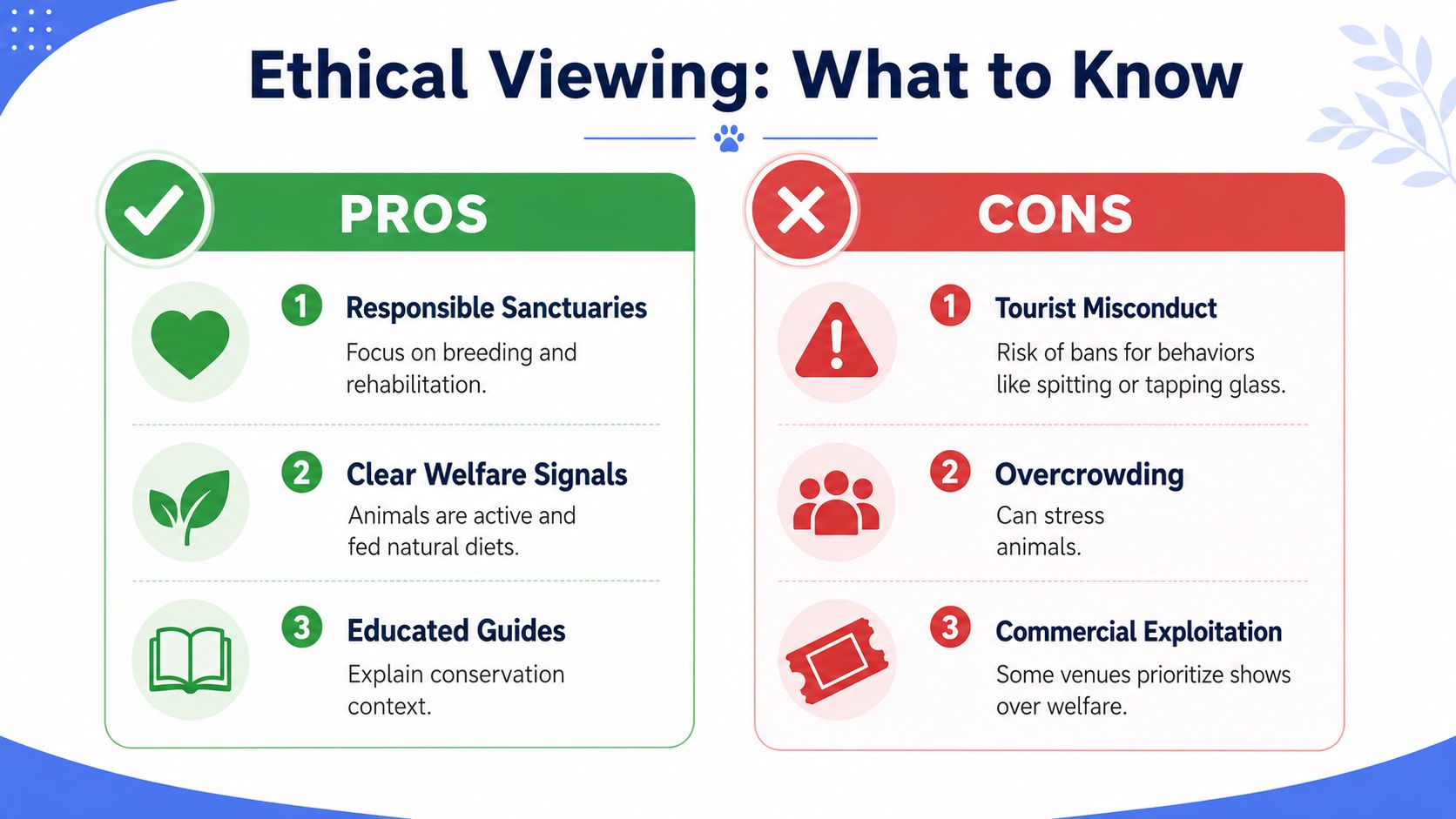
The biggest mistake travelers make is assuming any panda attraction is automatically well run. It isn't. A 2024 ban on 12 tourists at Chengdu Panda Base for misconduct, including spitting and inappropriate feeding, is a blunt reminder that visitor behavior is a real management issue, not a minor etiquette note, according to CNN's reporting on the ban.
What responsible viewing looks like
You want signs of a place that takes welfare seriously. That means managed viewing windows, staff who control behavior, and an atmosphere where the animals don't seem treated like props. If a venue feels more interested in crowd flow than animal conditions, take that seriously.
Avoid operators that push forced photo moments or “selfie-first” pacing. If the entire visit is built around getting closer, staying longer at barriers, or squeezing more bodies into a small space, the experience is wrong-headed from the start.
What I'd skip without hesitation
- Crowded viewing pits: if you can't stand comfortably and watch without being jostled, the setup is too compressed.
- Aggressive photography setups: if staff are steering guests into repeated poses instead of letting the animals settle, that's not a good sign.
- Volunteer programs with vague handling rules: some are educational, others are just labor-light tourism with a conservation label.
A luxury traveler should want cleaner boundaries, not more access at any cost. Ethical private access is usually better because it respects the animals and reduces the stampede effect. It also makes the visit feel calmer, which is exactly what affluent clients usually want but don't always know how to ask for.
If you're unsure, ask how the day is managed, what the visitor flow looks like, and how the program protects the animals from crowd pressure. The right answer should sound practical, not performative.
Private Access, Luxury Stays, and Curated Experiences
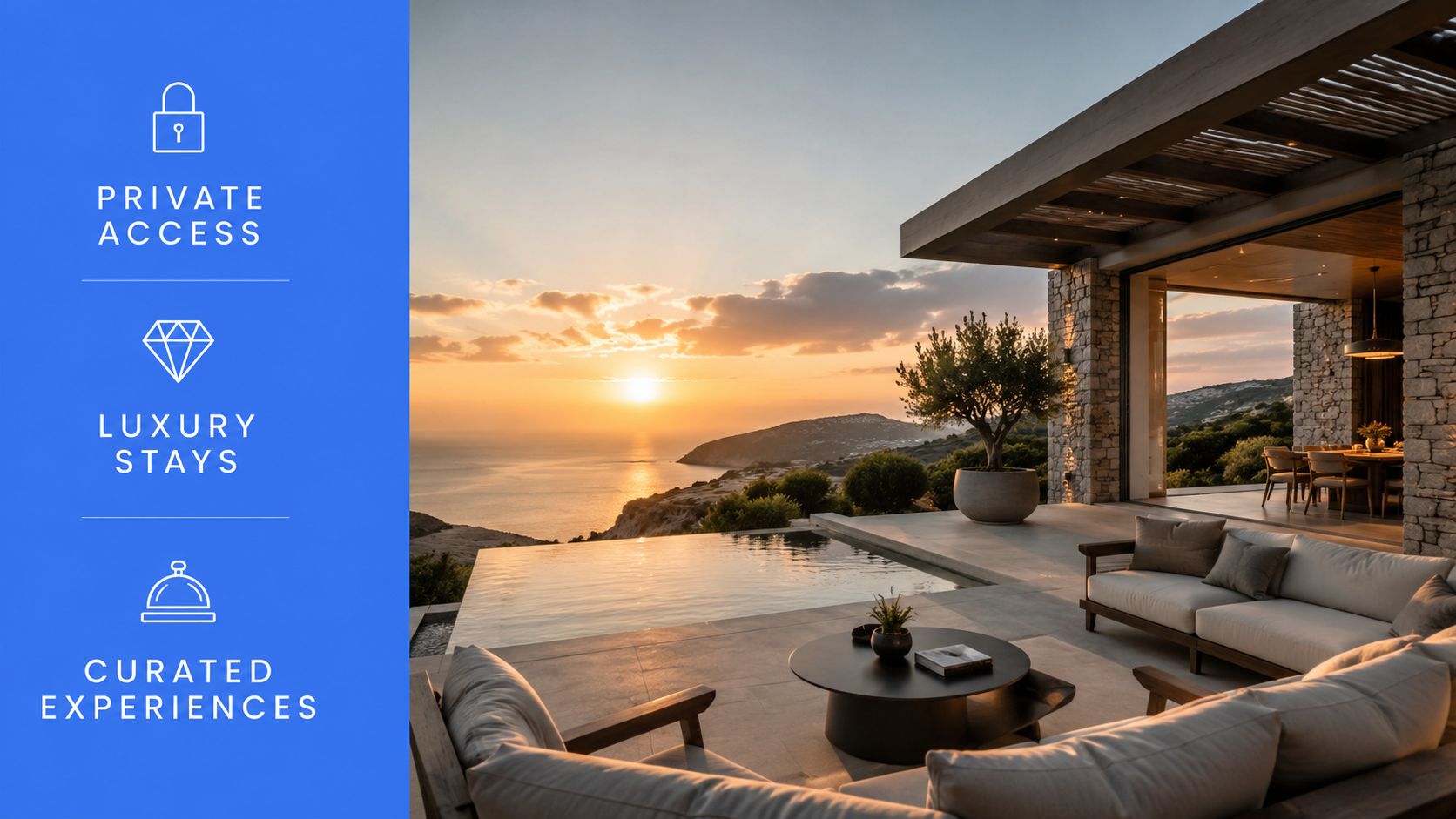
Private in Chengdu usually means three things, a proper car, a better-paced day, and fewer people interfering with the experience. For a pre-dawn or early-morning panda visit, a private vehicle and driver beat the metro every time. The transfer is simpler, your luggage stays out of the equation, and you're not starting the day already tired.
What private really buys you
It buys you sequencing. That matters more than people realize. If your driver waits, your guide tracks the timing, and your hotel breakfast is coordinated, you arrive at the right moment without the usual scramble.
For clients who want a more refined car service, executive Maybach service in China is the kind of ground option that fits a polished Chengdu day without turning it into a spectacle. I'd pair that sort of transfer with a city stay that can handle early departures and quiet returns.
If you want a broader China framework, I also build routing around private tour of China when Chengdu is part of a larger itinerary rather than a stand-alone detour.
Where the stay matters
Pick a hotel that keeps the city portion easy. Central Chengdu works for first-time visitors who want a polished base, while the surrounding hills suit travelers who prefer a softer landing after the panda day. I'm not interested in overpromising special treatment, but established relationships can sometimes secure preferred partner perks and VIP amenities that make the stay smoother.
For readers who want a custom-designed China routing, Explore Effortlessly can handle the planning around the hotel, transfers, and timing as one coordinated trip, not a pile of disconnected reservations. That is the point of using an advisor instead of stitching it together yourself.
Visas, Flights, and Getting Around Chengdu Smoothly
China entry rules can change, so I'd treat visa and transit planning as a required pre-trip check, not an afterthought. If Chengdu is your main stop, decide whether you're entering through Tianfu or Shuangliu, then build the rest of the route around your arrival time and fatigue level. Business class is the right call on long-haul routes if you want to arrive ready for an early panda morning.
The arrival checklist I'd use
- Confirm your entry documents early: don't leave this until your packing week.
- Choose your airport with intent: Chengdu Tianfu and Shuangliu can both work, but the right one depends on your routing.
- Book a private transfer in advance: a taxi after a long flight is a compromise, not a strategy.
- Keep the first day light: even an elegant arrival deserves breathing room.
A private transfer is especially useful if your panda visit is first thing the next morning. It cuts uncertainty, keeps the pacing calm, and gives you one less thing to manage after a long-haul flight.
If Chengdu is part of a larger Asia trip, it pairs neatly with Hong Kong, Shanghai, or Tokyo, which makes the route feel premium instead of repetitive. I'd rather connect a few clean, well-paced cities than cram too many stops into a weak itinerary.
For a broader China planning frame, trip to China is where I'd start if you want the trip shaped around comfort, time efficiency, and sane logistics. Trusted in-destination partners and vetted local drivers handle on-the-ground support, while I coordinate the planning and logistics before departure.
Sample Chengdu Panda Itineraries and How to Inquire
A tight three-day Chengdu plan works best when you keep the panda day sacred. Day one is arrival and a relaxed dinner or tea service. Day two is the early panda visit, a proper lunch afterward, and a slow afternoon in the city. Day three is a buffer for shopping, a second cultural stop, or a second panda experience if you booked a quieter site.
A stronger five-day version
If you have five days, add Bifengxia or Dayi and stop trying to make the trip feel rushed. That gives you room for one flagship panda visit, one lower-volume conservation day, and one or two unhurried urban experiences. It is a much better shape for clients who want the trip to feel special rather than busy.
I also like layering in a luxury meal or tea experience after the morning viewing, because it gives the day a proper exhale. For travelers who appreciate bespoke routing, Haute Black luxury itineraries is a useful reference point for the kind of bespoke pacing that works well in a city like this.
A simple decision rule
- Three nights: focus on the flagship panda experience and keep the rest elegant.
- Five nights: add one quieter panda site and one slower cultural block.
- More than five: start treating Chengdu as a base for a broader China conservation route.
If you want this built properly, use custom trip planning and let me shape the route around your dates, comfort level, and preferred pace. I'm Karrah, owner, founder, and lead travel advisor at Explore Effortlessly, and I design high-touch itineraries with the kind of sequencing that keeps a short trip from feeling crowded.
Sign up for the newsletter at Explore Effortlessly updates if you want more advisor-led destination ideas, then reach out when you're ready to turn Chengdu into something more considered than a standard panda stop.
Plan my luxury trip to Chengdu with Explore Effortlessly, and I'll build the panda visit around the right season, the right site, and the right level of privacy. I'll coordinate the hotels, transfers, and timing so the trip feels calm from the first transfer to the last afternoon tea. Start at Explore Effortlessly when you're ready to design a Chengdu itinerary that deserves the trip.