You've landed in Amsterdam with a short window, a long wish list, and exactly zero patience for wasted time. That's the right energy, because 3 days in Amsterdam can feel polished, effortless, and satisfying when the itinerary is shaped correctly. The city rewards smart sequencing, especially if you're pairing a luxury hotel stay with compact, neighborhood-based plans that keep you out of transit drag and decision fatigue. In practice, three days is the sweet spot for couples, families, and solo travelers who want depth without turning the trip into homework.
The key is to choose an itinerary that matches how you travel, not how a generic list says you should. Amsterdam's core sights are concentrated, so you can cover the essentials without sprinting, and the city's luxury hotels make a real difference when you want smooth check-ins, strong concierge support, and an easy return to calm after a full day out. If you're planning a trip with premium expectations, start with the right framework, then layer in the signature experiences that matter most. For a broader trip-planning perspective, I also recommend looking at KLM Virtual Tours articles, especially if you're still deciding how much city time you want before or after Amsterdam. If you are comparing a compact city stay with a longer nature-focused trip, my Pacific Northwest travel planning guide helps frame the alternative.
1. The Canal Palace Experience for Luxury Hotels and Private Water Tours
A refined first-time Amsterdam trip should start on the canals, not just beside them. The city's most elegant stays make that easy, because you can wake up inside the historic center, step into the canal belt, and move through the day without the friction that usually comes with a big-city break. That matters in Amsterdam, where independent itinerary guides say a structured 3-day visit often involves 10 to 12 kilometers of walking per day, or 30 to 50 kilometers across the trip, which is exactly why clustered sightseeing and comfortable footwear are emphasized in quality planning Amsterdam Spirit.
Why this works for a luxury traveler
This is the ideal rhythm for couples celebrating an anniversary, busy professionals who want a clean city break, or families who care about architecture and service in equal measure. Think canal-view suites, a private water taxi or guided boat, and evenings built around a restaurant reservation rather than a scramble. Amsterdam's appeal isn't just visual, it's operational. When your hotel team is handling dining requests, museum timing, and transport details, the whole city feels calmer.
Practical rule: For peak season, secure the hotel early and let your advisor request the room category that actually matters, especially canal-facing inventory. Then build the day around the hotel location so you're not zigzagging for every meal and museum.
A polished itinerary here often looks like this, luxury edition. Day 1 centers on arrival, a canal-side lunch, and a golden-hour private water tour. Day 2 leans into museum access and a relaxed evening. Day 3 leaves room for a slow brunch, a final neighborhood walk, or a curated departure day.
What to ask for before you go
- Canal-view positioning: Request the best available canal orientation when you book, because the view is part of the experience.
- Concierge dining support: Ask for restaurant reservation help at the same time you confirm the stay, not after.
- Private water timing: Schedule the canal tour for late afternoon or golden hour so the light is softer and the water feels quieter.
- Transfer simplicity: Arrange a private driver for the full stay if you want to remove all friction from arrival and departure.
- Final confirmation: Recheck dining and activity times 48 hours before departure so nothing slips.
That approach gives you the classic Amsterdam mood without turning the trip into a checklist. It's elegant, contained, and easy to enjoy.
2. Art and Architecture Deep Dive for Museum Lovers
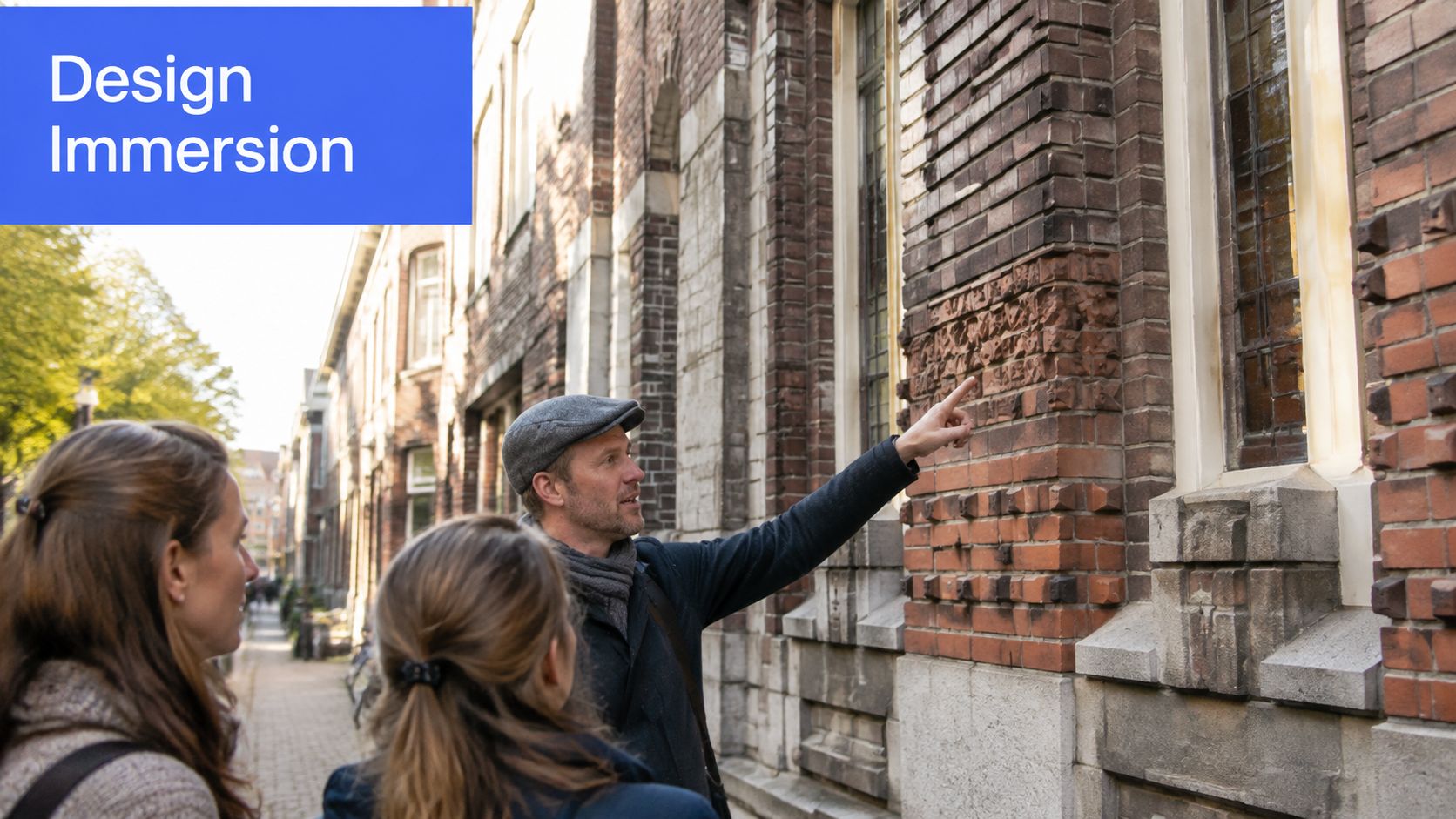
Amsterdam rewards travelers who want substance with their style. The strongest museum trip is not a race through every major collection. It is a tightly edited program with one anchor museum, one architectural or design stop, and enough open space to enjoy the neighborhoods between them. That is the smarter way to plan three days here, especially with guidance that favors fewer, better-paced stops over a crowded checklist City Unscripted.
Start with a serious museum morning, then build the rest of the day around it. The Rijksmuseum works beautifully as the anchor, but the quality comes from what surrounds it. Add a focused architecture walk, a gallery appointment, or private access to a collection if your advisor can arrange it. The hotel matters here, too. Choose one that can handle cultural requests well, not just one with a central address.
The right rhythm for collectors and design-minded travelers
Collectors and design-minded travelers get the best version of Amsterdam when the itinerary leaves room for context, not just icons. A private museum appointment, an artist studio visit, and a morning walk focused on architecture create a trip with texture and calm. That feels more intimate, and it is the right fit for travelers who are only in town for a short stay.
Keep the hotel near the museum district or a design-forward neighborhood. Then ask for curated access, not generic sightseeing. The difference is in the pacing. A museum-heavy day becomes tiring fast if every stop is treated like a standalone outing. Use a hotel team that can coordinate the details and keep the day flowing.
Build the day around one anchor and one layer
The best structure is simple. Choose one major museum as the center of gravity, then add one design or architecture element, and stop there. A second museum can work only if it is light and close by. If the day already includes a serious collection visit, do not stack another high-effort cultural stop on top of it.
Use the late morning or early afternoon for the anchor visit, then save the rest of the day for a gallery preview, a private walk, or a slow café pause. Dinner should feel like a reward, not a continuation of the museum circuit. For travelers who want a more immersive cultural itinerary, I'd pair this style with Explore Effortlessly's cultural immersion planning. If your travel style also includes serious dining, read michelin dining in Lima for the same kind of reservation-first approach in another city.
Keep museum visits in the morning when possible. You will move more easily, absorb more, and avoid the flat stretch that often follows a long lunch and too many galleries in a row.
3. Culinary Mastery for Michelin Dining and Private Chef Experiences
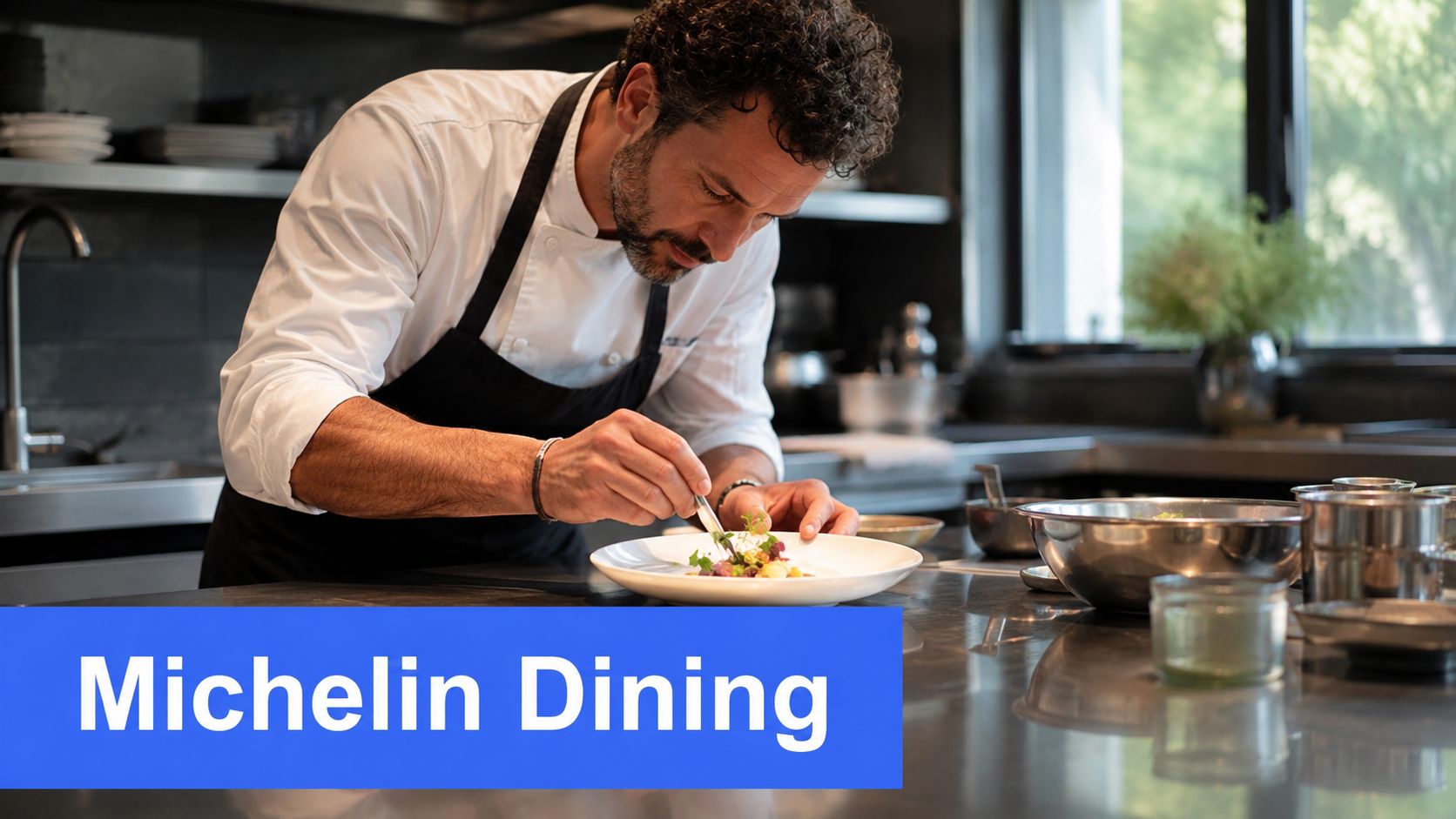
Amsterdam rewards food travelers who plan with discipline. The best trips are not built around chasing every hot table in the city. They focus on the reservations that matter, then leave enough breathing room for lighter meals so the experience still feels sharp on day three. That matters because a calendar packed with tasting menus can leave travelers too drained to enjoy the meal in front of them.
For couples, food lovers, and anyone who treats dining as part of the trip's identity, the right plan starts with one or two serious meals, a market visit, and one interactive moment, such as a cooking class or private chef experience. A strong hotel can make the whole stay feel more personalized by handling breakfast service, wine pairings, or an in-suite dinner that does not feel staged. Amsterdam can absolutely deliver for culinary travel, but the pacing has to be tight.
One excellent dinner can carry the trip. Three consecutive showpiece meals usually cannot.
Keep the food arc balanced
A three-day food itinerary works best when the energy rises and falls on purpose. Begin with an easy arrival dinner, then move into a reservation-only tasting, then shift to something hands-on, such as a chef-led market visit or a neighborhood lunch in De Pijp. That rhythm gives the trip depth without turning every day into a performance.
The sharper move is to avoid booking every meal at the top tier. One polished dinner and one more casual, local-feeling meal often create a better trip than three formal nights in a row. Leave space for walking, conversation, and one spontaneous stop that was not on the plan.
Concierge insight: Request dining support as soon as the trip is in motion, then confirm your final preferences 48 hours before departure. Dietary notes, tasting-menu preferences, and wine style should be specific, not vague.
For travelers who want a dedicated luxury food trip with real advisor support, I'd anchor the planning through Explore Effortlessly's Michelin restaurant expertise in Lima. The destination changes, but the booking strategy does not. Secure the hard reservations before the itinerary is locked.
A culinary rhythm that feels expensive in the best way
Start with an easy, elegant dinner on arrival. Use the middle day for a major tasting menu or a chef-driven dinner. Fill the daylight hours with market visits, cheese tastings, or a cooking class. Save the final night for something intimate and unrushed, not another overbooked tasting marathon.
- Arrival night: One easy, elegant dinner.
- Middle day: A major tasting menu or chef-driven dinner.
- Daylight hours: Market visits, cheese tastings, or a cooking class.
- Final night: Something intimate and unrushed, not another overbooked tasting marathon.
That rhythm works because Amsterdam's appeal is broader than the plate. The city lets you move from canal-side elegance to neighborhood flavor without ever feeling hurried, and that balance is what makes a food-focused three-day stay feel refined.
4. Romantic Getaway for Luxury Suites, Spa Retreats, and Private Moments
A romantic Amsterdam stay works best when the schedule feels spacious. The city already gives you the right ingredients, canal light, quiet streets, and a compact layout that makes short transfers easy. Use them well. Keep the trip to one or two meaningful anchor moments per day, then protect the rest of the time for slow breakfasts, spa appointments, and unhurried wandering.
The biggest mistake couples make is packing the stay with too many headline sights. That strips out the calm that makes a luxury escape feel special. A better plan starts with a strong suite, a hotel team that understands milestone travel, and a clear idea of what the trip is celebrating. If this is a honeymoon, anniversary, or major birthday, say so early. Hotels can shape the stay around that detail instead of treating it as a passing note.
A suite should give you room to breathe.
Request privacy, canal views if you want them, and a room setup that supports quiet time between outings. A morning massage, an afternoon canal cruise, and a long dinner can feel perfectly balanced. A slower day can work even better. For couples, the smartest luxury move is often leaving half a day open and letting the trip settle into its own rhythm.
Photographs belong at golden hour. Amsterdam handles the rest. Bridges, canal houses, and still water create a backdrop that looks intentional without much effort, which is exactly what you want for a romantic trip that still feels relaxed.
Romance travel details that matter
- Say the occasion early: Honeymoon, anniversary, or milestone travel gives the hotel a reason to personalize the stay properly.
- Choose a suite with breathing room: Corner suites and canal-facing rooms usually feel more private and more comfortable for downtime.
- Skip the preset package if you can: Flexible amenity credits often give you more control than a rigid romantic add-on.
- Limit the must-dos: One museum, one cruise, and one standout dinner is usually enough.
- Leave room for the unplanned: The best couple memories usually happen between reservations, not inside them.
If you want the trip to feel polished rather than busy, plan around ease. That matters even more after a long-haul flight or when Amsterdam is only one stop in a broader European itinerary. For couples who want more inspiration beyond the city, Explore Effortlessly's luxury travel ideas can help shape a more personalized approach without crowding the romance.
5. Active Luxury for Cycling, Water, and Wellness
Amsterdam rewards active travelers because the city is built for movement at a human pace. You can get a lot out of the day without forcing anything. Cycling, walking, canal time, and wellness all fit naturally, and a well-chosen luxury hotel keeps the pace steady instead of draining you. If you want an adventure-leaning version of the city, connect that planning to Explore Effortlessly's adventure travel ideas.
For this style of trip, luxury should support the activity, not sit apart from it. A morning ride, a water-based experience, a proper lunch break, and a spa treatment later in the day create a rhythm that feels polished and athletic at the same time. That mix matters more than packing the schedule. You want energy without strain.
Set the pace before you book
The best active Amsterdam itinerary starts with an honest read on how you travel. Strong cyclists can cover more ground and use the bike as part of the sightseeing plan. Travelers who want something gentler should keep the route relaxed and let the city do the work. The same rule applies to water experiences and wellness add-ons, because this trip should feel well-paced, not performative.
Season matters too. Late spring and early fall usually give you the most comfortable setup for moving around the city while still keeping the day elegant and full. That matters when you're combining exercise, a premium hotel stay, and a proper dining plan. Hotter, busier periods can make a tightly packed active itinerary feel far less refined.
The best active Amsterdam trip still leaves you ready for dinner. If your legs are spent and your appetite is gone, the day was too aggressive.
A good concierge will also protect the recovery window. Build in a slower hour after the most physical part of the day, especially if you plan to cycle in the morning or spend real time on the water. That single adjustment keeps the whole trip from tipping into fatigue.
A better way to structure the day
Start with movement, not momentum. A guided bike route through a neighborhood or along the canals sets the tone without demanding too much too early.
Then break the day on purpose. Lunch, a change of clothes, and a short pause at the hotel give the afternoon more staying power than trying to push straight through.
By midafternoon, switch the pace. A boat segment, a yoga session, or a spa treatment adds contrast and keeps the day from feeling one-note.
End lightly. Choose a dinner that feels restorative rather than ambitious, and leave time to enjoy it without rushing the table.
This format works for couples, athletic families, and solo travelers who want a city break that feels active but still polished. It also solves a common planning mistake, which is treating movement and rest as separate blocks instead of parts of one good day. In Amsterdam, the smartest active luxury itinerary blends both.
6. Extended Neighborhood Deep Dive for Local Experiences and Hidden Gems
Repeat visitors usually fall for Amsterdam in a different way. The first trip is about the landmarks. The second or third is where the neighborhoods start to matter. De Pijp, Jordaan, Amsterdam Noord, and the Plantage give the city a more lived-in feel, with less tourist polish and more local rhythm. For a more contemporary side of the city, districts like NDSM, Oost, Haarlemmerstraat, and the IJ waterfront are strong choices, as noted by Wanderlustingk.
Stay in the neighborhood you want to explore. Ask for local introductions. Leave room for wandering. Amsterdam is compact, so you do not need to optimize every step. You need the right neighborhood base and a few good anchors.
The local-feeling version of luxury
This style works especially well for affluent couples who like apartment-style hotels, travelers who care about design stores and intimate cafés, and repeat visitors who have already covered the headline sights. Make the neighborhood the unit of planning. Use one structured experience, one flexible block, and one meal to anchor the day.
Keep the pace lighter than a first-time itinerary. You do not need six major stops to feel immersed. You need a good guide, a shared interest, and enough time to follow the street wherever it leads.
Build the day around curiosity
A stronger neighborhood day starts with a clear base and a single purpose. Jordaan works for charm, De Pijp for energy, and Amsterdam Noord for a more creative edge.
Use local introductions whenever you can. An artist, maker, or chef with a shared interest gives you a far better day than a generic tour.
Pick one anchor experience, then stop building. A studio visit, a cooking class, or a private walk gives the day shape without making it feel programmed. Leave one block open, because spontaneous discovery is the point here.
Some of the best Amsterdam moments happen when you stop trying to cover the city. That is the advantage of this style. It skips the postcard version of Amsterdam and gives you the version people live in, which is usually what repeat travelers want most.
3-Day Amsterdam: 6 Experience Comparison
| Experience | Implementation Complexity | Resource Requirements | Expected Outcomes / Impact | Ideal Use Cases | Key Advantages / Tips |
|---|---|---|---|---|---|
| The Canal Palace Experience: Luxury Hotels & Private Water Tours | High, multi-vendor coordination (hotels, boats, Michelin) and seasonal constraints | Very high, five-star suites, private boats, drivers, concierge relationships | 4/5, high-quality luxury immersion, photogenic access, low-crowd experiences | Couples celebrating milestones, busy professionals, luxury-heritage travelers | Book 4–6 months ahead; request concierge for Michelin reservations; schedule golden-hour boat tours |
| Art & Architecture Deep Dive: Museum Access & Design District Immersion | High, after-hours museum coordination and artist/studio scheduling | High, art historians, private museum access, gallery/studio fees | 4/5, deep cultural insight, collector connections, exclusive access | Collectors, design professionals, culturally focused travelers | Initiate bookings 10–12 weeks out; pair museum access with design-forward hotels |
| Culinary Mastery: Michelin Dining & Private Chef Experiences | Medium–High, multiple reservation windows, dietary/custom menus to manage | High, Michelin tables, private chefs, market tours, sommelier services | 4/5, memorable, interactive culinary experiences and learning | Epicureans, food industry professionals, celebratory couples | Start reservations 12–16 weeks ahead; balance fine dining with casual market meals |
| Romantic Getaway: Luxury Suites, Spa Retreats & Private Experiences | Medium, personalization and timing for suites/spa/private dinners | High, luxury suites, spa packages, private photographers, bespoke touches | 4/5 (if personalized), intimate, pampering escape; risk of cliché if generic | Honeymoons, anniversaries, milestone celebrations | Book suites 6+ months ahead; specify occasion; leave open time for spontaneity |
| Active Luxury: Cycling, Water Sports & Wellness Integration | Medium, fitness-level customization and weather-dependent logistics | Medium–High, trainers, premium bike rentals, water-sports instructors, wellness facilities | 3/5, improved wellness, authentic local activity, energizing itinerary | Health-conscious professionals, active families, wellness-focused travelers | Communicate fitness level upfront; schedule in late spring–early fall; book private guides |
| Extended Neighborhood Deep Dive: Local Experiences & Hidden Gems | Medium, relies on local relationships and flexible planning/backups | Medium, local guides, boutique introductions, neighborhood bookings | 3/5, authentic local connections and slower cultural immersion | Repeat visitors, cultural explorers, travelers seeking authenticity | Stay in the target neighborhood; request local introductions and allow unstructured time |
Planning Your 3 Days in Amsterdam With a Luxury Advisor
The right 3 days in Amsterdam itinerary depends on the traveler, not the template. A couple celebrating a milestone needs privacy, pace, and great dining. A collector needs museum access and art-world texture. A foodie needs reservations and recovery time. An active traveler needs movement built into the day. A repeat visitor usually wants neighborhoods, not highlights. That's where advisor-led planning matters, because the city is compact enough to do a lot, but smart enough travel means choosing what not to do.
The best trips in Amsterdam come from sequencing, not from cramming. You want your hotel to support the rhythm of the stay, your reservations to be aligned with the neighborhoods you're in, and your transfers to disappear into the background. When I plan Amsterdam for clients, I focus on the small details that prevent friction, from restaurant timing to day-by-day pacing to the quiet luxury of not having to make every choice yourself. Clients nationwide work with me through virtual consultations, which keeps the process simple no matter where you're starting from.
I also bring in preferred partner perks and VIP amenities where they apply, so the trip feels more polished without becoming overdone. That can mean better room positioning, smoother coordination with trusted in-destination partners, or a more thoughtful approach to dining and experiences. It never means overbooking the itinerary just to impress on paper. It means shaping a trip that feels effortless from inquiry through return.
If Amsterdam is on your list, let's build it with intention. Explore Effortlessly handles the planning, bookings, and moving parts so you can enjoy the city the way it should be experienced, calmly, stylishly, and without guesswork. Plan your luxury trip and let's design a version of Amsterdam that fits you, your timing, and your travel style.
For ongoing inspiration and curated travel ideas, join the newsletter at Explore Effortlessly's newsletter.
If you want Amsterdam planned with the same care I'd use for my own clients, Explore Effortlessly is where we start. I'll turn your three days into a polished, high-touch itinerary with the right hotel, the right reservations, and the right pace, so you can enjoy the city instead of managing it.