You're probably doing what most luxury travelers do at the start of Peru planning. You've heard Lima is one of the great food cities in the world, you're seeing searches for Michelin star restaurants in Lima everywhere, and now you're trying to figure out what's worth your night, your appetite, and your reservation strategy.
Here's the truth. Lima absolutely belongs on the shortlist of the world's elite dining destinations, but the Michelin conversation needs context. The city's global reputation is driven less by a traditional Michelin-star city list and more by sustained international acclaim, including restaurants such as Central and Maido being treated as benchmark dining experiences. Central, for example, was ranked No. 1 in The World's 50 Best Restaurants profile, which tells you exactly the level of table you're chasing.
That matters because booking these meals well isn't just about getting lucky online. It's about structuring your nights in Barranco, Miraflores, and San Isidro intelligently, leaving room for jet lag, pacing tasting menus, and knowing which restaurant fits a milestone dinner versus a more relaxed culinary night out. If you've dined at premier Michelin-starred NYC eateries, Lima will feel familiar in ambition but much easier to weave into a broader itinerary.
- Best for culinary prestige: Central and Maido
- Best alternative if top icons are booked: Kjolle
- Best for celebrations: Astrid y Gastón
- Best for flexibility: Rafael and Mayta
- Best for repeat Peru travelers: Mérito
- Best planning move: Build your Peru itinerary around the hardest reservation first
1. Central
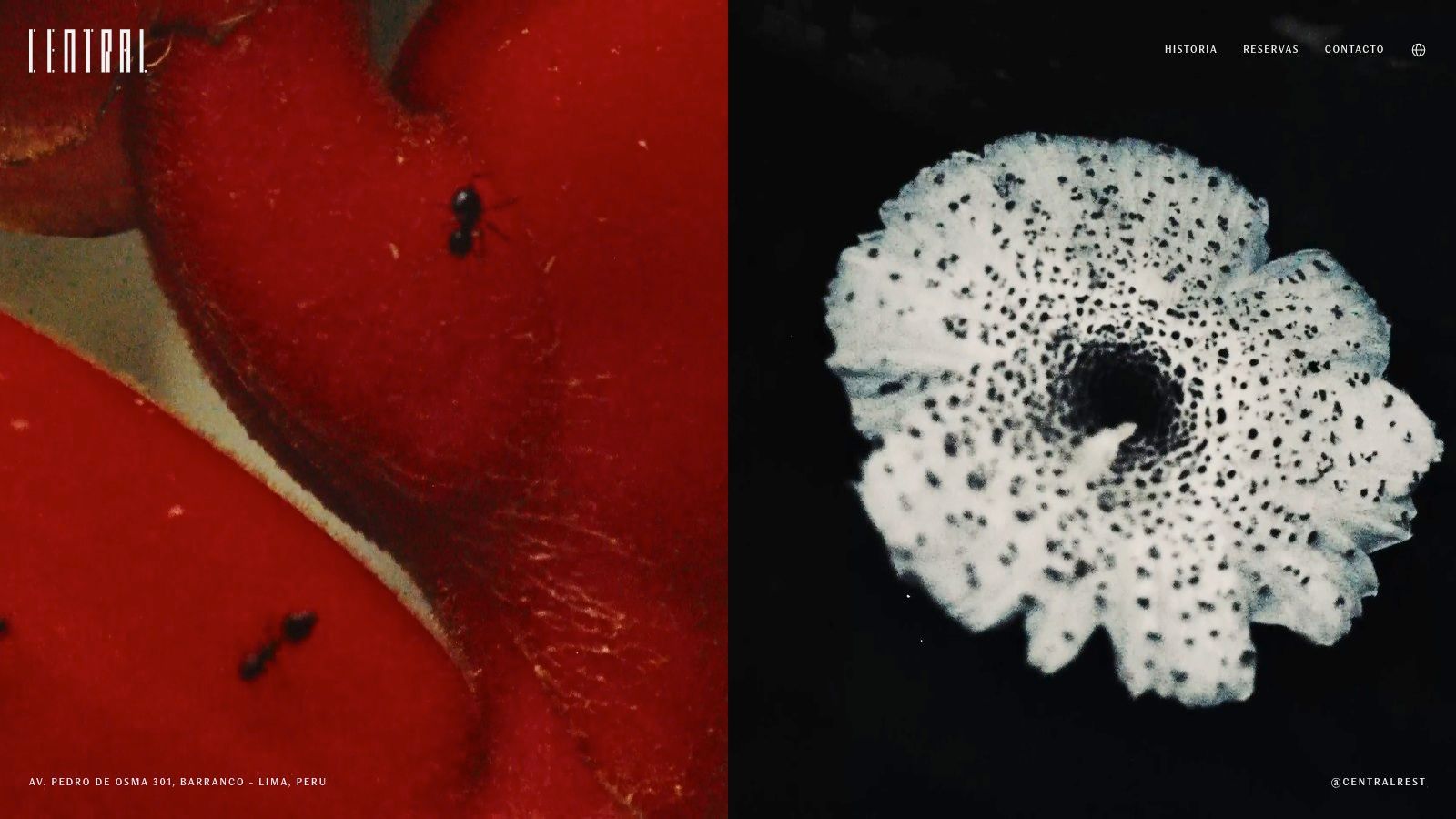
Central's official website is the first reservation I try to anchor when a client tells me food is the reason they're going to Peru. This is Virgilio Martínez and Pía León's flagship in Barranco, and it's the table that most often dictates the rest of the trip.
The experience is built around a single tasting menu that explores Peruvian biodiversity by altitude. That structure gives the meal a strong narrative arc, so it's best approached as the centerpiece dinner of your Lima stay, not the casual add-on after a long international arrival day.
Why Central earns priority
Central was ranked No. 1 in The World's 50 Best Restaurants profile, and that status explains the demand. It also lists the tasting menu at $180 on that same profile, which is one reason Lima has become such an attractive luxury food destination for travelers who want top-tier dining without the pricing you often see in older fine-dining capitals.
I usually place Central on night two or three. That gives you time to settle in, recover from travel, and enjoy the meal with the focus it deserves.
Practical rule: Tell me you want Central before we finalize flights and hotels. This reservation often shapes the rest of the itinerary, not the other way around.
A few planning notes matter here:
- Best neighborhood strategy: Barranco works well for an evening built around dinner, cocktails, and a slower pace afterward.
- Best guest profile: Curious eaters who want storytelling, technique, and a strong sense of place.
- Main drawback: Very high demand, plus a fixed-format meal that doesn't leave much room for spontaneous changes.
If Peru is the larger goal, I often pair this dinner with a broader must-see Peru itinerary so the culinary high point feels integrated into the trip rather than isolated from it.
2. Maido
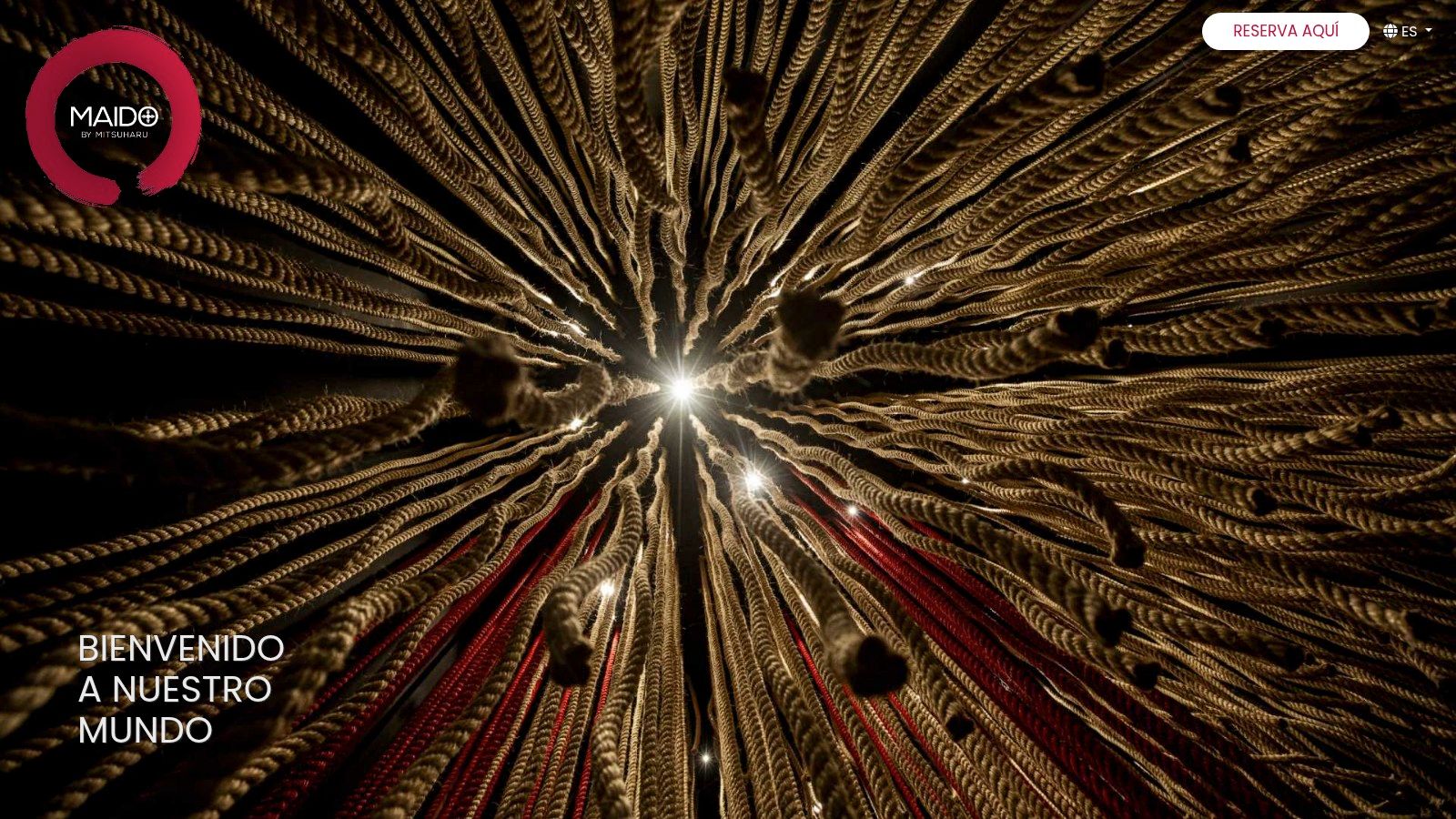
If Central is Lima's grand ecological statement, Maido is the polished masterclass in Nikkei cuisine. This is the dinner I recommend to clients who love precision, seafood, and the interplay between Japanese technique and Peruvian ingredients.
Its Miraflores location also makes logistics especially easy. Many of the luxury hotels I plan in Lima are convenient to Maido, which means less time in traffic and a smoother evening from pre-dinner drinks to the ride back.
Who should book Maido
Maido is ideal for travelers who care as much about execution as creativity. Expect a tasting menu with strong seafood handling, elegant sushi and nigiri sequences, and dishes that often lean into fire and smoke without losing refinement.
Service is one of its strengths. For international guests, that matters more than people think. A restaurant can be brilliant on the plate and still feel awkward if the flow, pacing, or communication doesn't land. Maido tends to feel effortless.
This is one of my favorite honeymoon dinners in Lima because the room feels celebratory without becoming stuffy.
I also like Maido for travelers who want a globally acclaimed table but don't necessarily want the intellectual framing of Central. It's luxurious, highly technical, and emotionally easy to enjoy.
A few things to know before you go:
- Best for: Seafood lovers, sushi devotees, honeymooners, and celebratory dinners
- Less ideal for: Guests who prefer meat-forward menus or dislike tasting-menu pacing
- Planning note: Reserve early. Global demand is real, and prime evening slots don't linger
When clients want food to be the spine of the trip, I often fold Maido into a larger luxury Peru travel plan so Lima, the Sacred Valley, and Machu Picchu feel balanced rather than overpacked.
3. Kjolle
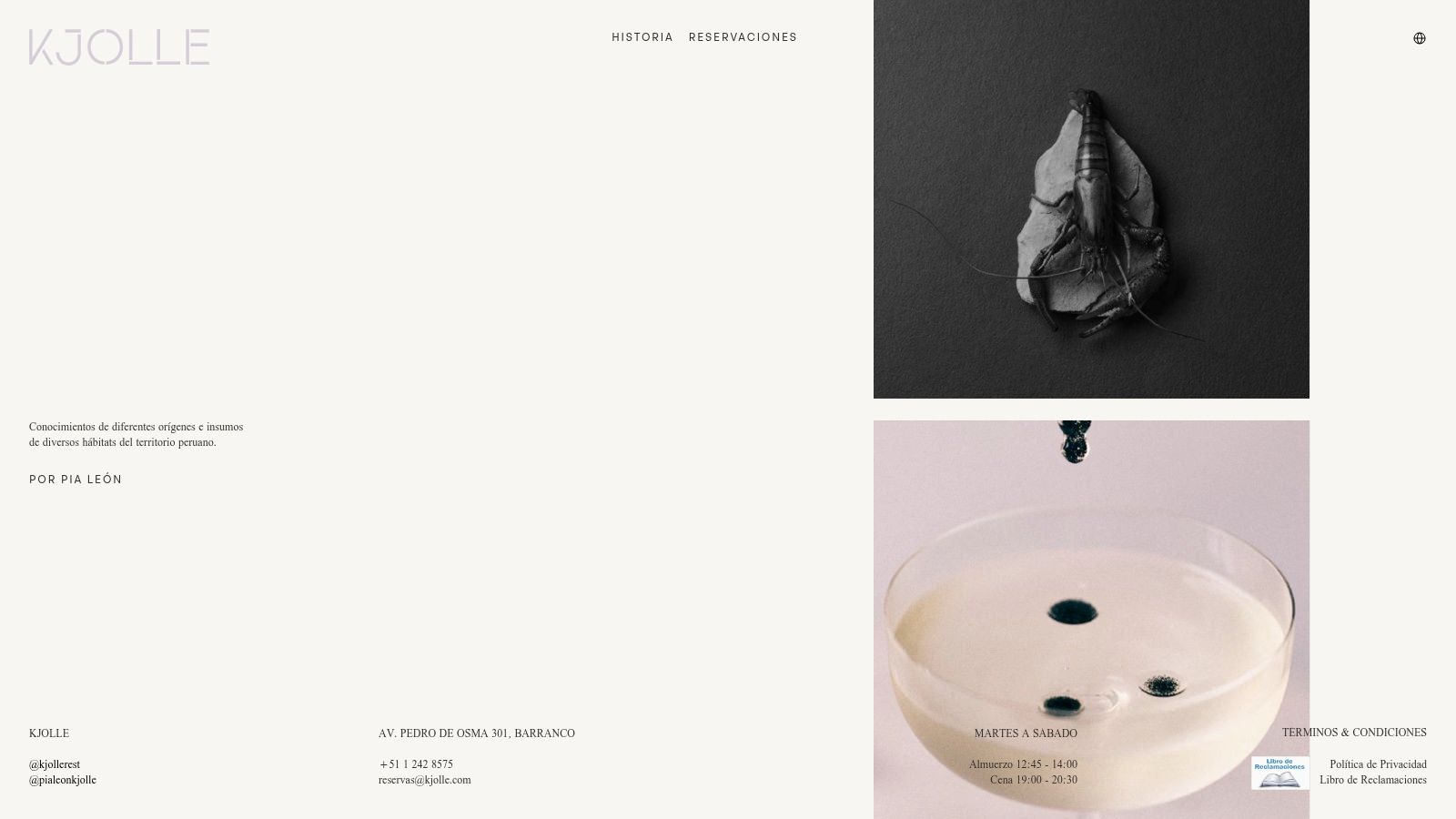
Kjolle is the reservation I use strategically. Not because it's a consolation prize. It isn't. It's because some travelers want the same caliber of thought and ingredient depth they associate with Lima's biggest names, but in a dining room that feels a little more relaxed and a little less high-pressure.
Pía León's restaurant sits in the same Barranco complex as Central, yet it has a voice all its own. The tasting leans more produce-forward, often feels lighter in rhythm, and suits clients who appreciate artistry but don't need the most famous table in the room.
Why I recommend it so often
Kjolle is one of the smartest bookings in Lima for clients who want a serious culinary experience without staking the entire trip on one impossible reservation. It also works beautifully for a second major dinner in the city because the perspective differs enough from Central or Maido to avoid repetition.
The room is smaller, the energy is polished but not stiff, and the menu's emphasis on Peru's biodiversity comes through with freshness and clarity.
- Best fit: Guests who love produce-led tasting menus and elegant creativity
- Big advantage: Easier itinerary fit than the most famous icon tables
- Main caution: Still a fixed tasting format, with limited room for large groups
I also like Kjolle for clients extending South America beyond Peru. If your broader travel style includes culture-led city stays and design-forward dining, the tone here will likely suit you. That's the same reason it often appeals to travelers who also enjoy refined urban experiences like those in this guide to things to do in Rio.
4. Mayta
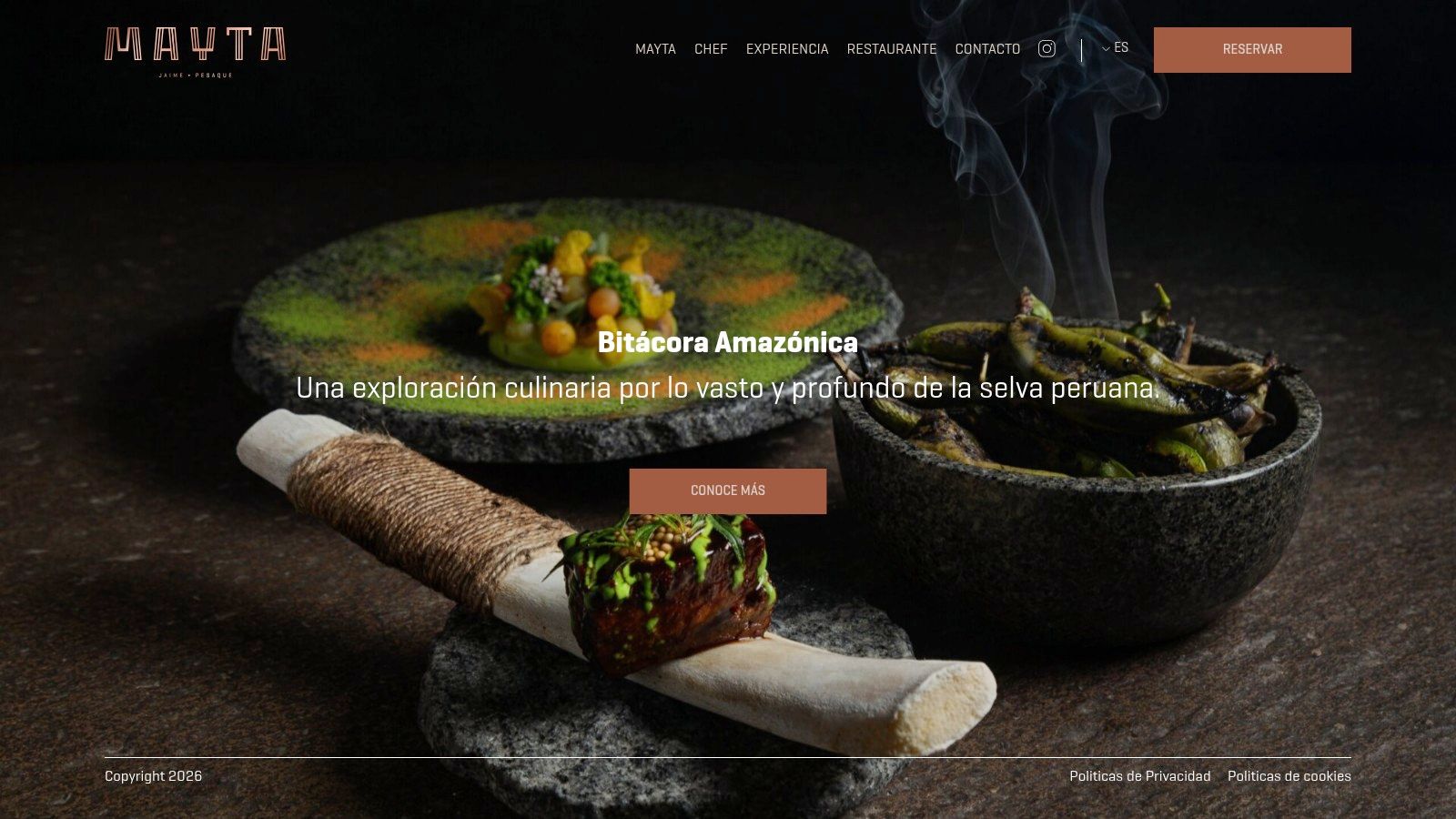
Mayta is where I send clients who want excellence without feeling like they've signed up for a culinary dissertation. Chef Jaime Pesaque's restaurant in San Isidro has the sophistication fine-dining travelers want, but it also has warmth and flexibility, which is rarer than it should be at this level.
That flexibility is the draw. Not every traveler wants a long, all-in tasting every night. Some want a shorter format at lunch. Some want a substantial dinner that still feels approachable. Some are introducing a partner or family member to high-end dining for the first time. Mayta handles all of that well.
What makes Mayta easy to recommend
The menu structure is more versatile than many of Lima's headline restaurants. You can often shape the experience around appetite, schedule, and comfort level, which helps when I'm planning packed Peru itineraries with early flights, private touring, or onward connections.
The bar program is another strength. If you care about pisco and other Peruvian distillates, this is a very good room for it.
Book Mayta when you want a polished Lima dinner that still leaves breathing room in the itinerary.
For many first-time visitors, Mayta ends up being the gateway restaurant. It delivers a strong sense of contemporary Peruvian dining without demanding that every guest commit to the most immersive possible tasting format.
- Best for first-time fine diners: The service style is welcoming and bilingual
- Best for mixed preferences: Meat, seafood, and produce all get proper attention
- Watch for: Reservation guarantees and menu shifts that can affect the final experience
5. Astrid y Gastón
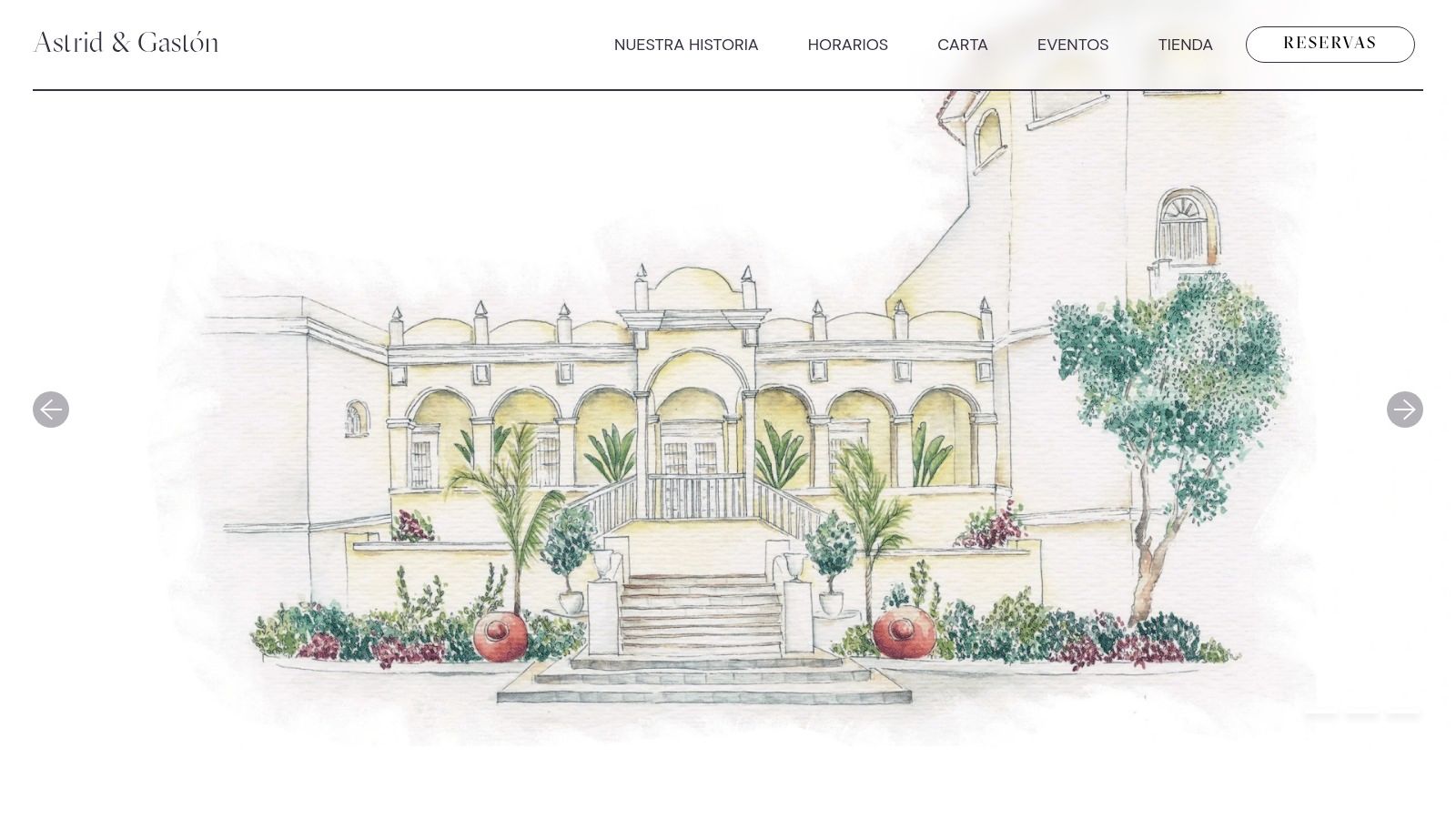
Some restaurants are about the plate first. Astrid y Gastón is one of the few in Lima where the setting itself is part of the drama. Housed in Casa Hacienda Moreyra in San Isidro, it's the one I reserve for anniversaries, birthdays, and milestone nights when the atmosphere needs to feel memorable before the first course lands.
This is also one of the foundational addresses in Lima's rise as a global food city. In practical travel terms, it's a very easy restaurant to build around a celebration because the venue already does so much of the emotional heavy lifting.
The right night for Astrid y Gastón
Go here when you want occasion. The dining spaces are elegant, the service is experienced, and the meal tends to reward guests who are happy to settle in for an unhurried evening.
That's important. I don't place this on a night with an early airport transfer the next morning, and I don't pair it with a heavily scheduled day. The best version of Astrid y Gastón is leisurely.
One fact worth noting is its scale within Lima's elite dining conversation. The city's top-end market is dense enough to support clustered premium dining, and publications have pointed to restaurants such as Central and Astrid y Gastón as among the world's best while also noting that Astrid y Gastón's gastronomic experience offers around 30 plates on Elite Traveler's featured profile of Central. That gives you a sense of just how ambitious Lima's grand-format dining can be.
- Best for: Anniversaries, birthdays, VIP hosting, and travelers who value venue as much as cuisine
- Dietary advantage: The team is usually easier to work with when requests are shared in advance
- Potential drawback: The grandeur can feel less intimate than Barranco's smaller dining rooms
6. Mérito
Mérito is for the traveler who's already done the obvious reservations, or who prefers the tables industry people whisper about over the ones everyone posts first. It's intimate, design-minded, and especially good for adventurous eaters who enjoy bold flavors and a little edge in the room.
I recommend it most often in Barranco-heavy itineraries. If you want a neighborhood night with personality, this fits beautifully.
Why repeat travelers love it
Mérito has a smaller-scale energy that can feel refreshing after one or two big-ticket tasting experiences. The cooking often leans produce-centric, with smoke and grill notes that keep things vivid rather than precious.
It's also the sort of place that works well for travelers who want to feel a little more plugged into Lima's current dining conversation rather than checking off the globally famous names.
If Central is the headline and Maido is the polished classic, Mérito is often the reservation that food-obsessed travelers remember with a little extra affection.
The trade-off is simple. It's small, it's popular, and prime times can be frustrating to secure. For that reason, I usually treat it as either an early target or a backup that still feels exciting, never as a last-minute throw-in.
- Best for: Returning Peru travelers and adventurous diners
- Big strength: Creative energy with a more intimate feel
- Main challenge: Small capacity and less flexibility for spontaneous schedule changes
7. Rafael
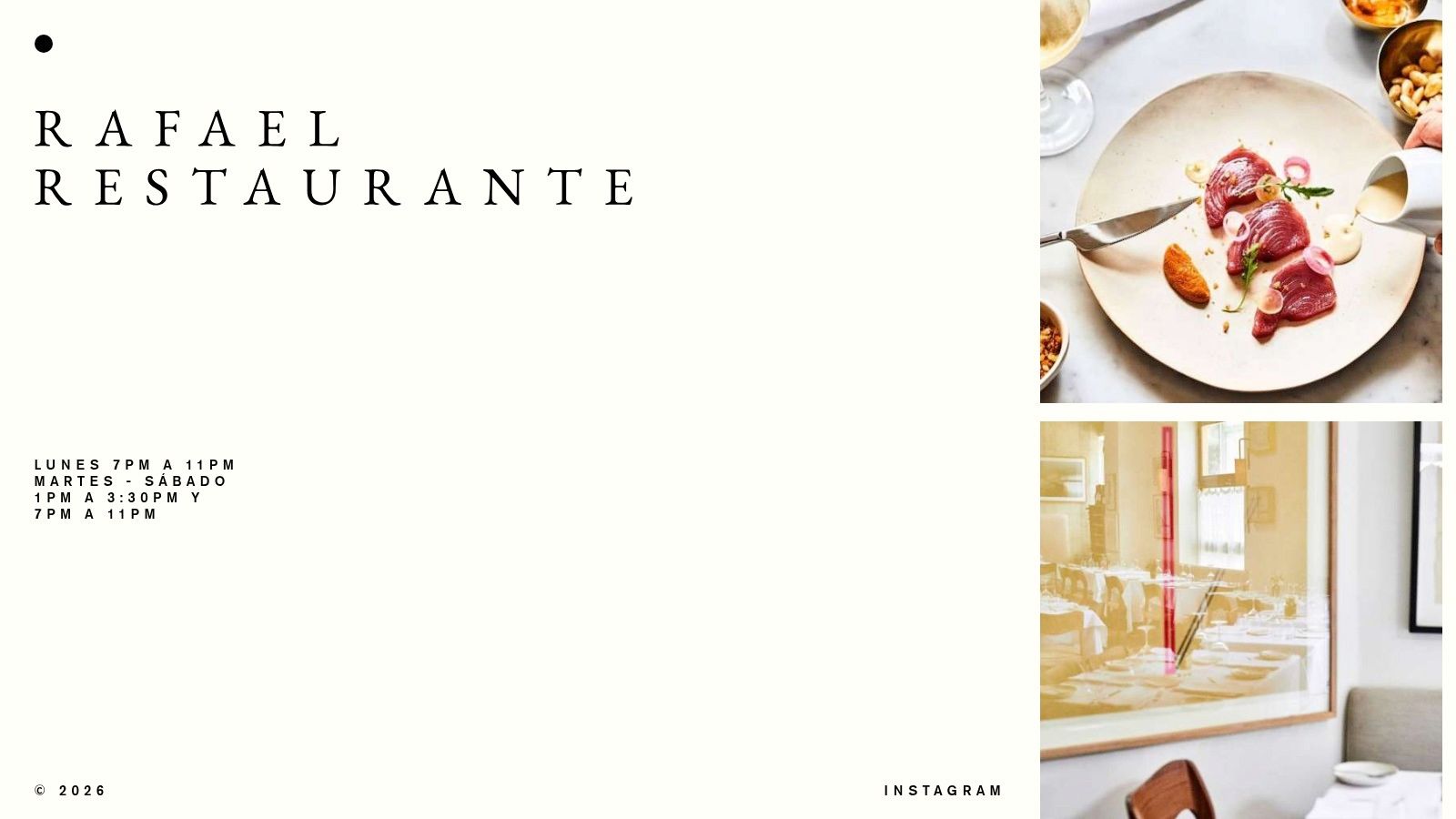
Not every luxury traveler wants a parade of tasting menus. That's where Rafael earns its place on this list. Rafael Osterling's Miraflores institution is my most dependable answer for clients who want a serious Lima dinner but prefer the control of à la carte ordering.
That one distinction changes everything. Families, groups, and couples with different appetites tend to do exceptionally well here.
The smartest flexible choice in Lima
Rafael lets you compose the evening your way. You can keep it lighter, go deeper, build around signature dishes, or lean into the wine cellar and make it more celebratory. That flexibility matters when one guest wants the full culinary event and another just wants a beautiful dinner without committing to hours at the table.
The room is stylish and art-filled, the location is convenient, and the format makes it one of the easiest upscale restaurants in Lima to use well.
A final point that travelers need clearly. Searches for Michelin star restaurants in Lima often blur important distinctions. Michelin maintains official Peru and Peruvian restaurant pages, but Lima is not a Michelin Guide city in the traditional sense, which is why many headlines about Michelin-starred restaurants in Lima are misleading. The better way to evaluate the city is through its global acclaim and repeated presence in major dining conversations, not through a traditional local Michelin star list, as explained on the Michelin Guide's Peruvian restaurant index.
- Best for: Groups, mixed dietary needs, and travelers who want freedom over format
- Best advantage: World-class dinner without committing to a long tasting
- Potential downside: Less experimental than some newer tasting-led stars of the scene
Top 7 Lima Michelin-Star Restaurants Comparison
| Restaurant | Process / Complexity | Resource Needs | Expected Outcome | Ideal Use Cases | Key Advantage |
|---|---|---|---|---|---|
| Central | Very high, months‑ahead, single set tasting; limited same‑day flexibility | High cost and long lead time for reservations and pairings | Exceptional, memorable tasting focused on Peruvian biodiversity | Culinary pilgrimage; travelers wanting a definitive Peru tasting | Singular sense‑of‑place; globally top‑ranked |
| Maido | High, advance booking recommended; polished service flow | High (seafood sourcing, extensive sake/wine list) | Precise Nikkei mastery with standout sushi/nigiri sequences | Celebratory dinners, honeymoons, seafood lovers | World‑class seafood technique; English‑friendly service |
| Kjolle | Medium‑high, reservations open ~4 months; smaller room | Moderate, focused tasting, mid‑range lead time | Produce‑forward, elegant nine‑course tasting | Strategic alternative to Central; relaxed fine dining | Lighter, produce‑centric voice; often easier to book |
| Mayta | Medium, multiple formats (tasting/lunch); flexible pacing | Moderate, deposit sometimes required; strong bar program | Accessible, hospitality‑forward contemporary Peruvian | Introductory fine‑dining for first‑timers; itinerary flexibility | Warm service; flexible menu formats |
| Astrid y Gastón | Medium, event‑capable but formal pacing; theatrical service | High, premium venue suitable for events and large bookings | Theatrical, seasonal menus in a showstopping setting | Milestone celebrations, VIP events, large parties | Iconic historic venue with strong pastry & cocktail programs |
| Mérito | Medium‑high, small capacity; booking persistence needed | Moderate, intimate chef‑led experience with limited seats | Highly creative, bold produce/grill flavors; intimate energy | Repeat travelers and adventurous diners seeking next‑level spots | High creativity‑to‑price ratio; industry favorite |
| Rafael | Low‑medium, à la carte flexibility, simple booking | Moderate, varied spend depending on orders and wine | Dependable, refined meal with flexible ordering | Families/groups or guests who prefer à la carte options | Flexible menu structure; deep wine cellar and consistent service |
Designing Your Ultimate Culinary Journey to Peru
A great Lima dining plan isn't just a list of famous restaurants. It's timing, pacing, neighborhoods, and knowing which nights should feel cinematic versus easy. If you try to stack too many major tasting menus back to back, even a fantastic trip can start to feel like work.
Lima has earned its place as one of Latin America's most important fine-dining capitals because of sustained international recognition over more than a decade, including major global attention around restaurants such as Central and Maido and the broader history of Peruvian cuisine's rise abroad, including the milestone of Lima restaurant in London receiving a Michelin star in 2014, noted on the Wikipedia entry for Lima restaurant in London). For travelers, the takeaway is simple. This isn't hype. Lima's reputation has been built over time and supported by a dense concentration of elite restaurants in one city.
That density is what makes Lima so useful for luxury trip planning. You can create a same-city culinary program with multiple top-tier reservations, compare very different styles of dining, and do it all without adding intercity transfers. Commentary around Lima's market depth has also noted that this clustered premium dining scene is part of what makes it such a strong food destination hub in the region, as discussed in Brand g Vacations' overview of Lima's Michelin-related dining conversation.
When I design these trips, I don't treat restaurants as isolated bookings. I place them inside a full Peru itinerary with the right hotel, the right transfer timing, and the right flow between Lima, the Sacred Valley, and Machu Picchu. That's the difference between a reservation and a fluid journey.
I'm Karrah, owner of Explore Effortlessly, a Circle of Excellence Advisor in the top 5 percent at Nexion. I work with clients nationwide through virtual consultations, designing bespoke Peru itineraries that can include flights, luxury hotels, private transfers, vetted local guides, and hard-to-get dining reservations.
Ready to explore the flavors of Peru? Let's start planning your trip.
And for more insider tips and luxury travel inspiration, join my exclusive newsletter at Explore Effortlessly's newsletter.
Hi, I'm Karrah, owner, founder, and lead travel advisor at Explore Effortlessly, a luxury award winning travel agency based in Miami.
I specialize in designing bespoke, high touch itineraries to bucket list destinations around the world. Every trip is curated with intention, insight, and smooth logistics from start to finish.
From luxury cruises and private villas to honeymoons, safaris, and once in a lifetime journeys, my role is to simplify the planning process while elevating every detail.
If you want a Peru itinerary built around the right Lima reservations, boutique hotels, private touring, and smooth logistics from arrival to departure, Explore Effortlessly is the partner to call. I plan and manage high-touch journeys for clients nationwide, so you can enjoy the dining scene without juggling waitlists, transfers, and timing on your own.