Bhutan usually lands on your list after you’ve done the obvious trips. You’ve had the overwater villa, the polished European summer, the safari that required military-grade calendar coordination. Now you want somewhere that still feels intact.
That’s why package tours to Bhutan work for the right traveler.
Bhutan isn’t built for casual, last-minute tourism. It’s built for people who want a rare destination handled properly. The country has protected its culture, natural beauty, and pace of life by regulating how visitors enter and travel. For some travelers, that sounds restrictive. I think it’s the entire point. The system is the reason Bhutan still feels different.
If you’re a busy professional or a high-end traveler, that structure is an advantage. You’re not trying to cobble together drivers, permits, guides, and hotels across mountain valleys while hoping the pieces line up. You want a smart itinerary, the right pacing, strong local partners, and no friction on the ground.
Bhutan rewards that approach.
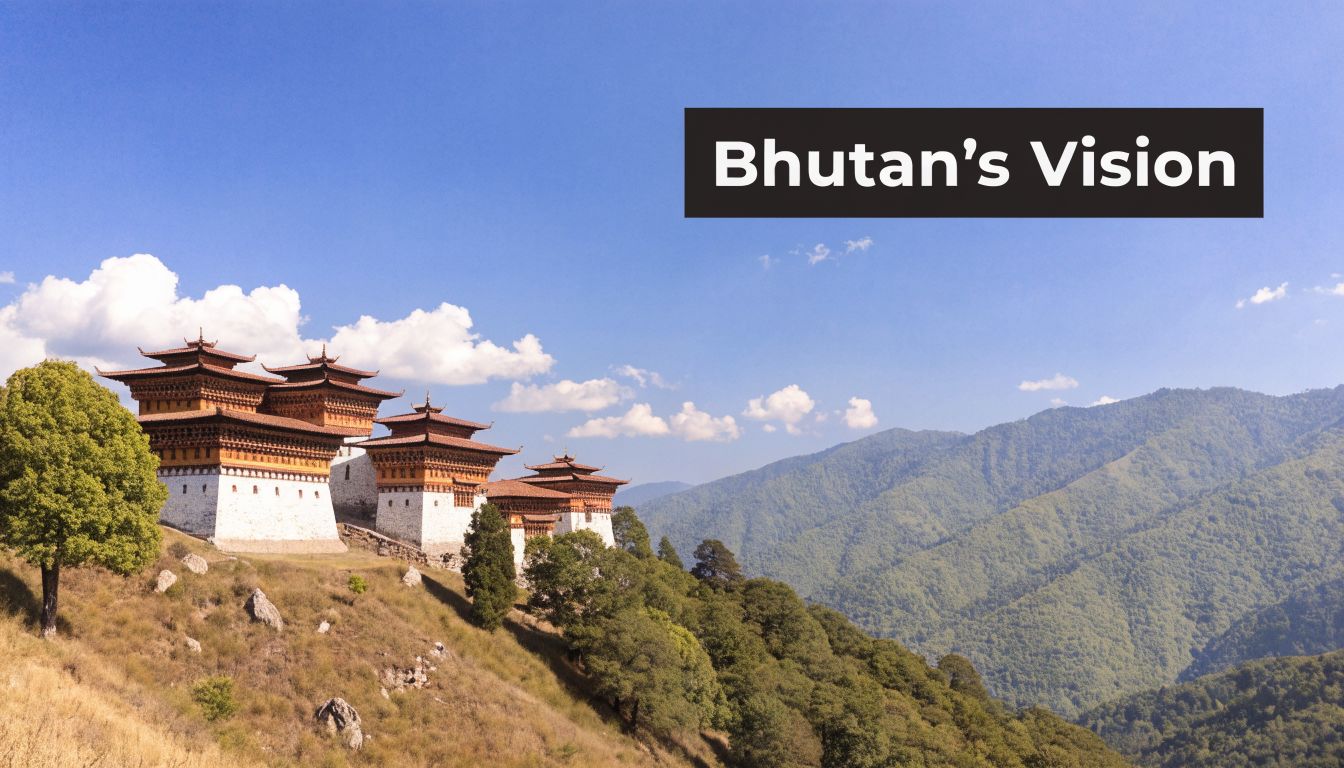
A well-planned journey here isn’t about checking off monuments. It’s about moving through a kingdom where monasteries still anchor daily life, where valleys remain strikingly unspoiled, and where the tourism model deliberately filters out the chaos that has diluted other destinations. If that sounds appealing, it probably means Bhutan is your kind of trip.
If you’re ready to start shaping a customized Himalayan itinerary, explore custom Asia tours designed for complex, high-touch travel.
An Invitation to the Last Himalayan Kingdom
Most clients who ask me about Bhutan start in the same place. They’ve seen the photos of Tiger’s Nest clinging to the cliffside, they’ve heard about Gross National Happiness, and they’re trying to figure out whether the trip is logistically annoying, extravagantly priced, or worth the effort.
The answer is simple. It’s worth it, but only if you approach it correctly.
Bhutan feels rare because it is rare. The country opened to tourism in 1974, and its policies were built around controlled access rather than volume. That’s why it still offers something many luxury travelers struggle to find now. Space, cultural continuity, and an experience that hasn’t been flattened into a global product.
Why the package model is the appeal
The phrase “package tour” can sound generic. In Bhutan, it means something very different. It doesn’t mean a busload of tourists holding matching lanyards. It means the country requires your trip to be pre-arranged through a licensed system, which creates order from the beginning.
That structure gives you:
- Clear logistics: airport coordination, guiding, transport, and route planning are arranged in advance.
- Consistent standards: you’re not gambling on random drivers, unvetted operators, or patchwork bookings.
- A more preserved destination: the framework is designed to prevent the kind of overtourism that ruins the very places people come to see.
Bhutan is one of the few destinations where the rules are part of the luxury.
For travelers who value ease, privacy, and substance, this is a strong fit. You don’t go to Bhutan to “wing it.” You go to experience a protected kingdom with the right access, the right pace, and the right curation.
Who Bhutan suits best
Bhutan is especially compelling for travelers who want:
- A milestone trip: honeymoon, anniversary, major birthday, or bucket-list journey
- Quiet luxury: elegant lodges, meaningful experiences, and less performative travel
- A destination with depth: spirituality, architecture, mountain scenery, and living traditions
- Expert planning: someone else handles the details while you focus on the experience
Understanding Bhutan's Tourism Philosophy
Bhutan’s tourism model makes sense once you stop viewing it through the lens of ordinary travel. This isn’t a destination trying to maximize visitor volume. It’s a destination trying to protect itself while still welcoming travelers.
That’s the key distinction.
The fee is not arbitrary
Bhutan’s package tour system includes a mandatory Sustainable Development Fee, and that fee funds free education, healthcare, tree planting, trail maintenance, and tourism worker training, while supporting controlled tourism that preserves the kingdom’s culture and environment, as outlined in this Bhutan tourism overview.
That matters because the fee isn’t just a barrier to entry. It underwrites the conditions you’re flying across the world to experience. Better maintained trails. Less crowding. Stronger preservation of local character. A tourism economy that doesn’t hollow out the place itself.
Independent travel isn’t the model
If you’re used to traveling independently, Bhutan requires a mental reset. International visitors don’t treat Bhutan like a DIY destination. The trip must be arranged through the country’s approved tourism structure.
That changes the planning process in a few important ways:
- Your itinerary is pre-arranged rather than improvised on the fly.
- Your guiding and transport are integrated into the trip instead of booked piecemeal.
- Your experience is shaped intentionally around access, pacing, and compliance.
For the right traveler, this is not a downside. It removes the low-value friction.
Why this system protects the experience
Bhutan has resisted the temptation to become another destination overrun by tourism demand. That restraint is why a trip there still feels distinct. You notice it in the atmosphere. Roads are calmer. Sites feel more reverent. Valleys don’t feel monetized to death.
Practical rule: If a destination’s biggest luxury is authenticity, then a controlled entry system is often a strength, not a weakness.
This is why package tours to Bhutan deserve a different category in your mind. You’re not buying convenience alone. You’re buying access to a country that has chosen preservation over volume.
What a Standard Bhutan Package Includes
A standard Bhutan package gives you the framework. It’s the baseline version of the trip, not the final expression of it.
That baseline is useful because it answers the first practical question discerning travelers always ask. What is already covered, and where do upgrades begin?
What is typically built into the package
Most standard arrangements are designed to cover the core mechanics of travel in Bhutan so you’re not stitching together essentials yourself.
You can generally expect the package structure to include:
- The mandatory tourism fees: these are built into the trip structure rather than handled as a separate afterthought.
- A licensed local guide: Bhutan is a guided destination, and having a strong guide shapes the trip far more than most first-time visitors realize.
- Private ground transport with driver: this is essential in a country where travel is scenic but not fast.
- Meals throughout the journey: breakfast, lunch, and dinner are typically part of the package format.
- Accommodation at the standard level: this usually means solid, locally approved hotels rather than ultra-luxury lodges.
- Sightseeing access: common monuments, monasteries, museums, and cultural sites are generally folded into the package.
What is usually not included
Clients often get tripped up if nobody spells it out clearly. “Package” does not mean every conceivable travel cost is covered.
Common exclusions often include:
- International airfare: your long-haul flights are usually separate from the land arrangement.
- Travel insurance: always handle this intentionally, never as an afterthought.
- Premium alcohol and special dining requests: the standard package tends to be generous, not extravagant.
- Tips for your guide and driver: these are normally handled separately.
- Luxury accommodation supplements: if you want top-end lodges, private villas, or high-touch wellness stays, that’s where your price moves upward.
Standard packages are the skeleton. Luxury planning is the muscle, skin, and personality.
Why this matters for luxury travelers
A standard package is perfectly workable. But most high-end travelers don’t want a workable trip. They want a refined one.
That means adjusting room categories, choosing better-positioned properties, pacing drives intelligently, protecting recovery time after altitude changes, and building in the right experiences instead of filling days. Bhutan can absolutely be luxurious, romantic, family-friendly, or adventure-led. It just won’t become that by accident.
Designing Your Bespoke Bhutan Experience
The smartest way to think about package tours to Bhutan is this. The framework is fixed, but the experience inside that framework can be highly personal.
That’s where bespoke planning earns its keep.
For travelers who want polished luxury
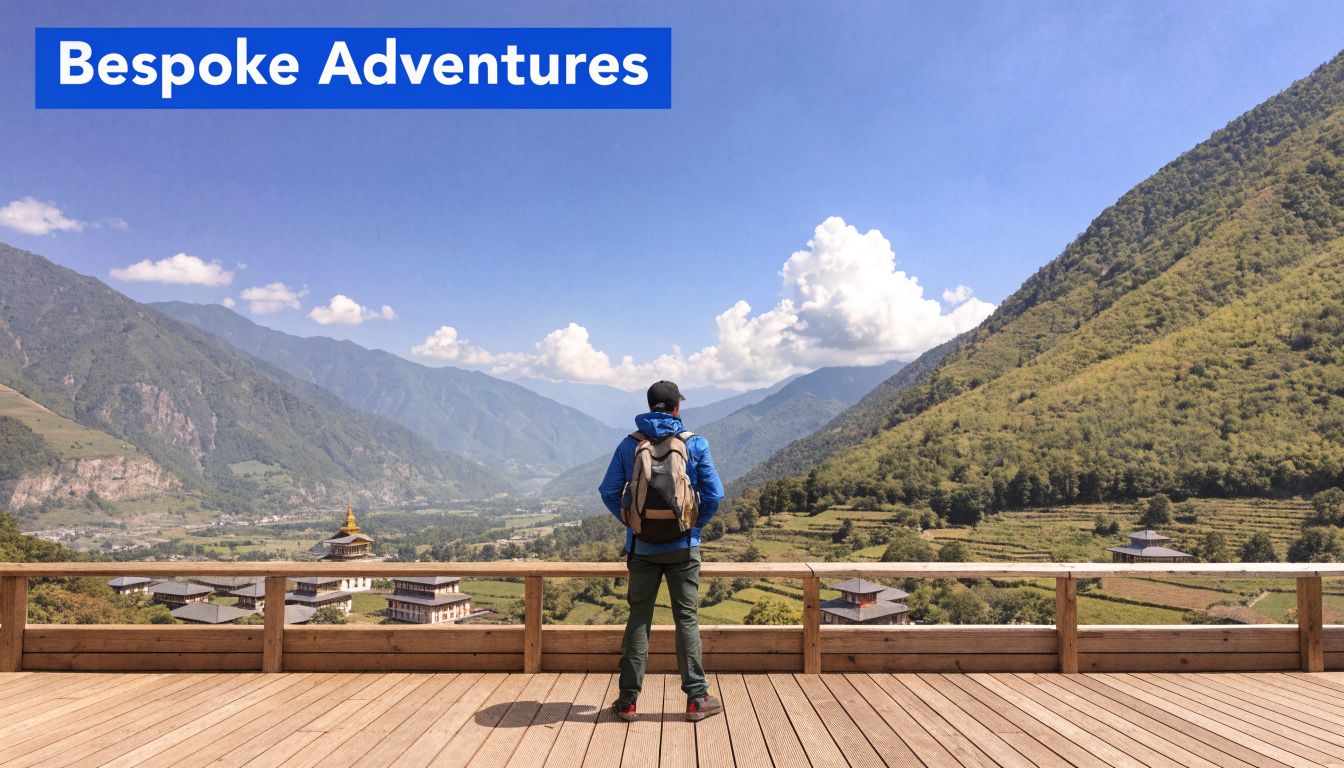
If your version of Bhutan includes exceptional lodging, strong design, privacy, and a high service standard, the country can absolutely deliver. Top-tier lodges thus change the tone of the trip. Instead of merely moving between sightseeing stops, you settle into properties that feel restorative and intentional.
The difference shows up in the details. Better room inventory. More serene settings. A smoother transition between active days and slower ones. Bhutan is a place where the hotel choice affects the emotional rhythm of the trip more than people expect.
For honeymoons and anniversaries
Bhutan suits couples who want intimacy without cliché. This isn’t a destination for staged romance. It’s for couples who’d rather have candlelit quiet, mountain air, and a spa ritual after a monastery hike than a crowded beach club and a reservation scramble.
A strong romantic itinerary usually includes:
- Private pacing: enough downtime to let the trip breathe
- Beautiful lodging: ideally with a strong sense of place
- Thoughtful experiences: blessings, scenic picnics, private dinners, or wellness moments
- Route discipline: too much moving kills romance fast
For families and multigenerational groups
Bhutan works best for families who want connection more than constant entertainment. Older children often engage well with the natural environment, monastery visits, gentle hikes, and cultural elements like archery. For multigenerational trips, the route needs restraint. Too many long drives and everyone loses patience.
A family itinerary should prioritize balance:
| Travel style | Best approach |
|---|---|
| Young families | Shorter transfer days, soft outdoor activities, comfortable hotels |
| Teens | Add hikes, local culture, and hands-on experiences |
| Multigenerational groups | Fewer hotel changes, upgraded vehicles, easy pacing |
For travelers who want a broader Himalayan journey
Bhutan also pairs beautifully with neighboring destinations if you want a longer regional itinerary. For travelers considering a combined journey, a tour of Nepal can complement Bhutan well, especially if you want to balance Bhutan’s structured access with a broader Himalayan cultural contrast.
The best Bhutan itineraries don’t try to do everything. They choose a mood, then build around it.
When to Travel The Best Seasons and Festivals
Timing matters in Bhutan because the experience changes with the season. Not just the scenery, but the feel of the trip.
If you want the classic version of Bhutan, aim for spring or autumn. These are the seasons most travelers picture when they imagine clear mountain views, crisp air, and ideal conditions for cultural touring and hiking.
Spring and autumn for the classic trip
The main travel windows are March to May and September to November. These periods are popular for good reason. The scenery is photogenic, skies are often clearer, and festival travel is especially appealing then.
If seeing a Tshechu festival is high on your list, these seasons usually make the most sense. They also tend to suit first-time Bhutan travelers who want the broadest mix of comfort, access, and visual drama.
But there’s a tradeoff. Travelers should expect potential 10 to 15 percent price inflation during the peak seasons of March to May and September to November, as noted in this Bhutan budgeting overview.
Winter and summer for a quieter feel
If your priority is atmosphere over textbook timing, shoulder periods can work beautifully. Winter often appeals to travelers who don’t mind cooler conditions and prefer a quieter, less in-demand travel window. Summer can bring greener scenery and a softer, moodier look.
These seasons aren’t wrong. They’re just more specific.
Consider a quieter season if you want:
- Fewer travelers around major sites
- A slower, less socially busy hotel atmosphere
- Potentially better value than peak travel windows
- A trip shaped around scenery and retreat, not festivals
If your calendar is rigid, book the best season available. If your calendar is flexible, book for the experience you want most.
My recommendation
For most first-time luxury travelers, autumn is the easiest sell. For couples, I often like spring. For repeat travelers or clients who dislike peak demand energy, winter can be a smart choice. The right answer depends less on “best weather” and more on whether you care most about festivals, photography, privacy, or pace.
Sample Itineraries From a Glimpse to an Immersion
Most Bhutan itineraries fail for one reason. They try to squeeze too much into a mountainous country that rewards slower travel.
A good route feels edited.
The quick first trip
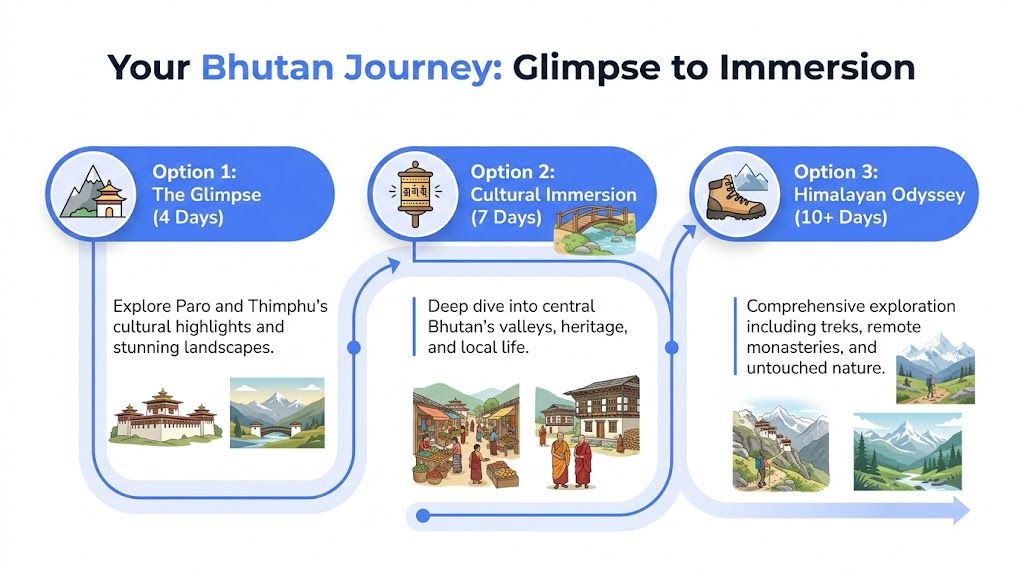
A shorter Bhutan journey works if your goal is a concentrated introduction rather than a deep dive. This type of itinerary usually focuses on Paro and Thimphu, with enough time to absorb the setting without making the trip feel like a race.
It’s ideal for travelers who want:
- A strong first impression of Bhutan
- One signature hike, usually Tiger’s Nest
- A manageable amount of driving
- A high-impact trip that fits a tighter calendar
This version suits clients pairing Bhutan with another destination or travelers testing whether they want to return for a longer journey later.
The classic cultural route
The sweet spot for many travelers is a week in Bhutan with Punakha added to the route. The journey begins to feel layered. You get the visual drama of Paro, the capital’s cultural contrasts in Thimphu, and the softer valley atmosphere of Punakha.
The flow tends to feel more satisfying because there’s room for both movement and pause. You’re not just seeing Bhutan. You’re starting to feel how each valley carries a different mood.
The deeper immersion
Once you stretch the itinerary, Bhutan opens up. A longer journey allows you to move beyond the most photographed stops into quieter valleys and more contemplative pacing. Consequently, the country becomes especially rewarding for repeat luxury travelers, serious walkers, and clients who dislike superficial itineraries.
A deeper route often emphasizes:
- Longer stays in standout properties
- Remote monasteries and less-visited valleys
- Nature-heavy days with cultural balance
- A stronger sense of rhythm and immersion
A short Bhutan trip can be memorable. A longer one changes your relationship to the place.
These aren’t rigid templates. They’re starting points. The right Bhutan itinerary depends on your flight pattern, tolerance for mountain driving, hotel priorities, and whether the trip is about celebration, culture, retreat, or adventure.
Understanding the Cost of Your Bhutan Tour
Let’s get to the part travelers want answered. What does Bhutan cost when done well?
It’s not a budget destination, and it shouldn’t be treated like one. If you’re considering package tours to Bhutan, the better question isn’t “How cheap can this be?” It’s “What level of experience am I buying?”
The mandatory baseline
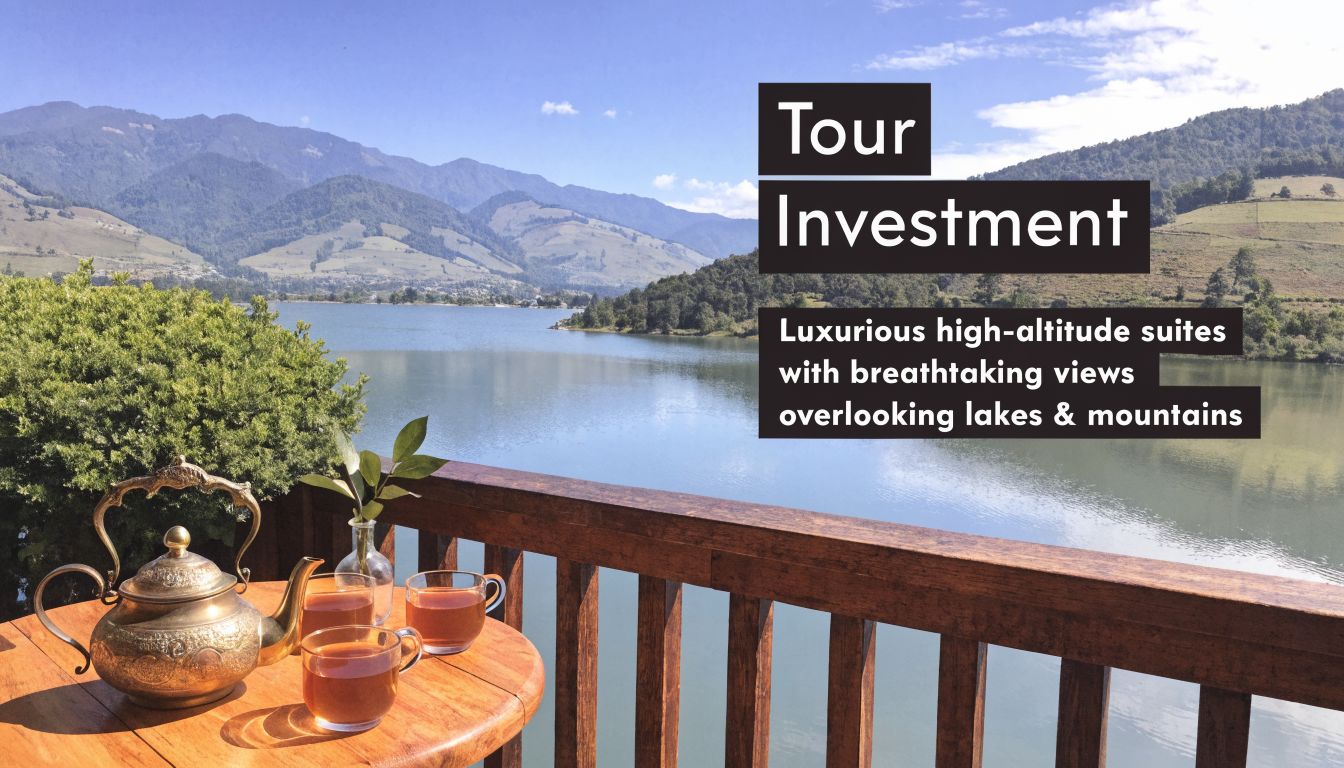
As of 2026, Bhutan’s Sustainable Development Fee is US$100 per person per night, and inclusive luxury packages typically range from $400 to $1000+ per day, with fully bespoke 10-day journeys often totaling $15,000 to $50,000 per person depending on accommodations and experiences, according to this Bhutan luxury package cost guide.
That range is wide because Bhutan can be done at very different standards. The floor and the ceiling are not remotely the same trip.
Where the price moves
Your total usually shifts based on a handful of major decisions.
| Cost driver | What it affects |
|---|---|
| Hotel level | This is often the biggest lever in a luxury Bhutan budget |
| Trip length | The required nightly fee and touring costs accumulate quickly |
| Private tailoring | Exclusive experiences and premium pacing raise the overall spend |
| Travel season | High-demand dates can push rates upward |
If you choose top-tier properties, the lodging itself changes the economics of the trip. If you build a highly customized route with special access, more privacy, or advanced logistics, the price follows.
My blunt budgeting advice
If you want Bhutan to feel effortlessly organized, restorative, and truly high-end, don’t budget at the low end and hope it somehow turns into a luxury trip. It won’t.
A better approach is to decide these three things first:
- Your comfort standard: solid upscale versus true luxury
- Your must-haves: suite categories, wellness, privacy, or special experiences
- Your flight strategy: if you’re still sorting that piece out, these tips for booking international flights are worth reviewing before you lock the land plan
Bhutan is expensive in the way rare, logistically controlled destinations are expensive. The right response is not sticker shock. It’s planning discipline.
Why Plan Your Bhutan Journey with an Expert
Bhutan is exactly the kind of destination where expertise saves time, protects quality, and improves the trip before you ever leave home.
This isn’t just about booking hotels. It’s about sequencing the route correctly, choosing the right local partners, avoiding clumsy pacing, and making sure the experience feels elegant rather than administratively heavy. Bhutan has rules, permits, and operational realities that don’t reward amateur planning.
What expert planning changes
The value of working with a specialist shows up in the parts of the trip you don’t want to manage yourself.
That includes:
- Smart itinerary design: balancing scenic ambition with realistic driving times and energy levels
- Partner selection: using vetted local operators, guides, and drivers who meet a high service standard
- Accommodation strategy: knowing where to splurge, where to simplify, and how to build a route around the strongest properties
- Pre-departure clarity: making sure flights, documents, timing, and expectations are aligned before the trip starts
For travelers who are time-poor, that matters. You shouldn’t be spending your evenings cross-referencing permits, hotel categories, route logistics, and entry rules for a complex Himalayan journey.
Why this matters even more in Bhutan
In easier destinations, bad planning is annoying. In Bhutan, bad planning reshapes the trip. The wrong route can create fatigue. The wrong hotel mix can flatten the experience. The wrong timing can affect atmosphere, pricing, and what kind of trip you think you’re buying.
If you want a journey that feels polished from inquiry to departure, it helps to work with someone who understands bespoke travel strategy more broadly. Learn more about bespoke travel experiences.
Hi, I’m Karrah, owner, founder, and lead travel advisor at Explore Effortlessly, a luxury award winning travel agency based in Miami.
I specialize in designing bespoke, high touch itineraries to bucket list destinations around the world. Every trip is curated with intention, insight, and seamless logistics from start to finish.
From luxury cruises and private villas to honeymoons, safaris, and once in a lifetime journeys, my role is to simplify the planning process while elevating every detail.
Karrah works with clients nationwide through virtual consultations.
Frequently Asked Questions About Bhutan Travel
Can I travel independently in Bhutan
Not in the way most travelers mean it. Bhutan uses a pre-arranged tourism model for international visitors, so the trip needs to be structured properly in advance rather than improvised as a backpacking-style journey.
Is the Sustainable Development Fee worth it
If you value preservation, yes. The fee supports the systems that protect the experience you’re going for, including public services and environmental stewardship. Bhutan is one of the few places where the tourism framework and the destination’s integrity are directly connected.
How much should I realistically budget
For a luxury traveler, I’d budget based on the style of trip you want, not the lowest possible entry point. A standard package and a bespoke high-end itinerary are completely different products, even though both fall under package tours to Bhutan.
How far in advance should I plan
Earlier is better, especially if your travel dates are fixed or you value room selection and pacing. Bhutan isn’t the place to leave until the last minute if you want the best route and the strongest accommodation mix.
What documents should I check before I commit
Start with your passport validity well before flights are ticketed. If you need a refresher on understanding passport validity requirements, that guide is a useful place to start. It helps avoid one of the most avoidable international travel mistakes.
Is Bhutan a good honeymoon or anniversary destination
Absolutely, if you want substance over spectacle. Bhutan works best for couples who value privacy, scenery, great lodging, and meaningful experiences more than nightlife or beach-resort energy.
If Bhutan has been sitting in your “one day” file, this is the moment to turn it into a well-planned trip instead of another open browser tab. Plan my luxury trip with Explore Effortlessly. If you’d like more destination insight and planning advice, join the Explore Effortlessly newsletter.