The best tour of Italy is the one that gives your priorities enough time to breathe. For a first visit, start with Rome, Florence and Venice, then decide whether a countryside stay or coast belongs in a longer trip. Choose a private itinerary if your schedule, hotel standards or interests matter more than covering the maximum number of stops.
Italy offers an almost unfair number of choices. A promising route can become three hotel changes, two early departures and a day spent moving luggage instead of seeing the place you came for. The real question is not how many cities fit on a map. It is what your days will actually feel like once transfers, timed entries and meals are included.
Which Kind of Italy Tour Fits You?
A guided group tour solves the transportation puzzle and gives you a fixed structure. The tradeoff is the shared timetable: your favorite city may receive less time than a stop you would have skipped. A private guided itinerary lets you choose the balance of art, food, countryside and downtime, but it needs more decisions up front. A rail-based trip with individual private guides can be the middle ground for travelers who enjoy independent evenings.
My first question is whether you want a companion for the whole trip or expert interpretation at selected sites. You do not need a guide in every piazza. A good guide changes the experience at a complex archaeological site or art museum; an unscheduled evening changes your relationship with a neighborhood.
| Style | Best for | Watch for |
|---|---|---|
| Small group | Travelers who welcome a set route and company | Early starts and limited flexibility |
| Private itinerary | Couples or families with specific interests and preferred pacing | Cost of private guides and transfers |
| Rail plus local guides | Independent travelers who want expert days and open evenings | Station logistics and luggage handling |
For more help deciding what belongs in the itinerary, see my practical tips for planning Italy. The biggest upgrade is often not another stop. It is a better hotel location and a day without a transfer.
Build the Route Around Nights, Not Pins
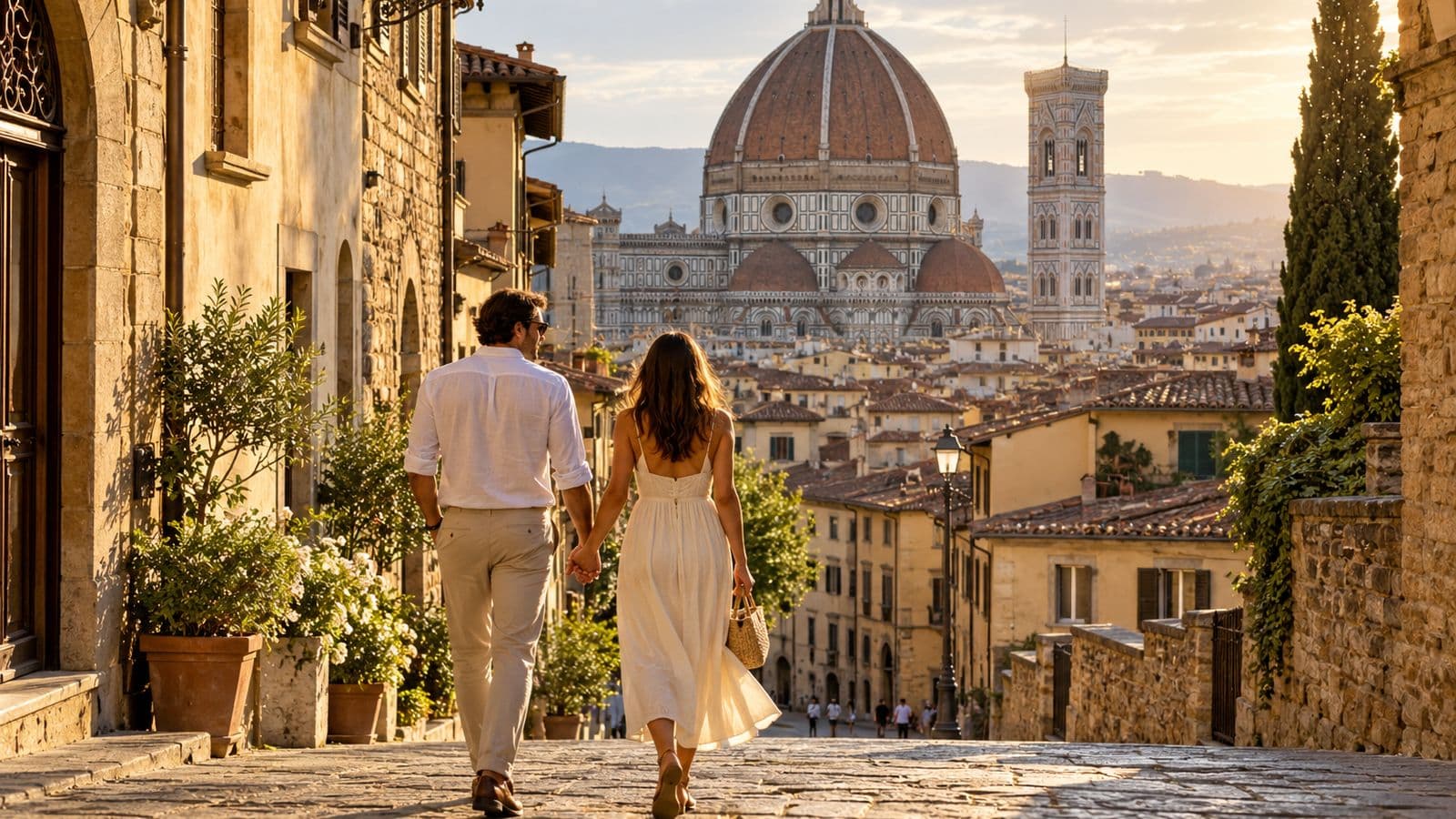
Rome, Florence and Venice make a sensible first-time route because you can connect the three by rail. Trenitalia's Frecciarossa route information lists both Rome to Florence and Venice through Florence, although exact services and schedules can change. I would usually choose an open-jaw flight plan when the available air service works, rather than return to the arrival city only to fly home.
Give Rome enough room for one substantial sightseeing day and a separate, more relaxed day. Florence works best when a major art visit is paired with wandering or a Tuscan excursion, not three museums back to back. Venice deserves an overnight stay rather than a rushed out-and-back. If you have fewer than ten days, reduce the number of bases before you reduce sleep.
My planning rule: Each hotel change should earn its place. If the transfer consumes the best part of a day, stay longer in the previous city or remove a stop.
A Ten-Day Tour of Italy That Feels Like a Vacation
Think of this as a pacing framework, not a promise that every sight will be available on your dates. I would allocate three nights in Rome, three in Florence and three in Venice, with arrival and departure days treated as travel days. That puts the emphasis on experiences, not collection.
Rome, days one through three
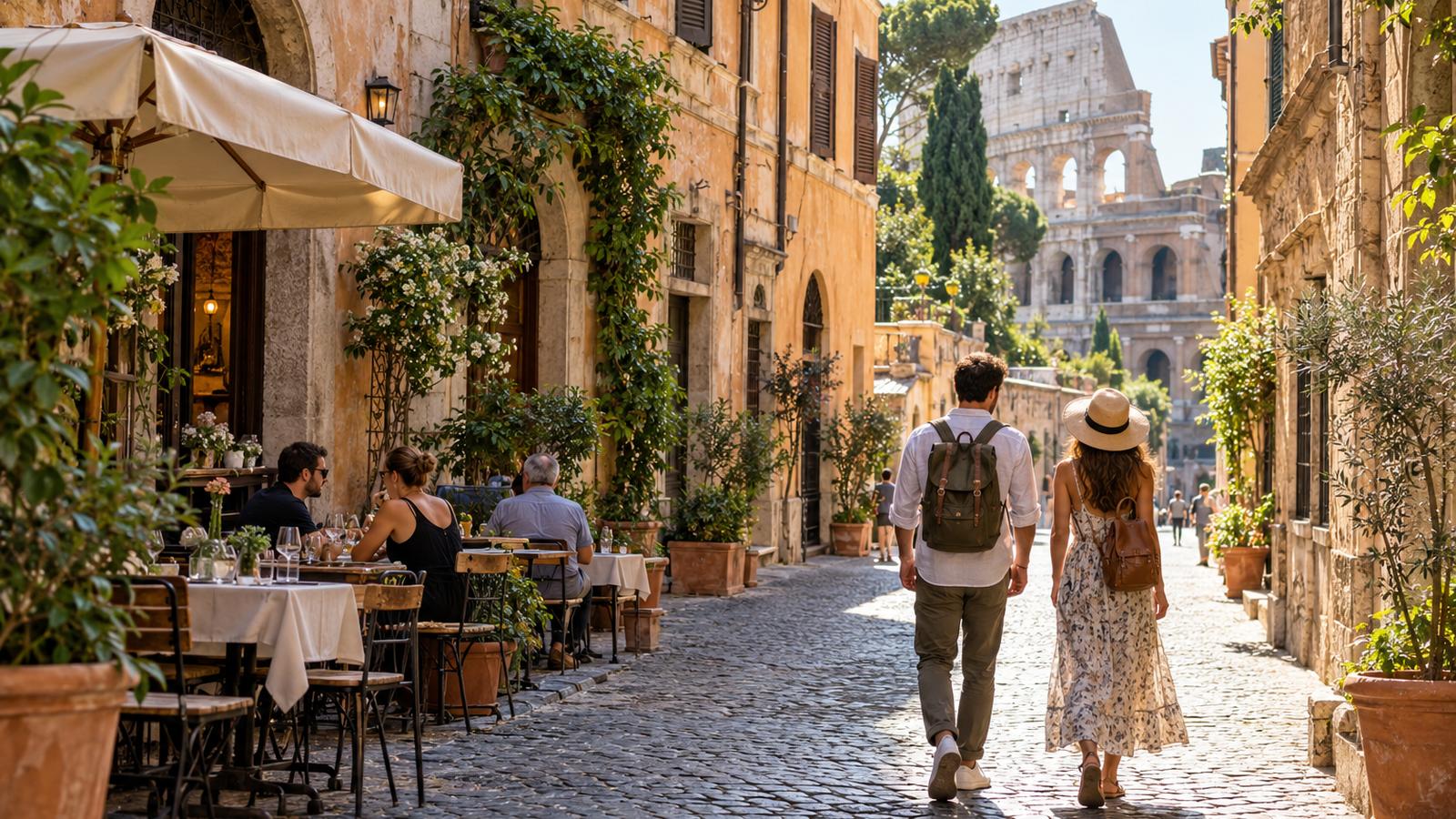
Use the first day for arrival, a gentle walk and dinner close to your hotel. Put ancient Rome on a day when you are rested. The Colosseum's official visitor information says entry requires a reserved time slot, tickets bear the visitor's name and sales open 30 days before a visit. Those rules can change, so match the sightseeing plan to the current release window rather than assuming a guide can conjure access at the last minute.
Florence, days four through six
Take a direct rail connection when the current schedule supports it, then leave room to check in and explore. Pair one museum-focused morning with an unhurried afternoon. The Uffizi's official reservation guidance explains that time-specific reservations can reduce waiting in peak periods. For a countryside day, decide whether you want a winery, a small town or a long lunch, not a checklist that barely lets you get out of the car.
Venice, days seven through ten
Keep a proper Venice day free for wandering beyond the most familiar landmarks. Your arrival transfer matters here: a centrally located hotel that is manageable with your luggage can be worth more than a showier room reached through a difficult handoff. Leave your final day flexible for departure, not a last-minute museum commitment.
If you have only seven days, keep two bases. Rome and Florence suit art and food; Florence and Venice suit a gentler northern route. Attempting Rome, Florence, Venice and the Amalfi Coast in one week turns your holiday into a transportation test.
When to Add the Coast, Lakes or Countryside
The Amalfi Coast is not a small detour from the classic three-city route. It changes the geography and the time you need to travel comfortably. I would add it when you can give the south several nights, especially if sea views and slow lunches are the point. A short trip is better served by choosing Rome plus one southern base instead of stretching to Venice as well.
Tuscany offers a different kind of breathing room. After several days of museums, a countryside stay can mean fewer appointments and a more restorative pace. Lake Como is a stronger choice when the water, gardens and hotel setting are the main event, rather than a single photo stop on a route that already has too many cities. A villa makes sense for a group that wants shared space, but location and transport become central decisions. My guide to choosing an Italian villa explains what to assess before committing.
Do not treat every attractive region as interchangeable. A coastal stay, villa stay and major art-city tour need different rhythms. Build around the experience you care about most, then ask what you are willing to leave for another visit.

Choose the Season for Your Priorities
For an art-focused first trip, I often favor spring or autumn over midsummer. Italy's official tourism site recommends low or mid season for city visits when possible, noting milder temperatures and less crowd pressure. That is guidance, not a guarantee of empty galleries or mild weather on a particular day.
September can be appealing for a mixed city-and-countryside journey, but it is not a secret quiet month. If your dates are fixed, prioritize the hotel and guided experiences that matter most before planning every dinner. If dates are flexible, I would compare actual availability and the climate for each region rather than declare one month universally best. Southern coastal time and northern art cities need not share the same ideal calendar.
Start with your non-negotiable experience. If swimming is essential, the coast leads the decision; if long walking days and galleries matter more, the city climate leads. For a deeper look, see what an Italian September trip involves.
Spend on What Changes Your Day
A well-placed room can save a tiring cross-city transfer at the start and end of every sightseeing day. A private guide at a site with dense history can make two focused hours more rewarding than a full afternoon trying to absorb everything alone. And a private arrival transfer can be valuable when you land after an overnight flight with bags, especially if the last leg to the hotel is complicated.
Look closely at room category, not just hotel name. A view, larger floor plan or quieter position may be worth the difference for a milestone trip, while an expensive upgrade matters less if you will spend most days away from the property. Confirm the specific room type and what it includes; the label on the hotel's home page is not enough.
I would be cautious with any tour that advertises an improbable number of destinations in a short window. Count the nights in each base, not the number of places in the headline. Then look at what is actually included:
- Guiding and access: Which days have a private guide, and are timed museum entries included?
- Transfers: Are airport pickups, trains and last-mile hotel transfers specified?
- Independent time: Is there enough unscheduled time to enjoy the places you visit?
A lower headline price may cover a very different trip.
What a Tour of Italy Costs
For a roughly ten- or eleven-day Italy land tour, published starting prices show a very wide spectrum: around $4,000 to $19,000 per person, before international airfare. One current 11-day premium group-tour listing showed an undiscounted starting price of $3,950, while a ten-day tailor-made Rome, Florence and Venice journey was listed from $18,895 per person. These are examples at opposite ends of the service spectrum, not equivalent packages or a promised market quote. I checked published supplier listings for the estimates but am not directing you to a supplier booking page.
Your actual trip cost can vary significantly with the number of travelers, travel dates and season, trip length and route, hotel and room category, guides and experiences, transportation and transfers, dining inclusions, level of luxury, current availability and airfare. Private guides across several cities cost more than a group itinerary, but they also buy you control over the day. A quote must specify inclusions before you compare it with another one. This estimate is not a quote or a guaranteed price.
If your ideal trip is a two-week private journey with multiple regions and high-end hotels, do not assume the starting price of a group tour describes it. My two-week Italy itinerary planning guide helps frame what that additional time can accomplish.
Frequently Asked Questions
What is the best tour in Italy for a first visit?
For travelers who want the classic art-and-culture introduction, I would start with Rome, Florence and Venice, then personalize the pace and guiding. A small group is useful if you like a fixed itinerary. A private route is a better fit when your hotel preferences, mobility, family needs or interests should shape the schedule.
What is Rick Steves' recommended Italy itinerary?
His published 11-day My Way route connects Rome, Assisi, Siena, the Cinque Terre and Florence. It is a particular escorted format, not a universal prescription. If Venice, private guiding or a less frequent change of bases matters to you, build a different route rather than copying a map designed for a different travel style.
What is the best month for an Italy tour?
There is no single best month for every itinerary. I favor spring or autumn for extended walking and art-city days, while a coast-centered trip asks a different question about weather and how you intend to spend time on the water. Compare the specific regions and dates, then secure the experiences with limited availability.
What should Americans avoid doing when planning Italy?
Do not assume entry rules or timed-entry policies from an old itinerary still apply. The Italian consulate's guidance for U.S. citizens says tourism visits of up to 90 days in any 180-day period do not require a visa, but requirements can change. Every traveler is responsible for meeting the entry and document requirements applicable to them. Also avoid scheduling major sightseeing immediately after an overnight flight or planning a same-day intercity transfer tightly against an international departure.
Plan an Italy Trip That Is Yours
A thoughtful Italy tour balances the things you cannot miss with room for the place itself. At Explore Effortlessly, we design custom international itineraries that connect the hotels, transport and experiences to your available time. I will help you decide where a guide adds value and where the best choice is simply to stay another night.
If you are weighing a private tour against a premium group itinerary, Start Planning My Italy Trip. Tell me your dates, who is traveling and the moments you most want to remember. For more travel planning ideas, join the Explore Effortlessly newsletter.
About the Author
Hi, I'm Karrah Kazravan, owner and lead travel advisor at Explore Effortlessly, an award winning Miami agency serving clients nationwide. I design custom journeys for busy travelers who want confident recommendations and thoughtful coordination. I have traveled to more than 67 countries across all seven continents and am a Nexion Circle of Excellence Top 5% advisor, ASTA Verified Travel Advisor, Certified Travel Associate, and CLIA Accredited Cruise Counselor.