An African safari can cost roughly $1,200 to $3,200 per person per night at select premium Botswana camps in the June to October 2027 season, before international flights and some transfers. Your real total depends on where you go, when you travel, how many nights you spend in the bush, and precisely what your camp includes.
That is a wide spread for what sounds like the same trip. A camp rate may include meals, guided drives and park fees, while the next property excludes conservation fees and the flight that gets you to its airstrip. If you are comparing beautiful photos and headline prices between meetings, you need a better way to judge the whole journey.
I start with the experience you want, then work backward through the nights, camp location, travel time and inclusions. My guide to planning an African safari covers the broader choices; here is how to put a realistic number on them.
What Actually Drives Safari Cost
The greatest price difference is often the combination of place and access. A remote camp reached by a light aircraft can require an entirely different transfer plan from a lodge reached by road. Privacy, guide and vehicle arrangements, room category, and the amount of wildlife-viewing time built into your stay also change what you are paying for. A high nightly rate is not automatically better for you.
Compare the journey in layers instead of treating a per-night figure as the total. I would ask for the same information on every option:
- Camp stay: Nights, room or tent category, single or shared occupancy, and what meals and drinks are included.
- Wildlife experience: Shared or private game vehicle, activities offered at your specific camp, and any age or mobility limits.
- Access: International flight, onward flight, airstrip transfer, road transfer, and possible overnight near an arrival airport.
- Extras: Park or concession fees, additional experiences, insurance and gratuities where applicable.
For example, Wilderness lists meals, twice-daily activities and park fees in the published inclusive rate for its Botswana Linyanti Tented Camp, while Singita's Explore camp information and inclusions lists some wildlife and concession fees as exclusions. Those are different products, not two interchangeable nightly prices.
Choosing the Right Country Before Choosing a Camp
There is no single African safari price because there is no single African safari. For a first trip, I would narrow your choice by the kind of day you picture: a wide grassland game drive, a quieter water-and-land experience, or an itinerary that combines wildlife with a city or coast. That choice affects both cost and the number of transfers you will tolerate.
| Safari direction | Experience to prioritize | Cost question to ask |
|---|---|---|
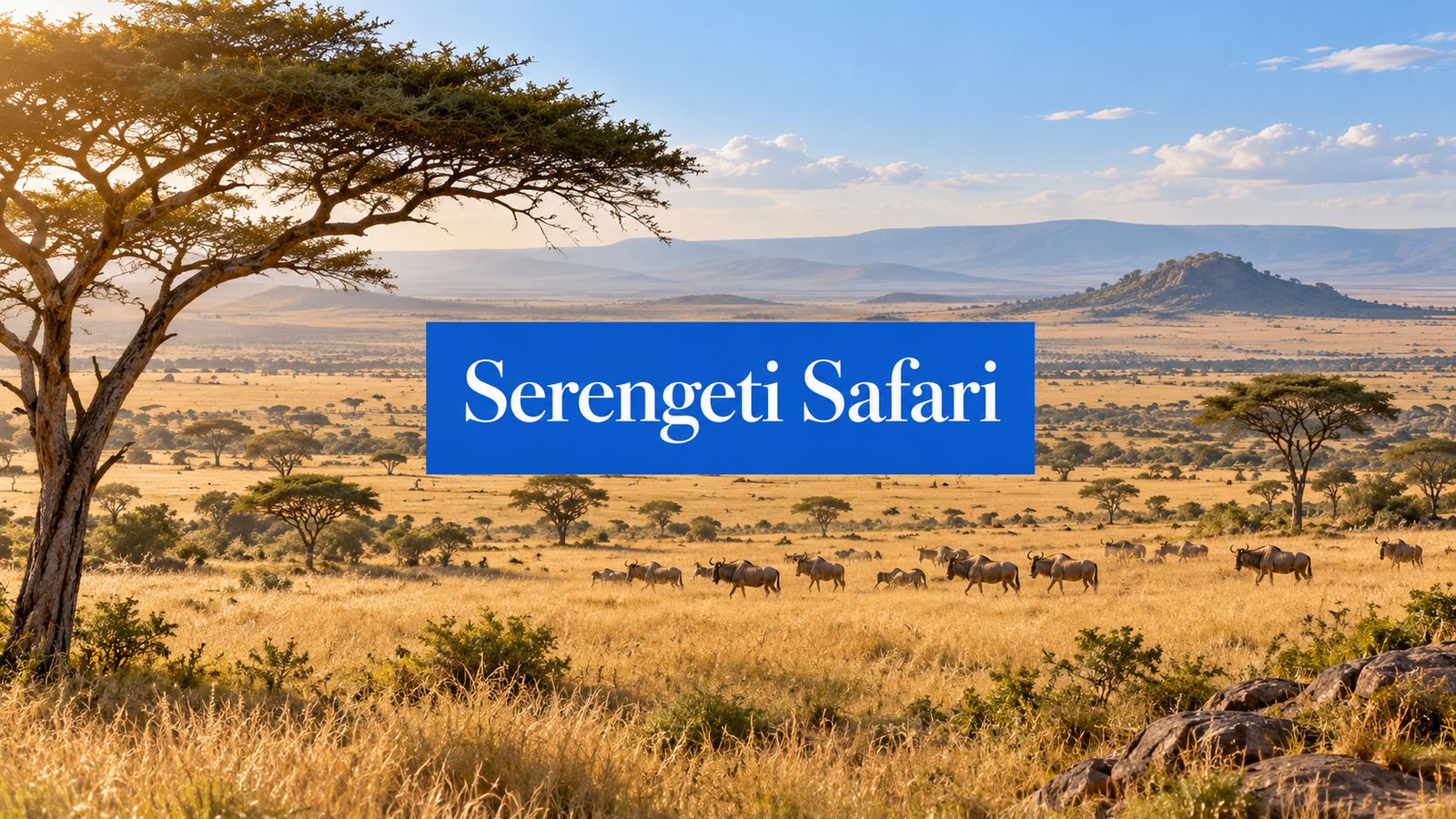
| Serengeti, Tanzania | Long game drives across open plains | Are park, concession and internal-flight costs included? |
| Okavango Delta, Botswana | Wildlife viewing across land and waterways where conditions permit | Which light-aircraft segments connect the camps? |
| South Africa safari and city | Wildlife time paired with a separate city stay | How many nights are actually in a game area? |
The Botswana Tourism Organisation's Okavango overview describes both game drives and water activities, while noting that game viewing changes with water and food availability. In Tanzania, Tanzania National Parks' visitor tariffs show why park charges deserve a separate line in your comparison. I would not choose a country because a package labels itself a bargain if the wildlife time or logistics are wrong for you.
Seven Nights or Two Weeks
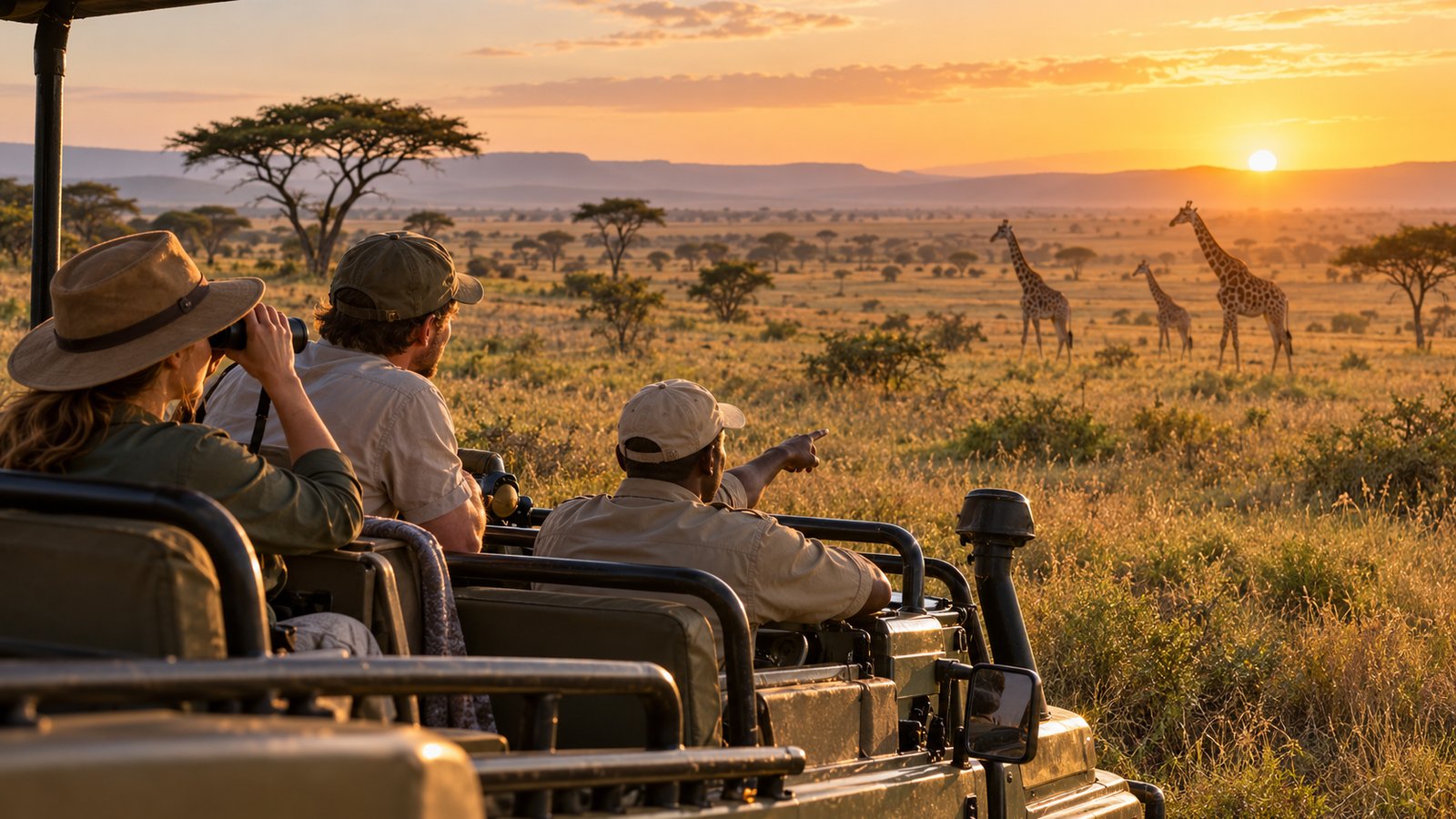
A seven-night safari can feel expansive when you keep the camp changes sensible. I prefer to protect full days in the bush rather than use every available night on a new lodge. A two-week journey gives you room to combine contrasting regions, but each extra move has a cost in transfers, packing and time away from the wildlife.
For an illustration, Wilderness publishes a June through October 2027 rate of $1,206 per person per night at Linyanti Tented Camp and $3,175 at Qorokwe. At those unchanged rates, seven camp nights alone work out to $8,442 or $22,225 per person; fourteen camp nights would be $16,884 or $44,450. That is arithmetic on two individual camp rates, not a quote for a seven-day or two-week itinerary. Actual trips usually involve varying properties, dates, transfers and additional nights.
My planning rule is to start with the number of meaningful game-viewing days you want, not a package's headline duration. If a seven-day tour includes your arrival day, onward flights and a departure day, you may be paying for far fewer full safari days than the title suggests.
What Is Included and What Can Be Missing
Some camps use an inclusive rate to cover food, drinks, guided activities and park fees. Others include the camp experience but charge separately for wildlife levies, transfers or activities. The difference matters particularly when two offers look close on paper. Ask for a day-by-day itinerary and a written inclusions and exclusions list, not a vague promise of an all-inclusive safari.
Compare the room and the vehicle, not just the logo
Is the rate for two adults sharing a tent, a family suite or a private-use camp? Will drives be shared with other guests, and do you want private guiding for photography or a multigenerational group? At Singita Explore, the official information describes a private vehicle for its private-use camp, but it also excludes transport to the Grumeti area. I would weigh that against your wish for privacy before adding an upgrade just because it looks impressive.
A strong package is the one that makes the whole route coherent. A camp with a lower nightly price can become a poor value when reaching it adds a complicated connection or leaves you with too little time on safari. Equally, do not pay for a private vehicle if shared drives are exactly the social experience you want.
Seasonality Changes Both the Price and the Trip
If your dates are flexible, season is one of the clearest ways to change the investment without simply cutting nights. Botswana Tourism describes a green, rainy season with lush landscapes and birdlife, and a dry winter period when waterways and wildlife patterns shift. Its official seasonal travel guidance is useful context, but no season guarantees a particular sighting.
The price change is real. Published Wilderness Qorokwe rates for 2027 move from $1,598 per person per night in January through March to $3,175 from June through October. Linyanti Tented Camp lists $640 and $1,206 for those same periods. Those examples show the seasonal spread at specific camps, not a universal discount across the continent.
I would choose a green-season trip if you enjoy changing light, birding and a more flexible wildlife wish list. If particular activities or a particular camp are nonnegotiable, check their operating dates and availability first. Singita Explore, for instance, publishes a seasonal closure on its information page. Timing should serve the experience, not just the rate.
Worthwhile Upgrades and Expensive Mistakes
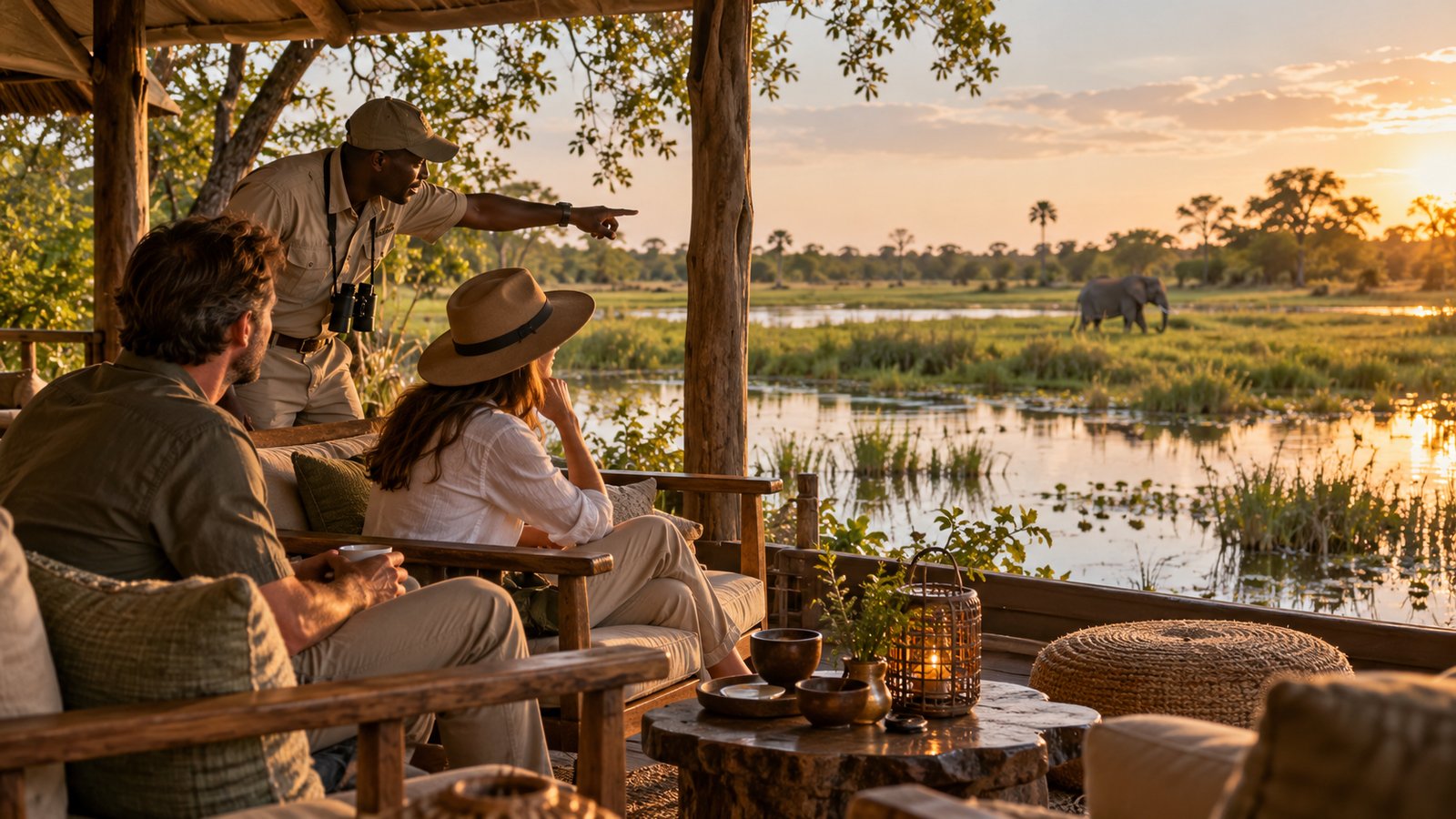
My favorite upgrade is often another night in the right place. It gives you breathing room after a long flight, more chances for an unrushed drive and less pressure to see everything immediately. A private vehicle becomes worthwhile when your group has a very specific pace, mobility need or photographic interest. A more expensive room matters if its layout or privacy genuinely changes how you will use it.
The common mistake is to compare a beautiful lodge image with an unrelated itinerary price. Ask whether the pictured room category is the one priced, where the camp sits relative to the activities you want, and whether you are sacrificing a full wildlife morning for a transfer. If you want a sense of how camp location affects the experience, read our guide to a luxury Botswana safari.
Another mistake is chasing the words "affordable package" without checking the tradeoff. Value can mean fewer camp changes, a shoulder-season stay at a well-matched property or an efficient transfer. It should not mean an itinerary that spends your precious vacation in transit.
Planning the Journey From the United States
For a traveler starting in the United States, an African safari quote is incomplete until it accounts for international airfare and the onward route to camp. Some itineraries need a separate flight to a regional gateway, a light-aircraft transfer and a planned overnight. Build a door-to-camp timeline before comparing package totals. I would rather know you arrive rested than save one night and start your safari exhausted.
Be wary of an advertised "safari with airfare" unless it specifies the departure city, cabin, baggage rules, arrival time and how a flight change affects your onward connection. A bundled price is not automatically a more convenient trip. At Singita Explore, for example, the official camp information lists soft-sided luggage restrictions for its air access, so your international baggage allowance may not be the constraint that matters most on the last leg.
Entry and health requirements depend on your passport and route. The U.S. State Department's Tanzania travel information explains entry requirements for U.S. travelers, and the CDC's safari health guidance recommends itinerary-specific travel medicine advice. Requirements and advisories can change. You are responsible for meeting the current rules and should consult an appropriate clinician for medical questions.
What a Premium African Safari Costs
For a concrete 2027 dry-season benchmark, seven nights of Botswana safari camp accommodation can run about $8,400 to $22,300 per person using the published June through October rates at Wilderness Linyanti Tented Camp and Qorokwe. The corresponding nightly figures are about $1,200 to $3,200 per person. This is a comparison of those two camps, not an Africa-wide market average or a complete trip from the United States. Other camps and dates may cost less or much more.
The estimate is not a quote or a guaranteed price. Actual pricing can vary significantly with the number of travelers, dates and season, trip length, destination and itinerary, camp and tent category, level of luxury and current availability. International airfare, internal flights, road and airstrip transfers, park or concession charges not included by your camp, tours and experiences, dining and drink inclusions, insurance and any pre- or post-safari stay can add materially to the total.
For a two-week itinerary, do not simply double a seven-night camp figure and call it the total. Your camp mix may change, there may be city or coastal nights, and additional flights connect different regions. I would price two or three complete route options with matching inclusions and then choose the one that protects the experiences you care about most.
Frequently Asked Questions
How much does an African safari cost per person per day?
It depends on the destination and what's included. As one verified premium example, two Botswana camps publish June to October 2027 rates of $1,206 and $3,175 per person per night. That is the camp component, not the total daily cost of airfare and transfers. Ask for the full route and exclusions before using any daily figure to set a trip budget.
How much does a two-week safari cost?
There is no responsible single Africa-wide figure. Fourteen nights at the two published Botswana rates above would be $16,884 or $44,450 per person for the camp stays alone, assuming every night fell in the same rate period. A real two-week safari typically needs its own mix of camps, flights, transfers and possibly nights outside the bush, so the complete price must be built around your route.
How far ahead should I plan a safari?
Start once you know your preferred travel window and the experiences you refuse to compromise on. The more fixed your dates, specific your camp choice or complex your group, the more important it is to get started early. I would confirm camp availability and the connecting air route together before locking in an international flight. There is no universal lead time that guarantees a preferred camp.
Is 70 too old to go on safari?
No age alone determines whether a safari suits you. What matters is the length and comfort of transfers, how easily you enter and exit the vehicle, whether a particular activity has physical restrictions, and your own medical advice. I would design around a comfortable pace and ask each camp about the practical details rather than assume everyone wants an intense schedule.
Can you wear red on safari?
For game viewing, I would choose neutral clothing over a bright red outfit. The Botswana Tourism packing guidance recommends neutral colors that blend with the bush, plus layers and comfortable closed shoes. Ask about any particular activity's dress guidance rather than treating a color as a universal prohibition. Our practical African safari packing list helps you prepare without overpacking.
How do I choose the best safari company or package?
Ask for a route that explains why each camp is there, how you get between them, what your room and game-drive arrangements are, and every important exclusion. The best fit is not the longest list of lodges or the lowest advertised price. It is a trip with a pace and level of guiding that match you. An advisor can compare suppliers without sending you off to reconcile competing quotes alone.
Plan a Safari Around What Matters to You
At Explore Effortlessly, we design custom journeys that connect the right wildlife areas, camp stays, flights and transfers into a trip that makes sense for your time and priorities. I would love to hear whether you are picturing open grasslands, a Delta waterway or a mix, then talk through which tradeoffs are worth making. If you want to go deeper before we talk, see our guide to a Serengeti safari itinerary.
Start Planning My Safari and tell me your preferred dates, who is traveling and what you most want to experience.
For more thoughtful travel ideas, join the Explore Effortlessly newsletter.
About the Author
Hi, I'm Karrah Kazravan, owner and lead travel advisor at Explore Effortlessly, an award winning Miami agency serving clients nationwide. I design custom journeys for busy travelers who want confident recommendations and thoughtful coordination. I have traveled to more than 67 countries across all seven continents and am a Nexion Circle of Excellence Top 5% advisor, ASTA Verified Travel Advisor, Certified Travel Associate, and CLIA Accredited Cruise Counselor.