
The best time to travel to Italy is late April through June or September through mid-October if you want a balanced city-and-countryside trip. Choose September for a coastal stay and harvest-season atmosphere, or May for long walking days before midsummer heat. The right month depends on which Italy you actually want to experience.
That last part matters. A week built around Rome's museums, Florence's streets and a Tuscan villa needs a different calendar from a boat-focused Amalfi Coast escape. If you have limited vacation time, choosing a month first and forcing every stop into it can leave you with a beautiful itinerary that feels surprisingly tiring.
I start with your nonnegotiable experience, then match the region and travel dates to it. Italy's official guide to its seasons makes the same underlying point: different seasons reward different styles of travel. For a broader planning foundation, my practical travel tips for Italy explain the decisions worth settling before you choose hotels.
The Quick Answer by Travel Style
For a first trip combining major cities and countryside, I lean toward May or late September. You can build an unhurried route without making every afternoon an endurance test. April and October can work beautifully too, especially if you prefer flexibility over beach time, but pack for changeable conditions and let the forecast guide outdoor plans.
The table is a decision shortcut, not a weather guarantee. Northern lakes, Alpine areas and southern coasts do not share a single climate. A good itinerary protects the experiences that matter most to you instead of betting the whole trip on one postcard-perfect day.
| Travel priority | My first choice | What to watch |
|---|---|---|
| Rome, Florence and Venice | May or late September | Popular sights still need deliberate timing |
| Amalfi Coast with city time | Late May, June or September | Sea conditions can affect boat plans |
| Tuscan food and countryside | May, September or October | Seasonal experiences change by date |
| Museums and a slower urban stay | November through March | Shorter days and holiday closures |
| Mountain-focused travel | Season matched to the activity | Do not assume city weather applies at altitude |
If a traveler tells me, "We want Rome, a vineyard stay and Positano, but we only have a week," I would narrow the stops before changing the month. A rushed route is still rushed in perfect weather. Give each change of hotel a reason to exist.
January Through March for Cities and Winter Interests
January
January suits travelers who care more about galleries, long lunches and a comfortable hotel than swimming or long evenings outdoors. I would choose a city base or a dedicated mountain trip, not ask a coastal stay to deliver a summer feeling. Italy's tourism board highlights both winter city atmosphere and Alpine sports as distinct winter possibilities.
February
February can be lovely for a deliberately focused city visit. Build indoor alternatives around your most important outdoor walk, and consider how much of your day you are willing to spend in transit. If a mountain itinerary is the point, choose the right location and room for your equipment and daily schedule rather than tacking it onto a museum-heavy route.
March
March is a transition month, so I like it for travelers who can enjoy an occasional rainy afternoon without feeling they missed Italy. Pair a city with one countryside base, leaving room to shift a walk or a winery visit. I would not make a sea crossing the emotional centerpiece of this trip.
In these months, hotel location is often a better upgrade than a bigger room on the edge of town. Being able to walk back after dinner makes the shorter days feel generous rather than limiting. For a city trip, ask what you want to do after dark before you pick the room category.
April Through June for Spring and Early Summer
April
April is my pick for someone whose picture of Italy is piazzas, art and countryside, not a daily swim. A lightweight layer earns its place in your suitcase. Easter dates vary by year, and national holidays can affect opening plans, so check the actual calendar rather than assuming a quiet spring week.
May
May is one of the easiest months to build a first-timer route around. Italy's tourism board describes spring as favorable for villages and outdoor travel. I would spend the most walkable part of the day in a historic center, then give you a slower afternoon instead of stacking museums back to back.

June
June is appealing when the coast matters as much as the cities. I would put your warm-weather experiences on the itinerary early and keep a reasonable buffer for moving between regions. If you are splitting time between Rome and Amalfi, decide whether a boat excursion is essential or simply a nice option before you choose the length of your coastal stay.
My planning rule is simple: in a multi-stop spring itinerary, change bases less often than your first draft suggests. A second night in the right place is often more valuable than a rushed fourth destination. If your trip includes Venice, Florence and Rome, a well-paced rail route generally beats a string of private intercity car rides for ease of movement.
July and August for Summer Priorities
July
July makes sense when time off is fixed or when you truly want a summer beach or island trip. I would build city touring around early starts, restful afternoons and hotels whose location lets you step out again in the evening. A room with more space may be worth the investment if you expect to use it during the warmest hours.
August
August calls for clearer tradeoffs. The sea and islands can be the point of the trip, while a dense midday schedule in Rome or Florence may not be what you actually enjoy. Ferragosto falls on August 15; some offices and cultural sites change operations on holidays. Check each venue's current official schedule before committing to a particular date.
When travelers ask for "the best time to travel to Italy cheap," I steer the conversation back to what they want from the trip. A date that saves on one hotel but compromises the coast, adds awkward transfers or costs you a vacation day may not be good value. I would rather adjust the itinerary and protect the experiences that brought you here.
September and October for a Flexible Classic Route
September
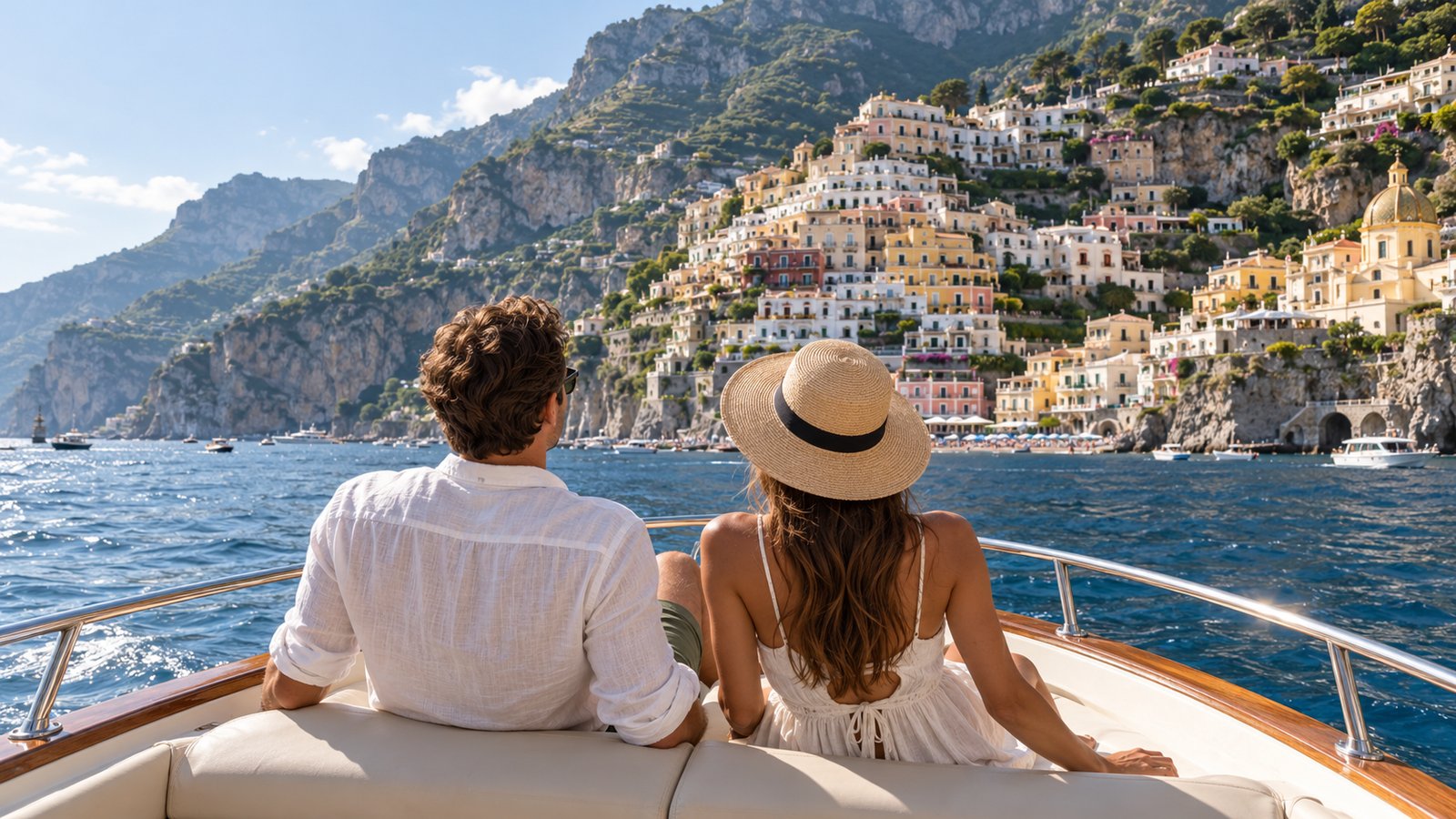
September is my strongest all-around recommendation if you want cities, wine country and a coastal finish. It still requires thoughtful planning; desirable hotels and guides are not suddenly empty when the calendar turns. For the coast, keep boat plans flexible. A coastal ferry operator's conditions of transport explicitly allow changes or cancellations, so a single tightly timed connection should not hold your whole day hostage.
October
October works for travelers who prioritize food, galleries and a slower countryside rhythm over an assured beach day. Italy's tourism board specifically points to autumn vineyards and local products. I would keep the route geographically compact as daylight and weather become more variable, and treat any boat time as a bonus, not a promise.
There is a difference between avoiding the fiercest summer crush and finding an empty Italy. Neither September nor October guarantees deserted landmarks. If you want more of my thinking on this window, read how to plan Italy in September before setting your arrival city.
November and December for Slower, Focused Trips
November
Is November a good time to visit Italy? Yes, if your priority is art, food and a city or countryside base rather than a beach holiday. It is the month I would use to simplify, not expand: one or two places, a hotel you enjoy returning to, and an indoor option for any day when the weather changes.
December
December favors travelers who enjoy a winter city atmosphere or a trip intentionally built around mountain time. If your dates include Christmas or New Year's Day, confirm the actual opening hours of every must-see museum, restaurant and transfer service. Italy's official public-holiday guidance cautions that some museums and cultural sites close on particular holidays.
For both months, the calendar can offer a more relaxed style of visit, but it does not automatically mean lower prices for every desirable hotel or holiday week. If the Amalfi Coast is your dream, I would save that component for a different trip instead of selling you a summer itinerary in winter clothes.
Match the Month to the Route
The classic "big three" are Rome, Florence and Venice. They make an excellent cultural introduction, but they are not three interchangeable hotel stops. Rome rewards enough time for its neighborhoods and major sites, Florence pairs naturally with a slower Tuscan extension, and Venice deserves at least a little time after the daytime traffic thins.
For a first visit, I favor a north-to-south or south-to-north route rather than crisscrossing the country. Italy's official transportation guide confirms that high-speed trains connect major cities. I then look at your luggage, station-to-hotel transfers, mobility needs and arrival flight before deciding where a private car genuinely improves the day.
- City days: Protect time for one major visit and an unscheduled neighborhood walk.
- Transfer days: Leave space between hotel checkout, station travel and your next experience.
- Coastal days: Keep a flexible alternative if conditions interrupt a boat plan.
The Amalfi Coast is the clearest example of why season and geography must be planned together. A waterfront room, a hillside room with expansive views and a quieter inland base serve different travelers. Ask how many stairs or transfers stand between the hotel and the experiences you care about. If boat time matters, allow a spare coastal day so a changed sailing does not unravel the trip.
I would prioritize a well-located hotel and an excellent guide for the days that matter, then trim a less meaningful stop if needed. You do not need the lowest-cost route across Italy; you need one that protects your time. For a fuller route comparison, see ways to design your Italy route and a thoughtfully paced two week itinerary.
What a Premium Italy Trip Costs
For an indicative 10 to 11 day premium Italy journey, about $15,500 to $19,000 per person is a useful published-price benchmark, not a universal Italy price. That span reflects a current 11-day northern Italy luxury small-group journey listed from $15,595 per person in double occupancy and a suggested 10-day private Rome, Florence and Venice journey listed from $18,895 per person. Their inclusions and travel styles differ, so compare like with like.
Your actual trip cost can vary significantly with the number of travelers, travel dates and season, trip length, destination and itinerary, hotel and room category, airfare, rail or private transportation and transfers, tours and experiences, dining inclusions, level of luxury and current availability. A room with a coveted view, additional private guiding or a coastal extension can change the total meaningfully. This estimate is not a quote or a guaranteed price.
My advice is to decide where comfort matters before deciding what to cut. A convenient hotel and sensible transfers may give you more enjoyment than squeezing one more destination into the same number of nights. The right price conversation happens around your actual dates and travel style, not a generic daily average.
Frequently Asked Questions
What is the best month to visit Italy to avoid crowds?
No month makes the major landmarks empty. For a less compressed itinerary, I would look at late April or October, then choose smaller neighborhoods and give each city more time. You can control your route and daily rhythm more reliably than you can control the number of other visitors.
When is the best time to visit the Amalfi Coast?
I favor late May, June or September when a coastal stay is a central part of the trip. Sea conditions and individual services still change, so check current schedules and leave room to move a boat day. A coast-and-cities itinerary may need a different split of nights than a coast-only escape.
What currency is used in Italy?
Italy uses the euro, as confirmed by the European Commission's Italy currency profile. If you are planning a multi-country trip, check the payment and cash expectations of each stop rather than assuming they are identical.
Do U.S. travelers need a visa to visit Italy?
For short tourism stays, the U.S. State Department's Italy guidance says U.S. citizens can visit for up to 90 days without a tourist visa, subject to passport and other entry conditions. The EU says ETIAS is not yet in operation on its official information page. Rules can change. You are responsible for confirming all entry requirements for your nationality, routing and dates with the official authorities before departure.
What cultural habit should I plan around?
Give meals time. Italy's tourism guidance describes an evening aperitif and later dinners as part of the daily rhythm. I would not schedule a cross-country transfer, a long museum visit and a special dinner all on the same day. Make space to enjoy the place you came to see.
Choose Your Dates With a Real Itinerary in Mind
The best time to travel to Italy is the window that fits your priorities and the pace you will enjoy. At Explore Effortlessly, we design custom journeys that align cities, countryside stays, guides and transfers with your dates. I would begin with the two experiences you refuse to miss, then work backward to the right month and number of nights.
Tell me what Italy looks like to you. Start Planning My Italy Trip.
For more destination ideas and planning notes, join the Explore Effortlessly newsletter.
About the Author
Hi, I'm Karrah Kazravan, owner and lead travel advisor at Explore Effortlessly, an award winning Miami agency serving clients nationwide. I design custom journeys for busy travelers who want confident recommendations and thoughtful coordination. I have traveled to more than 67 countries across all seven continents and am a Nexion Circle of Excellence Top 5% advisor, ASTA Verified Travel Advisor, Certified Travel Associate, and CLIA Accredited Cruise Counselor.