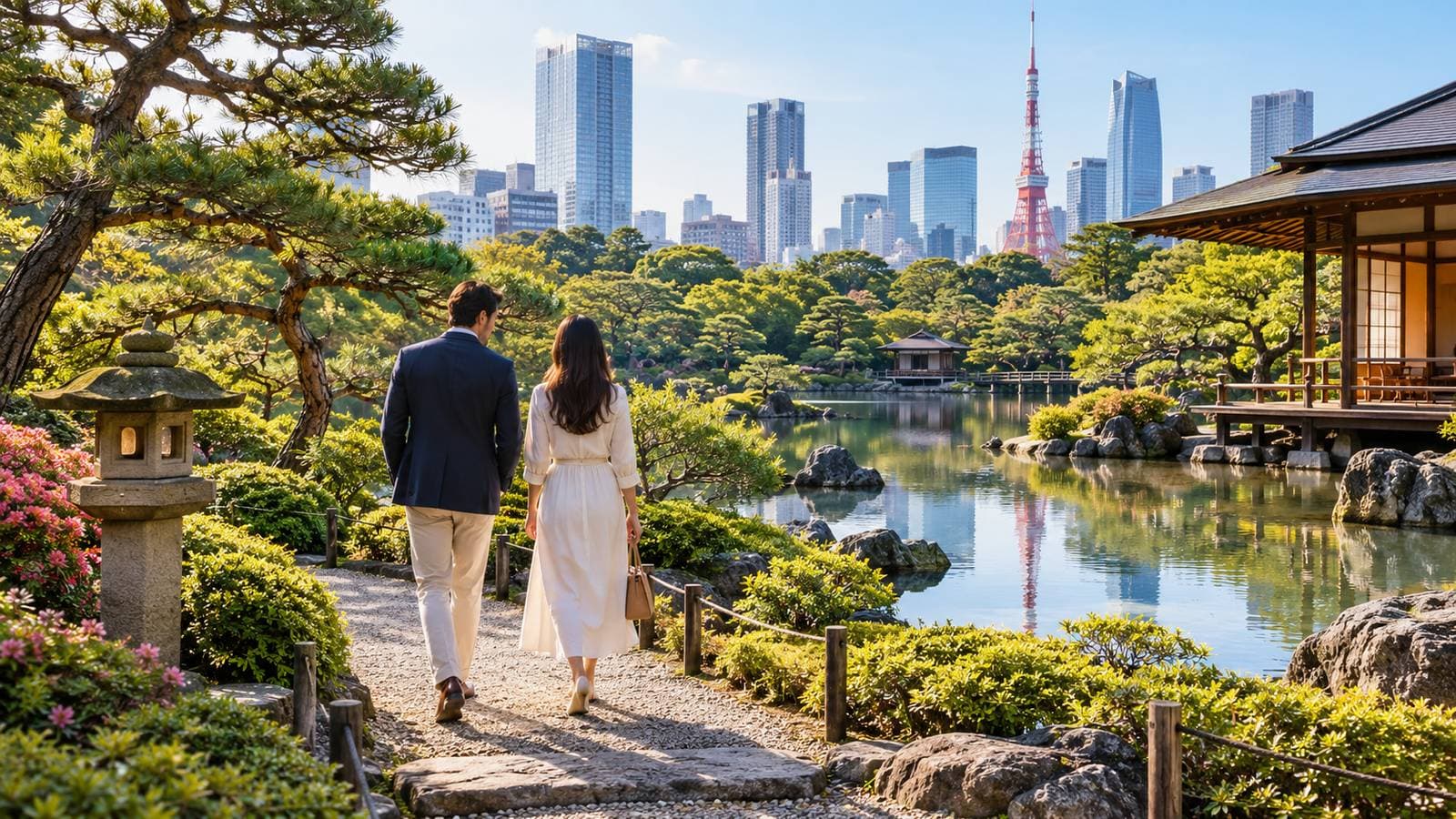
For a first Tokyo itinerary, I recommend five full sightseeing days, plus your arrival day. Group the city by neighborhood, choose one comfortable hotel base, and build each day around one main experience. That gives you room for temples, food, art, shopping, and a little spontaneity without turning your vacation into a transit challenge.
The hard part is not finding things to do. It is deciding what belongs together, which reservations deserve priority, and how much energy you will actually have after a long flight. A beautiful hotel cannot rescue a schedule that sends you across the city three times before dinner.
This is the framework I would use for a premium first visit, with private guiding where it adds context and independent time where it adds enjoyment. The days are movable, not a fixed calendar. Opening days, your interests, and confirmed reservations should decide their final order.
How Many Days to Spend in Tokyo
Five full days is my preferred starting point for travelers who want an introduction without squeezing every interest into one afternoon. Three days can work for a focused taste; seven gives you more breathing room. Count usable days rather than nights, especially when your flights arrive late or depart early.
The official Tokyo five-day itinerary also groups major sights across eastern, northern, central, and western districts. I would borrow that geographical discipline, but choose fewer stops for each day. A long list is a menu, not an obligation.
| Time in Tokyo | My recommended approach | Trade-off |
|---|---|---|
| 3 full days | Choose eastern, western, and central Tokyo | Limit special-interest detours |
| 4 to 5 full days | Add art, shopping, and slower meals | Prioritize rather than collect sights |
| 7 full days | Keep flexible time and deepen favorite areas | Avoid filling every added day |
| 10 to 14 days | Consider Tokyo within a wider Japan journey | Coordinate onward stays and luggage |
The pacing principle is the same one I explain in my Rome Florence Venice itinerary guide: decide what the trip should feel like before dividing the available nights. More movement is not automatically more rewarding.
Choose a Hotel Base That Matches Your Days
I would compare a central base around Ginza, Marunouchi, or Nihonbashi with a western base around Shibuya or Shinjuku. Central Tokyo suits the version of this itinerary that emphasizes shopping, food, and a quieter hotel reset between outings. I would lean west if Shibuya, Harajuku, and western neighborhoods dominate your personal wish list.
Do not choose a hotel solely because its map pin is next to a station. Ask which station entrance you would use, what the final walk involves, and how you will reach dinner. For travelers with limited walking tolerance, I would prioritize straightforward vehicle access and fewer changes of transport over a theoretical shortest route.
The room upgrade I would consider first
Choose usable space before a decorative category name. At Mandarin Oriental, Tokyo, the published room information distinguishes rooms and suites and notes that connecting options may be available on request. That is not confirmation of a connecting pair. Families should settle occupancy, beds, and room configuration before treating a hotel as the answer.
- Couples: Compare the room layout, view, and whether breakfast fits your preferred mornings.
- Families: Confirm sleeping arrangements and the exact room combination for everyone traveling.
- Light sleepers: Ask about room placement rather than assuming a higher category means a quieter stay.
- Early arrivals: Resolve room access before departure, rather than counting on an unconfirmed early check-in.
Keep Arrival Day Light and Deliberate
I would not count arrival as Day 1 of sightseeing. Arrange the hotel transfer, eat something easy, and take a short walk only if you feel up to it. Keep any important dinner or ticketed attraction for another day. Your first evening should not require you to perform after a long journey.
Compare the full flight and transfer, not just the airport name. Haneda is closer to central Tokyo than Narita, but flight timing, cabin comfort, and your hotel location still matter. For Haneda arrivals, the airport's official taxi information explains terminal-specific pickup arrangements. Confirm the meeting point and vehicle capacity for your actual luggage.
If immediate room access matters, I would explore a confirmed arrangement in advance, including whether the preceding night is needed. The right solution is the one documented in your reservation, not a hopeful note in a request field.
Day 1 Explore Asakusa and Ueno
Start your first full day with Sensoji and the surrounding Asakusa streets. Then make Ueno your second area rather than adding an unrelated district across town. This gives the day a clear purpose: an introduction to traditional architecture and cultural collections, with time to notice what you are seeing.
I would place a private guide here if you value explanation over simply taking photographs. Discuss the focus beforehand: religious customs, history, architecture, food, or a mix. A useful guide changes how you understand the places, not just how efficiently you find them.
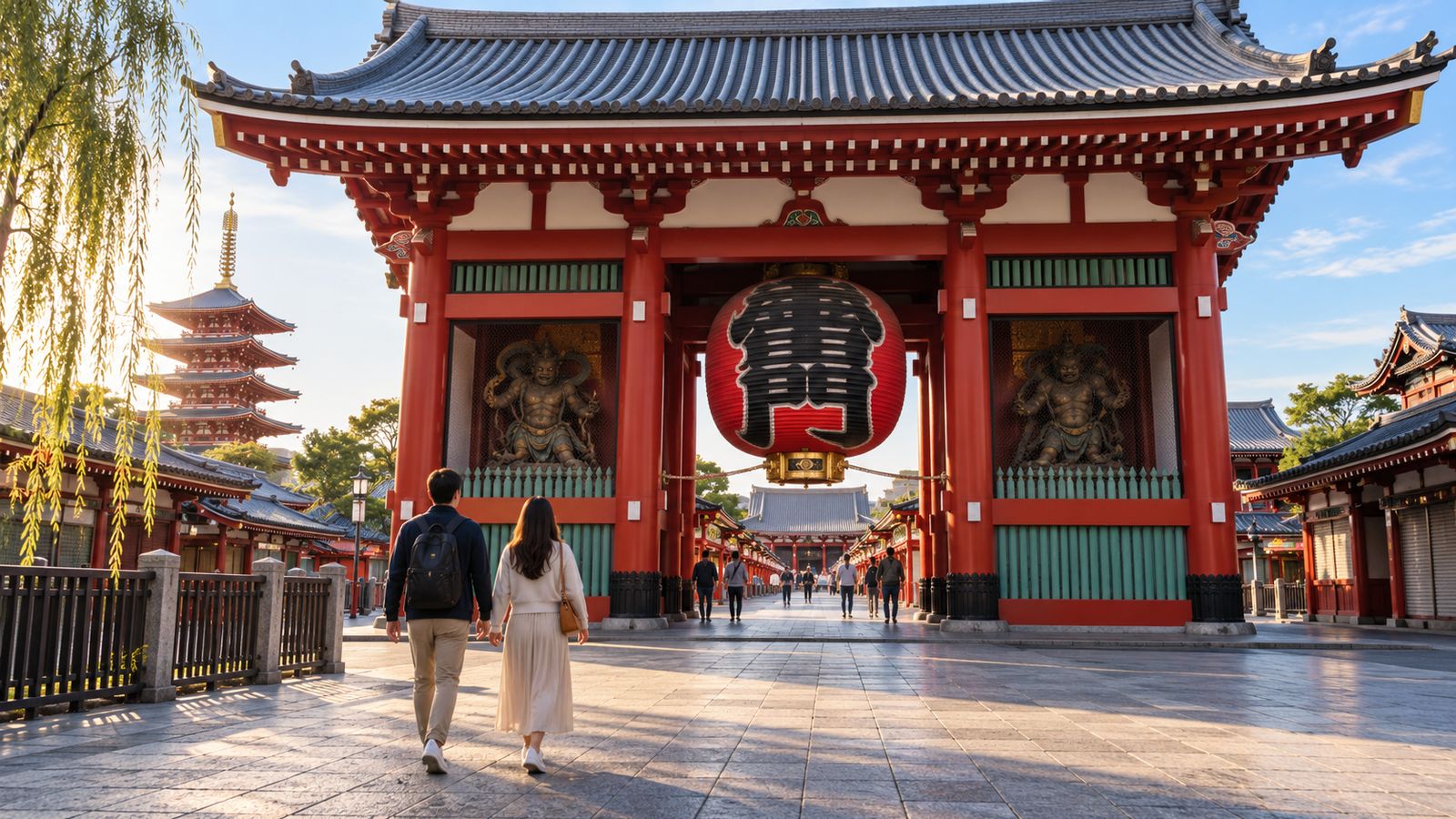
For the afternoon, choose a museum visit or a gentler exploration of Ueno, depending on your energy. The Tokyo National Museum visitor information covers its Ueno Park access, exhibitions, and closures. Check the actual date before making this the centerpiece of your day.
My recommendation is one substantial museum, not a string of collections. If art and history are not your interests, shorten that portion and use the time for a guide-led neighborhood walk. The itinerary should reflect you, not an imagined perfect tourist.
Day 2 Pair Meiji Jingu With Harajuku and Shibuya
Begin with Meiji Jingu, then move into Harajuku and Omotesando before choosing how much of Shibuya you want to include. The contrast is the appeal: shrine grounds, fashion, architecture, and the movement of a very different urban landscape.
Check Meiji Jingu's seasonal visiting hours before fixing the order. The shrine follows seasonal daylight hours, so it should not be left as an assumed evening stop. I would put it first, then keep lunch flexible enough to avoid rushing through the grounds.
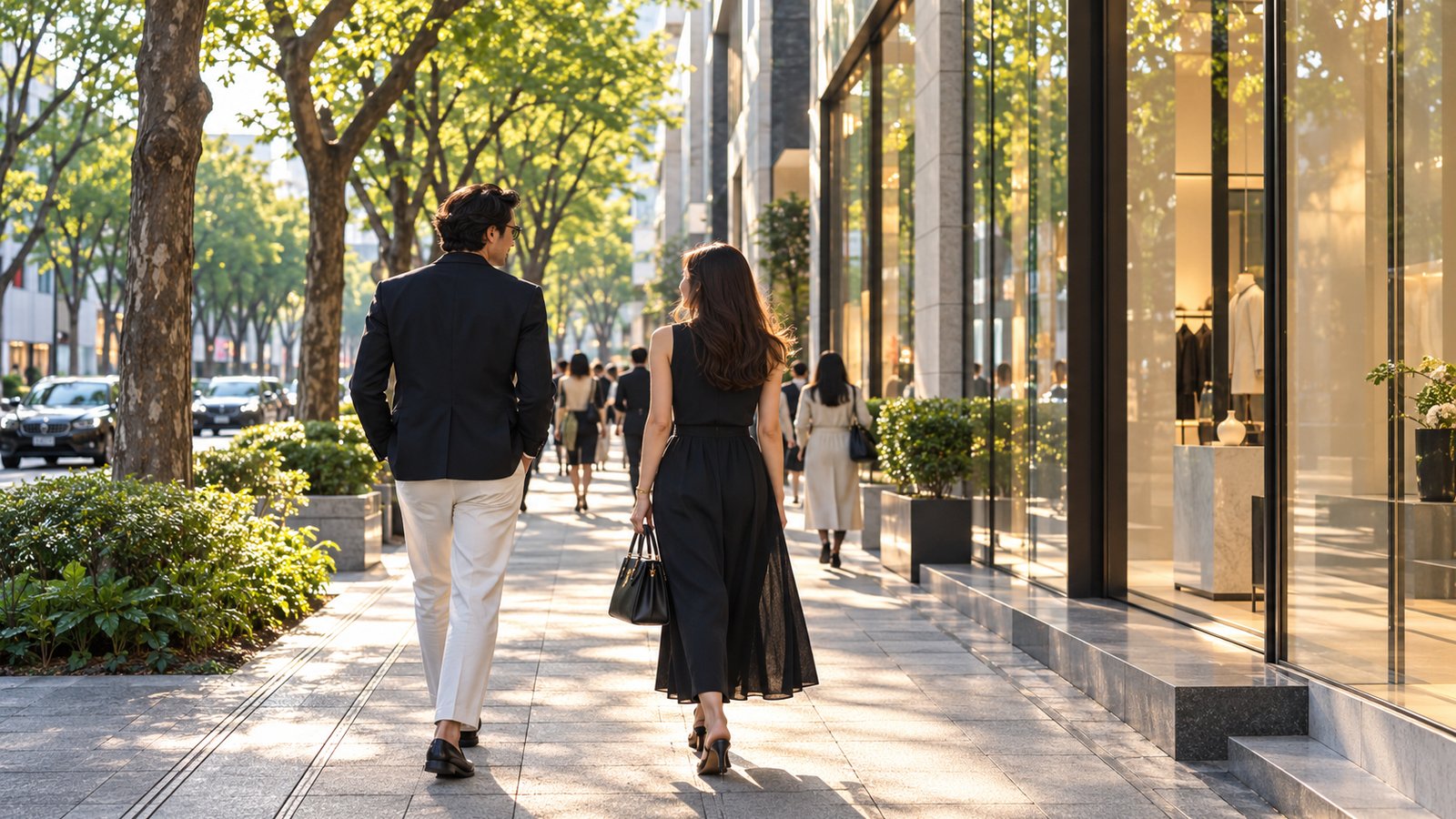
If shopping is a major interest, make Omotesando the afternoon and keep Shibuya to a short evening introduction. If seeing the crossing and exploring modern Tokyo matter more, shorten the shopping. You do not need to give every neighborhood equal time just because the names appear together.
My planning rule: Give the day's favorite experience the best energy, not whatever time remains after checking off everything else.
Day 3 Taste Tsukiji and Slow Down in Ginza
Use the morning for Tsukiji Outer Market, with a food-focused visit suited to your tastes and dietary needs. The outer market remains in Tsukiji; the former inner wholesale market moved to Toyosu. They are different places, so make sure your expectations and any arranged experience match.
Pair Tsukiji with Ginza rather than treating lunch as the starting signal for a cross-city sprint. I would leave space for shops, a cafe, and a return to the hotel if you want one. This is a good day for travelers who enjoy discovering details rather than spending every hour inside a landmark.
Make one dinner the anchor if dining is a priority. Tell your planner about dietary restrictions, preferred meal length, and comfort with counter seating before options are narrowed down. A prestigious restaurant is not the right choice if its format does not suit the way you like to eat.
I would not schedule a heavy tasting lunch and a long tasting dinner automatically. Choose which meal you want to appreciate most, and give yourself room to enjoy it. Availability and dietary accommodation must be confirmed, not assumed.
Day 4 Build Around Art in Azabudai and Roppongi
Make this the art-focused day, with teamLab Borderless as one possible anchor. It is in Azabudai Hills, not the separate teamLab Planets venue in Toyosu. Mixing up those two names can undermine an otherwise sensible route.
The official teamLab Borderless visitor FAQ explains its wandering, digital-art format and timed entry. I would arrange the desired visit in advance and avoid squeezing it into a narrow gap before lunch. Choose it because immersive digital art appeals to you, not because it is on everyone else's list.
Continue with time in Azabudai or Roppongi, choosing another gallery or museum only if you genuinely want a second art experience. For someone less interested in art, replace this day with a specialist shopping visit, a food experience, or an unstructured return to a favorite neighborhood.
Families and travelers with mobility or sensory concerns should review the venue's current visitor information against their own needs. Do not infer suitability from photographs. I would rather change an attraction than build a day around an experience someone cannot comfortably enjoy.
Day 5 Leave Room for the Imperial Palace Area
Use the final full day for the Imperial Palace area and Marunouchi, with time held back for anything you want to revisit. The East Gardens can be the main outdoor stop when open. They are not the same experience as admission to palace interiors.
The Imperial Household Agency's East Gardens guidance lists seasonal hours, regular Monday and Friday closures, holiday exceptions, and additional closure periods. Move this day earlier if your calendar requires it. The day numbers are a framework, not a reason to arrive at a closed gate.
I like a flexible final afternoon for shopping, a longer lunch, or packing without losing the evening. For an early flight the following day, settle the transfer details before dinner. Avoid making your last hours depend on one more ambitious excursion.
Adapt the Plan for 3 to 14 Days
For a three-day Tokyo itinerary, I would keep Asakusa, the Meiji Jingu to Shibuya area, and a central Tokyo day. Choose between a substantial museum and a dedicated digital-art visit rather than forcing both into the same shortened stay. Four days lets you restore the experience you most regretted cutting.
For seven days, keep the five-day framework and add one specialist day plus one flexible day. That specialist day might center on art, design, food, or shopping. I would discuss an excursion only after the Tokyo priorities are settled, not assume every extra night needs a new destination.
With ten days or two weeks, decide whether you want a Tokyo-centered stay or a wider Japan journey. If you add another destination, give the transfer and hotel change honest space. I would not label a day as fully available in both cities just because the transport fits between breakfast and dinner.
Longer is worthwhile when it changes the pace, not merely the number of reservations. Keep one hotel in Tokyo unless there is a specific reason to move, and let later days respond to what you enjoyed most.
Adjust Your Tokyo Itinerary for the Season
For winter, I would put outdoor visits earlier, add indoor pauses, and keep evening plans comfortable rather than relying on long walks. The official Tokyo winter travel guide describes cold conditions, often clear skies, and occasional snow. Pack for the weather you will walk through, not only the heated spaces between outings.
In any season, check the forecast and venue calendar close to departure. Keep one indoor alternative for your main outdoor day, and avoid promising a specific view or seasonal display. A photograph from another year is not a reliable calendar.
My priority is preserving the experience you care about. If a garden is central to your plans, give it a flexible window. If dining and art matter more, start with those reservations and let the outdoor portions move around them.
What This Tokyo Itinerary Costs
Pricing for this five-night Tokyo trip for two cannot be accurately estimated without travel dates and confirmed hotel, flight, and private-service options. The published hotel information available for comparison does not provide a consistent, date-matched basis for a typical couple's stay. A multi-bedroom suite starting price or a group room offer would misrepresent this trip.
I would compare the total trip in separate parts: five hotel nights in the precise room category, airport transportation, any private guiding, tickets, dining, and airfare. Ask whether each amount is per person, per room, or for two, and which taxes and service charges are included. A hotel-only figure is not a whole-trip estimate.
Your actual cost can vary significantly with the number of travelers, travel dates and season, trip length, hotel and room category, flight origin and cabin, transportation, guide hours, tours, dining choices, level of luxury, and current availability. An additional Japan destination changes both accommodation and transport needs. Any preliminary estimate is not a quote or a guaranteed price.
For value, I would first protect a well-chosen hotel base and the guiding that makes your interests easier to explore. Then compare room upgrades, extra vehicle time, and dining around how often you will use them. Spend on the parts that improve your own day, not an abstract definition of luxury.
Frequently Asked Questions
Is five days enough for a first Tokyo visit?
I recommend five full sightseeing days for this framework, excluding arrival. It is enough for a thoughtful introduction if you accept that some interests will wait for another trip. A five-night stay may contain fewer than five full days depending on your flights.
Do I need a private driver every day?
I would decide day by day rather than automatically adding a vehicle throughout. Luggage, walking tolerance, party size, and the route determine where a car helps. A private guide and a private vehicle are separate services, so confirm both scope and hours.
Should I arrange every meal before traveling?
No. I would prioritize the meals that genuinely matter and preserve flexibility around the rest. If a particular restaurant is essential, make availability a planning question early. Neither a hotel nor an advisor can promise access before it is confirmed.
Can I use the same plan in winter?
Yes, as a planning framework, with outdoor visits timed around daylight and warm indoor breaks. Recheck the actual opening calendar, especially around holidays. Swap days rather than keeping the original order at the expense of comfort.
Plan a Tokyo Stay That Fits You
Explore Effortlessly can help connect your Tokyo hotel, arrival arrangements, guided experiences, and onward Japan plans into one considered journey. The initial consultation is included in our standard service. If dining, spa, and special-arrangement assistance are priorities, we can discuss whether VIP fits your needs.
If you are still choosing the destination rather than the daily route, compare the travel style in our Portugal and Azores itinerary guide or our Argentina ten-day luxury planning guide. The useful comparison is city immersion versus a trip with more changes of setting, not which itinerary contains the longest list.
Tell me your dates, who is traveling, and the experiences you would be disappointed to miss. We can start with those priorities instead of asking you to solve every detail first. Start Planning My Tokyo Trip.
For more thoughtful travel ideas, join the Explore Effortlessly newsletter.
About the Author
Hi, I'm Karrah Kazravan, owner and lead travel advisor at Explore Effortlessly, an award winning Miami agency serving clients nationwide. I design custom journeys for busy travelers who want confident recommendations and thoughtful coordination. I have traveled to more than 67 countries across all seven continents and am a Nexion Circle of Excellence Top 5% advisor, ASTA Verified Travel Advisor, Certified Travel Associate, and CLIA Accredited Cruise Counselor.